
Refreshing your wardrobe does not always mean buying new clothes or following the latest fashion trends. Many garments already sitting in your closet can look different with simple styling changes, proper care, and creative combinations. An old shirt, pair of jeans, or jacket may still have plenty of life left. Learning to reuse these pieces can make everyday dressing more enjoyable.
Understanding how to refresh old clothes helps you make better use of your existing wardrobe while reducing unnecessary purchases. Small adjustments, such as changing accessories, repairing minor damage, or experimenting with layers, can transform familiar outfits. You do not need advanced sewing skills or expensive equipment to get started. A thoughtful approach makes clothing updates easier and more practical.
This guide explores simple ways to update old clothing, improve garment appearance, and create fresh outfit combinations. You will discover practical ideas for shirts, jeans, sweaters, dresses, and other wardrobe essentials. It also explains how to care for fabrics and avoid common clothing restoration mistakes. These tips can help you develop a versatile wardrobe that reflects your personal style.
Start by Reviewing Your Existing Wardrobe
The first step in refreshing old clothes is understanding what you already own. Many people forget about useful garments because they remain hidden behind frequently worn items. A wardrobe review helps reveal clothing that could be cleaned, repaired, or styled differently. It also makes identifying genuinely unnecessary items easier.
Begin by separating clothes into categories such as shirts, trousers, dresses, jackets, and seasonal garments. Examine each piece for fabric damage, missing buttons, stains, or changes in fit. Consider which items you still enjoy wearing and which could work with different combinations. This process provides a practical starting point for wardrobe improvement.
Avoid assuming that every older garment needs significant changes to become useful again. Some pieces may only require washing, pressing, or pairing with different accessories. Others may benefit from minor alterations or simple repairs. Understanding each garment’s condition helps you choose suitable updates without spending unnecessary time or money.
Clean Old Clothes Properly to Restore Their Appearance
Proper cleaning is one of the easiest ways to improve the appearance of clothing. Over time, garments may collect dust, body oils, or residue that affects how fresh they look and feel. Washing them according to their care instructions can help restore cleanliness and comfort. Different fabrics require different methods to avoid unnecessary damage.
Check every garment’s care label before choosing a washing temperature or detergent. Delicate materials may require gentle cycles, handwashing, or professional cleaning. Avoid using harsh products simply because clothing looks old or faded. Incorrect cleaning methods can weaken fibers, change colors, or cause shrinkage.
After washing, dry garments using methods appropriate for their fabric composition. Some items benefit from air drying, while others can tolerate suitable machine settings. Properly drying and storing clothes helps preserve their shape and appearance. Clean, carefully maintained garments often feel refreshed without requiring any permanent changes.
Remove Pilling and Refresh Worn Fabric Surfaces
Pilling occurs when small fibers become tangled on the surface of clothing. It commonly appears on sweaters, knitwear, and areas exposed to repeated friction. These small fabric balls can make otherwise useful garments look worn. Removing them carefully may improve the appearance of certain materials.
A fabric shaver or suitable sweater comb can help remove surface pills from compatible garments. Follow the tool’s instructions and test a small, less visible area first. Work gently to avoid cutting threads or damaging delicate fibers. Some fabrics require additional care because their construction makes them more vulnerable to snagging.
Pilling removal cannot repair fabric that has become thin or structurally damaged. However, it can improve the appearance of clothing that remains in good condition. Regular fabric care may also help reduce excessive friction and future pilling. Understanding these limitations prevents unrealistic expectations when restoring older garments.
Repair Small Tears, Loose Seams, and Missing Buttons
Minor clothing damage does not always mean a garment needs replacing. Loose buttons, small seam openings, and simple tears can sometimes be repaired with basic sewing techniques. These adjustments help restore function and improve overall appearance. Repairing clothes can also extend their useful life when the surrounding fabric remains strong.
Start with straightforward repairs that match your available skills and tools. Reattaching a button or securing a loose seam may require only a needle and suitable thread. More complicated damage, especially near stressed areas, may require professional assistance. Assess the fabric carefully before deciding whether a repair is practical.
Choose thread and replacement materials that suit the garment’s construction. Test repaired areas gently to confirm that they remain secure during normal movement. Avoid pulling damaged fabric excessively while sewing. Thoughtful repairs help keep familiar pieces comfortable and usable without requiring unnecessary purchases.
Refresh Old Shirts With Simple Styling Changes
Old shirts can become versatile outfit pieces when combined with different clothing. A familiar button-down shirt may work for casual, professional, or relaxed occasions. The key is experimenting with layers and proportions rather than assuming one garment has only one purpose. Small styling adjustments can make everyday combinations feel different.
For a casual look, wear an open button-down shirt over a simple T-shirt with jeans. You can also pair the shirt with tailored trousers for a more polished outfit. Rolling the sleeves or choosing different footwear can change the overall appearance. These adjustments require no permanent alterations to the garment.
Another option is layering a lightweight shirt beneath a sweater or cardigan. Allowing the collar or cuffs to remain visible can create an interesting combination. Choose colors and textures that suit your preferences rather than following rigid fashion rules. Reusing shirts in several ways helps reduce the need for additional wardrobe purchases.
Give Old Jeans a Fresh and Practical Look
Jeans are useful wardrobe essentials because they can be styled in many different ways. Even an older pair may remain comfortable and practical when the fabric and seams are intact. Instead of replacing denim simply because it feels familiar, try creating different outfit combinations. Simple changes can make the same jeans suitable for various occasions.
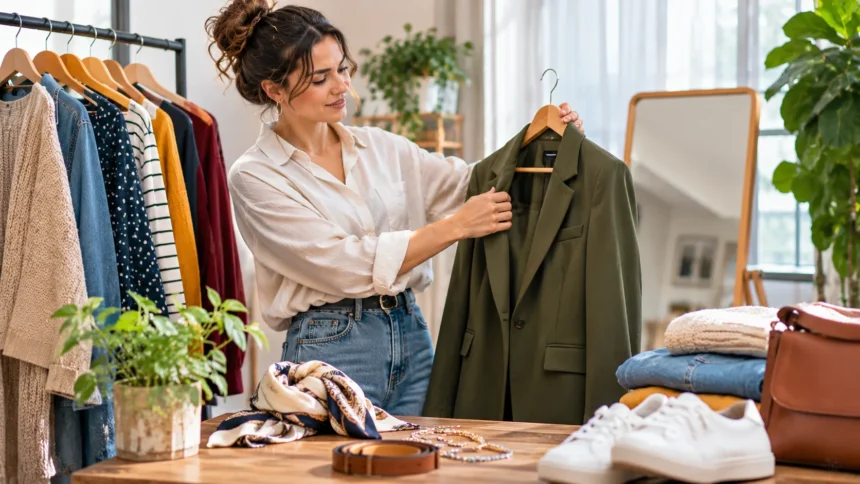
Pair old jeans with a structured blazer and a plain top for a smart-casual combination. For everyday activities, choose a comfortable sweater or lightweight shirt. Changing footwear and accessories can also influence the outfit’s appearance. These ideas allow one pair of jeans to work with several clothing styles.
Before making permanent changes to denim, check whether the garment still fits comfortably. Minor hem adjustments or professional repairs may improve its usefulness. Avoid cutting or distressing jeans without considering how the fabric may behave afterward. Thoughtful updates help preserve durability while allowing personal expression.
Update Old Dresses Without Buying New Ones
An older dress can feel different when styled with new combinations of existing wardrobe pieces. Many dresses work for multiple occasions depending on accessories, outerwear, and footwear. Rather than keeping a garment for one specific event, explore how it could fit other settings. This can make occasion clothing more useful.
For daytime activities, pair a simple dress with a cardigan and comfortable shoes. A blazer or structured jacket can create a more polished appearance when appropriate. During cooler weather, suitable layering pieces may provide additional comfort. These combinations help adapt familiar clothing to different temperatures and social settings.
You can also experiment with scarves, bags, or jewelry already in your collection. Choose accessories that complement the dress without making the outfit uncomfortable or impractical. If a dress needs minor alterations, consider whether professional tailoring would improve its usefulness. Simple styling changes may be enough to make an older favorite appealing again.
Make Old Sweaters and Knitwear Look Fresh
Sweaters and knitwear may lose some of their original appearance after repeated wear and washing. Pilling, stretching, and improper storage can affect how these garments look. However, many pieces remain useful when their fibers and seams are still in good condition. Appropriate care and styling can help refresh them.
Start by reviewing the care label and checking the garment for damage. Gently remove suitable surface pilling and address loose threads when practical. Avoid aggressive brushing or pulling because delicate knitwear can snag easily. Proper maintenance helps preserve texture without creating additional wear.
For styling, combine an older sweater with tailored trousers, jeans, or a comfortable skirt. A collared shirt underneath can create a layered appearance when the fit allows it. Cardigans can also be worn over simple tops or dresses. These combinations make familiar knitwear useful across different outfits and occasions.
Use Layering to Transform Familiar Outfits
Layering provides one of the simplest ways to refresh old clothing without making permanent changes. Combining garments of different weights, colors, and textures can create new appearances from familiar pieces. A basic top may look different beneath a blazer, cardigan, or lightweight jacket. Layering also helps adapt clothing to changing temperatures.
Start with comfortable combinations that allow natural movement. For example, pair a simple shirt with an open cardigan and relaxed trousers. Another option is wearing a lightweight sweater over a collared shirt. The goal is to create practical outfits rather than adding unnecessary layers.
Experiment with garments that have different lengths or textures when they work comfortably together. A longer shirt beneath a shorter jacket may create an interesting visual effect. However, there is no requirement to follow a particular silhouette or styling formula. Choose combinations that reflect your preferences and suit the weather.
Refresh Old Clothes With Accessories You Already Own
Accessories can help familiar clothing combinations feel more varied without requiring new garments. Scarves, belts, bags, watches, and jewelry offer different ways to personalize outfits. Their usefulness depends on your activities and individual style. Even small changes can make repeated clothing combinations feel more intentional.
Try pairing a plain shirt and trousers with a scarf or belt already in your wardrobe. A different bag may also change how an outfit feels for work or casual outings. Accessories can add color, texture, or practical function. The best choices are those you enjoy wearing comfortably.
Organize accessories where they remain easy to see and use. Forgotten items may provide useful styling opportunities when rediscovered. Before shopping for something new, experiment with several combinations using what you already have. This approach encourages creativity and reduces the pressure to purchase new fashion items.
Try Simple Clothing Alterations for a Better Fit
Clothing alterations can improve comfort and usefulness when older garments no longer fit as intended. Common changes include adjusting hems, replacing elastic, or modifying certain seams. These improvements may help a garment work better for everyday activities. However, not every piece can be altered easily or affordably.
Start by identifying which parts of the garment need adjustment. A pair of trousers may require a shorter hem, while a jacket might need a minor sleeve alteration. Consider the fabric, construction, and potential cost before making changes. Some garments require specialized tailoring because their structure is difficult to modify.
Professional alterations may be worthwhile for clothing you enjoy and expect to wear regularly. However, extensive changes can sometimes cost more than the garment’s practical value. Choose modifications that improve comfort and function rather than following restrictive appearance rules. A successful alteration should make the clothing easier and more enjoyable to wear.
Explore Easy DIY Clothing Updates
DIY clothing updates allow you to personalize garments while developing practical creative skills. Simple projects may involve decorative patches, replacing buttons, or adding suitable trims. These changes can refresh clothing that remains structurally sound. Starting with manageable ideas helps reduce the risk of damaging useful garments.
Choose a project based on the material and construction of the clothing. A plain denim jacket might work with removable decorative patches, while a cardigan could benefit from replacement buttons. Test changes on less visible areas when appropriate. Avoid complicated modifications without understanding how they may affect fit or durability.
Not every garment needs a visible transformation to feel refreshed. Sometimes, a small practical improvement is more useful than an elaborate design. Consider whether the update matches your personal preferences and everyday needs. Creative projects should remain enjoyable rather than becoming expensive or unnecessarily complicated.
Refresh Faded Clothing Without Damaging Fabric
Fabric colors can change over time because of washing, sunlight, friction, and normal wear. Some fading is part of a garment’s natural appearance and does not require correction. However, uneven discoloration may make certain pieces less appealing. Understanding the fabric composition helps determine whether restoration is practical.
Start by cleaning the garment according to its care instructions and assessing its condition afterward. Sometimes, residue or improper washing contributes to a dull appearance. If you are considering fabric dye, confirm that the material is compatible with the product. Follow safety instructions carefully and avoid mixing unfamiliar chemicals.
Dyeing may produce unpredictable results on blended fabrics, decorative stitching, or garments with uneven wear. It can also change the color of trims and other components. For valuable or delicate clothing, professional advice may be preferable. Accepting some natural fading can also be a practical choice when the garment remains comfortable and useful.
Turn Older Clothing Into Casual Everyday Outfits
Casual outfit planning is a practical way to make old clothes feel useful again. Everyday combinations do not need complicated styling or expensive accessories. Comfortable jeans, simple tops, relaxed trousers, and lightweight layers can create many different looks. The goal is finding combinations that suit your routine.
For a relaxed outfit, combine an older T-shirt with comfortable trousers and a casual jacket. Another option is pairing jeans with a familiar sweater and suitable shoes. You can rotate layers depending on the season. These small changes help avoid wearing exactly the same combination every day.
Try preparing several casual outfits using pieces already available in your closet. Photographing combinations can make future outfit planning easier. You may discover that garments you rarely wear work well with familiar favorites. Repeating successful combinations is practical and does not reduce their usefulness or style.
Create Smart-Casual Looks From Old Wardrobe Pieces
Smart-casual dressing often combines relaxed clothing with slightly more structured garments. This makes it a useful approach for refreshing old clothes without buying separate outfits. A blazer, tailored trousers, or button-down shirt can change the appearance of everyday basics. The right combination depends on the occasion and dress expectations.
For example, pair an older blazer with comfortable jeans and a plain shirt. A simple sweater with tailored trousers can also work for informal meetings or social gatherings. Choose footwear that suits the activity and feels comfortable. These combinations provide flexibility without requiring a completely different wardrobe.
You can also reuse familiar dresses with cardigans, jackets, or practical accessories. Focus on clean, well-maintained clothing and comfortable movement. There is no need to follow strict rules about colors or proportions. Thoughtful coordination allows existing garments to work across several settings.
Organize Your Closet to Make Old Clothes Easier to Wear
Closet organization can help refresh your wardrobe by making existing clothing easier to find. When garments remain hidden or crowded together, they may be forgotten for long periods. A clear arrangement helps you recognize available outfit options. It also reduces unnecessary purchases caused by overlooking items you already own.
Group clothing by category, season, or another method that fits your routine. Keep frequently used garments accessible and store seasonal pieces appropriately. Avoid overcrowding hangers or drawers because this can create wrinkles and make items difficult to locate. Suitable storage helps maintain clothing condition.
Consider placing complete outfit combinations together when you need quick dressing options. You can also keep photographs of outfits for future reference. These simple habits reduce the time spent searching for clothing. A well-organized wardrobe encourages repeated use and makes everyday styling more convenient.
Know When Old Clothes Need Repair or Replacement
Refreshing clothing is worthwhile when the garment remains safe, comfortable, and practical to use. However, not every piece can be restored successfully. Extensive fabric deterioration, severe stretching, or difficult damage may limit repair options. Evaluating the condition honestly helps avoid spending unnecessary resources on unsuitable projects.
Check whether repairs would restore meaningful function or only provide a temporary improvement. Replacing a missing button may be straightforward, while rebuilding a damaged garment can be complicated. Consider professional repair costs when deciding what to keep. Some worn clothing may be better suited to responsible textile recycling when suitable options exist.
There is no need to keep every garment indefinitely simply because it once belonged in your wardrobe. Clothing should remain useful and comfortable for your needs. When an item no longer serves its purpose, consider donation if it is clean and wearable. Thoughtful decisions help maintain a functional wardrobe without unnecessary accumulation.
Build Long-Term Habits That Keep Clothes Looking Fresh
Maintaining clothes consistently can reduce the need for major wardrobe updates. Proper washing, storage, and timely repairs help preserve garment condition. Different fabrics require different care routines, so always check manufacturer instructions. Small maintenance habits can protect clothing from avoidable damage.
Avoid unnecessary washing when a garment does not require it, while maintaining appropriate hygiene. Spot cleaning may be suitable for certain minor marks when the care label allows it. Store delicate knitwear carefully and address loose seams before they worsen. These practices can help extend clothing usefulness.
Regular wardrobe reviews also support better shopping decisions and creative outfit planning. Take time to explore new combinations before assuming you need additional garments. Repair useful pieces when practical and choose future purchases thoughtfully. Consistent care makes refreshing old clothes a natural part of everyday wardrobe management.
Conclusion
Learning how to refresh old clothes begins with recognizing the value of garments you already own. Simple cleaning, minor repairs, thoughtful alterations, and creative styling can improve their appearance and usefulness. Many clothing updates require little additional spending. A careful wardrobe review helps identify which pieces deserve attention.
Layering, accessories, and new outfit combinations provide easy ways to make familiar clothing feel different. Old jeans, shirts, sweaters, and dresses can often work for several occasions with small styling adjustments. Proper maintenance also helps preserve fabric quality and comfort. These habits encourage creativity without requiring constant purchases.
Refreshing your wardrobe should be an enjoyable process that supports your personal preferences and daily routine. Choose practical updates, avoid unnecessary changes, and recognize when repair or replacement makes sense. By caring for existing garments and exploring different combinations, you can create a more versatile wardrobe. Thoughtful clothing habits help make everyday dressing simpler and more rewarding.
Frequently Asked Questions
How Can I Make Old Clothes Look New Again?
Clean garments according to their care labels, remove suitable fabric pilling, repair minor damage, and press them appropriately. Simple styling changes can also refresh their appearance without permanent alterations.
What Is the Easiest Way to Refresh Old Clothes?
Start by washing and organizing existing garments, then create different outfits using familiar pieces. Changing layers, accessories, and clothing combinations is an easy approach that requires little additional spending.
Can You Refresh Faded Clothes at Home?
Some faded garments may benefit from proper cleaning or compatible fabric dye. However, results depend on material composition, previous wear, and care instructions, so restoration is not always possible.
How Can I Restyle Old Clothes Without Sewing?
Experiment with layering, accessories, different footwear, and new outfit combinations. Pair casual garments with structured pieces or reuse familiar clothing for different occasions without making permanent changes.
Is It Better to Repair Old Clothes or Buy New Ones?
Repairing is often worthwhile when damage is minor and the garment remains comfortable and useful. Replacement may be more practical when fabric deterioration is extensive or repairs are difficult and costly.