
Choosing between linen and cotton can feel confusing, especially when both fabrics are popular for comfortable everyday clothing. These natural materials appear in shirts, trousers, dresses, bedding, and many other products. However, they differ in texture, breathability, durability, maintenance, and price. Understanding these differences can help you choose clothing that suits your lifestyle and personal preferences.
When comparing linen versus cotton, neither fabric is automatically better for every situation. Linen is often appreciated for its airy texture and relaxed appearance, while cotton is known for softness and versatility. This guide explains their main differences, practical benefits, and care requirements. You will also learn simple ways to introduce these fabrics into your wardrobe.
What Is the Difference Between Linen and Cotton?
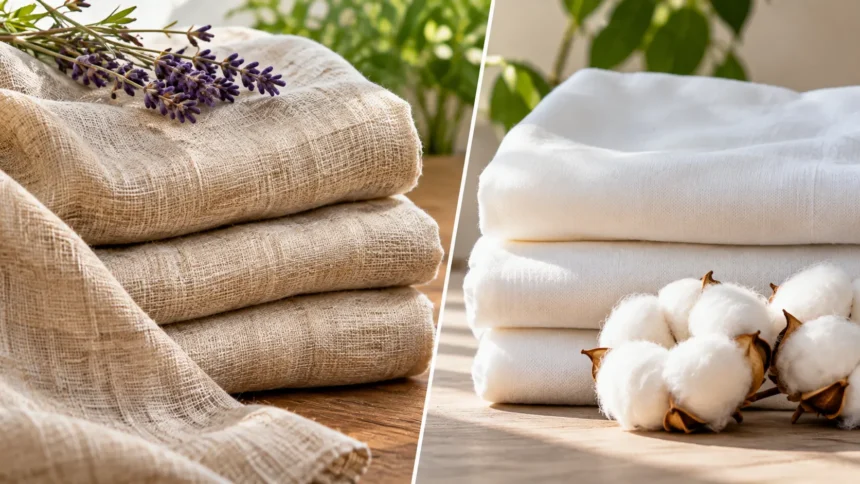
Linen and cotton are natural fabrics made from different plant fibers. Linen comes from the flax plant, while cotton is produced using the soft fibers surrounding cotton plant seeds. Both materials have been used for clothing and household textiles for centuries. However, their different fiber structures influence how they feel, perform, and respond to everyday use.
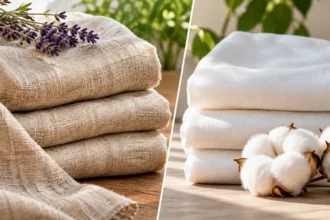
Linen generally has a slightly textured surface and a crisp feeling, especially when it is new. Cotton often feels softer and smoother, although its texture depends on the weave and manufacturing process. Linen typically wrinkles more visibly, while many cotton fabrics offer a more familiar everyday appearance. These characteristics make each material suitable for different clothing styles.
The best choice depends on what matters most to you. Someone looking for breathable summer clothing may appreciate lightweight linen, while another person may prefer soft cotton for everyday T-shirts. Fabric construction also plays an important role in comfort and performance. Comparing individual garments is often more useful than assuming every linen or cotton product feels the same.
How Linen and Cotton Fabrics Are Made
Linen production begins with flax plants, which are grown for their long fibers. After harvesting, the plants undergo processing to separate useful fibers from their stems. These fibers are then cleaned, spun into yarn, and woven or knitted into fabric. The preparation process can be labor-intensive, which contributes to the price of certain linen products.
Cotton production follows a different process because its fibers grow around the seeds of the cotton plant. After harvesting, the fibers are separated from the seeds through a process called ginning. Manufacturers then clean and spin the cotton into yarn before creating different fabrics. Cotton can be processed into lightweight shirts, soft jersey, denim, and many other textile products.
Both materials may undergo additional processing to improve their appearance, texture, or performance. Bleaching, dyeing, washing, and finishing treatments can influence how the final garment feels against the skin. Some manufacturers also blend linen and cotton to combine their characteristics. Understanding these production differences helps explain why products made from the same natural fiber can vary considerably.
Linen vs. Cotton: Which Fabric Feels More Comfortable?
Comfort is one of the biggest considerations when choosing between linen and cotton clothing. Cotton is often preferred for its naturally soft feel, especially in lightweight knitted garments. Many cotton T-shirts, sleepwear items, and casual shirts feel comfortable immediately. However, softness also depends on fiber quality, fabric construction, and any finishing treatments used during manufacturing.
Linen usually feels firmer and more textured when it is new. Over time, repeated washing and regular wear can make many linen garments feel softer and more relaxed. This gradual change is one reason some people enjoy linen clothing. However, individuals who prefer exceptionally smooth fabrics may find certain coarse linen weaves less comfortable against sensitive skin.
Personal preference plays an important role in deciding which material feels better. A loose linen shirt may provide excellent comfort during warm weather, while a soft cotton shirt may feel more familiar during everyday activities. Fit, seams, thickness, and fabric finish also affect the experience. Trying both materials can help you recognize which textures and styles suit your needs.
Which Is Better for Hot Weather: Linen or Cotton?
Both linen and cotton can be comfortable choices for warm-weather clothing. Linen is particularly popular because its relatively stiff fibers often help loose garments maintain an airy structure. Lightweight linen fabrics can encourage ventilation around the body. This makes linen shirts, trousers, and dresses useful options during hot days when comfort and airflow are important.
Cotton also allows air to move through many of its fabric constructions, making it suitable for summer clothing. Lightweight cotton poplin, voile, and breathable jersey can feel comfortable in warm conditions. However, thick cotton garments may trap more warmth than lighter alternatives. The fabric’s weave, thickness, and fit can influence comfort as much as the fiber itself.
For hot and humid conditions, loose-fitting linen can be an appealing choice because it often dries relatively quickly and allows airflow. Cotton can also work well, particularly when the garment is lightweight and not restrictive. Neither fabric guarantees comfort in every climate. Choosing an appropriate fabric weight and comfortable fit is often more important than following a single rule.
How Linen and Cotton Handle Moisture and Sweat
Linen and cotton are both absorbent fibers, meaning they can take in moisture from the surrounding environment. This quality can make them comfortable for everyday clothing and household textiles. However, moisture absorption does not automatically mean a fabric will feel dry during intense physical activity. Drying speed and fabric construction also influence how moisture behaves.
Linen often releases moisture and dries relatively quickly compared with many heavier cotton fabrics. This characteristic can make lightweight linen garments appealing during warm weather. Cotton can absorb substantial amounts of moisture, but some cotton materials remain damp for longer periods. The difference becomes particularly noticeable when comparing fabrics with different thicknesses or tightly constructed weaves.
For everyday wear, both materials can provide a comfortable experience when selected appropriately. However, neither is always ideal for prolonged, sweat-intensive exercise, where specialized moisture-managing fabrics may be more practical. Consider your activities and local climate before choosing. A breathable everyday shirt and a dedicated workout garment may require different performance characteristics.
Is Linen More Durable Than Cotton?
Durability is another important factor in the linen versus cotton comparison. Linen fibers are generally strong and can produce long-lasting fabrics when properly manufactured and maintained. They also have relatively low elasticity, which helps explain linen’s tendency to crease. However, the strength of individual fibers does not guarantee that every linen garment will last longer than cotton.
Cotton can also be highly durable, particularly when manufacturers use suitable fibers, strong yarns, and sturdy fabric construction. Heavy cotton canvas and denim demonstrate how resistant certain cotton materials can be during regular use. Lightweight cotton fabrics may wear differently because they contain less material. Stitching quality, abrasion, and washing habits all influence garment lifespan.
When comparing two garments, inspect their construction rather than relying entirely on their fiber labels. Look at seam quality, fabric density, and areas likely to experience repeated friction. A carefully made cotton shirt may outlast a poorly constructed linen alternative. Investing in suitable clothing and maintaining it properly usually matters more than choosing one material based on durability claims alone.
Why Does Linen Wrinkle More Than Cotton?
Linen is well known for developing visible wrinkles during normal movement and wear. Its fibers have limited elasticity, meaning they do not easily return to their original shape after bending. As a result, sitting, folding, or moving can create noticeable creases. Many people consider this naturally relaxed appearance part of linen’s distinctive style and appeal.
Cotton also wrinkles, but the amount depends on its construction, finishing treatments, and fiber characteristics. Some cotton shirts crease significantly, while certain treated fabrics resist wrinkles more effectively. Cotton knitwear often develops less noticeable creasing than crisp woven cotton. Therefore, choosing cotton does not automatically eliminate the need for ironing or careful garment storage.
If you prefer a polished appearance, consider how much maintenance you are comfortable performing. Linen garments may require steaming or ironing when a smooth finish is desired. Alternatively, you can embrace their relaxed texture for casual outfits. Cotton provides additional options for people who prefer softer folds or a more structured appearance, depending on the fabric.
How to Wash and Care for Linen and Cotton
Proper washing can help linen and cotton clothing maintain their appearance and comfort. Always check the care label before cleaning because manufacturers may recommend different treatments for particular garments. Many washable linen and cotton items can be cleaned using cool or warm water. Gentle washing and appropriate detergent can help reduce unnecessary wear during regular laundering.
Linen benefits from careful handling, particularly when the fabric is lightweight or contains delicate stitching. Avoid excessive twisting and follow the manufacturer’s drying instructions to help preserve its shape. Cotton garments may tolerate different washing conditions, but high heat can still cause shrinkage or damage certain finishes. Washing similar colors together also helps reduce unwanted color transfer.
Air drying can be a practical option for both materials when the garment’s care label permits it. If machine drying is suitable, avoid unnecessary high heat and remove clothing before excessive drying occurs. Store garments in a clean, dry location to reduce unwanted odors and moisture problems. Consistent care can support longer garment life and reduce the need for frequent replacements.
Linen vs. Cotton: Which Is More Sustainable?
Sustainability is an important consideration when comparing linen and cotton fabrics. Flax cultivation can require relatively limited irrigation in suitable growing regions, particularly where rainfall provides enough moisture. However, environmental outcomes depend on location, farming practices, crop yields, and processing methods. Linen should not automatically be considered environmentally superior without understanding its full production process.
Cotton cultivation also varies significantly across farms and regions. Some producers rely heavily on irrigation, while others grow cotton under rain-fed conditions. Farming practices, pesticide use, soil management, and production efficiency can influence environmental impacts. Organic cotton certification addresses particular agricultural requirements, but it does not guarantee that every environmental measure is better than conventional alternatives.
Manufacturing, dyeing, transportation, clothing care, and disposal also contribute to the environmental footprint of both fabrics. Choosing durable garments that you regularly wear can reduce unnecessary purchases and textile waste. Repairing suitable items and following proper care instructions can further support long-term use. Responsible clothing choices involve evaluating the entire product rather than relying on one natural fiber label.
Why Is Linen Often More Expensive Than Cotton?
Linen clothing frequently costs more than comparable everyday cotton garments. One reason involves the processing required to extract and prepare flax fibers for textile manufacturing. Production methods, finishing requirements, and smaller manufacturing volumes can also influence prices. However, some premium cotton products cost considerably more than basic linen clothing because of differences in quality and branding.
Cotton is widely produced and available in many fabric types, helping manufacturers offer clothing across different price ranges. Basic cotton T-shirts and casual garments are often relatively affordable. However, high-quality cotton varieties, specialized weaves, and detailed construction can increase costs. Price comparisons should therefore consider the finished garment rather than assuming cotton is always inexpensive.
When deciding whether linen is worth the additional expense, think about how often you will wear the item. A comfortable linen shirt used regularly may provide good long-term value. Similarly, a durable cotton garment may be a practical investment for everyday activities. Compare fit, stitching, versatility, care requirements, and expected use before deciding which fabric offers better value.
Easy Ways to Get Started With Linen and Cotton Clothing
The easiest way to explore linen and cotton is to begin with familiar wardrobe essentials. A lightweight linen shirt or a comfortable cotton T-shirt can provide a useful introduction to each fabric. Choose colors that work with clothing you already own. This approach makes it easier to understand their differences without purchasing several unfamiliar pieces at once.
For casual outfits, pair a linen shirt with cotton trousers or combine a cotton top with relaxed linen bottoms. These combinations allow you to enjoy different textures while creating practical everyday outfits. Linen dresses and loose trousers can also work well during warm weather. Cotton shirts, jeans, and knitwear offer additional options for different seasons and occasions.
Before purchasing, check the garment’s fabric composition, sizing information, and care instructions. Some products marketed as linen contain blends that behave differently from pure linen. Try the garment when possible to evaluate its texture and movement. Starting with one useful piece at a time helps you build a wardrobe based on comfort, personal style, and practical needs.
Conclusion
The linen versus cotton comparison highlights two natural fabrics with different strengths and everyday uses. Linen offers a distinctive texture, an airy appearance, and useful warm-weather qualities. Cotton provides softness, versatility, and a wide range of fabric constructions. Neither material is automatically superior because comfort and performance depend on garment quality, individual preferences, and intended use.
When choosing between these fabrics, consider breathability, moisture handling, durability, maintenance, and price. Linen may appeal to people who enjoy relaxed clothing and natural creases, while cotton can suit those seeking familiar softness and flexible styling options. Both require appropriate care to maintain their appearance. Evaluating individual garments can help you make more informed decisions.
Getting started does not require replacing your existing wardrobe or purchasing expensive clothing. Begin with a practical linen or cotton item and see how it performs during regular wear. Focus on comfortable fits, useful designs, and quality construction. With thoughtful choices, both fabrics can become valuable parts of a versatile and easy-to-maintain wardrobe.
Frequently Asked Questions
Is linen better than cotton for summer?
Linen is often preferred for hot weather because lightweight, loose-fitting linen garments allow good airflow and can dry relatively quickly. However, breathable cotton fabrics can also provide comfortable summer clothing.
Which fabric is softer, linen or cotton?
Cotton often feels softer immediately, particularly in knitted garments. Linen usually has a firmer, slightly textured feel when new, although many linen fabrics become softer with washing and regular use.
Does linen shrink more than cotton?
Both linen and cotton can shrink, especially when exposed to unsuitable washing or drying conditions. Shrinkage depends on fabric construction and manufacturing treatments, so always follow the garment’s care instructions.
Is linen more expensive than cotton?
Linen is often more expensive because flax fiber extraction and textile processing can involve additional production costs. However, premium cotton clothing may cost more than basic linen garments depending on quality and manufacturing.
Can you wear linen and cotton together?
Yes, linen and cotton work well together in everyday outfits. Combining a linen shirt with cotton trousers or a cotton top with linen bottoms creates comfortable clothing combinations with different textures.