
Fashion trends change constantly, bringing new colors, fabrics, silhouettes, and styling ideas into everyday wardrobes. Some styles become popular almost overnight, while others develop gradually over several seasons. Understanding these changes can help shoppers, designers, and fashion enthusiasts make thoughtful clothing choices. This is where fashion trend forecasting becomes especially useful.
Fashion trend forecasting is the process of identifying and predicting upcoming clothing styles, colors, materials, and consumer preferences. Fashion professionals study cultural movements, runway collections, social media, and shopping behavior to understand what people may want to wear next. These insights help brands plan collections and give individuals fresh styling inspiration.
This guide explains how fashion trend forecasting works and how to apply emerging styles to everyday outfits. You will learn about trend research, seasonal colors, popular silhouettes, wardrobe planning, and practical styling techniques. Whether you love experimenting with fashion or prefer timeless clothing, understanding trends can help you develop a personal style that feels comfortable and authentic.
What Is Fashion Trend Forecasting?
Fashion trend forecasting is the practice of researching and predicting changes in clothing, accessories, colors, and consumer preferences. It helps fashion brands understand which styles may become popular in upcoming seasons. Forecasters study different sources of information to identify developing patterns. Their findings support decisions involving design, product development, merchandising, and marketing.
Fashion forecasting involves more than guessing which clothes will become fashionable. Professionals analyze cultural influences, shopping habits, runway presentations, and emerging design ideas. They also examine changes in technology, lifestyles, and consumer values. Combining these observations helps them identify potential trends before those styles become widely available.
For everyday fashion enthusiasts, trend forecasting offers a way to explore new ideas without following every passing trend. It can highlight interesting colors, outfit combinations, and clothing details worth considering. However, predictions are not guarantees of future popularity. The most useful approach is to treat trends as inspiration rather than strict rules for dressing.
How Does Fashion Trend Forecasting Work?
Fashion trend forecasting begins with researching signals that suggest changing consumer interests. These signals may appear in designer collections, street fashion, social platforms, music, art, and popular culture. Forecasters compare information from different sources to identify recurring themes. A pattern appearing across several areas may indicate a developing fashion movement.
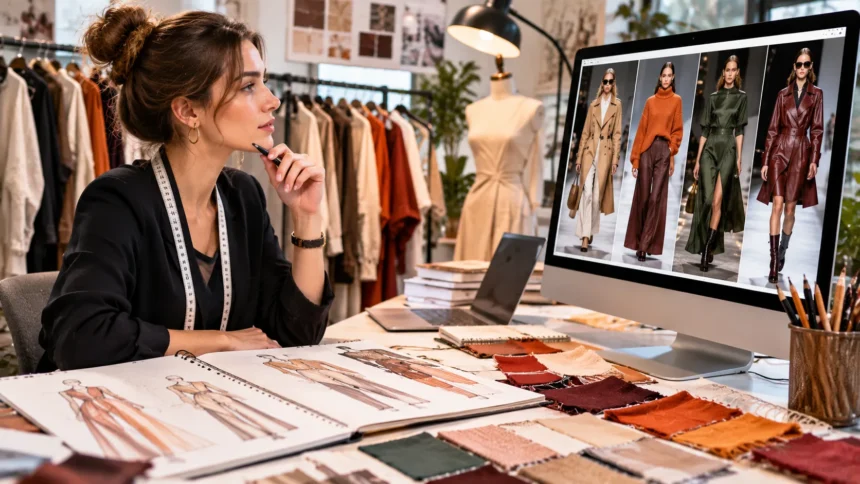
The next step involves interpreting the information and organizing possible trends into clear categories. These categories may include seasonal color palettes, fabric choices, garment shapes, and styling details. Forecasters often create visual mood boards to communicate their ideas. Fashion designers and retailers can then use these insights when planning future collections.
Forecasting continues as new information becomes available. Brands may compare predicted styles with customer feedback, sales performance, and broader market changes. Some trends grow beyond expectations, while others remain limited to particular communities. This process helps fashion professionals refine their decisions instead of relying entirely on early predictions.
Why Fashion Trend Forecasting Matters
Fashion trend forecasting helps businesses prepare clothing collections that reflect changing customer interests. Designers often begin planning products long before they appear in stores. Understanding possible future demand can guide decisions about fabrics, colors, and product quantities. This preparation may reduce uncertainty during collection development.
Retailers also use forecasting to make purchasing and merchandising decisions. They can examine emerging styles and decide which products fit their customers’ preferences. Accurate forecasting may improve inventory planning and reduce unnecessary stock. However, businesses must still consider pricing, local demand, and the possibility that trends will change.
For individuals, trend forecasting can make shopping more intentional and creative. Knowing which styles are emerging allows people to explore new combinations using clothes they already own. It can also help shoppers recognize which pieces may complement their existing wardrobes. Fashion becomes more enjoyable when trends support personal preferences rather than replace them.
Short-Term and Long-Term Fashion Trends
Fashion forecasters often distinguish between short-term trends and long-term style movements. Short-term trends may gain popularity quickly through social media, celebrities, or viral content. They can influence particular colors, accessories, or outfit combinations for a limited period. Their popularity may also decline as consumers move toward new ideas.
Long-term trends develop more gradually and may influence fashion for several years. Examples include growing interest in comfortable clothing, versatile wardrobes, and practical garment designs. These movements can affect how designers create products across multiple seasons. They often reflect broader changes in everyday lifestyles and consumer expectations.
Understanding the difference helps people decide which trends are worth exploring. A temporary accessory trend may be enjoyable without requiring a major wardrobe change. Longer-lasting movements can guide more considered purchases when they suit personal needs. Neither category is automatically better, and individual style preferences remain important.
How Social Media Influences Fashion Forecasting
Social media platforms have become important sources of information for fashion trend forecasting. People share outfit ideas, clothing reviews, shopping experiences, and styling experiments through digital content. These activities can reveal emerging interests across different communities. Fashion professionals study recurring patterns to understand how preferences may be changing.
Platforms such as Instagram, TikTok, and Pinterest can introduce styles to large audiences quickly. A particular color combination or accessory may become widely discussed after appearing in popular posts. However, online visibility does not always represent actual purchasing demand. Forecasters must distinguish temporary attention from sustained consumer interest.
Social media also allows individuals to participate more directly in fashion conversations. Instead of relying only on runway collections, people can discover styling ideas from different cultures and communities. This creates a wider range of fashion inspiration. However, trends should be explored critically because popularity alone does not determine whether a style suits someone.
Runway Collections and Fashion Predictions
Fashion runway shows provide useful information about the creative direction of designers and fashion houses. Collections introduce new interpretations of fabrics, colors, silhouettes, and styling techniques. Forecasters examine these presentations to identify ideas appearing across multiple designers. Repeated themes may influence future retail collections and consumer fashion.
Runway clothing is often designed to communicate creative concepts rather than serve as an exact everyday outfit. Dramatic proportions, unusual accessories, and experimental combinations may appear in presentations. Retail brands often adapt selected elements into more practical products. This process helps translate designer ideas into clothing suitable for different lifestyles.
Fashion enthusiasts can use runway trends as inspiration without copying complete outfits. A collection featuring textured fabrics might inspire a simple jacket or accessory choice. An interesting color combination could be recreated with existing wardrobe pieces. The goal is to identify wearable details that fit individual preferences and everyday activities.
Fashion Color Forecasting and Seasonal Palettes
Color forecasting is an important part of understanding future fashion trends. Designers and researchers examine cultural influences, consumer behavior, and creative movements to predict emerging color preferences. These predictions can shape clothing collections, accessories, and retail displays. However, popular colors vary across regions, seasons, and customer groups.
Seasonal palettes often reflect different moods and design approaches. Spring collections may include fresh shades and lighter combinations, while autumn designs frequently explore deeper or earth-inspired colors. These patterns are not fixed rules, and unexpected colors can become popular at any time. Personal preference should remain central when choosing clothing colors.
Trying a forecasted color does not require replacing your wardrobe. Start with a scarf, shirt, bag, or another item that complements clothes you already wear. Neutral pieces can make experimenting with unfamiliar shades easier. Choosing colors you genuinely enjoy helps create outfits that remain useful beyond a single season.
Fabric and Texture Trends in Fashion
Fabric forecasting examines which materials and textures may become more popular in upcoming collections. Designers consider appearance, comfort, durability, seasonal suitability, and manufacturing possibilities. Materials such as denim, linen, cotton, knitwear, and technical fabrics offer different benefits. Their popularity changes according to consumer preferences and design trends.
Texture can also influence the overall appearance of an outfit. Smooth fabrics create a different impression from ribbed knits, textured jackets, or structured denim. Combining contrasting materials can add visual interest without requiring complicated styling. For example, a simple cotton shirt can work well with a textured cardigan or tailored jacket.
When exploring fabric trends, consider how clothing feels and performs during everyday use. Some materials require special washing, while others need regular ironing or careful storage. Comfortable, practical fabrics often provide greater long-term value. A trend is most useful when the garment also meets your lifestyle and maintenance preferences.
Silhouette Trends and Clothing Shapes
Silhouettes describe the overall outline and proportions of clothing. Fashion forecasting often identifies changes in jacket lengths, trouser shapes, dress structures, and layering styles. Designers may experiment with relaxed tailoring, structured garments, or flowing shapes. These changes influence how different pieces are combined into complete outfits.
One advantage of exploring silhouette trends is the opportunity to create variety through proportions. For example, a relaxed shirt can be paired with straight trousers for a balanced casual outfit. A structured jacket may provide contrast when worn over softer clothing. These combinations allow people to experiment without following restrictive appearance rules.
The best silhouette choices depend on comfort, movement, and personal preference. Clothing should support everyday activities rather than create unnecessary discomfort. Trying different shapes can help individuals discover combinations they enjoy wearing. Fashion trends provide possibilities, but there is no single correct silhouette for every person.
How to Wear Fashion Trends in Everyday Outfits
The easiest way to explore fashion trends is by introducing one new element into a familiar outfit. This might be a seasonal color, interesting accessory, or different fabric texture. Keeping the remaining pieces simple allows the new detail to stand out. It also makes experimentation feel manageable rather than overwhelming.
For example, someone who regularly wears jeans and casual shirts could try a trending jacket or patterned scarf. A person who prefers dresses might experiment with a different layering piece or comfortable footwear. These small changes can refresh familiar combinations. There is no need to purchase an entirely new outfit for every trend.
Personal comfort should guide every styling decision. A trend may look interesting online but feel impractical for everyday activities. Consider the weather, occasion, and clothing you already own before trying something new. Fashion works best when emerging ideas complement your lifestyle and allow you to express yourself naturally.
Mixing Trendy Pieces With Timeless Clothing
Timeless clothing provides a useful foundation for experimenting with fashion trends. Simple shirts, comfortable trousers, versatile jackets, and classic footwear can work across different seasons. These pieces are easy to combine with changing accessories and statement garments. Building around familiar essentials can make wardrobe planning more flexible.
A trendy accessory can refresh a straightforward outfit without making it overly complicated. For example, a colorful bag may complement a neutral shirt and trousers. A patterned overshirt can add interest to a basic casual combination. These approaches allow individuals to explore current styles while continuing to wear their favorite clothes.
Mixing classic and trend-focused pieces can also reduce unnecessary shopping. Instead of replacing entire outfits, consider how one new item might work with several existing combinations. This encourages creativity and practical decision-making. A flexible wardrobe allows trends to come and go without requiring constant purchases.
How to Build a Trend-Aware Wardrobe
Building a trend-aware wardrobe begins with reviewing the clothes you already own. Identify frequently worn pieces, comfortable fabrics, and combinations that suit your daily activities. This creates a clearer understanding of what is genuinely useful. It also helps prevent purchases that do not work with your existing clothing.
Next, explore emerging fashion trends and choose ideas that match your preferences. You might discover a new color, interesting knitwear style, or versatile jacket design. Consider how each item could be worn across different occasions. Pieces that support multiple combinations often provide more practical value than highly specific purchases.
A wardrobe does not need to follow every seasonal forecast. Personal style develops through experimentation, changing interests, and everyday experience. Buying thoughtfully can create space for new ideas without unnecessary spending. The aim is to build clothing options that feel useful and enjoyable rather than constantly chase popularity.
Fashion Trend Forecasting for Different Seasons
Seasonal forecasting helps designers and shoppers prepare for changing weather and clothing needs. Spring and summer collections often prioritize breathable materials, lighter layers, and comfortable warm-weather garments. Autumn and winter may introduce heavier fabrics, knitwear, and protective outerwear. Regional climate differences can influence which seasonal trends are practical.
Layering is an especially useful technique when adapting fashion trends to changing temperatures. Lightweight jackets, cardigans, and overshirts can create different outfits using familiar clothing. Accessories such as scarves and hats may also add seasonal interest. Choosing flexible layers helps maintain comfort throughout the day.
Seasonal trends should be adapted to local weather rather than followed without adjustment. A popular winter coat may not be practical in a region with mild temperatures. Similarly, certain summer fabrics may require additional layers in cooler environments. Understanding seasonal needs helps transform fashion predictions into useful everyday styling choices.
Street Style and Emerging Fashion Movements
Street style reflects how people interpret fashion through everyday clothing. It often combines practical garments, cultural influences, personal preferences, and new design ideas. Fashion forecasters study street style to identify patterns outside traditional runway presentations. These observations can reveal emerging combinations that later influence wider fashion collections.
Different cities and communities contribute unique perspectives to street fashion. Some styles emphasize relaxed clothing and sneakers, while others explore tailored garments, vintage pieces, or expressive accessories. These approaches may overlap as people combine influences. Street style demonstrates that fashion trends develop through many different creative communities.
Individuals can use street style as inspiration for experimenting with familiar wardrobe pieces. Try combining casual and structured garments or mixing different textures. Small changes can create fresh outfits without requiring expensive products. The most interesting combinations often reflect personal creativity rather than copying a specific trend exactly.
Sustainable Fashion and Responsible Trend Choices
Sustainability has become an important topic in fashion forecasting and product development. Many consumers are increasingly interested in garment durability, repairability, and responsible purchasing. Brands may respond by exploring recycled materials, improved production processes, and longer-lasting designs. However, sustainability claims should be evaluated carefully rather than accepted without evidence.
Following trends responsibly can begin with making better use of existing clothing. Restyling familiar pieces, repairing garments, and considering secondhand options can reduce unnecessary purchases. Clothing swaps and thoughtful wardrobe planning also provide opportunities to explore different looks. These approaches allow experimentation without depending entirely on newly produced items.
Responsible fashion does not mean avoiding every new trend or feeling guilty about clothing choices. Instead, it encourages considering quality, usefulness, and personal needs before purchasing. A well-chosen item can remain valuable after its initial popularity fades. Practical decisions support a wardrobe that is enjoyable and easier to maintain.
Fashion Trend Forecasting for Brands and Designers
Fashion brands use trend forecasting to guide decisions about upcoming collections. Research helps designers identify potential color palettes, materials, garment shapes, and customer interests. These insights influence product development before manufacturing begins. Forecasting can therefore support more informed planning across the fashion business.
Designers often combine trend research with their own creative direction. A forecast may suggest increased interest in relaxed tailoring, but different brands can interpret that idea uniquely. Customer preferences, pricing, and brand identity also affect final designs. Successful collections usually balance market understanding with a recognizable creative perspective.
Retailers use similar information when selecting products and planning inventory. However, inaccurate predictions can create unsold stock or missed sales opportunities. Brands should compare forecasts with customer feedback and actual performance data. Continuous evaluation helps businesses respond more effectively to changing demand rather than relying entirely on early assumptions.
Common Mistakes When Following Fashion Trends
One common mistake is assuming that every popular trend must become part of your wardrobe. Fashion trends change frequently, and not every style matches every person’s preferences. Buying clothes only because they are widely promoted can lead to unused items. Selecting trends thoughtfully helps maintain a wardrobe that supports everyday needs.
Another mistake is ignoring comfort and practicality. A fashionable garment may look appealing in photographs but feel inconvenient during normal activities. Weather, workplace requirements, and personal routines should influence clothing choices. Trying garments before purchasing or reviewing fit information can help avoid disappointment.
Some people also copy complete outfits without considering their own style. Inspiration can be useful, but direct imitation is not necessary. Adjusting colors, layers, or accessories creates opportunities for personal expression. Fashion trend forecasting is most valuable when it encourages creativity rather than strict conformity.
How to Develop Your Personal Fashion Style
Developing personal style begins with understanding which clothes make everyday dressing enjoyable. Consider favorite colors, fabrics, silhouettes, and outfit combinations. Looking through your existing wardrobe can reveal patterns in what you wear most often. These observations provide a stronger foundation than following changing trends alone.
Experimentation is an important part of discovering new styling preferences. Try combining familiar garments in different ways or introducing an accessory that feels interesting. Photos of outfits can help you remember combinations worth repeating. There is no need to achieve a fixed style immediately because personal preferences can evolve naturally.
Fashion forecasting can support this process by introducing fresh ideas. Instead of treating predictions as instructions, use them to explore possibilities. Keep the trends that feel useful and ignore those that do not. A confident personal style comes from making clothing choices that reflect your interests, comfort, and daily life.
The Future of Fashion Trend Forecasting
Fashion trend forecasting continues to evolve as technology changes how people discover and purchase clothing. Digital platforms provide researchers with information about emerging interests and consumer behavior. Data analysis tools can help identify patterns across large collections of information. These developments may improve how brands understand changing preferences.
Artificial intelligence is also becoming part of fashion forecasting workflows. AI systems can analyze images, product information, and shopping trends to identify possible patterns. However, automated predictions can miss cultural context or reinforce existing biases. Human creativity and interpretation remain important when evaluating fashion movements.
Future forecasting will likely involve a combination of data analysis, cultural research, and creative experimentation. Brands may use more responsive planning methods as consumer interests change. Individuals will continue influencing trends through everyday styling and online communities. The most useful forecasts will connect emerging ideas with practical clothing needs and genuine personal expression.
Conclusion
Fashion trend forecasting helps explain how clothing styles, colors, fabrics, and consumer preferences develop over time. By studying runway collections, cultural influences, street style, and digital trends, forecasters identify ideas that may shape future fashion. These insights support designers, retailers, and individuals interested in exploring new styles.
Understanding fashion predictions does not mean following every popular look. The most practical approach is to select trends that complement your wardrobe, lifestyle, and personal preferences. Small changes involving accessories, colors, or layering can refresh familiar outfits. Combining new ideas with timeless clothing creates more opportunities for creative styling.
Fashion should remain a flexible form of personal expression rather than a collection of strict rules. Use trend forecasting to discover possibilities, experiment with combinations, and make thoughtful clothing decisions. When emerging styles are adapted to everyday needs, they can become enjoyable additions to a wardrobe that reflects your individuality.
Frequently Asked Questions
What is fashion trend forecasting?
Fashion trend forecasting is the process of researching and predicting upcoming styles, colors, fabrics, and consumer preferences. Designers and retailers use these insights to plan clothing collections, while individuals can use them for styling inspiration.
How do fashion experts predict trends?
Fashion experts study runway collections, street style, cultural movements, consumer behavior, and social media patterns. They compare emerging signals to identify possible changes in clothing preferences and future fashion directions.
How can I follow fashion trends without spending too much?
Start by restyling clothes you already own and experimenting with different combinations. Accessories, secondhand finds, and carefully chosen versatile pieces can introduce new trends without requiring a complete wardrobe replacement.
What is the difference between fashion forecasting and fashion styling?
Fashion forecasting predicts emerging clothing trends and consumer preferences. Fashion styling focuses on selecting and combining garments for individuals, events, or creative projects. Forecasting can inspire styling, but the two activities have different purposes.
Are fashion trends important for personal style?
Fashion trends can provide inspiration, but they are not essential for developing personal style. The most useful trends are those that match your preferences, comfort, lifestyle, and existing wardrobe.