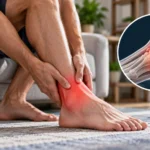


A muscle strain can happen when muscle fibers are overstretched or partially torn during exercise, lifting, sudden movement, or everyday activity. Symptoms can include pain, tenderness, weakness, stiffness, and sometimes swelling or bruising. Recovery time depends on how severe the strain is, which muscle is affected, and how well you manage activity during healing.
There is no instant way to repair injured muscle, but the right approach can support faster and safer recovery. Protecting the area early, gradually restoring movement, eating well, sleeping enough, and progressing back to exercise carefully can all help. Trying to rush the process by stretching aggressively or training through pain may actually delay healing.
Understand How Severe the Muscle Strain Is
Muscle strains are often described as mild, moderate, or severe depending on how much tissue has been injured. A mild strain may involve only a small number of muscle fibers and cause soreness without major weakness. Moderate strains can produce more significant pain, swelling, bruising, and difficulty using the muscle normally.
A severe strain may involve a major tear or complete rupture. People sometimes report feeling or hearing a sudden pop followed by immediate weakness and significant pain. Large bruising, visible changes in muscle shape, or inability to use the affected limb normally can also suggest a more serious injury.
Understanding severity matters because recovery approaches are different. A mild strain may improve with sensible home care and gradual rehabilitation, while a major tear may require imaging, specialist evaluation, or even surgery in some cases. If you are unsure how serious the injury is, professional assessment is safer than guessing.
Reduce Painful Activity During the Early Stage
Immediately after a strain, avoid movements that clearly reproduce sharp pain. Continuing to sprint, lift, jump, or perform the activity that caused the injury may damage additional fibers and increase symptoms. Temporary activity modification gives the injured tissue an opportunity to settle while the early healing process begins.
Complete inactivity is not always necessary for mild strains. Comfortable everyday movement can help maintain circulation and prevent unnecessary stiffness, provided it does not significantly increase pain. The goal is relative rest, meaning you reduce harmful loading while continuing safe movement within a tolerable range.
Listen to how the muscle responds during activity and afterward. If symptoms become noticeably worse later in the day or the following morning, you may have done too much. Reducing the workload early is often more effective than repeatedly pushing the injured muscle and extending the recovery period.
Use Cold or Heat Appropriately
Cold therapy may help reduce pain during the early stage of a muscle strain, particularly when the area feels sore after the injury. Apply a cold pack wrapped in a cloth for short periods rather than placing ice directly against the skin. The goal is comfort, not freezing the tissue for extended periods.
Heat may become more useful later when stiffness or muscle tightness is the main problem. A warm shower, heating pad, or warm compress can make gentle movement feel easier. Avoid excessive heat immediately after an injury if the area is already significantly swollen or feels very warm.
Neither ice nor heat repairs damaged muscle on its own. They are mainly tools for managing symptoms while the body heals. Choose whichever method improves comfort and helps you move appropriately, and avoid relying on temperature treatment as a replacement for gradual rehabilitation and sensible loading.
Start Gentle Movement When Pain Allows
Gentle movement can usually begin once the most painful stage has settled. Move the affected muscle through a comfortable range without forcing the injured area into a strong stretch. Controlled movement helps prevent stiffness and can begin restoring confidence in the muscle without placing excessive stress on healing tissue.
For example, after a mild hamstring strain, you might start with easy knee bending and straightening before progressing to stronger exercises. A calf strain may begin with comfortable ankle movements before loaded calf raises are introduced. Rehabilitation should move from simple movements toward more demanding tasks as symptoms improve.
Pain should guide progression but does not always need to be completely absent. Mild discomfort may sometimes occur during rehabilitation, but sharp or increasing pain suggests the exercise is too difficult. If symptoms remain elevated after the session, reduce the range, resistance, or total number of repetitions.
Avoid Aggressive Stretching Too Early
Stretching an injured muscle aggressively can pull on healing fibers before they are ready for strong tension. Many people assume that tightness means the muscle should be stretched harder, but early stiffness may be the body’s protective response. Forcing flexibility can increase soreness and potentially delay recovery.
Gentle mobility is different from aggressive stretching. Comfortable movement through a pain-free or nearly pain-free range can maintain motion without placing excessive strain on the healing area. Longer stretches can be added gradually once the muscle tolerates basic movement and light strengthening comfortably.
Do not use pain as proof that a stretch is effective. Strong pulling, sharp discomfort, or worsening symptoms after stretching are signs that the intensity may be too high. Flexibility should return gradually alongside strength rather than being forced back immediately after the injury.
Begin Progressive Strengthening
Strengthening is one of the most important parts of muscle strain recovery. As the injured tissue heals, it needs progressively greater loads to rebuild strength and prepare for normal activity. Starting with very light resistance allows you to challenge the muscle without immediately recreating the demands that caused the strain.
Isometric exercises, where the muscle produces force without significant joint movement, can sometimes be useful early in rehabilitation. Later, controlled shortening and lengthening exercises can be introduced. Resistance can then increase gradually as the muscle becomes stronger and everyday movements become comfortable.
Progress one variable at a time whenever possible. You might add a few repetitions before increasing resistance or increase range of motion before returning to faster movements. Slow progression allows the muscle to adapt while giving you clear feedback about what level of training it currently tolerates.
Support Recovery With Protein and Balanced Nutrition
Muscle repair requires adequate energy and nutrients. Protein provides amino acids that the body uses to rebuild damaged muscle tissue, so include appropriate protein sources throughout the day. Eggs, dairy, fish, poultry, beans, lentils, tofu, and other foods can all contribute depending on your dietary preferences.
Carbohydrates are also useful because they provide energy for daily activity and rehabilitation exercises. Fruits, vegetables, whole grains, and other minimally processed foods supply vitamins, minerals, fiber, and carbohydrates that support overall recovery. Extremely restrictive diets may make it harder to meet the body’s nutritional demands during healing.
No single supplement or food can dramatically accelerate tissue repair. A consistent, balanced diet matters more than relying on one recovery product. If you have medical conditions or specific nutrition concerns, a qualified healthcare professional or dietitian can provide advice suited to your individual needs.
Prioritize Sleep and Recovery
Sleep plays an important role in physical recovery because many repair processes occur while the body rests. Poor sleep can affect pain sensitivity, energy, mood, and training performance. Aim for a regular sleep schedule and enough rest to feel recovered rather than trying to compensate with harder rehabilitation sessions.
Stress can also influence recovery indirectly. High stress may disrupt sleep, increase muscle tension, and make it harder to follow a consistent rehabilitation plan. Simple strategies such as walking, relaxation exercises, breathing techniques, and maintaining a regular routine may support both physical and mental recovery.
Rest does not mean avoiding all exercise until every symptom disappears. Instead, balance rehabilitation with enough recovery between harder sessions. If soreness, weakness, or fatigue continues building from one day to the next, the muscle may need more time before the workload increases again.
Know When Pain May Have Another Cause
Not every sudden muscle or joint pain is actually a strain. Pain can come from tendons, ligaments, joints, nerves, circulation problems, or inflammatory conditions. If there was no clear injury or muscle-loading event, consider whether another explanation may be more likely.
Ankle pain, for example, may be mistaken for a strain even when inflammation is coming from conditions such as ankle gout. Sudden severe joint pain, redness, warmth, or extreme tenderness does not follow the usual pattern of a straightforward muscle injury.
Getting the diagnosis right prevents wasted time on ineffective treatment. Repeated stretching and strengthening will not solve every source of pain. If symptoms do not behave like a normal strain or continue worsening despite sensible care, seek medical assessment rather than assuming the muscle simply needs more rehabilitation.
Return to Exercise Gradually
Returning to full training too quickly is one of the easiest ways to aggravate a healing strain. Before resuming intense activity, you should generally be able to perform everyday movements comfortably and complete basic strength exercises without a significant increase in symptoms. Strength should also be reasonably close to the uninjured side when comparison is possible.
Start with lower intensity, shorter sessions, or lighter resistance than you used before the injury. A runner might begin with walking and easy jogging before returning to faster intervals, while a lifter may use reduced loads before heavy sets. Gradually rebuild the specific demands your muscle needs to handle.
Monitor the area for at least the next day after increasing training. If pain or stiffness rises significantly, return to the previous level and allow more adaptation time. A successful return is not defined by completing one hard workout; it means tolerating repeated activity without recurring symptoms.
When Should You See a Healthcare Professional?
Seek medical evaluation if the injury causes severe pain, major bruising, significant swelling, or an obvious change in muscle shape. Inability to bear weight, lift the affected limb, or perform basic movements normally may indicate a more serious tear that needs assessment.
You should also seek guidance when pain continues for several weeks without meaningful improvement. Persistent weakness, numbness, tingling, or symptoms that repeatedly return during rehabilitation may indicate another problem. A physical therapist or doctor can evaluate the injury and recommend a more specific recovery plan.
Urgent assessment may be needed when pain follows a major accident or is accompanied by severe swelling, loss of function, fever, or circulation-related symptoms. Do not assume every painful area is simply a strained muscle. Identifying serious injuries early can prevent complications and unnecessary delays in treatment.
Conclusion
The fastest safe way to recover from a muscle strain is to respect the healing process while gradually restoring movement and strength. Reduce painful activity early, use cold or heat for comfort when appropriate, and begin gentle mobility once symptoms allow. Avoid aggressive stretching or returning immediately to full-intensity exercise.
Nutrition, sleep, stress management, and progressive strengthening can all support recovery. As the muscle improves, gradually increase resistance, range of motion, speed, and activity-specific demands. Consistency usually produces better results than alternating between complete inactivity and overly demanding workouts.
Most mild strains improve with time and appropriate rehabilitation, but severe or unusual symptoms deserve professional assessment. Significant weakness, bruising, swelling, or persistent pain may signal a larger injury or another condition. A careful return to activity can help you rebuild strength while reducing the chance of reinjury.
FAQs
How long does a muscle strain take to heal?
Mild strains may improve within a few weeks, while moderate or severe injuries can take considerably longer. Recovery depends on the muscle involved, severity, treatment, activity demands, and individual healing.
Should I stretch a strained muscle?
Gentle mobility may be useful, but aggressive stretching early in recovery can irritate healing tissue. Introduce stronger stretches gradually once movement and light strengthening are comfortable.
Is heat or ice better for a muscle strain?
Cold may help manage early pain, while heat can feel useful later when stiffness becomes more noticeable. Neither method replaces gradual movement, strengthening, and appropriate recovery.
Can I exercise with a muscle strain?
You may be able to perform activities that do not aggravate the injured muscle. Avoid movements that reproduce sharp pain and gradually increase training as strength and comfort return.
What helps a muscle strain heal faster?
Appropriate rest, gentle movement, progressive strengthening, adequate protein and nutrition, good sleep, and avoiding repeated reinjury can support recovery. There is no safe instant method for repairing strained muscle.