
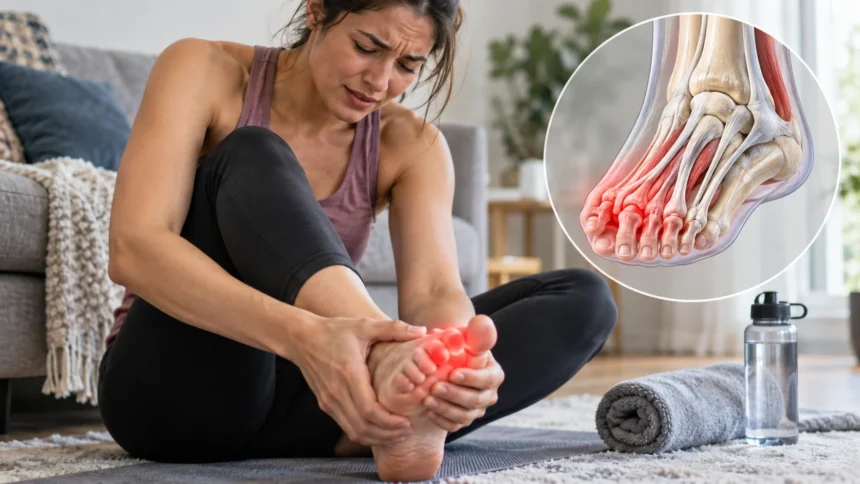
Toe cramps can strike suddenly and make the toes curl, tighten, or feel temporarily stuck in an uncomfortable position. The pain may last only a few seconds or continue for several minutes, and some people experience repeated episodes during exercise, at night, or after spending long periods on their feet. Although usually harmless, frequent toe cramps can sometimes signal an underlying problem.
Muscle fatigue, dehydration, prolonged standing, tight footwear, and changes in activity can all contribute to cramping in the toes and feet. Sometimes the muscles simply contract unexpectedly after being overworked. In other cases, nerve irritation, circulation problems, medication effects, or nutritional issues may need to be considered, especially when cramps become persistent.
Most occasional toe cramps improve with gentle stretching, movement, hydration, and changes in footwear or activity. However, cramps accompanied by significant swelling, numbness, weakness, skin color changes, or persistent pain deserve professional evaluation. This guide explains common causes of toe cramps, practical relief strategies, prevention tips, and signs that should not be ignored.
What Are Toe Cramps?
Toe cramps are involuntary contractions of the small muscles that control movement in the toes and foot. During a cramp, one or more toes may curl downward, spread apart, or feel temporarily locked. The affected muscles can become hard and painful until the contraction gradually releases.
Cramps may affect a single toe or several toes at once. Some people experience them mainly in the arch of the foot and feel the tension pull into the toes. Others notice cramping after exercise, during sleep, while swimming, or when moving the foot after remaining still for a long period.
An occasional cramp is usually not a sign of serious disease. Muscles can temporarily contract because of fatigue, awkward positioning, or changes in activity. Recurrent cramps, however, may deserve closer attention if they interfere with sleep, walking, exercise, or normal daily activities.
Common Causes of Toe Cramps
Muscle fatigue is one of the most common causes of toe cramps. Walking longer than usual, running, standing for extended periods, or starting a new exercise routine can place unfamiliar demand on the small muscles of the feet. The muscles may cramp later when they become tired or during periods of rest.
Footwear can also influence how the toes and foot muscles work. Shoes that are narrow, overly tight, or poorly fitted may keep the toes compressed for long periods. High heels can increase pressure toward the front of the foot, while unsupportive footwear may require the muscles to work harder during walking.
Dehydration and changes in fluid balance may contribute in some situations, especially after sweating heavily during exercise or hot weather. However, not every toe cramp is caused by dehydration or a mineral deficiency. Several factors can overlap, so repeated episodes should be considered in the context of your activity, health, footwear, and other symptoms.
Can Dehydration Cause Toe Cramps?
Dehydration can sometimes contribute to muscle cramping, particularly when significant fluid loss occurs during prolonged exercise, heat exposure, vomiting, or illness. Muscles and nerves depend on normal fluid and electrolyte balance to function efficiently. When that balance changes substantially, cramping may become more likely in susceptible individuals.
Mild everyday dehydration does not explain every episode of toe cramping. People sometimes assume that drinking more water will solve the problem even when the actual trigger is muscle fatigue, restrictive footwear, or repetitive activity. Pay attention to when the cramps occur rather than automatically blaming fluid intake.
If you have been exercising heavily or sweating for long periods, gradually replacing fluids can be reasonable. Avoid consuming excessive amounts of water or electrolyte products simply to prevent cramps. People with kidney, heart, or other medical conditions should follow individualized guidance regarding fluid and electrolyte intake.
Tight Shoes and Foot Position
Shoes that compress the forefoot can make the toes remain in a restricted position for hours. This may increase tension through small muscles in the feet, particularly if you are also walking or standing extensively. Cramps may appear after removing the shoes or when the foot finally changes position.
Check whether your toes have enough room to spread naturally inside your footwear. The toe box should not squeeze the toes together or cause them to curl. Shoes should also remain secure enough that you are not constantly gripping with your toes to prevent the foot from sliding.
Foot position during sleep can sometimes contribute as well. Pointing the toes downward for a long period may leave the calf and foot muscles shortened. If cramps repeatedly occur at night, gentle ankle movement and toe stretching before bed may be more useful than trying to hold one rigid sleeping position.
Exercise and Overworked Foot Muscles
Running, dancing, hiking, swimming, and strength training can all increase demand on the muscles controlling the foot and toes. Cramps are more likely when activity volume increases suddenly or when you return to exercise after a period of inactivity. Fatigue can temporarily reduce how smoothly the muscles contract and relax.
Swimming is a common example because the toes may remain pointed for long periods while the legs work repeatedly. Runners may also notice foot cramps after long distances or unfamiliar terrain. The best prevention is usually gradual conditioning rather than avoiding movement entirely.
Give your body time to adapt when introducing a new exercise program. Increase distance, intensity, or duration in manageable steps and allow adequate recovery between demanding sessions. If cramping becomes progressively more frequent despite sensible training adjustments, it may be worth discussing with a healthcare professional.
How to Stop a Toe Cramp Quickly
When a toe cramp begins, stop the activity and gently move the affected foot. Try straightening the cramped toes with your hand and pulling them slowly back toward a neutral position. Avoid jerking the toes forcefully because sudden movement may increase discomfort rather than helping the muscle relax.
Standing and placing the foot flat on the floor can sometimes help, especially when the toes have curled downward. Shift your weight gradually rather than forcing full pressure immediately. Gentle walking for a few steps may also help once the most intense contraction begins to settle.
Light massage around the cramped muscle can feel soothing. Use your fingers to rub the arch, toes, or surrounding foot muscles without applying painful pressure. Most uncomplicated cramps gradually release within a short period, although the area may remain mildly sore afterward.
Toe and Foot Stretches for Relief
A simple toe stretch can help after the cramp begins to ease. Sit comfortably, hold the affected toes, and gently pull them back until you feel mild tension through the bottom of the foot. Hold for approximately 20 seconds while breathing normally, then release gradually.
You can also perform a calf stretch because calf tightness and foot position often influence each other. Stand facing a wall, place one foot behind you, and keep the heel down while leaning forward slightly. The stretch should remain comfortable rather than causing pain through the ankle or foot.
Mobility should be balanced throughout the body rather than focusing only on the area that cramps. If you are creating a broader flexibility routine, these shoulder mobility stretches can complement lower-body mobility work on separate training days. Consistent gentle movement is usually more useful than aggressive stretching only when discomfort appears.
Foot Strengthening for Recurrent Cramps
Strengthening the small muscles of the foot may help improve endurance when cramping is related to fatigue. Begin with simple toe spreading, where you try to separate the toes while keeping the foot relaxed. Hold briefly, release, and repeat several times without forcing the movement.
Another option is controlled toe raises. Keep your heel and the ball of your foot on the floor while lifting the toes, then lower them slowly. You can also practice short-foot exercises by gently drawing the ball of the foot toward the heel without curling the toes.
Strength exercises should not create cramping every time you perform them. Start with a small number of repetitions and gradually increase as the muscles adapt. If strengthening repeatedly triggers painful spasms, reduce the intensity and consider whether another factor such as footwear, nerve irritation, or excessive training may be contributing.
Nutritional and Electrolyte Factors
Electrolytes such as sodium, potassium, calcium, and magnesium are involved in muscle and nerve function. Significant imbalances can contribute to cramping, but nutritional deficiencies are only one possible explanation. Taking supplements without knowing whether you actually need them may not solve the problem and can sometimes create additional health risks.
A balanced diet usually provides the nutrients needed for normal muscle function. Fruits, vegetables, dairy or appropriate alternatives, whole grains, legumes, nuts, and other nutrient-rich foods can contribute to overall intake. People with restrictive diets or medical conditions may have different nutritional requirements.
If cramps are frequent and you suspect a deficiency, discussing the issue with a healthcare professional is more useful than guessing. Blood tests or a review of medications and diet may sometimes be appropriate. Supplements should be used for a clear reason rather than automatically whenever muscle cramps occur.
Nerve and Circulation Problems
Nerves control the muscles of the feet, so nerve irritation can sometimes cause cramping along with tingling, burning, numbness, or weakness. Problems affecting the lower back, leg, or peripheral nerves may produce symptoms extending into the toes. These patterns usually require more than stretching the foot itself.
Circulation problems can also cause discomfort in the feet and legs. Symptoms such as unusual coldness, color changes, swelling, or pain that predictably appears during walking may deserve medical evaluation. Toe cramping alone does not necessarily indicate poor circulation, but additional symptoms can change the level of concern.
Seek medical advice if cramps regularly occur with numbness, reduced sensation, persistent weakness, or changes in skin temperature or color. These signs suggest that the problem may involve nerves or blood flow rather than simple muscle fatigue. Early assessment can help identify the underlying cause.
Medications and Medical Conditions
Certain medications can sometimes contribute to muscle cramps as a side effect. Diuretics, some cholesterol-lowering medicines, and other medications may influence muscles, fluids, or electrolytes in certain people. Never stop prescribed medication simply because cramps appear without first discussing the issue with the prescribing clinician.
Medical conditions affecting nerves, circulation, metabolism, or muscle function can also produce recurrent cramping. Diabetes, thyroid disorders, kidney problems, neurological conditions, and peripheral vascular issues are among the broader possibilities. Most occasional toe cramps are not caused by these conditions, but frequency and accompanying symptoms matter.
If cramping begins soon after a medication change or occurs alongside other unexplained symptoms, make note of the timing. A clinician can review your medications, health history, and physical symptoms together. This approach is more reliable than trying to identify one cause based only on the location of the cramp.
How to Prevent Toe Cramps
Start by identifying patterns around when your cramps occur. If they happen mainly after long walks, reduce sudden increases in distance and build endurance gradually. If they occur after wearing particular shoes, try a roomier and more supportive option and see whether the frequency changes.
Regular foot and ankle movement can also help prevent stiffness. Gentle calf stretches, toe mobility, and foot strengthening may improve how the muscles tolerate daily activity. You do not need an elaborate routine; a few minutes performed consistently can be easier to maintain than occasional long sessions.
Pay attention to general recovery habits as well. Adequate sleep, balanced nutrition, appropriate hydration, and manageable training loads all support normal muscle function. Prevention is usually most effective when several contributing factors are addressed rather than relying on one supplement, stretch, or piece of footwear.
When Toe Cramps Are Nothing to Worry About
Occasional toe cramps after exercise, prolonged standing, or an awkward foot position are usually temporary. If the cramp resolves within a short period and normal movement returns, simple self-care may be enough. Mild soreness afterward can occur because the muscle contracted strongly.
A single cramp is generally less concerning when there is no swelling, numbness, weakness, or injury. Keeping track of possible triggers can still help you avoid repeating the same situation. You may discover that cramps appear only after a particular workout, pair of shoes, or unusually active day.
Frequency matters more than one isolated episode. If cramps happen only occasionally and do not interfere with daily activities, they may simply reflect normal muscle fatigue. Repeated episodes that become more painful or begin occurring without an obvious trigger deserve closer attention.
When to Worry About Toe Cramps
Seek medical advice when toe cramps become frequent, progressively worse, or persist despite sensible changes in activity, hydration, and footwear. Cramps that regularly wake you from sleep or interfere with walking and exercise may need further evaluation. A clinician can assess muscles, nerves, circulation, medications, and other contributing factors.
Prompt evaluation is particularly important when cramping occurs with persistent numbness, weakness, significant swelling, redness, unusual warmth, or noticeable changes in skin color. Sudden severe foot pain following an injury should also be assessed rather than repeatedly stretched at home.
Seek urgent medical attention if foot or leg symptoms occur alongside chest pain, sudden shortness of breath, severe weakness, or other significant systemic symptoms. These situations are very different from ordinary muscle cramps. When additional warning signs are present, it is safer to obtain medical care rather than assume the problem will pass.
Conclusion
Toe cramps are sudden muscle contractions that can make one or several toes feel painfully curled or locked. Common triggers include muscle fatigue, increased exercise, restrictive footwear, prolonged positioning, and changes in fluid balance. In many cases, the cramp settles quickly and does not indicate a serious underlying problem.
Gentle stretching, massage, comfortable movement, appropriate footwear, and gradual conditioning can help reduce occasional episodes. Regular foot and ankle mobility may also improve muscle tolerance when cramps are related to activity. Avoid assuming that supplements or aggressive stretching are necessary without understanding what is triggering the problem.
Persistent or unusual toe cramps deserve more attention, particularly when they occur with numbness, weakness, swelling, color changes, or other neurological or circulation-related symptoms. Monitoring when cramps happen can provide useful clues. If the pattern continues or worsens, professional evaluation can help identify the underlying cause and guide appropriate treatment.
FAQs
Why do my toes suddenly cramp and curl?
Toe cramps can occur when small foot muscles contract involuntarily because of fatigue, prolonged positioning, exercise, restrictive footwear, or other factors. Occasional episodes usually resolve after gentle stretching and movement.
How do I stop a toe cramp fast?
Gently straighten the cramped toes, place the foot flat if comfortable, and lightly massage the affected area. Slow stretching and a few careful steps may help the muscle release.
Can dehydration cause toe cramps?
Dehydration can contribute in some situations, particularly after heavy sweating or significant fluid loss. However, many toe cramps are caused by other factors such as muscle fatigue, footwear, or activity changes.
Does magnesium help toe cramps?
Magnesium is important for normal muscle function, but supplements are not automatically useful for every cramp. Frequent symptoms should be evaluated before assuming that a magnesium deficiency is responsible.
When should I see a doctor for toe cramps?
Seek evaluation when cramps are frequent, worsening, or accompanied by persistent numbness, weakness, swelling, skin color changes, or significant pain. Recurrent cramps without an obvious trigger also deserve professional assessment.