

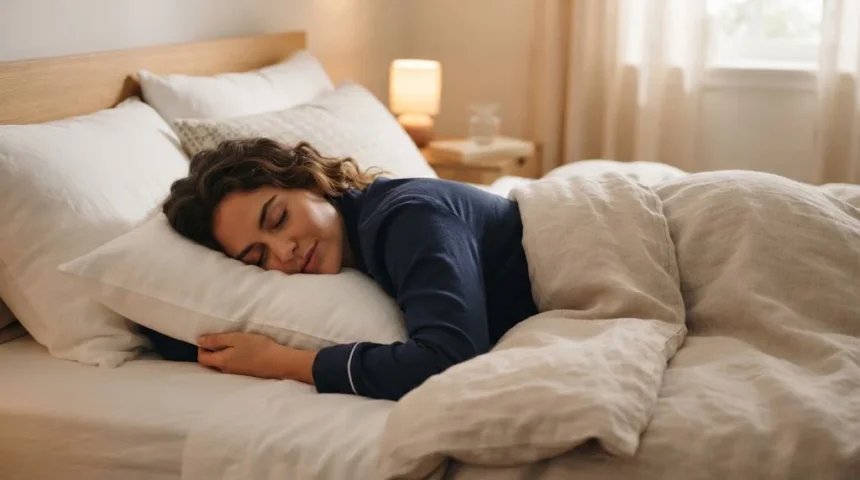
Sleeping on your stomach is a common habit, but it can affect the neck, spine, shoulders, and breathing differently from side or back sleeping. Some people find the position comfortable because it reduces snoring or simply feels natural, while others wake up with stiffness, numbness, or lower-back discomfort. Whether stomach sleeping is “bad” depends on your body, mattress, pillow, and existing symptoms.
The main challenge with stomach sleeping is that your head usually has to turn to one side for long periods. This can place stress on the neck and upper back, especially if the pillow is too thick. The lower back may also arch more than it does in other positions, which can create pressure or morning stiffness in some sleepers.
That does not mean everyone must immediately stop sleeping on their stomach. Small adjustments can reduce strain and make the position more comfortable. This guide explains the possible benefits, risks, posture concerns, pillow choices, and practical tips to help you decide whether stomach sleeping works for you.
Is Sleeping on Your Stomach Bad?
Sleeping on your stomach is not automatically harmful, but it can create more spinal rotation than other common sleep positions. Because the face usually turns to one side, the neck remains rotated for hours. For some people, this can contribute to stiffness or discomfort after waking.
The lower back may also be affected because lying face down can increase the natural inward curve of the lumbar spine. If the mattress is very soft, the hips may sink too deeply and exaggerate this position. This can make the lower back feel tight, especially in people who already experience back pain.
However, comfort varies from person to person. Some people sleep on their stomach for years without noticeable problems, while others develop symptoms quickly. The position becomes more concerning when it consistently causes pain, numbness, poor sleep, or difficulty moving comfortably in the morning.
Why Do People Like Sleeping on Their Stomach?
Many people simply find stomach sleeping more comfortable than lying on their back or side. Sleep positions often develop from habit, childhood routines, or what feels easiest when trying to relax. Changing a long-standing sleep position can feel unnatural even when another position may be more supportive.
Some sleepers also find that lying on the stomach reduces snoring. The position can help keep the tongue and soft tissues from falling backward in the same way they might when lying flat on the back. This may make breathing feel easier for some people during sleep.
Comfort is also influenced by body shape, mattress firmness, and pillow height. Someone with a supportive mattress and a thin pillow may tolerate stomach sleeping better than someone on a soft mattress with a high pillow. The position itself is only one part of the overall sleep setup.
Possible Benefits of Stomach Sleeping
One possible benefit is reduced snoring for certain people. Sleeping face down or partially rotated can help keep the upper airway more open compared with sleeping flat on the back. However, snoring can have several causes, so changing sleep position may not solve the problem completely.
Some people also report that stomach sleeping feels secure and relaxing. Comfort matters because a position that helps you fall asleep and stay asleep can support better overall rest. If the position does not cause pain or other symptoms, there may be no urgent need to change it.
Stomach sleeping can also reduce pressure on the back of the head and shoulders compared with back sleeping. This may feel more comfortable for certain individuals. Still, any benefit should be balanced against potential neck and lower-back strain.
How Stomach Sleeping Affects the Neck
The neck is often the area most affected by stomach sleeping. Because your face cannot point directly into a standard mattress, you usually turn your head to one side. Holding this rotated position for several hours can place strain on the cervical spine and surrounding muscles.
A thick pillow can increase the problem by lifting the head too far upward. This may create additional bending and rotation through the neck. Over time, some sleepers may wake with stiffness, tension headaches, or soreness around the shoulders and upper back.
Using a thinner pillow or no pillow under the head may reduce some of this strain. However, the best option depends on your body and mattress. If neck pain continues despite adjustments, changing sleep position may be more effective than repeatedly trying different pillows.
How Stomach Sleeping Affects the Lower Back
When you lie on your stomach, the pelvis may tilt forward and increase the curve in your lower back. This is more noticeable when the mattress allows the hips to sink deeply. The result can be extra pressure through the lumbar area during the night.
Some people wake with aching or stiffness that improves after moving around. Others may notice discomfort during the night itself. If the pain is consistently strongest after stomach sleeping, your sleep position or mattress support may be contributing.
Placing a thin pillow under the hips or lower abdomen can sometimes reduce the arch in the lower back. This may help the spine stay in a more neutral position. The pillow should be thin enough to support alignment without creating new pressure points.
Can Stomach Sleeping Cause Shoulder Pain?
Shoulder discomfort can develop if the arms are positioned overhead or tucked awkwardly under the pillow. This can place the shoulder joint in a compressed or rotated position for a long time. Some people may also experience tingling or numbness in the arm if pressure affects nearby nerves.
Keeping the arms closer to the body may reduce this strain. Try to avoid sleeping with both arms stretched far above your head, especially if you already have shoulder tightness. Small changes in arm position can make a noticeable difference in morning comfort.
If shoulder pain persists, consider whether the problem appears only during sleep or also during daytime movement. Ongoing pain may have causes unrelated to sleeping position. Persistent symptoms should be evaluated if they do not improve with simple adjustments.
Can Stomach Sleeping Cause Numbness or Tingling?
Numbness or tingling can occur when pressure is placed on nerves or blood vessels for an extended period. Stomach sleepers may experience this in the arms, hands, shoulders, or occasionally the legs depending on how the body is positioned. The sensation often improves after changing position.
If you frequently wake with a numb arm, check whether your hand or shoulder is trapped under your body. Adjusting the arm position may help. A mattress that is too firm can also increase pressure on certain areas.
Persistent numbness should not be ignored, especially if it continues during the day. Ongoing tingling, weakness, or loss of sensation may indicate a nerve problem that deserves professional evaluation rather than being blamed entirely on sleep posture.
Is Stomach Sleeping Bad for Posture?
Sleep posture and daytime posture are related but not identical. Spending several hours with the neck rotated can contribute to morning stiffness, but it does not automatically create permanent poor posture. Daytime habits, strength, movement, and overall activity level also influence how the body feels.
Still, repeated overnight strain can make existing postural discomfort more noticeable. If you already spend many hours looking down at a phone or computer, stomach sleeping may add more rotation and tension to the neck. This combination can leave the upper back and shoulders feeling tight.
The goal is to reduce unnecessary strain across the entire day. Regular movement, suitable desk setup, strength training, and a supportive sleep position can all work together. Focusing only on nighttime posture while ignoring daytime habits may not solve the underlying problem.
Stomach Sleeping and Back Pain
People with existing back pain may find stomach sleeping either relieving or irritating depending on the cause. For some, lying face down feels comfortable, while others notice more lower-back pressure. The key is whether symptoms improve, stay the same, or worsen after sleeping.
If your back pain appears mainly during certain times of the month, the cause may not be related only to sleep position. For example, understanding back pain during your period can help explain why hormonal changes, cramping, or pelvic discomfort may influence how your back feels.
If stomach sleeping clearly makes back pain worse, try side or back sleeping for several nights and compare symptoms. You may also experiment with a small pillow under the hips. Tracking what changes your pain can help you identify patterns more accurately.
Is Stomach Sleeping Bad During Pregnancy?
Stomach sleeping usually becomes uncomfortable as pregnancy progresses. Early in pregnancy, many people can still sleep on their stomach comfortably because the uterus remains protected within the pelvis. As the abdomen grows, the position naturally becomes harder to maintain.
Pregnant sleepers often transition to side sleeping because it is more comfortable later in pregnancy. Pillows placed between the knees, under the abdomen, or behind the back can provide additional support. A maternity pillow can also make side sleeping feel more stable.
If you are pregnant and unsure about sleep position, follow guidance from your healthcare professional. Individual circumstances can vary. Comfort, breathing, blood flow, and specific pregnancy-related conditions may all influence which position is recommended.
What Type of Pillow Is Best for Stomach Sleepers?
A thin pillow is usually more suitable for stomach sleepers than a thick one. The goal is to keep the head closer to the mattress so the neck is not pushed too far backward. Some people may feel more comfortable without a pillow under the head.
Pillow material also matters. A soft, compressible pillow can allow the head to sink more naturally than a very firm, high pillow. Adjustable pillows can be useful because you can remove filling until the height feels appropriate.
You may also use a separate thin pillow under the hips or lower abdomen. This can reduce excessive arching through the lower back. The combination of a low head pillow and light pelvic support may improve spinal alignment for some stomach sleepers.
What Mattress Is Best for Stomach Sleepers?
Stomach sleepers often benefit from a mattress that prevents the hips from sinking too deeply. If the middle of the body drops lower than the chest and legs, the lower back may become more arched. A mattress with moderate support can help keep the body more level.
A mattress that is extremely firm may create pressure around the ribs, hips, and shoulders. On the other hand, one that is too soft may allow excessive sinking. The best firmness depends on body weight, personal preference, and whether you share the bed.
Try to judge a mattress by how your body feels after several nights rather than by firmness labels alone. If you wake with consistent back or neck discomfort, your sleep surface may not be providing the support you need. Mattress age can also affect support over time.
How to Sleep on Your Stomach More Comfortably
Start by using a thinner pillow under your head. This can reduce neck bending and make the head position feel less extreme. If possible, alternate the direction you turn your head rather than always sleeping with it facing the same side.
Place a thin pillow under your pelvis if your lower back feels overly arched. This can help reduce pressure through the lumbar spine. Avoid using a pillow that is so thick that it lifts the hips dramatically and creates new discomfort.
Keep your legs relatively straight and avoid twisting one hip excessively outward for long periods. A small amount of asymmetry is normal, but extreme positions can stress the pelvis and lower back. Aim for a relaxed position that minimizes unnecessary twisting.
How to Stop Sleeping on Your Stomach
Changing sleep position takes time because the body often returns to familiar habits while you are asleep. Start by practicing side sleeping when you first go to bed. Using pillows around your body can make the new position feel more secure.
A pillow behind your back can reduce the tendency to roll completely onto your stomach. Holding a pillow in front of your chest may also make side sleeping more comfortable. Some people find that a long body pillow provides enough support to maintain the new position.
Do not expect the habit to change overnight. Your body may need several weeks to become comfortable with another position. Focus on creating a setup that feels relaxing rather than forcing yourself to remain perfectly still.
Is Side Sleeping Better Than Stomach Sleeping?
Side sleeping is often easier on the neck because the head can remain more neutral when the pillow height matches the shoulder width. It can also be more comfortable for people with lower-back discomfort when a pillow is placed between the knees.
However, side sleeping can create pressure on the shoulder or hip. A supportive mattress and appropriate pillow can reduce this. People who already have shoulder pain may need to experiment with which side feels more comfortable.
There is no single sleep position that is best for everyone. The ideal position is one that supports restful sleep without causing pain, numbness, or breathing problems. Your body shape, symptoms, and personal comfort should guide the decision.
When Should You Change Your Sleep Position?
Consider changing positions if you repeatedly wake with neck pain, back pain, numbness, or headaches. These symptoms may indicate that stomach sleeping is placing too much strain on your body. A few minor adjustments may help, but persistent problems deserve more attention.
You should also reconsider your position if sleep feels restless or you constantly wake to reposition yourself. Poor sleep quality can affect energy, concentration, and overall well-being. Sometimes a different sleep position can make staying asleep easier.
If symptoms continue after changing your pillow, mattress setup, or sleep position, speak with a healthcare professional. Ongoing pain, weakness, or numbness may have causes unrelated to how you sleep. A proper assessment can help identify the real issue.
Key Facts About Stomach Sleeping
Stomach sleeping is not automatically dangerous for healthy adults, but it commonly places the neck in a rotated position. The lower back can also become more arched, especially on a soft mattress. These factors explain why some stomach sleepers experience morning stiffness.
Pillow height and mattress support can significantly influence comfort. A thinner pillow under the head and light support under the pelvis may reduce strain. Small changes can make a bigger difference than simply trying to force yourself into a completely new position immediately.
The most important factor is how your body responds. If you sleep well and wake without pain, there may be little reason for concern. If symptoms repeatedly appear after sleeping on your stomach, experimenting with another position may be worthwhile.
Conclusion
Sleeping on your stomach is not necessarily bad for everyone, but it can create extra strain on the neck and lower back. The head usually remains rotated for hours, and the pelvis may sink into the mattress. These factors can contribute to stiffness, pain, or numbness in some people.
If you prefer stomach sleeping, use a thin pillow and consider placing light support under the hips. Keep your arms and legs in comfortable positions and avoid excessive twisting. A supportive mattress can also help keep the spine in a more neutral position.
Pay attention to how you feel when you wake up. Persistent neck pain, back pain, tingling, weakness, or poor sleep quality may be signs that your position needs to change. When symptoms continue despite adjustments, professional evaluation can help rule out other causes.
FAQs
Is sleeping on your stomach bad for your back?
It can be for some people because the position may increase the curve in the lower back. A supportive mattress and thin pillow under the hips may reduce this strain.
Why does my neck hurt after sleeping on my stomach?
Your head usually stays turned to one side for several hours, which can strain the neck muscles and joints. A thick pillow may make this rotation and bending worse.
Can stomach sleeping cause numb arms?
Yes. Pressure on the shoulder, arm, or nearby nerves can sometimes cause temporary numbness or tingling. Persistent symptoms during the day should be evaluated professionally.
Is it better to sleep on your side than your stomach?
Side sleeping may reduce neck rotation and can feel more supportive for many people. However, the best position is the one that allows comfortable, restful sleep without creating pain.
Should I stop sleeping on my stomach completely?
Not necessarily. If you sleep comfortably and wake without pain or numbness, you may not need to change. If symptoms develop regularly, adjusting or changing positions may help.