
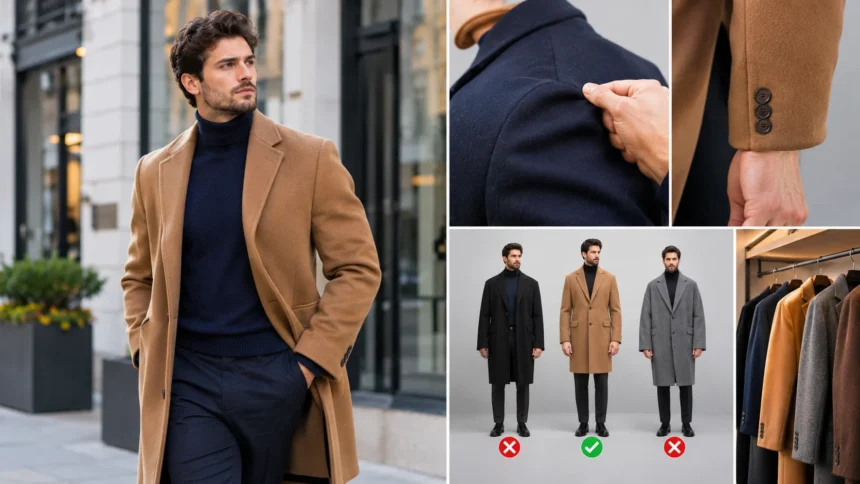
Finding a coat that fits comfortably can make a big difference in your everyday wardrobe. Whether you are buying a winter coat, wool overcoat, trench coat, or casual jacket, the right fit helps you move comfortably and wear your favorite layers. However, different brands and coat styles can make choosing the correct size confusing.
A practical coat fit guide helps you understand important details such as shoulder placement, sleeve length, chest room, and overall coat length. These measurements influence how a coat feels and functions during daily activities. Learning how to check them can make shopping easier and reduce unnecessary returns.
You do not need professional tailoring knowledge to find a coat that works for you. A few simple fitting techniques can help you compare styles, understand sizing charts, and recognize common fitting problems. This beginner-friendly guide covers everything you need to know before choosing your next coat.
What Does a Proper Coat Fit Mean?
A proper coat fit means the garment feels comfortable, allows natural movement, and works with your intended clothing layers. The exact fit depends on whether the coat is designed to be slim, regular, relaxed, or oversized. Every style follows different construction principles.
A fitted wool coat generally follows the intended lines of its design, while an oversized coat provides additional space. Neither style is automatically better than the other. The most important consideration is whether the coat offers suitable comfort and functionality for its purpose.
For example, a winter coat should provide enough room for sweaters without restricting movement. Meanwhile, a lightweight spring coat may need less layering space. Understanding the intended design helps you recognize whether a garment fits correctly or simply has a different silhouette.
Why Choosing the Right Coat Size Matters
Choosing an appropriate coat size supports comfort, movement, and practical everyday use. A coat that feels restrictive may make reaching, walking, or sitting uncomfortable. Similarly, a garment with excessive unwanted fabric may feel awkward or interfere with certain activities.
Coat sizing also influences how different layers work together. A size that feels comfortable over a thin shirt may become restrictive when worn with a thick sweater. Therefore, your usual clothing size does not always determine which coat size will work best.
Another consideration is the coat’s construction. Structured overcoats, padded winter jackets, and relaxed trench coats may use different sizing methods. Comparing measurements and trying the garment with your typical layers can help you make a more informed choice.
How to Measure Yourself for a Coat
Taking basic measurements can make coat shopping easier, especially when ordering online. Important measurements usually include the chest, shoulders, sleeve length, and desired garment length. Some brands may also request waist or hip measurements depending on the coat’s design.
Use a flexible measuring tape and stand comfortably while taking measurements. Measure around the chest according to the brand’s instructions, keeping the tape level without pulling it tightly. For sleeve measurements, follow the manufacturer’s starting and ending points because measurement methods can vary.
Record your measurements and compare them with the specific brand’s size chart. Remember that body measurements and finished garment measurements are not identical. Coats normally include additional room, called ease, to accommodate movement and clothing layers.
How Should a Coat Fit Around the Shoulders?
The shoulders are one of the most important areas to check when evaluating coat fit. In a structured coat, shoulder seams generally sit near the intended shoulder position. However, oversized and dropped-shoulder designs deliberately place seams farther down the arm.
A structured coat may feel uncomfortable if the shoulders are too restrictive. You might notice pulling across the upper back or difficulty raising your arms. Excessive unwanted shoulder width can also affect how the sleeves hang and how the garment moves.
When trying on a coat, move your arms forward and reach naturally. Check whether the fabric restricts movement or creates uncomfortable tension. Shoulder alterations can be complicated, so choosing a garment with suitable shoulder construction is often particularly important.
How Should a Coat Fit Around the Chest?
The chest area should provide enough room for comfortable breathing and normal upper-body movement. The amount of space depends on the coat style and the layers you plan to wear underneath. Structured coats usually require careful attention to their front closure.
Button or zip the coat completely and check how it feels while standing and moving. Excessive pulling around the buttons may indicate insufficient room. However, relaxed silhouettes naturally contain more fabric and should not be judged by the same standards as closely fitted designs.
For example, a wool overcoat worn over a blazer requires more room than a lightweight coat worn over a T-shirt. Trying the coat with realistic clothing layers helps reveal whether the chest fit is practical for everyday use.
How Should Coat Sleeves Fit?
Coat sleeve length influences comfort and how the garment works with other clothing. For many traditional coat styles, sleeves extend close to the wrist and provide suitable coverage. However, some fashion designs intentionally feature shorter or longer sleeves.
The sleeve should allow comfortable elbow bending and arm movement without excessive pulling. When you reach forward, the sleeve may move slightly upward. This movement is normal, but the garment should not become uncomfortable or severely restrict your arms.
Try the coat while wearing the type of clothing you normally use underneath. A thick sweater can change how the sleeves feel around the arms. Checking both sleeve length and width helps ensure the coat works with your daily wardrobe.
Understanding the Right Coat Length
Coat length affects coverage, movement, and overall styling. Common options include waist-length jackets, hip-length coats, mid-thigh designs, knee-length overcoats, and longer outerwear. Each length provides different practical advantages depending on weather conditions and activities.
Shorter coats may feel convenient for frequent movement, while longer coats provide additional coverage against cold weather. However, coat length is also a personal style choice. There is no single length that works best for every person or occasion.
For example, a knee-length wool coat can work well with professional clothing during cooler weather. A shorter casual coat may be convenient for everyday errands. Choose a length that provides suitable coverage without interfering with walking, sitting, or other normal activities.
How Should a Coat Fit Around the Waist?
The waist fit depends on the coat’s intended silhouette. Some coats include shaped seams or adjustable belts, while others hang loosely from the shoulders. Understanding the design helps you decide whether the garment sits as intended.
A fitted waist should allow comfortable movement without excessive pulling. If the coat becomes restrictive when buttoned, it may need additional room. Loose and oversized styles should maintain their relaxed appearance without requiring the fabric to sit close to the body.
For example, a belted trench coat allows you to adjust how the garment closes around your waist. A straight wool overcoat may not include the same shaping. Both can fit correctly when they provide appropriate comfort and match your preferred style.
How to Check Coat Fit Around the Hips
Hip fit becomes especially important with longer coats that extend below the waist. The garment needs sufficient room for walking, sitting, and climbing stairs. Restrictive fabric around the hips can make ordinary movements uncomfortable.
Button or zip the coat and take a few natural steps. Then sit down if possible to check how the lower portion responds. Some structured coats include vents or wider hems that support movement without requiring excessive fabric throughout the garment.
A straight overcoat may feel different from a flared or relaxed design. This does not necessarily indicate a sizing problem. Consider the intended shape, closure placement, and fabric flexibility when evaluating whether the lower section fits comfortably.
Slim Fit vs. Regular Fit vs. Oversized Coats
Coats are available in several common fit categories, including slim, regular, relaxed, and oversized. These descriptions explain the intended garment shape rather than the quality of the fit. Understanding them helps you choose outerwear that matches your comfort preferences.
Slim-fit coats generally contain less extra room and may require careful sizing when worn over layers. Regular-fit designs often provide a balance between structure and movement. Oversized coats intentionally use additional fabric to create a looser appearance.
For example, someone who frequently wears thick sweaters may appreciate a relaxed coat with enough layering space. Another person may prefer a regular-fit design for professional outfits. The most suitable choice depends on how you plan to wear the garment.
How Should a Winter Coat Fit?
Winter coats need enough room for the clothing layers worn during cold weather. Insulated jackets, parkas, and heavy wool coats may have different construction requirements. A comfortable fit should allow natural movement without creating excessive restriction.
Try a winter coat over the thickest layers you realistically expect to wear. Check the shoulders, chest, arms, and waist while moving. Make sure the coat closes comfortably and does not become difficult to wear when you sit or bend.
Winter coat fit also influences practical warmth. Large unwanted openings may allow cold air to enter, while overly restrictive clothing can reduce comfort. Choose a design with suitable insulation, weather protection, and room for your usual activities.
How Should a Wool Overcoat Fit?
A wool overcoat is commonly worn over shirts, knitwear, or tailored clothing. Its fit should accommodate these layers while maintaining the garment’s intended structure. Shoulder placement, chest space, and sleeve length are particularly important for many traditional designs.
When wearing an overcoat over a blazer, check that the layers sit comfortably together. The coat should close without pulling excessively across the chest. It should also allow enough arm movement for walking, commuting, and ordinary daily tasks.
For example, a structured wool overcoat may work well with office clothing, while a relaxed wool coat may suit casual outfits. Both styles can be practical when appropriately sized. Fabric weight and lining construction also influence how the coat feels when worn.
How Should a Trench Coat Fit?
Trench coats are versatile outerwear pieces commonly worn during mild or changing weather. They often feature belts, lapels, button closures, and relatively lightweight materials. Their fit can range from structured and tailored to loose and relaxed.
A trench coat should provide enough room for the clothing you plan to wear underneath. Check that the shoulders and arms move comfortably and that the belt does not create uncomfortable pressure. The coat should also close properly without excessive pulling.
For example, a classic trench coat may be worn over office clothing or casual knitwear. A relaxed version can create a different appearance with the same basic design. Choose a length and silhouette that fit your activities and personal preferences.
How Should a Puffer Coat Fit?
Puffer coats use insulated sections that create a padded appearance. Their construction is different from flat wool or cotton coats because the insulation adds volume. Therefore, judging fit based only on how closely the garment follows the body may be misleading.
Check whether the puffer coat allows comfortable arm movement and closes easily over your usual layers. The insulation should remain distributed as intended without being excessively compressed by a restrictive fit. Comfortable movement is more important than achieving a particular outline.
For example, a lightweight puffer may work over a thin sweater, while a heavy winter puffer may need more layering space. Follow the manufacturer’s sizing recommendations and consider the intended weather conditions before choosing a size.
How to Check Coat Fit While Moving
Standing in front of a mirror provides only part of the information needed to assess coat fit. A garment may look suitable while standing still but feel restrictive during normal movement. Testing practical activities can reveal problems before you buy.
Try raising your arms, reaching forward, turning your shoulders, and sitting down. Pay attention to tension around the upper back, chest, elbows, and hips. These areas often reveal whether the coat provides enough movement for your everyday routine.
For example, a coat that pulls sharply across the shoulders when reaching forward may not suit your needs. Similarly, a long coat that restricts walking may require a different design. Movement testing is particularly useful when comparing structured and relaxed outerwear.
How to Layer Clothes Under a Coat
Layering is an important consideration when choosing coat size. Different clothing combinations change how much space you need around the chest, shoulders, and arms. A coat that fits over a shirt may feel different when worn with knitwear or a jacket.
Start by identifying the layers you expect to wear most often. These might include lightweight tops, sweaters, hoodies, or tailored jackets. Try the coat with representative garments instead of relying only on measurements or assumptions.
For example, if you plan to wear a wool overcoat over business suits, test the coat with a blazer. If you want a casual winter jacket, try it with your usual sweater. Practical layering checks help prevent unnecessary sizing mistakes.
Common Coat Fit Problems and How to Fix Them
Common coat fit problems include restrictive shoulders, pulling buttons, uncomfortable sleeves, and limited movement around the hips. These issues can result from incorrect sizing or garment construction. Recognizing the specific problem helps determine whether another size or style would work better.
If the chest feels restrictive, compare the garment with a larger size or a different silhouette. If the shoulders feel uncomfortable, another coat design may provide a more suitable fit. Changing one measurement does not always solve problems throughout the entire garment.
For example, sizing up to improve chest room may create unwanted extra fabric around the shoulders. In this situation, a different coat cut could be more practical. Focus on finding an appropriate overall fit rather than trying to correct every issue through size changes.
Can a Tailor Fix a Poorly Fitting Coat?
A tailor can adjust certain areas of a coat to improve comfort and appearance. Common alterations include shortening sleeves, adjusting hems, and making limited changes to side seams. The available options depend on the garment’s construction and fabric.
Some alterations are more complicated than others. Changing structured shoulders, armholes, or heavily insulated sections may require extensive work. These modifications can be expensive or impractical, particularly when the coat contains specialized linings or protective materials.
Before purchasing a coat that needs adjustments, consider discussing the possibilities with a qualified tailor. Minor alterations may help an otherwise suitable garment work better. However, choosing a coat that already fits comfortably in important areas is usually more convenient.
How to Choose the Right Coat Size Online
Buying a coat online requires careful attention to sizing charts and product descriptions. Brands may use different measurement standards, making your usual size an unreliable guide. Comparing your measurements with the manufacturer’s information can reduce uncertainty.
Check whether the size chart lists body measurements or actual garment measurements. Read descriptions about fit, fabric, lining, and intended layering. Customer reviews may provide additional observations, although individual preferences and experiences can vary.
Before ordering, review the return and exchange policy. When the coat arrives, try it with your normal layers and check movement while the tags remain attached. This approach helps you determine whether the garment is suitable before committing to keeping it.
How Coat Fabric Affects Fit and Comfort
Fabric influences how a coat hangs, stretches, and moves with the body. Wool, cotton, polyester, nylon, and blended materials have different characteristics. Their weight and structure can affect comfort even when two coats share similar measurements.
Structured wool fabrics may maintain a defined shape, while softer materials often create a more relaxed appearance. Some synthetic fabrics include stretch for additional movement. Insulated coats also behave differently because their padding affects flexibility and overall volume.
For example, a rigid cotton trench coat may feel less flexible than a coat made with stretch-blend fabric. Neither material is automatically better. Choose according to the weather, garment purpose, maintenance requirements, and level of movement you prefer.
Coat Fit Mistakes Beginners Should Avoid
One common mistake is choosing a coat based only on its size label. Because sizing differs across brands, the label may not accurately predict comfort. Measurements, garment construction, and intended fit provide more useful information when making comparisons.
Another mistake is trying on outerwear without the layers normally worn underneath. A winter coat may feel comfortable over a thin shirt but become restrictive over a sweater. Testing realistic outfits helps identify problems before they affect everyday use.
Beginners may also assume every coat should fit closely. However, many modern and traditional styles intentionally include extra room. Understanding the difference between design ease and unwanted excess fabric helps you evaluate coats more accurately.
How to Choose a Coat for Different Occasions
Different occasions may call for different coat designs and levels of coverage. Professional settings often involve structured outerwear, while casual activities may suit relaxed jackets or insulated coats. However, personal style and comfort should remain important considerations.
For office clothing, a wool overcoat or trench coat may provide a practical outer layer. For outdoor activities, weather-resistant jackets with suitable insulation may be more useful. Choose functional features based on the conditions you expect to experience.
For example, a formal event might call for a long structured coat over tailored clothing. Everyday errands may feel easier in a shorter, lightweight jacket. Selecting outerwear according to purpose helps create a versatile wardrobe without unnecessary purchases.
How to Build a Practical Coat Collection
A practical coat collection should reflect your climate, lifestyle, and regular activities. Instead of purchasing several similar coats, consider which types of outerwear serve different needs. This helps make wardrobe planning easier and more efficient.
You might choose a lightweight jacket for mild weather, a warm winter coat for colder days, and a versatile overcoat for more formal occasions. The exact combination depends on your environment and personal preferences. Quality construction and comfortable fit are useful considerations.
Maintaining your coats properly can also help preserve their fit and condition. Follow care labels, store garments appropriately, and repair minor problems when practical. Taking care of existing outerwear can extend its usefulness and reduce unnecessary replacements.
Conclusion
Understanding coat fit makes it easier to choose outerwear that feels comfortable and suits your daily activities. Important areas include the shoulders, chest, sleeves, waist, hips, and overall length. Each measurement contributes to how the coat moves and works with other clothing.
Different styles require different fitting approaches. Wool overcoats, trench coats, winter parkas, and puffer jackets have unique construction features and layering requirements. Comparing measurements and testing normal movement can help you identify a suitable garment.
The best coat is one that matches your personal preferences, practical needs, and intended weather conditions. Focus on comfort, functionality, and quality rather than relying entirely on size labels. With these simple techniques, you can shop more confidently and build a useful outerwear collection.
Frequently Asked Questions
How Do I Know If My Coat Fits Properly?
A coat generally fits properly when it closes comfortably, allows natural arm movement, and accommodates your intended layers. Check the shoulders, chest, sleeves, and hips while standing, reaching, walking, and sitting.
Should You Buy a Coat One Size Bigger?
Not necessarily. Some coats already include enough room for layering, while others have a closer fit. Compare measurements, check the intended silhouette, and try the garment with your usual clothing before choosing a size.
Where Should Coat Sleeves End?
For many traditional coat styles, sleeves end around the wrist and provide suitable coverage. However, the intended length varies by design. Check comfort while moving your arms and consider the clothing worn underneath.
Can a Coat Be Altered If It Is Too Big?
Some coats can be adjusted through sleeve shortening, hemming, or limited seam alterations. Major changes to shoulders or insulated construction may be difficult. A qualified tailor can assess whether alterations are practical.
What Is the Difference Between Regular Fit and Oversized Coats?
Regular-fit coats generally provide a balanced amount of room for movement and layering. Oversized coats intentionally include additional fabric and a looser silhouette. Both can fit correctly depending on their design and intended use.