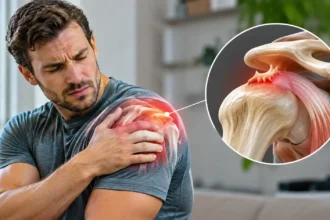


Shoulder pain can make everyday activities uncomfortable, especially when lifting your arm, reaching overhead, carrying objects, or sleeping on one side. One possible cause is the development of bone spurs around the shoulder joint. These small bony growths may develop gradually and sometimes contribute to irritation or restricted movement. Understanding bone spurs in shoulder joints can help explain their symptoms, causes, diagnosis, and available treatment options.
Bone spurs are not always painful, and many people have them without experiencing noticeable problems. However, certain growths may contribute to discomfort when they affect nearby tendons, joints, or other structures. Treatment depends on the location of the spur, associated conditions, and severity of symptoms. This guide explains shoulder bone spur symptoms, causes, nonsurgical treatment, physical therapy, surgical options, and practical ways to maintain shoulder mobility.
What Are Bone Spurs in the Shoulder?
Bone spurs, medically known as osteophytes, are bony growths that develop along the edges of bones or joints. In the shoulder, they may form near joint surfaces or areas where surrounding tissues experience long-term mechanical stress. These growths often develop gradually. Their presence does not necessarily mean that the shoulder is damaged or painful.
The shoulder contains several bones and joints that work together to support arm movement. Bone spurs may appear around the glenohumeral joint, where the upper arm bone connects with the shoulder blade. They may also develop near the acromioclavicular joint or along the underside of the acromion. Their location can influence whether symptoms develop.
Some shoulder bone spurs are discovered during imaging performed for unrelated reasons. Others are identified while investigating persistent pain, stiffness, or restricted movement. A bone spur seen on an X-ray does not automatically explain the symptoms. Healthcare professionals must consider the examination findings and surrounding tissues before determining whether the growth is clinically important.
Common Symptoms of Shoulder Bone Spurs
The symptoms of shoulder bone spurs vary depending on their size, location, and relationship with surrounding structures. Some individuals experience no symptoms at all. Others report shoulder pain, stiffness, or discomfort when reaching overhead. These symptoms may become more noticeable during activities that place repeated demands on the joint.
Bone spurs associated with shoulder arthritis may contribute to reduced joint movement and discomfort during ordinary activities. Growths near the acromion may be found alongside problems involving the rotator cuff tendons or nearby bursa. However, these conditions can occur without bone spurs. Pain alone cannot establish whether an osteophyte is responsible.
Some people notice clicking, grinding, or other sensations during shoulder movement. These findings are not specific to bone spurs and can occur for several reasons. Persistent weakness, worsening pain, or difficulty using the arm should be evaluated. A qualified clinician can help identify the underlying cause and recommend appropriate care.
What Causes Bone Spurs in the Shoulder?
Bone spurs commonly develop in association with changes in joints and surrounding tissues over time. Osteoarthritis is one important cause because it can involve cartilage changes and remodeling of nearby bone. The body may form additional bone along joint margins. This process is part of a complex response to changes in joint structure.
Previous injuries and long-term mechanical demands can also contribute to joint changes associated with osteophyte formation. Repeated shoulder movement may influence symptoms, although it does not automatically cause harmful bone growth. Individual anatomy, age, and joint health also matter. Many people develop bone spurs without a clear history of injury.
Certain inflammatory and degenerative conditions can affect shoulder structures and contribute to discomfort. However, not every shoulder bone spur results from the same process. The specific location and associated joint findings help guide diagnosis. Understanding these differences is important because treatment should address the actual cause of symptoms rather than imaging findings alone.
Where Do Shoulder Bone Spurs Develop?
Shoulder bone spurs can form in several locations, including the glenohumeral and acromioclavicular joints. The glenohumeral joint connects the humerus, or upper arm bone, with the glenoid portion of the shoulder blade. Osteophytes in this region are often associated with degenerative joint changes. They may occur alongside cartilage loss and stiffness.
The acromioclavicular joint connects the collarbone with part of the shoulder blade called the acromion. Bone spurs may develop around this smaller joint as degenerative changes occur. Some people experience tenderness near the top of the shoulder. Others have visible joint changes without significant discomfort.
Bony projections may also be present along the underside of the acromion. These are sometimes discussed in relation to subacromial pain and rotator cuff disorders. However, their presence does not prove they are causing tendon irritation. Clinical evaluation is necessary because shoulder pain often involves several contributing factors.
Bone Spurs and Shoulder Impingement
Shoulder impingement is a term traditionally used to describe symptoms associated with structures around the subacromial space. This region lies beneath the acromion and includes parts of the rotator cuff and a protective bursa. Some bone spurs may be present in this area. However, the relationship between bony shape and pain is not always straightforward.
People with subacromial shoulder pain may experience discomfort when raising the arm or reaching overhead. The pain can interfere with dressing, lifting, or certain recreational activities. However, these symptoms can occur without a bone spur. Rotator cuff function, tendon health, and other factors may contribute.
Modern shoulder rehabilitation often focuses on evaluating movement, strength, and functional limitations rather than assuming that every symptom results from mechanical pinching. Exercise-based treatment can help many people with subacromial pain. Surgery to remove bone is not automatically necessary. A clinician should evaluate the full condition before recommending treatment.
Bone Spurs and Shoulder Arthritis
Shoulder arthritis involves changes affecting joint cartilage, bone, and surrounding tissues. Osteoarthritis may cause joint-space narrowing, osteophytes, and reduced movement. These structural changes can be identified through imaging. However, the severity of X-ray findings does not always match the amount of pain a person experiences.
Glenohumeral osteoarthritis may cause shoulder stiffness, aching, or discomfort during movement. Some people find it difficult to reach behind their back or lift objects comfortably. Symptoms can fluctuate depending on activity and individual circumstances. Bone spurs are one possible feature of the condition rather than the only explanation for pain.
Treatment often focuses on managing symptoms and improving function. Physical therapy, appropriate activity modification, and selected medications may be recommended. More advanced joint problems may require specialist evaluation. Understanding the relationship between arthritis and bone spurs helps avoid treating an X-ray finding without considering the person’s actual limitations.
How Doctors Diagnose Shoulder Bone Spurs
Diagnosing shoulder bone spurs usually begins with a review of symptoms and medical history. A healthcare professional may ask when discomfort started, which activities make it worse, and whether an injury occurred. They may also discuss previous shoulder conditions. This information helps identify possible causes of pain and movement restrictions.
A physical examination may assess shoulder mobility, strength, tenderness, and functional movement. The clinician may also examine the neck or surrounding areas when symptoms suggest another source of discomfort. Several shoulder conditions can produce similar symptoms. Physical examination findings help determine which structures require further investigation.
X-rays are commonly used to identify osteophytes and assess joint changes. Ultrasound or MRI may be considered when tendon, bursa, or other soft-tissue conditions are suspected. However, advanced imaging is not necessary for every person with shoulder pain. Testing decisions should depend on symptoms, examination findings, and whether results would change treatment.
Can Shoulder Bone Spurs Go Away Naturally?
Established bone spurs generally do not disappear through stretching, exercise, or home remedies. They are structural bone growths rather than temporary areas of swelling. However, the presence of a spur does not always require treatment. Many people remain comfortable despite having osteophytes visible on imaging.
Although exercise cannot remove a bone spur, suitable rehabilitation may improve shoulder strength, mobility, and everyday function. Symptoms associated with surrounding tissues can sometimes become more manageable. This means a person may feel significantly better without changing the shape of the bone. Treatment success is often measured through comfort and activity rather than imaging appearance.
Some individuals require additional care when symptoms remain severe or joint changes substantially limit movement. However, treatment should not focus solely on eliminating the growth. A healthcare professional can explain whether the bone spur is likely contributing to the condition. This distinction helps prevent unnecessary procedures and unrealistic expectations about nonsurgical treatment.
How to Relieve Shoulder Bone Spur Pain at Home
Home care may help manage mild shoulder discomfort when serious injury or another concerning condition is not suspected. Temporarily reducing activities that significantly aggravate symptoms can provide relief. However, completely avoiding shoulder movement for extended periods may contribute to stiffness. Comfortable daily movement is generally preferable when medically appropriate.
Some people find temporary relief from cold packs or gentle warmth. A cold pack should be wrapped in a cloth rather than applied directly to the skin. Heat should also be used carefully to avoid burns. These approaches may improve comfort but do not remove bone spurs or repair underlying joint damage.
Medication may be appropriate for certain individuals, but choices should reflect age, medical history, and professional advice. Anti-inflammatory medicines are not suitable for everyone. Avoid self-prescribing strong painkillers or continuing strenuous activity simply because symptoms temporarily decrease. Persistent shoulder pain should be assessed to determine whether additional treatment is needed.
Physical Therapy for Shoulder Bone Spurs
Physical therapy is commonly used to improve movement and function in people experiencing shoulder pain. A therapist may evaluate shoulder strength, mobility, and everyday activity limitations. Treatment can include progressive exercises and guidance on managing irritating movements. The specific program depends on the underlying diagnosis rather than the bone spur alone.
For example, a person with rotator cuff-related shoulder pain may benefit from exercises targeting shoulder and shoulder blade muscles. Someone with arthritis may require a different approach focused on comfortable movement and function. Rehabilitation should be adjusted according to symptoms. Exercises that cause significant or worsening pain may need modification.
Physical therapy does not dissolve or remove osteophytes. Its purpose is to improve muscular capacity, movement confidence, and the ability to perform important activities. Some people experience meaningful improvement without surgery. However, rehabilitation results vary, and persistent limitations may require further medical evaluation.
Gentle Shoulder Exercises for Mobility
Gentle shoulder movement may help maintain mobility when symptoms are mild and exercise is medically appropriate. The shoulder normally moves through several directions, including raising the arm, rotating it, and reaching across the body. Comfortable movement can help reduce unnecessary stiffness. However, exercises should not be forced through significant pain.
A physical therapist may recommend supported arm movements or carefully controlled range-of-motion activities. These exercises are selected according to the person’s symptoms and available movement. The goal is gradual improvement rather than reaching a particular position immediately. Aggressive stretching may aggravate painful joints or surrounding tissues.
People with persistent pain, recent injuries, or significant weakness should obtain individualized guidance before beginning unfamiliar exercises. Some shoulder conditions require temporary restrictions or different rehabilitation strategies. Monitoring symptoms helps determine whether an activity remains suitable. Consistent, comfortable movement is generally more valuable than repeatedly pushing beyond the shoulder’s current tolerance.
Strengthening Exercises for Shoulder Stability
Strengthening exercises can help improve the capacity of muscles supporting the shoulder. The rotator cuff contributes to controlling the upper arm bone during movement. Shoulder blade muscles also support coordinated upper-body function. These structures may be included in rehabilitation programs for selected shoulder conditions.
Exercises often begin with manageable resistance and controlled movement. A physical therapist may recommend activities that strengthen shoulder rotation, lifting, or shoulder blade control. The appropriate starting level depends on symptoms, strength, and movement limitations. Progress should occur gradually rather than through sudden increases in resistance.
Strengthening does not guarantee that shoulder pain will disappear, and it cannot remove bone spurs. However, better muscular function may improve comfort during ordinary activities. Exercise programs should include adequate recovery and adjustment when symptoms worsen. The most effective approach is usually individualized rather than relying on one exercise for every shoulder problem.
Sleeping With Shoulder Bone Spur Pain
Shoulder discomfort can become more noticeable during sleep, particularly when lying directly on the affected side. Pressure around sensitive tissues may cause pain or interrupt rest. Some people also experience stiffness after remaining in one position. Adjusting sleeping arrangements may improve comfort without changing the underlying bone structure.
Sleeping on the opposite side or back may feel more comfortable for certain individuals. Supporting the affected arm with an appropriately positioned pillow can also reduce strain in some situations. However, no single sleeping position works for everyone. The goal is to find a position that allows rest without forcing the shoulder into painful movement.
Persistent nighttime pain should not automatically be attributed to bone spurs. Rotator cuff disorders, arthritis, and other medical problems can produce similar symptoms. If discomfort repeatedly disrupts sleep, professional assessment may be useful. A clinician can help identify the cause and recommend treatment rather than relying only on positioning changes.
Medical Treatment Options for Shoulder Bone Spurs
Medical treatment for symptomatic shoulder bone spurs depends on the associated condition and the person’s functional limitations. Conservative care is often considered first when there is no urgent problem. This may involve physical therapy, activity modification, and suitable pain management. The treatment plan should address symptoms rather than focusing only on radiographic findings.
In selected cases, a clinician may discuss corticosteroid injections for temporary relief of inflammation-related symptoms. These injections have potential benefits and limitations and are not appropriate for every shoulder condition. Repeated injections may involve additional risks. Decisions should account for the diagnosis, individual health factors, and available alternatives.
More advanced conditions may require orthopedic evaluation, especially when significant arthritis or persistent functional impairment is present. However, the presence of an osteophyte does not automatically mean surgery is needed. Many people manage symptoms without an operation. Shared decision-making helps ensure that treatment matches the individual’s needs and goals.
When Is Surgery Needed for Shoulder Bone Spurs?
Surgery may be considered when significant shoulder symptoms persist despite appropriate conservative treatment or when advanced joint disease causes substantial limitations. However, removing a bone spur is not always the best solution. Surgical decisions depend on the underlying condition. Imaging findings alone should not determine whether an operation is necessary.
For some people with advanced shoulder arthritis, joint replacement may be considered when pain and functional loss remain severe. Other procedures may address specific structural problems. However, routine subacromial decompression has not consistently shown meaningful advantages over nonsurgical care for many people with uncomplicated subacromial pain. Careful diagnosis is therefore essential.
Every surgical procedure carries potential risks, including infection, stiffness, and complications related to recovery. Rehabilitation may also be required afterward. Patients should discuss expected outcomes, alternatives, and recovery demands with an orthopedic specialist. Surgery is generally most appropriate when the potential benefits clearly justify the risks for the individual.
How Long Does Recovery From Shoulder Bone Spur Treatment Take?
Recovery time varies according to the underlying shoulder condition and the treatment provided. Some people experience improvement over several weeks with appropriate activity changes and rehabilitation. Others require a longer period of structured treatment. Symptoms related to arthritis may need ongoing management rather than one fixed recovery timeline.
Physical therapy progress depends on pain sensitivity, strength, mobility, and individual activity requirements. Improvement may not occur at the same rate every week. A person might regain comfortable movement before returning to more demanding tasks. Rehabilitation should be adjusted according to functional progress and symptom response.
Recovery after surgery can take substantially longer and depends on the procedure. Some operations involve specific movement restrictions and progressive rehabilitation. A surgeon and physical therapist can provide an individualized timeline. Returning to demanding activities too early may interfere with recovery, so medical guidance is important.
Can Shoulder Bone Spurs Be Prevented?
Shoulder bone spurs cannot always be prevented because aging, joint structure, and degenerative changes may contribute to their development. Some people develop osteophytes despite maintaining good general health. Their presence is not necessarily evidence of poor exercise habits. Prevention efforts should therefore focus on maintaining comfortable movement and reducing avoidable injury risks.
Regular physical activity and appropriate shoulder strengthening can support general joint function. Gradually increasing exercise demands may help prevent certain overuse problems. Adequate recovery is also important. However, no particular exercise has been proven to prevent every shoulder osteophyte from forming.
Managing existing joint conditions and seeking advice for persistent symptoms may help reduce complications. People with previous shoulder injuries may benefit from individualized rehabilitation. Avoiding unnecessary pressure to exercise through significant pain is also sensible. Long-term shoulder health depends on several factors rather than one specific prevention technique.
When Should You See a Doctor for Shoulder Pain?
Medical evaluation is recommended when shoulder pain persists, worsens, or interferes with everyday activities. Significant movement restriction, persistent weakness, or repeated nighttime discomfort may also justify an appointment. These symptoms can result from several conditions besides bone spurs. An appropriate examination helps identify the most likely explanation.
Seek urgent medical attention after major trauma, especially if the shoulder appears deformed or the arm cannot be moved normally. Sudden severe pain accompanied by numbness, unusual weakness, or circulation changes also requires prompt assessment. Shoulder discomfort associated with chest pain, breathlessness, or other symptoms suggesting a heart problem requires emergency care.
A clinician may recommend imaging or specialist referral when examination findings support further investigation. Not everyone with shoulder discomfort needs an X-ray or MRI. The most useful tests depend on the clinical situation. Early evaluation is particularly important when symptoms suggest a serious injury or neurological problem.
Conclusion
Bone spurs in the shoulder are bony growths that commonly develop alongside joint changes or long-term mechanical demands. They may appear near the glenohumeral joint, acromioclavicular joint, or acromion. Some people experience pain and stiffness, while others have no symptoms. The presence of a spur on imaging does not automatically establish the cause of shoulder discomfort.
Treatment usually focuses on the associated condition and the person’s functional limitations. Physical therapy, appropriate activity adjustments, and selected medical treatments may help improve comfort and movement. Surgery is reserved for situations where the underlying diagnosis and severity justify it. Established bone spurs generally do not disappear through exercises or home remedies.
Understanding the causes, symptoms, and treatment options can help people make informed decisions about shoulder care. Maintain comfortable movement, avoid forcing painful activities, and seek professional advice when symptoms persist. Serious injuries and unusual neurological or medical symptoms require timely attention. An individualized approach supports better shoulder function and realistic recovery expectations.
Frequently Asked Questions
What does a bone spur in the shoulder feel like?
Some shoulder bone spurs cause no symptoms, while others are associated with pain, stiffness, or discomfort during movement. Symptoms depend on the location and accompanying joint or tendon conditions.
Can shoulder bone spurs go away without surgery?
Established bone spurs generally do not disappear naturally. However, physical therapy and other nonsurgical treatments may reduce symptoms and improve function without removing the bony growth.
What causes bone spurs in the shoulder?
Bone spurs commonly develop alongside osteoarthritis and other long-term joint changes. Previous injuries, individual anatomy, and mechanical factors may also contribute to their development.
Is physical therapy helpful for shoulder bone spurs?
Physical therapy can improve shoulder strength, mobility, and everyday function in suitable cases. It does not remove the spur, but it may help manage associated pain and movement limitations.
When do shoulder bone spurs require surgery?
Surgery may be considered when significant symptoms persist despite appropriate treatment or advanced joint disease causes substantial disability. An orthopedic specialist determines whether an operation offers meaningful benefits.