
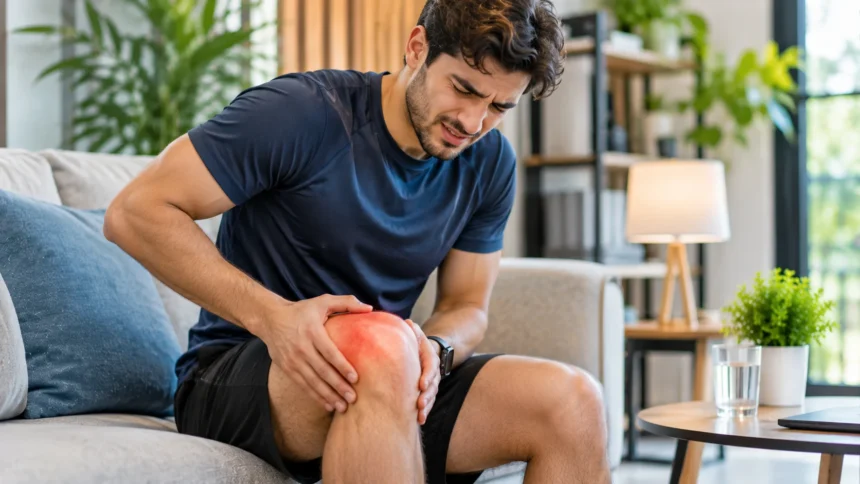
You are walking upstairs when a sudden ache develops just above your kneecap. At first, you think it is ordinary muscle soreness. However, the discomfort returns whenever you bend your knee, stand up, or walk for longer periods.
Dealing with knee pain can make everyday activities frustrating. Simple movements become uncomfortable, and you may start worrying about whether you have injured a muscle, tendon, or joint. Ignoring persistent symptoms may also delay appropriate treatment.
Understanding the causes of pain above knee cap can help you take the right next step. From muscle strains to tendon problems, several conditions can contribute to this discomfort. Fortunately, appropriate care and professional guidance can help improve many knee problems.
What Is Pain Above the Knee Cap?
Pain above the kneecap refers to discomfort in the area between the lower thigh and the upper part of the knee joint. It may feel like a dull ache, sharp pain, tenderness, or stiffness. The intensity can vary depending on the underlying condition.
Several important structures surround this area, including the quadriceps muscles, quadriceps tendon, and knee joint tissues. These structures work together to support movement and stability. An injury or irritation affecting them may cause discomfort.
Although upper knee pain is often associated with physical activity, it can also develop without an obvious injury. Understanding when the pain started and which movements make it worse can help a healthcare professional identify its cause.
What Causes Pain Above the Knee Cap?
Experiencing knee discomfort without knowing its cause can be worrying. While some cases result from temporary muscle irritation, others involve injuries or medical conditions that require treatment. The location of pain alone cannot confirm a diagnosis.
The following are several common and clinically important causes of discomfort above or around the kneecap.
1. Quadriceps Tendinopathy
The quadriceps tendon connects the muscles at the front of your thigh to the upper part of your kneecap. Repeated physical stress can irritate this tendon and cause a condition known as quadriceps tendinopathy.
People experiencing quadriceps tendon pain may notice discomfort while climbing stairs, squatting, or running. The area directly above the kneecap may also become tender. Symptoms often develop gradually rather than following a single injury.
Reducing painful activities and receiving appropriate rehabilitation guidance can help manage this condition. Persistent tendon discomfort should be evaluated by a healthcare professional before returning to demanding physical activities.
2. Quadriceps Muscle Strain
Your quadriceps muscles help straighten your knee and support everyday movements. Sudden movements, muscle overload, or sporting injuries may cause a strain. Discomfort can develop in the lower thigh near the kneecap.
A muscle strain may cause tenderness, weakness, and difficulty moving the affected leg comfortably. Some people also experience swelling or bruising. Symptoms depend on the location and severity of the injury.
Mild strains may improve with appropriate rest and gradual recovery. However, significant weakness, severe discomfort, or difficulty walking requires professional assessment.
3. Patellofemoral Pain Syndrome
Patellofemoral pain syndrome is a condition that causes discomfort around or behind the kneecap. It is sometimes called runner’s knee, although it can affect people who do not participate in running activities.
The discomfort may become noticeable when climbing stairs, bending the knee, or sitting for extended periods. Changes in physical activity and the way forces are distributed across the knee may contribute to symptoms.
Treatment often involves activity modification and professionally guided rehabilitation. Identifying the factors contributing to discomfort can help determine the most appropriate recovery approach.
4. Knee Bursitis
Bursae are small, fluid-filled structures that reduce friction between certain tissues around your joints. When a bursa becomes irritated or inflamed, it can cause discomfort and swelling. This condition is known as bursitis.
Some forms of knee bursitis develop following repeated pressure or direct injury. Depending on the affected structure, discomfort may occur around the kneecap. Prepatellar bursitis typically causes swelling directly in front of the kneecap.
Avoiding activities that irritate the affected area may help relieve symptoms. However, swelling accompanied by redness, warmth, or fever requires urgent medical attention because infection is a possible cause.
5. Knee Arthritis
Arthritis can affect the knee joint and surrounding areas. Osteoarthritis involves changes within the joint, while inflammatory forms of arthritis can cause swelling and discomfort through different mechanisms.
People with knee arthritis may experience stiffness, restricted movement, and recurring pain. Discomfort may become more noticeable during walking, stair climbing, or other everyday activities.
Treatment depends on the type of arthritis and the individual’s symptoms. A healthcare professional can recommend appropriate management options, including physical therapy and other treatments when necessary.
6. Quadriceps Tendon Tear
A quadriceps tendon tear is a more serious injury that can cause sudden pain directly above the kneecap. It may occur following a fall, awkward landing, or another incident that places significant force on the tendon.
Symptoms may include rapid swelling, considerable weakness, and difficulty straightening the knee. Some individuals also experience a popping sensation at the time of injury.
A suspected tendon tear requires prompt medical evaluation. Attempting to exercise through the discomfort or delaying assessment may interfere with appropriate treatment and recovery.
Common Symptoms Associated With Upper Knee Pain
Knee discomfort does not feel the same for everyone. Some people experience pain only during movement, while others notice tenderness or stiffness even when resting. Recognizing additional symptoms can provide useful information about the underlying problem.
Common symptoms associated with upper knee pain include:
- Tenderness directly above the kneecap.
- Swelling around the knee joint.
- Discomfort when bending or straightening the leg.
- Pain while walking or climbing stairs.
- Reduced knee mobility.
- Weakness in the affected leg.
- Stiffness after periods of inactivity.
- Difficulty participating in everyday activities.
Pay attention to whether symptoms develop gradually or follow a specific injury. Recording these details can help a healthcare professional understand your condition more clearly. Avoid diagnosing yourself based only on a symptom checklist.
Why Do I Have Pain Above My Knee Cap When Bending?
Bending your knee changes the forces acting on its muscles, tendons, and joint surfaces. When these structures become irritated or injured, ordinary bending movements may cause discomfort. Activities such as sitting down or climbing stairs can become challenging.
Quadriceps tendinopathy and patellofemoral pain syndrome are possible explanations for discomfort during knee bending. Joint swelling and other knee conditions may also restrict comfortable movement.
Avoid repeatedly performing movements that cause sharp or increasing pain. If discomfort persists, interferes with everyday activities, or prevents normal knee movement, arrange a medical assessment.
Why Does Pain Above the Knee Cap Occur When Walking?
Walking requires several muscles and joints to work together. Your quadriceps help support the knee and control movement as you take each step. Irritation affecting these structures can make walking uncomfortable.
Pain above the knee cap when walking may result from tendon irritation, muscle injuries, arthritis, or other knee conditions. Some people notice symptoms after walking longer distances, while others experience discomfort almost immediately.
Reduce activities that noticeably worsen your symptoms rather than forcing yourself to continue. If you develop a significant limp or cannot bear weight on the affected leg, seek medical attention promptly.
What Causes Pain Above the Knee Cap After Running?
Running places repeated demands on the muscles, tendons, and joints of your legs. Sudden changes in training distance, frequency, or intensity may increase stress on these structures. Insufficient recovery can also contribute to discomfort.
Quadriceps tendinopathy and patellofemoral pain are possible causes of running-related knee discomfort. However, other injuries can produce similar symptoms. The timing and location of the pain provide clues but cannot establish a diagnosis.
Stop running if the activity causes significant knee pain. Allow time for recovery and consult a healthcare professional if symptoms continue or return. A gradual, guided return to activity is preferable to exercising through an injury.
What Causes Swelling Above the Knee Cap?
Swelling above the kneecap can make your knee feel tight, uncomfortable, and difficult to move. It may occur after an injury or develop because of inflammation within the surrounding tissues. Sometimes, excess fluid inside the knee joint collects above the kneecap.
Possible causes include tendon injuries, arthritis, and joint irritation. The amount of swelling does not always indicate how serious the condition is. Additional symptoms and the circumstances surrounding its development are also important.
Sudden or substantial swelling after an injury should receive prompt medical attention. A hot, red, swollen knee, particularly when accompanied by fever or feeling unwell, requires urgent assessment.
7 Safe Relief Tips for Pain Above the Knee Cap
When knee pain interrupts your daily routine, finding relief becomes a priority. However, choosing inappropriate treatments may aggravate certain injuries. The following measures may help manage mild discomfort when serious injury or other warning signs are absent.
1. Reduce Activities That Cause Pain
Give irritated muscles and tendons an opportunity to recover. Temporarily reduce activities such as running, jumping, or repeated knee bending if they make your symptoms worse.
Relative rest does not necessarily mean avoiding all movement. Comfortable everyday movements may be appropriate for mild symptoms unless a healthcare professional recommends otherwise.
2. Apply a Cold Pack
Cold therapy may provide temporary relief from discomfort and swelling following a minor injury. Wrap a cold pack in a thin towel before placing it against the affected area.
Limit application to around 15–20 minutes at a time. Avoid placing ice directly against your skin, and seek advice before using cold therapy if you have circulation or sensation problems.
3. Elevate Your Leg
Swelling can make the knee feel uncomfortable and restrict movement. Supporting your leg in a comfortable, elevated position while resting may help reduce swelling.
Use pillows to support the leg without forcing the knee into an uncomfortable position. If swelling is substantial, unexplained, or increasing, seek medical advice rather than relying on elevation alone.
4. Maintain Gentle, Comfortable Movement
Keeping the knee completely still for extended periods may contribute to stiffness in some conditions. Gentle movement within a comfortable range can help maintain mobility when appropriate.
Do not force movements that cause sharp pain, increased swelling, or instability. Suspected serious injuries should be assessed before attempting exercises.
5. Wear Comfortable, Supportive Footwear
Uncomfortable or worn-out footwear may affect how you move during everyday activities. Choosing shoes that fit properly and provide comfortable support can make walking more manageable.
Footwear is not a treatment for every knee condition. A physical therapist can help determine whether changes to your shoes or movement patterns may be beneficial.
6. Consider Professional Physical Therapy
A physical therapist can assess your movement, muscle strength, and functional limitations. This assessment helps identify factors that may contribute to recurring knee discomfort.
Depending on your diagnosis, rehabilitation may include mobility work and gradually introduced strengthening activities. An individualized program is more appropriate than following random exercises designed for unrelated knee conditions.
7. Discuss Pain Relief With a Healthcare Professional
Certain over-the-counter medicines may provide temporary relief from knee discomfort. However, their suitability depends on factors such as age, medical history, and other medications.
Speak with a doctor or pharmacist before choosing medication, particularly when treating children or teenagers. Pain relief should not be used to mask an injury and continue activities that worsen symptoms.
How Is Pain Above the Knee Cap Diagnosed?
Finding the exact source of knee discomfort requires more than identifying where it hurts. Several conditions can produce similar symptoms, making professional evaluation important when discomfort is persistent or severe.
A healthcare professional may ask when your symptoms began, whether you experienced an injury, and which activities cause discomfort. They may also assess joint movement, tenderness, swelling, and muscle function.
Depending on the findings, additional investigations may include:
- X-rays to assess bones and certain joint changes.
- Ultrasound to examine relevant soft tissues.
- MRI scans to investigate suspected tissue injuries.
- Blood tests when inflammation or infection is suspected.
Not every case of knee pain requires medical imaging. Your healthcare professional will determine which investigations, if any, are appropriate for your symptoms.
Medical Treatment Options for Upper Knee Pain
Home care may provide temporary relief, but some conditions require additional treatment. The most suitable approach depends on the cause, severity, and duration of your discomfort.
Treatment may include physical therapy, activity adjustments, appropriate medication, or supportive equipment. Certain inflammatory conditions may require specialized medical management. More serious injuries, including complete quadriceps tendon tears, may require surgery.
Following an appropriate treatment plan helps address the underlying problem rather than simply reducing discomfort. Discuss your recovery expectations and activity limitations with your healthcare professional.
How to Prevent Pain Above the Knee Cap
Recurring knee discomfort can interrupt everyday activities and make physical movement feel challenging. Although not every injury is preventable, developing healthy movement habits may reduce certain risks.
Consider the following preventive measures:
- Increase physical activity gradually.
- Allow adequate recovery between demanding activities.
- Warm up before sports and exercise.
- Wear comfortable and appropriate footwear.
- Maintain muscle strength through suitable activities.
- Avoid repeatedly exercising through pain.
- Seek professional guidance for recurring symptoms.
Children and teenagers experiencing recurring knee pain should tell a parent, caregiver, or trusted adult. Early assessment can help identify injuries and determine when returning to sports is appropriate.
When Should You See a Doctor for Knee Pain?
Mild knee discomfort may improve with appropriate care, but certain symptoms should never be ignored. Delaying treatment for a significant injury or infection can lead to complications.
Seek urgent medical attention if you experience:
- Severe or rapidly increasing knee pain.
- Inability to bear weight on your leg.
- Sudden inability to straighten your knee.
- Significant swelling following an injury.
- A visibly misshapen knee.
- A hot, red, swollen knee with fever or chills.
- Knee locking or significant instability.
Arrange a routine medical appointment if discomfort persists, frequently returns, or interferes with everyday activities. Getting the right diagnosis can help you avoid unnecessary treatments and make informed recovery decisions.
Conclusion
Pain above the knee cap can develop for several reasons, including muscle strains, quadriceps tendinopathy, arthritis, and other knee conditions. Understanding your symptoms can help you recognize when simple care may be appropriate and when professional assessment is necessary.
Reducing painful activities, allowing sufficient recovery, and receiving appropriate rehabilitation guidance may help improve discomfort. However, severe symptoms, significant swelling, and restricted movement require timely medical attention rather than self-treatment.
Start by noting when your knee pain began, which movements trigger it, and whether other symptoms are present. Share this information with a healthcare professional if the discomfort persists. Taking appropriate action early can support a safer recovery and help you return to everyday activities.
Frequently Asked Questions
What causes pain directly above the knee cap?
Quadriceps tendinopathy is one possible cause of pain directly above the kneecap. Muscle strains, tendon tears, joint inflammation, and other knee conditions can also cause similar discomfort.
How do you relieve pain above the knee cap?
Relative rest, cold therapy, and avoiding painful activities may help relieve mild discomfort. Persistent or severe symptoms require professional assessment and treatment based on the underlying cause.
Is walking good for pain above the knee cap?
Comfortable walking may be appropriate for some mild knee conditions. However, stop if walking increases pain or causes limping. Seek medical attention if you cannot bear weight.
How long does pain above the knee cap last?
Recovery time depends on the underlying cause and injury severity. Mild irritation may improve within days or weeks, while tendon problems and significant injuries can require longer rehabilitation.
Can pain above the knee cap heal on its own?
Some minor muscle strains and temporary irritation may improve with appropriate care. However, serious tendon injuries, infections, and certain joint conditions require medical treatment and should not be ignored.