
Gentle heel spur exercises may help relieve discomfort associated with plantar fasciitis, improve flexibility, and support comfortable movement. These exercises target the muscles and soft tissues surrounding the heel. However, they cannot physically remove a heel spur.
The good news is that many people with plantar heel pain benefit from appropriate conservative care. Understanding proper exercise techniques and knowing when to rest can make recovery more manageable. This guide explains suitable exercises, their potential benefits, and practical tips for protecting your feet.
What Is a Heel Spur?
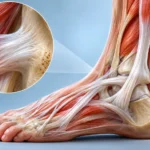
A heel spur is a bony growth that develops on the heel bone, also known as the calcaneus. It may form near the attachment of the plantar fascia or Achilles tendon. These growths can develop gradually over an extended period.
Many people have heel spurs without experiencing any symptoms. When pain occurs beneath the heel, irritation of the surrounding soft tissues may be responsible rather than the spur itself. Plantar fasciitis is a common example of this problem.
Understanding this difference is important when choosing exercises for heel pain. The purpose of rehabilitation is usually to improve flexibility, strength, and everyday comfort. Exercises do not dissolve or break down existing bone growths.
What Causes Heel Spurs and Heel Pain?
Experiencing heel pain without understanding its cause can make everyday activities frustrating. You might assume that your footwear is responsible when several factors could be involved. Identifying the underlying problem helps you choose appropriate management strategies.
Common factors associated with plantar heel pain include:
- Tight calf muscles.
- Prolonged standing or walking.
- Unsupportive or worn-out footwear.
- Sudden changes in physical activity.
- Reduced ankle flexibility.
- Repeated stress on foot tissues.
- Certain foot arch characteristics.
However, not every case of heel pain involves a heel spur. Stress fractures, Achilles tendon problems, and other conditions can produce similar symptoms. Children and teenagers may also experience growth-related heel pain, which requires a different approach.
Can Heel Spur Exercises Really Help?
Living with persistent heel discomfort can make you feel uncertain about physical activity. You might worry that moving your foot will make the problem worse. However, appropriate rehabilitation exercises can support recovery when the underlying condition has been identified.
Stretching may help improve flexibility in the calf muscles and plantar fascia. Strengthening exercises can support the muscles responsible for controlling foot and ankle movement. Together, these activities may improve walking comfort and everyday function.
The key is choosing exercises suitable for your symptoms and diagnosis. Avoid forcing painful movements or following demanding routines without professional guidance. Gentle, controlled exercises are generally a better starting point than aggressive stretching.
7 Gentle Heel Spur Exercises for Pain Relief
Finding suitable exercises can feel overwhelming when different routines promise immediate results. Not every exercise is appropriate for every type of heel pain. The following examples are intended primarily for adults with plantar heel pain who have been advised that gentle rehabilitation is suitable.
1. Standing Calf Stretch
Tight calf muscles may contribute to tension around the foot and ankle. A standing calf stretch targets the larger muscle at the back of your lower leg. It may help improve ankle flexibility and reduce associated stiffness.
How to perform it:
- Stand facing a wall with your hands resting against it.
- Place one foot slightly behind the other.
- Keep your back knee straight and your heel grounded.
- Gently bend your front knee until you notice a mild calf stretch.
- Hold briefly before relaxing.
Keep your feet pointing forward and avoid bouncing during the movement. You should feel gentle tension rather than sharp discomfort. Stop if the exercise increases your heel pain.
2. Seated Plantar Fascia Stretch
Morning heel stiffness can make your first few steps particularly uncomfortable. A seated plantar fascia stretch gently targets the tissue running beneath your foot. It can be performed without placing your full body weight on the affected heel.
How to perform it:
- Sit comfortably on a stable chair.
- Rest your affected foot across your opposite knee.
- Hold your toes gently with your hand.
- Slowly move your toes toward your shin.
- Release after a comfortable stretch.
Avoid pulling your toes forcefully or holding them in an uncomfortable position. This exercise may be helpful before standing after a period of rest. Ask a physiotherapist for an alternative if reaching your foot is difficult.
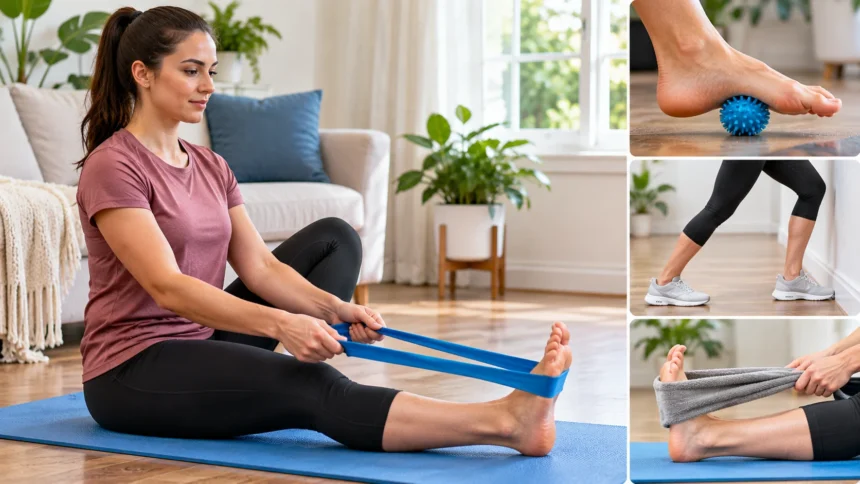
3. Seated Towel Stretch
Standing exercises may feel uncomfortable when your heel is particularly sensitive. A seated towel stretch offers an alternative way to gently move the ankle. It requires only a towel and a comfortable sitting position.
How to perform it:
- Sit with your affected leg comfortably extended.
- Place a towel around the front of your foot.
- Hold both ends of the towel.
- Gently draw your foot toward your body.
- Relax when you feel mild tension.
Keep your movements slow and avoid pulling excessively. The aim is to encourage comfortable flexibility rather than achieve the deepest possible stretch. This exercise should not produce sharp pain beneath or behind your heel.
4. Bent-Knee Calf Stretch
The calf contains more than one important muscle involved in ankle movement. The soleus muscle sits deeper beneath the larger calf muscle. A bent-knee calf stretch helps target this area.
How to perform it:
- Stand facing a wall for support.
- Move one foot slightly behind the other.
- Keep both heels resting on the floor.
- Gently bend your knees.
- Maintain a comfortable stretch before relaxing.
Avoid lifting your back heel or forcing your knees forward. This movement may support ankle flexibility when performed appropriately. People experiencing Achilles tendon pain should seek professional advice before trying it.
5. Towel Scrunches
Weakness in the smaller foot muscles may affect how comfortably your foot handles everyday activities. Towel scrunches provide a simple way to engage these muscles. They can be performed while sitting, without prolonged standing.
How to perform it:
- Sit on a chair with your feet on the floor.
- Place a small towel beneath your toes.
- Gently curl your toes to gather the towel.
- Release your toes and relax your foot.
- Continue only while the movement remains comfortable.
Avoid gripping the towel so tightly that your foot begins cramping. Keep your ankle relaxed and focus on controlled movement. A physiotherapist can help determine whether this exercise suits your rehabilitation needs.
6. Supported Heel Raises
Calf strength plays an important role in walking and maintaining balance. Supported heel raises can help strengthen the muscles involved in these movements. However, they place more pressure on the foot than seated exercises.
How to perform it:
- Stand beside a stable counter for support.
- Keep both feet comfortably positioned on the floor.
- Slowly lift your heels a small distance.
- Lower your heels gently to the starting position.
- Rest before attempting another movement.
Perform this exercise only when comfortable weight-bearing is possible and a healthcare professional considers it appropriate. Avoid using stairs or adding resistance during early rehabilitation. Stop if standing or lifting your heels causes pain.
7. Seated Foot Rolling
Stiffness beneath the foot can make walking uncomfortable after extended periods of rest. Gentle foot rolling may provide temporary relief for some people. This technique focuses on comfortable soft-tissue movement rather than strengthening.
How to perform it:
- Sit comfortably on a chair.
- Place a soft massage ball beneath your foot.
- Slowly move your foot forward and backward.
- Apply only light, comfortable pressure.
- Stop if tenderness increases.
Avoid pressing directly into a particularly painful area of the heel. Excessive pressure may irritate sensitive tissues instead of helping them relax. People with reduced foot sensation or circulation problems should seek medical advice first.
What Are the Benefits of Heel Spur Exercises?
Persistent heel pain can interfere with work, household responsibilities, and enjoyable activities. Appropriate foot rehabilitation may help address some of the movement limitations associated with plantar heel pain. However, individual results depend on the underlying condition and its severity.
Potential benefits of heel spur exercises include:
- Improved calf flexibility.
- Reduced foot stiffness.
- Better ankle mobility.
- Improved foot muscle strength.
- Greater comfort during everyday movement.
- Reduced symptoms associated with plantar fasciitis.
These benefits generally develop gradually rather than overnight. Exercises work best when combined with suitable footwear, activity adjustments, and professional guidance when needed. The main objective is comfortable function, not removing the bone spur.
How Often Should You Perform Heel Spur Exercises?
Many people believe that performing more exercises will speed up recovery. However, doing too much may irritate sensitive tissues and increase discomfort. A rehabilitation routine should match your symptoms and current physical abilities.
Start with gentle movements recommended by your healthcare professional. Allow adequate rest between activities and pay attention to how your heel feels afterward. Exercise frequency, duration, and repetitions should be adjusted according to your individual response.
A useful approach is to observe whether symptoms become worse later in the day or the following morning. Increased discomfort may indicate that your routine needs adjustment. Never continue an exercise simply to complete a predetermined number of repetitions.
Which Exercises Should You Avoid With Heel Pain?
Remaining active can feel important, especially when exercise is part of your daily routine. However, certain activities may place additional stress on an already sensitive heel. Temporarily modifying these activities can give irritated tissues time to recover.
Activities that may aggravate heel pain include:
- Running on hard surfaces.
- Repeated jumping exercises.
- High-impact aerobics.
- Prolonged barefoot walking on hard floors.
- Aggressive calf stretching.
- Heavy resistance exercises that increase heel pain.
- Repeated heel drops from elevated surfaces.
These activities are not necessarily harmful for everyone. Their suitability depends on the diagnosis, symptoms, and stage of recovery. A physiotherapist can recommend appropriate alternatives and help you return to your preferred activities safely.
Common Mistakes When Performing Heel Spur Exercises
Even helpful exercises can become uncomfortable when performed incorrectly. Many people unknowingly apply excessive pressure or move too quickly while stretching. Understanding common mistakes can make your rehabilitation routine safer.
| Common mistake | Better approach |
|---|---|
| Stretching through sharp pain | Stop and reassess the movement |
| Performing too many repetitions | Follow an individualized routine |
| Bouncing during stretches | Use slow, controlled movements |
| Exercising without adequate rest | Allow time for recovery |
| Ignoring worsening symptoms | Seek professional advice |
| Applying excessive massage pressure | Use light, comfortable pressure |
| Expecting immediate recovery | Allow time for gradual improvement |
Good exercise technique matters more than completing a large number of movements. Focus on comfort, control, and gradual improvement. If you are unsure about your form, a qualified physiotherapist can demonstrate appropriate techniques.
How to Manage Heel Spur Pain at Home
Exercises alone may not address every factor contributing to heel discomfort. Everyday habits, footwear choices, and prolonged standing can also influence how your foot feels. Combining several supportive strategies may provide better symptom management.
Wear Supportive Footwear
Unsupportive shoes may increase discomfort during standing and walking. Choose comfortable footwear with appropriate arch support, cushioning, and sufficient room for your toes. Avoid shoes that repeatedly make your symptoms worse.
Use Appropriate Heel Cushions
Heel cushions or suitable insoles may help improve comfort during weight-bearing activities. Different products provide different levels of support and cushioning. A podiatrist can help you determine whether an insert is appropriate for your foot.
Allow Your Feet to Rest
Standing or walking for extended periods can aggravate sensitive heel tissues. Take comfortable breaks during activities that increase your symptoms. Rest is an important part of recovery and should not be replaced by additional exercise.
Consider Cold Therapy
A wrapped cold pack may provide temporary relief from heel discomfort. Avoid placing ice directly against your skin or using it for prolonged periods. People with circulation problems or reduced sensation should consult a healthcare professional before using cold therapy.
Adjust Your Daily Activities
You may need to temporarily change activities that repeatedly aggravate your heel. Consider reducing prolonged standing and arranging seated breaks when possible. Return to more demanding activities gradually as your symptoms improve and professional guidance permits.
How Long Does It Take for Heel Pain to Improve?
Waiting for heel pain to improve can be frustrating, particularly when it interrupts your normal routine. Some people notice improvements within several weeks, while others require several months of conservative treatment. Recovery depends on the cause and duration of symptoms.
Appropriate exercises, comfortable footwear, and activity modifications may support improvement over time. However, recovery is not always consistent from one day to the next. Temporary symptom changes do not necessarily mean that treatment has failed.
Rather than expecting immediate relief, pay attention to meaningful functional improvements. Walking more comfortably or experiencing less morning stiffness may indicate progress. Persistent or worsening symptoms deserve professional assessment rather than increasingly demanding exercises.
When Should You See a Doctor for Heel Spur Pain?
Although some cases of plantar heel pain respond to conservative care, not every condition should be managed at home. Persistent symptoms may indicate a problem requiring a different treatment approach. Early assessment can help identify the actual source of discomfort.
Arrange a medical appointment if you experience:
- Heel pain that interferes with normal activities.
- Symptoms that worsen or repeatedly return.
- Pain that has not improved after two weeks of home care.
- Persistent tingling or reduced foot sensation.
- Heel pain alongside diabetes.
- Unexplained discomfort that affects your walking.
Seek urgent medical care if you cannot bear weight after an injury, experience sudden severe pain, or notice significant swelling or a change in foot shape. A sudden snapping sound during an injury also requires assessment. Children and teenagers with persistent heel pain should tell a parent or trusted adult and receive appropriate medical guidance.
Conclusion
Heel spur exercises may help improve flexibility, reduce stiffness, and manage discomfort associated with plantar fasciitis. Gentle stretches and appropriate strengthening activities can support better everyday movement. However, exercises cannot remove a heel spur or treat every possible cause of heel pain.
Successful recovery often involves combining rehabilitation with supportive footwear, suitable rest, and activity adjustments. Avoid forcing painful movements or expecting immediate results. Listening to your symptoms and following professional recommendations can help you make more informed recovery decisions.
Start by identifying when your heel pain occurs and which activities make it worse. Discuss persistent symptoms with a qualified healthcare professional and ask which exercises are suitable for your condition. With appropriate support and gradual rehabilitation, improving everyday foot comfort may become more achievable.
Frequently Asked Questions
What is the best exercise for heel spurs?
Gentle plantar fascia and calf stretches are commonly recommended for plantar fasciitis-related heel pain. However, the most appropriate exercise depends on your diagnosis, symptoms, and individual physical abilities.
Can exercises remove heel spurs naturally?
No, exercises cannot remove or dissolve heel spurs. They may help improve flexibility, strengthen supporting muscles, and reduce discomfort associated with irritation of the surrounding soft tissues.
Is walking good for heel spurs?
Comfortable walking may be suitable for some people with heel spurs. However, prolonged walking that increases pain should be reduced, and persistent discomfort should be assessed by a healthcare professional.
Should I massage my heel spur?
Gentle massage around the foot may provide temporary comfort. Avoid applying strong pressure directly over painful areas, and seek professional advice if massage increases discomfort or irritation.
Are heel spur exercises safe for everyone?
No, exercise suitability depends on the underlying cause of heel pain. People with recent injuries, circulation problems, diabetes, or persistent symptoms should obtain appropriate medical guidance before starting rehabilitation exercises.