
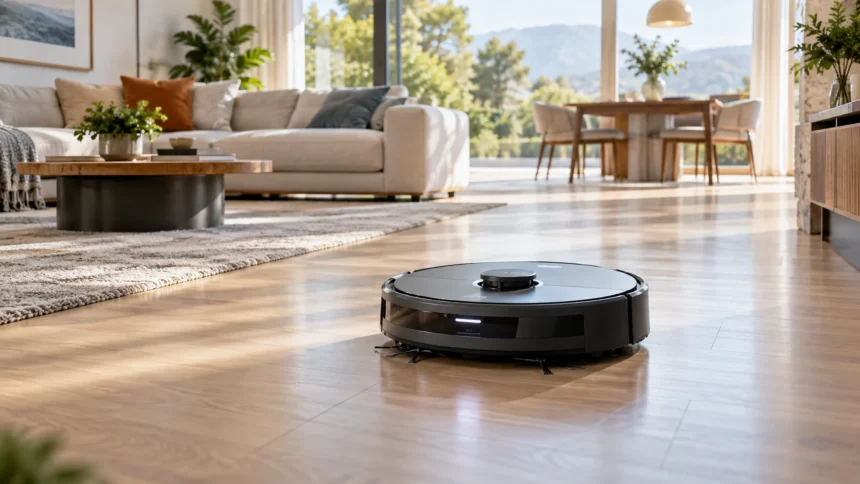
Robot vacuums have changed the way people handle everyday floor cleaning. Instead of spending time pushing a traditional vacuum around every room, a smart robotic cleaner can automatically collect dust, crumbs, pet hair, and other debris while you focus on other tasks. Many modern models also include mapping, scheduled cleaning, automatic charging, and even mopping functions.
Choosing the best robot vacuum depends on your flooring, home layout, pets, cleaning habits, and budget. Some models are designed for powerful carpet cleaning, while others perform better on hardwood, tile, or homes with lots of pet hair. Understanding the differences makes it easier to find a robotic vacuum that genuinely reduces your cleaning workload.
Why Robot Vacuums Make Everyday Cleaning Easier
Robot vacuums are designed to handle repetitive floor cleaning with minimal human effort. Once programmed, they can automatically move through different rooms, collect surface dirt, and return to their charging station when the battery becomes low. This makes them especially useful for busy households where daily vacuuming may otherwise be difficult to maintain consistently.
Another major advantage is scheduled cleaning. Many smart robot vacuums allow you to choose specific days, times, rooms, or zones through a mobile application. You can schedule the vacuum to clean while you are working, shopping, sleeping, or away from home, helping prevent dirt and pet hair from building up between deeper cleaning sessions.
Modern robotic vacuums are also becoming increasingly intelligent. Mapping technology allows many models to learn the layout of your home and clean rooms using organized routes instead of moving randomly. Advanced sensors can detect furniture, walls, stairs, and other obstacles, creating a more efficient and convenient automated cleaning experience.
Best Robot Vacuum for Overall Everyday Cleaning
The best overall robot vacuum should provide a balanced combination of suction power, smart navigation, battery life, and reliable cleaning performance. It should move easily between rooms while collecting common household debris such as dust, crumbs, hair, and small particles. Strong navigation is particularly important because inefficient movement can increase cleaning time and leave areas unfinished.
For most households, app control and room mapping are also valuable features. A well-designed robotic cleaner should allow users to create cleaning schedules, select individual rooms, establish restricted areas, and monitor cleaning progress. These controls make the vacuum more flexible because you can adjust its behavior according to changing household needs rather than cleaning the entire home every time.
Battery performance should also match the size of your living space. A vacuum used in a small apartment may not require an extremely large battery, while bigger homes benefit from longer runtimes and automatic recharge-and-resume technology. The best everyday option is therefore not necessarily the most expensive machine, but the one that consistently handles your normal cleaning routine.
Best Robot Vacuum for Pet Hair
Homes with dogs or cats often require more frequent vacuuming because loose fur can quickly collect under furniture, along baseboards, and across carpets. A robot vacuum for pet hair should have strong suction and an effective brush system capable of lifting hair without constantly becoming tangled. Larger dustbins can also reduce how frequently the machine needs emptying.
Brush design deserves particular attention when choosing a pet-friendly robot vacuum. Rubber rollers and anti-tangle brush systems can be easier to maintain than traditional bristle brushes when dealing with long hair or heavy shedding. Edge-cleaning brushes are also useful because pet fur frequently gathers near walls, furniture legs, corners, and other areas where normal floor traffic pushes debris.
Pet owners may also benefit from models with self-emptying stations. Instead of manually emptying a small onboard dustbin after every cleaning cycle, the robot automatically transfers collected debris into a larger container at its base. This feature can significantly reduce maintenance in homes where pets shed heavily throughout the week.
Best Robot Vacuum for Carpets
Carpeted homes generally require stronger suction than homes containing mostly smooth flooring. Dirt, dust, pet hair, and small particles can become trapped between carpet fibers, making them harder for low-powered robotic cleaners to remove. A good robot vacuum for carpets should automatically increase suction when it detects carpet or provide adjustable cleaning power through its mobile application.
The wheels and brush system are equally important. A robotic vacuum needs enough traction to move smoothly across rugs and carpet without becoming stuck at edges or transitions between flooring types. A strong rotating brush can loosen embedded debris before suction pulls it into the dustbin, improving cleaning performance on medium-pile and certain thicker carpets.
Homeowners with several rugs should also consider obstacle detection and mapping accuracy. Lightweight rugs, tassels, cords, and raised edges can interfere with some robots if the area is not prepared beforehand. Creating virtual boundaries around troublesome spots can help the vacuum maintain an efficient cleaning route while reducing the likelihood of interruptions.
Best Robot Vacuum for Hardwood and Tile Floors
Hardwood, laminate, vinyl, and tile floors are generally easier for robotic vacuums to clean because dirt remains near the surface. However, good suction and properly designed side brushes are still important for collecting fine dust, crumbs, and debris. A quality robot should clean efficiently without aggressively dragging brushes or rough components across sensitive flooring.
Navigation becomes particularly noticeable on open hard-floor layouts. Robot vacuums with accurate mapping can move in systematic lines, covering rooms more consistently than machines that rely mainly on random navigation. Efficient routes can reduce repeated passes over the same areas while improving coverage around dining tables, kitchen cabinets, hallways, and frequently used living spaces.
Many people who invest in automated cleaning also use other devices to simplify their daily technology routine. If you are creating a convenient home setup, choosing reliable wireless chargers can reduce cable clutter around desks and living areas. Small improvements like these can make everyday home maintenance and technology use feel considerably more organized.
Best Robot Vacuum and Mop Combination
Robot vacuum and mop combinations can handle loose debris while also wiping light dirt from hard flooring. These machines typically vacuum first or perform both functions during the same cleaning cycle, depending on their design. They are particularly convenient for kitchens, hallways, and living areas where dust, footprints, and small spills frequently appear between manual cleaning sessions.
The mopping system can vary significantly between models. Basic machines may drag a damp cleaning pad across the floor, while more advanced robots use rotating or vibrating mop pads that apply additional movement. Premium docking stations may even wash and dry the mop automatically, reducing the amount of maintenance required after each cleaning session.
A robot mop should generally be viewed as a maintenance tool rather than a complete replacement for occasional deep floor cleaning. Dried spills, sticky residue, and heavily soiled areas may still require manual attention. However, frequent automated mopping can help prevent everyday dirt from accumulating and keep hard floors looking cleaner for longer periods.
Best Budget Robot Vacuum for Simple Cleaning
You do not always need an expensive robotic vacuum to automate basic cleaning. Budget robot vacuums can work well in apartments, bedrooms, offices, and smaller homes with straightforward layouts. Many affordable machines provide reasonable suction, automatic charging, scheduled cleaning, and basic navigation, which may be sufficient for users who primarily want help managing everyday dust and crumbs.
Lower-priced models may sacrifice advanced features such as detailed room mapping, sophisticated obstacle recognition, self-emptying stations, or powerful carpet detection. However, these features are not essential for every household. Someone living in a small, uncluttered apartment with hard flooring may receive excellent practical value from a simpler robot that reliably performs regular maintenance cleaning.
Before purchasing an inexpensive model, check replacement-part availability and ongoing maintenance requirements. Filters, side brushes, main rollers, and batteries eventually wear out regardless of the vacuum’s purchase price. Choosing a robot with readily available replacement components can provide better long-term value than buying an extremely cheap machine that becomes difficult to maintain.
Best Self-Emptying Robot Vacuum for Convenience
Self-emptying robot vacuums provide one of the most noticeable improvements in hands-free cleaning. After completing a cleaning cycle, the robot returns to its docking station, where debris is automatically removed from the onboard dustbin. Depending on the base design and household conditions, users may only need to empty or replace the larger collection container occasionally.
This system can be especially useful for larger homes, busy families, and households with shedding pets. Standard robot vacuum dustbins are relatively small and may fill quickly when cleaning large quantities of hair or debris. Automatic emptying allows the robot to perform repeated cleaning cycles with less intervention, making scheduled cleaning considerably more practical.
The convenience normally comes with a higher purchase price and a larger docking station. Replacement bags may also create an ongoing expense on models that use disposable collection bags. Before buying, consider whether reduced maintenance is worth the additional cost and whether you have enough floor space for the charging and emptying base.
Important Features to Compare Before Buying
Suction power is an important specification, but it should not be considered alone. Navigation quality, brush design, floor detection, battery management, and software can significantly influence real-world cleaning performance. A robot with excellent navigation and a good cleaning pattern may produce more consistent results than a more powerful vacuum that frequently misses sections of the floor.
Smart mapping is another valuable feature for medium and large homes. Advanced robot vacuums can create digital maps showing individual rooms and cleaning zones, allowing you to clean specific areas when needed. Virtual boundaries can prevent the machine from entering pet feeding areas, children’s play spaces, rooms with delicate objects, or sections containing troublesome cables.
You should also evaluate maintenance features before choosing a model. Consider how easily you can remove the roller, clean tangled hair, replace filters, empty the bin, and obtain replacement parts. Convenient maintenance may seem less important during the initial purchase, but it often determines whether a robotic vacuum remains useful after months or years of regular cleaning.
How to Choose the Right Robot Vacuum for Your Home
Start by considering the flooring throughout your home. Mostly carpeted homes usually need stronger suction and effective brush rollers, while hard-floor households can prioritize navigation, edge cleaning, and optional mopping. Mixed-floor homes should look for machines capable of automatically adapting cleaning behavior when moving between hardwood, tile, rugs, and carpeted areas.
Next, consider your home’s size and layout. Small apartments may work perfectly with basic navigation, while larger or multi-room homes benefit significantly from accurate mapping and recharge-and-resume functionality. Homes containing many furniture pieces, toys, cables, or other obstacles may also benefit from advanced object detection that helps robots navigate complicated environments more reliably.
Finally, decide which convenience features genuinely matter to you. Self-emptying docks, automatic mop washing, voice control, advanced mapping, and artificial intelligence obstacle avoidance can be useful, but they usually increase the price. Prioritizing features according to your actual cleaning problems helps prevent spending extra money on technology that you may rarely use.
Tips for Getting Better Results From a Robot Vacuum
Preparing the floor before cleaning can greatly improve robot vacuum performance. Remove charging cables, small toys, clothing, lightweight objects, and anything else that could become trapped in the brushes. Although advanced models can recognize many obstacles, maintaining a relatively clear floor allows the robot to clean faster and reduces unnecessary interruptions.
Regular maintenance is equally important. Empty the dustbin when necessary, clean filters, remove tangled hair from rollers, and inspect side brushes for damage. Sensors should also be wiped periodically because accumulated dust can affect navigation and obstacle detection, while dirty charging contacts may prevent the robot from connecting properly with its docking station.
Using a robot vacuum frequently usually produces better results than waiting until floors become extremely dirty. Scheduling light cleaning several times each week prevents dust, crumbs, and pet hair from accumulating. The robot can handle routine maintenance, while occasional traditional vacuuming or deeper cleaning can address stairs, upholstery, corners, and other areas the machine cannot easily reach.
Common Robot Vacuum Mistakes to Avoid
One common mistake is expecting a robotic vacuum to completely replace every form of manual cleaning. Robots are excellent for maintaining accessible floor areas, but they cannot clean stairs, furniture, shelves, curtains, or many tight spaces. Treating the machine as part of your cleaning routine rather than the only cleaning tool creates more realistic expectations and better results.
Another mistake is choosing a vacuum based only on impressive specifications. Extremely high suction numbers may sound attractive, but poor navigation, unreliable software, or difficult maintenance can make the overall experience frustrating. Look at how the machine’s different features work together and focus on the capabilities that match your home’s flooring, size, and typical debris.
Ignoring maintenance can also shorten the useful life of a robot vacuum. Hair wrapped around rollers increases resistance, clogged filters reduce airflow, and dirty sensors can cause navigation problems. Spending a few minutes regularly inspecting and cleaning these components helps maintain suction performance, improves movement, and reduces the likelihood of preventable mechanical issues.
Conclusion
The best robot vacuums make routine floor cleaning easier by handling dust, crumbs, pet hair, and everyday debris automatically. Features such as smart mapping, scheduling, automatic charging, carpet detection, and mopping can significantly reduce the effort needed to maintain clean floors. The right combination of features depends largely on your household and flooring.
Pet owners may prioritize anti-tangle rollers and self-emptying stations, while carpeted homes generally require stronger suction. Hard-floor households may benefit more from accurate navigation and mopping functions. Rather than choosing the most expensive model available, focus on the cleaning challenges you actually experience and select features that directly address them.
A robot vacuum works best when combined with sensible floor preparation and regular maintenance. Keep obstacles under control, clean brushes and filters, and schedule frequent cleaning before dirt becomes heavily accumulated. With the right machine and routine, automated vacuuming can become a practical way to keep your home consistently cleaner with considerably less daily effort.
FAQs
Are robot vacuums actually worth buying?
Robot vacuums can be worthwhile for people who want regular floor maintenance with less effort. They are particularly useful for busy households, pet owners, and anyone dealing with frequent dust or crumbs.
Can robot vacuums replace normal vacuums?
Not completely. Robot vacuums handle everyday floor cleaning effectively, but traditional vacuums are still useful for stairs, upholstery, tight corners, deep carpet cleaning, and areas the robot cannot access.
How often should I run my robot vacuum?
Many households benefit from running a robot vacuum three to five times per week. Homes with pets, children, or heavy floor traffic may benefit from daily automated cleaning.
Do robot vacuums work well on carpets?
Yes, many robot vacuums can clean low- and medium-pile carpets effectively. Models with stronger suction, rotating brush rollers, carpet detection, and automatic power adjustment generally provide better results on carpeted floors.
How long do robot vacuums usually last?
A well-maintained robot vacuum can often provide several years of regular use. Battery condition, cleaning frequency, maintenance habits, replacement-part availability, and overall build quality can influence its useful lifespan.