

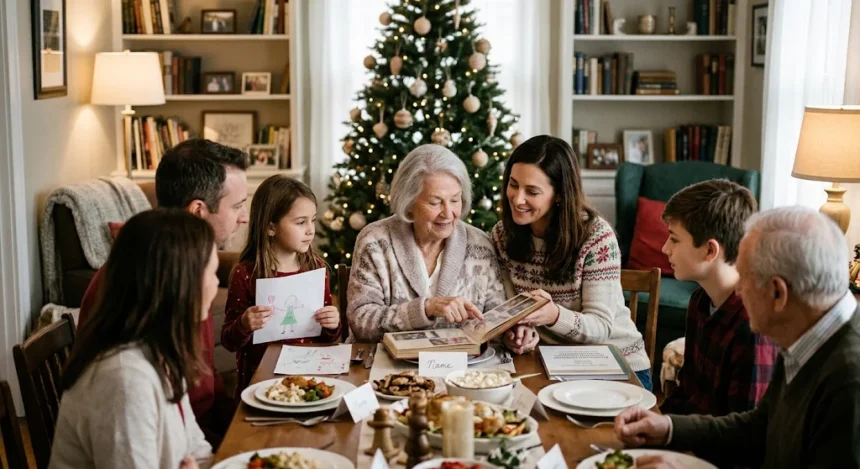
Holiday Gatherings and Memory Loss: How to Plan a Comfortable Celebration
Holiday gatherings can bring warmth and connection, but they can also feel different when a loved one has memory changes. A crowded room, a late meal, or questions from relatives may be tiring or confusing.
Planning a holiday gathering for someone with memory loss starts with a simple question: What would help your loved one feel comfortable and included? For families affected by Alzheimer’s disease, learning about the condition can prepare relatives for changes in familiar celebrations. A few thoughtful adjustments can make room for connection without expecting the day to look exactly as it did before.
Start with your loved one’s preferences
Ask your loved one what they would enjoy, and include them in decisions as much as possible. They may prefer a few familiar faces or want to join only part of the celebration.
Choose a time when they usually feel their best. Consider a shorter visit in a familiar location, and keep regular meals, medications, and rest in mind. Leave room to change plans if needed.
Prepare guests before they arrive
Prepare visitors for changes they may notice. With your loved one’s agreement when possible, share what would be helpful for guests to know, while respecting their privacy.
Explain that your loved one may need more time to respond or may not remember a name. Suggest a natural introduction: “Hi, Aunt May, it’s Jordan. I’m glad to see you.”
Encourage one conversation at a time. Rather than asking “Do you remember me?” or correcting every detail, guests can listen, respond kindly, and enjoy the moment together.
Make space for a quieter celebration
Set aside a comfortable room away from the main activity. Let your loved one know they can take a break there whenever they wish.
Keep background noise manageable and avoid crowding. Clear walkways, light rooms well, and check decorations for tripping or fire hazards. Away from home, identify the bathroom and a quiet resting place beforehand.
Adapt traditions without leaving anyone out
Invite your loved one to take part in traditions that suit their interests and abilities, without putting them on the spot.
They might enjoy folding napkins, listening to a favorite song, looking through photographs, or sharing a familiar dish. Offer a choice and let them decline. If an activity becomes frustrating, move on gently rather than insisting they finish.
Share the work of caregiving
The person providing daily support deserves a celebration they can enjoy, too. Divide specific tasks among family and friends.
Someone can bring a meal, arrange transportation, or spend time with your loved one while the caregiver takes a break. Check in with the caregiver about what would actually help, and make sure the person offering support understands any relevant routines or safety needs. Agree in advance on who will handle transportation and who will stay available if plans change. A specific handoff gives the caregiver a break without leaving anyone unsure what to do. Check in afterward about what worked and what to change next time.
Notice changes without making a diagnosis
A holiday visit may reveal changes that relatives have not seen before. There are several possible reasons for memory difficulties, so avoid drawing conclusions about a diagnosis at the gathering.
If changes are affecting daily life or becoming more frequent, write down specific examples and encourage a conversation with a healthcare professional. Atlanta Neuroscience Institute explains the difference between memory loss and normal aging, including when to seek an evaluation.
Sudden confusion is different from a gradual change and needs urgent medical attention. Call 911 for sudden confusion, especially if it occurs with signs such as facial drooping, one-sided weakness, or trouble speaking.
Frequently asked questions
How can children prepare to visit a relative with dementia?
Explain changes in simple, age-appropriate language before the visit, and invite children to ask questions. Remind them that they have not caused the changes and suggest a familiar activity they can share.
How should family members respond to repeated questions?
Answer calmly and offer reassurance rather than pointing out that the question was already asked. If helpful, gently shift attention to a shared activity or a quieter setting.
What should guests do if a loved one becomes upset?
Speak calmly, listen, and offer reassurance rather than arguing. Consider whether a quieter setting or a familiar activity would be welcome, and ask the caregiver for guidance if needed.
Make connection the measure of the day
A successful holiday does not need a full guest list or a perfect meal. Start with your loved one’s preferences, share the work, and leave room for plans to change. Even a short visit can offer a meaningful moment together.