
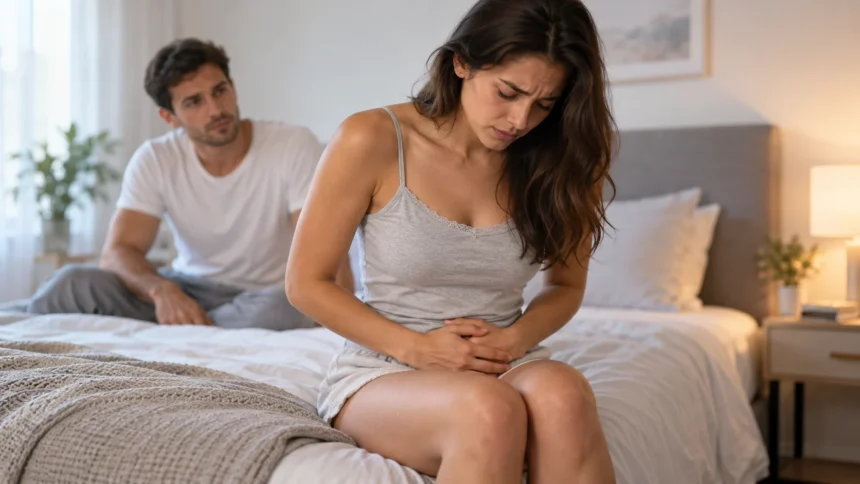
Cramps after sex can be uncomfortable and sometimes worrying, especially when they happen repeatedly or feel more intense than expected. The discomfort may feel like menstrual cramps, pressure, tightening, aching, or sharp pain in the lower abdomen or pelvic area. In many cases, post-sex cramping has a temporary explanation, but persistent symptoms may deserve closer attention.
Several things can contribute to cramps after intercourse, including muscle contractions during orgasm, deep penetration, pelvic floor tension, menstrual-cycle changes, digestive issues, and certain reproductive health conditions. Understanding the timing, location, severity, and accompanying symptoms can provide useful clues. Knowing what may be causing the pain can also help you decide whether simple adjustments or medical evaluation are appropriate.
Why Do Cramps Happen After Sex?
Sexual activity involves multiple muscles, nerves, and organs in the pelvic region. During arousal and orgasm, the pelvic floor and uterus can contract rhythmically, which may temporarily produce cramp-like sensations afterward. For some people, these contractions are barely noticeable, while others experience aching that resembles mild menstrual discomfort for several minutes or longer.
Certain sexual positions can also place pressure on the cervix, uterus, pelvic muscles, bladder, or surrounding tissues. Deeper penetration may increase this pressure, especially when the cervix is positioned lower during certain stages of the menstrual cycle. Changing positions or reducing penetration depth may make a noticeable difference when mechanical pressure is the main trigger.
Occasional mild cramps that resolve relatively quickly are not always a sign of a medical problem. However, repeated pain, severe cramping, bleeding, fever, unusual discharge, or discomfort that continues for hours should not simply be ignored. Looking at the full pattern of symptoms is important when determining whether something more than temporary muscle contractions may be involved.
Can Orgasms Cause Cramps After Sex?
Orgasm causes involuntary contractions of muscles throughout the pelvic floor and reproductive region. These contractions are a normal part of the sexual response, but they can sometimes leave muscles feeling tight or achy afterward. The uterus may also contract during orgasm, creating sensations that can resemble mild period cramps in the lower abdomen.
People who already have sensitive pelvic muscles may notice these contractions more strongly. If the pelvic floor remains tense rather than relaxing after sexual activity, discomfort can persist even after intercourse has ended. Stress, anxiety, previous pain experiences, and repeated muscle guarding may all increase the likelihood of pelvic tightness and post-sex cramping.
Orgasm-related cramps usually improve on their own and may respond to gentle relaxation, warmth, hydration, or comfortable movement. When cramping becomes intense every time you orgasm, lasts for prolonged periods, or interferes with intimacy, discussing the symptoms with a healthcare professional can help identify whether pelvic floor dysfunction or another condition is contributing.
Deep Penetration and Cervical Pressure
Deep penetration can sometimes cause cramping because the penis, fingers, or a sex toy may contact or place pressure near the cervix. The cervix can be sensitive, and repeated contact may produce a dull ache or cramp-like discomfort afterward. Some people notice this more strongly in positions that allow particularly deep penetration.
Cervical position changes throughout the menstrual cycle, so a sexual position that usually feels comfortable may occasionally become uncomfortable. Around menstruation, the cervix may be positioned differently and pelvic tissues can feel more sensitive. Reducing depth, slowing movements, and choosing positions that give the receiving partner greater control can sometimes prevent repeated discomfort.
Pain caused primarily by deep penetration often improves once pressure is reduced or the position is changed. However, deep pain during sex can also occur with conditions such as endometriosis, ovarian cysts, pelvic inflammatory disease, or pelvic floor problems. Recurrent deep pelvic pain should therefore be evaluated rather than assumed to be caused only by sexual technique.
Pelvic Floor Muscle Tension and Cramping
The pelvic floor is a group of muscles supporting the bladder, bowel, and reproductive organs. These muscles naturally contract and relax during sexual activity, but they can become overly tense in some people. A tight or overactive pelvic floor may cause cramping, pressure, burning, aching, or difficulty relaxing after intercourse.
Pelvic floor tension can develop for many reasons, including stress, pain anticipation, repetitive muscle guarding, previous injury, or certain pelvic health conditions. People may also unknowingly clench these muscles during penetration because they expect discomfort. That tension can make sex more painful and may leave the pelvic region feeling sore or cramped afterward.
Gentle breathing, relaxation exercises, comfortable positioning, and avoiding painful penetration may help reduce unnecessary pelvic muscle tension. Some people benefit from pelvic floor physical therapy when symptoms repeatedly interfere with daily life or intimacy. Strengthening exercises are not always appropriate because an already tight pelvic floor may need relaxation rather than additional contraction.
Menstrual Cycle Changes and Post-Sex Cramps
Hormonal changes throughout the menstrual cycle can affect how sensitive the uterus and surrounding pelvic tissues feel. Cramps after sex may be more noticeable shortly before or during menstruation because uterine contractions and inflammatory changes are already occurring. Sexual activity can temporarily intensify sensations that were present before intercourse began.
Ovulation may also cause lower abdominal discomfort in some people. When sexual activity occurs around ovulation, pressure or muscle contractions may make existing pelvic sensations more noticeable. The discomfort is often temporary, although severe or recurring mid-cycle pain should not automatically be considered normal without considering other possible causes.
Tracking when cramps occur in relation to your period can provide useful information. If symptoms consistently appear during a certain stage of your cycle and remain mild, hormonal changes may play a role. When cramping becomes progressively worse, unusually severe, or associated with heavy bleeding, medical assessment can help determine whether another reproductive condition is involved.
Can Muscle Strain Cause Cramps After Sex?
Sexual activity can involve sustained or unusual positions that place stress on the abdominal muscles, hips, thighs, lower back, and pelvic region. Holding the body in one position for an extended period can leave muscles feeling tight, fatigued, or cramped afterward. This is especially possible when the activity is more physically demanding than usual.
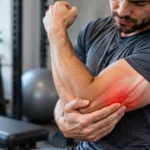
Muscle-related discomfort may be easier to recognize when it changes with movement, stretching, or certain positions. Similar to other overuse problems such as tricep tendonitis, repeated stress on muscles and surrounding tissues can create localized soreness. Post-sex muscle pain may therefore come from physical strain rather than the reproductive organs themselves.
Gentle movement, rest, hydration, and avoiding the position that triggered the discomfort may help when muscular strain is responsible. Pain that becomes sharp, significantly limits movement, or continues getting worse may require further assessment. Persistent abdominal or pelvic pain should not automatically be blamed on a pulled muscle without considering other possible causes.
Endometriosis and Pain After Sex
Endometriosis occurs when tissue similar to the lining of the uterus grows outside the uterus. It can cause pelvic pain, painful periods, discomfort during bowel movements, and pain during or after sexual intercourse. Deep penetration may be especially uncomfortable when endometriosis affects tissues behind the uterus or other structures within the pelvis.
Post-sex cramps related to endometriosis may feel deeper and more persistent than ordinary muscle soreness. Some people experience aching for hours after intercourse, while others notice symptoms primarily around menstruation. The intensity of pain does not always indicate how extensive the condition is, so even relatively mild recurring symptoms can be worth discussing with a healthcare professional.
Endometriosis cannot be diagnosed based on post-sex cramps alone because many other conditions produce similar symptoms. A healthcare professional may review your menstrual history, pain patterns, digestive symptoms, and other concerns before deciding whether additional testing is appropriate. Treatment depends on symptom severity, personal goals, and the individual clinical situation.
Ovarian Cysts and Cramping After Intercourse
Ovarian cysts are fluid-filled sacs that can develop on or within an ovary. Many are harmless and disappear without causing noticeable symptoms, but some can produce pelvic pressure, bloating, or pain. Sexual activity, especially deep penetration, may make discomfort more noticeable when a cyst is already irritating surrounding tissues.
Cyst-related pain can occur on one side of the lower abdomen and may feel dull, sharp, or cramp-like. Some people notice discomfort only during certain movements or sexual positions. Because one-sided pelvic pain can have several causes, the presence of cramps after sex does not necessarily mean that an ovarian cyst is responsible.
Sudden severe pelvic pain requires more urgent attention, particularly when it occurs with nausea, vomiting, weakness, or fainting. Rarely, an ovarian cyst can rupture or contribute to ovarian torsion, which requires prompt medical evaluation. Severe symptoms should therefore not be managed as ordinary post-sex cramping without seeking appropriate medical care.
Infections and Pelvic Inflammatory Disease
Certain infections can cause pelvic discomfort during or after sexual activity. Pelvic inflammatory disease, or PID, can occur when bacteria spread into the upper reproductive organs and cause inflammation. Symptoms may include lower abdominal pain, discomfort during intercourse, unusual vaginal discharge, bleeding between periods, fever, or pain during urination.
Sexually transmitted infections may sometimes contribute to pelvic pain even when other symptoms are mild. Chlamydia and gonorrhea, for example, can occasionally progress without obvious early signs. That is why persistent pelvic pain should not be dismissed simply because there is no dramatic discharge, fever, or other easily recognizable symptom.
Medical evaluation is important when post-sex cramps occur with unusual discharge, fever, bleeding, urinary discomfort, or increasing pelvic tenderness. Infections generally require appropriate diagnosis and treatment rather than home remedies alone. Early treatment can help relieve symptoms and reduce the risk of complications affecting reproductive health.
Digestive and Bladder Issues That May Feel Like Pelvic Cramps
Not all pain felt after sex comes directly from the reproductive system. Gas, constipation, bowel sensitivity, or abdominal bloating can create pressure that feels similar to pelvic cramping. Certain sexual positions may temporarily increase pressure on the bowel, making digestive discomfort more noticeable immediately after intercourse.
Bladder irritation can create another source of lower abdominal discomfort. Some people experience urinary urgency, pressure, or burning after sex, especially when a urinary tract infection is developing. Because the bladder sits close to reproductive structures, it can be difficult to determine the exact source of pain based on location alone.
Pay attention to additional symptoms such as constipation, diarrhea, bloating, frequent urination, burning while urinating, or changes in bowel habits. These clues can help distinguish digestive or bladder discomfort from reproductive pain. Persistent urinary symptoms or significant abdominal discomfort should be assessed so the underlying cause can be treated appropriately.
How to Ease Mild Cramps After Sex
Gentle heat can sometimes help relax tense muscles and reduce mild lower abdominal cramping. A warm shower, heating pad, or warm compress placed over the lower abdomen may provide temporary comfort. Keep the temperature comfortable rather than excessively hot, particularly when applying heat directly to sensitive skin.
Slow breathing and gentle movement may also help if pelvic or abdominal muscles feel tense. Try relaxing your stomach and pelvic area rather than repeatedly clenching in response to discomfort. Drinking water and resting in a comfortable position may be useful when cramping appears after strenuous or prolonged sexual activity.
It can also help to identify and modify specific triggers. Slower penetration, additional lubrication, different positions, and allowing the receiving partner to control depth may reduce discomfort during future sexual activity. If the same changes do not improve recurring cramps, medical evaluation may be more useful than repeatedly experimenting with home remedies.
When Should You See a Doctor?
Occasional mild cramping that resolves quickly may not require medical treatment. However, cramps that happen regularly, become more painful, or continue for several hours deserve attention. Recurring pain during or after sex can sometimes indicate a treatable pelvic, reproductive, urinary, digestive, or musculoskeletal problem.
Schedule an evaluation if cramping is accompanied by unusual vaginal bleeding, abnormal discharge, urinary symptoms, painful periods, fever, or ongoing pelvic pressure. You should also discuss pain that makes you avoid intimacy or significantly affects your quality of life. Persistent sexual pain should not be something you feel obligated to tolerate.
Seek prompt medical attention for sudden severe pelvic or abdominal pain, fainting, heavy bleeding, difficulty breathing, high fever, or pain accompanied by repeated vomiting. These symptoms may indicate a condition requiring urgent assessment. When symptoms feel dramatically different from your usual cramps, it is safer to seek professional care rather than waiting for them to disappear.
Conclusion
Cramps after sex can happen for many reasons, ranging from normal orgasm-related muscle contractions to pelvic floor tension, deep penetration, menstrual changes, or temporary muscle strain. Mild discomfort that disappears relatively quickly is often less concerning. Paying attention to when the pain occurs and what makes it better or worse can help identify possible triggers.
Repeated or intense cramping may have another explanation, including endometriosis, ovarian cysts, infections, bladder problems, or digestive conditions. The presence of additional symptoms such as bleeding, fever, unusual discharge, urinary discomfort, or severe one-sided pain can provide important clues. Persistent symptoms deserve proper assessment rather than repeated self-treatment.
Comfortable positioning, adequate lubrication, slower movements, relaxation, warmth, and temporary activity modification may help with mild symptoms. However, sex should not routinely cause significant or lasting pain. Getting medical advice when symptoms continue can help identify the underlying cause and make sexual activity safer and more comfortable.
FAQs
Is it normal to have cramps after sex?
Mild, occasional cramps can occur because of orgasm-related contractions, deep penetration, or muscle tension. Repeated, severe, or long-lasting cramping should be discussed with a healthcare professional.
Why do I get period-like cramps after sex?
Orgasm can trigger uterine and pelvic floor contractions that feel similar to menstrual cramps. Hormonal changes, cervical pressure, endometriosis, or other pelvic conditions can also contribute.
How long should cramps after sex last?
Minor cramps may settle within minutes or a few hours. Pain that lasts much longer, repeatedly returns, or becomes increasingly severe may require medical evaluation.
Can dehydration cause cramps after sex?
Dehydration can contribute to general muscle cramping and may make physical activity feel more uncomfortable. However, recurring pelvic cramps should not automatically be attributed to dehydration alone.
When are cramps after sex serious?
Seek medical attention for severe pain, heavy bleeding, fainting, fever, unusual discharge, repeated vomiting, or sudden one-sided pelvic pain. These symptoms may indicate a condition requiring prompt evaluation.