
What Makes a Smart Plug Good for Home Automation?
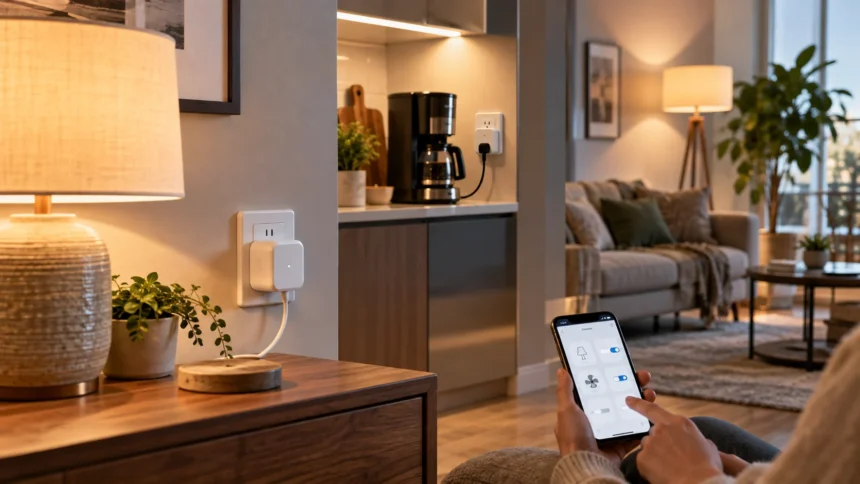
A good smart plug does more than let you switch an appliance on and off from your phone. It should offer reliable connectivity, simple scheduling, voice assistant support, and an app that is easy to understand. The best smart plugs also respond quickly, maintain stable connections, and fit into existing outlets without blocking nearby sockets.
Compatibility is another important factor because smart homes often contain products from several different brands. A plug that works with Amazon Alexa, Google Home, Apple Home, Samsung SmartThings, or Matter gives you greater flexibility when expanding your setup. Choosing broader compatibility can also prevent you from becoming locked into one smart home ecosystem.
Features such as timers, routines, away modes, energy monitoring, and automatic shutoff can make a smart outlet much more useful. Some homeowners simply want remote appliance control, while others want advanced automation across several rooms. Understanding which features actually matter to your household makes it easier to avoid paying for functions you may never use.
TP-Link Tapo P110M: Best Smart Plug Overall
The TP-Link Tapo P110M is a strong all-around option for homeowners who want reliable smart home automation without unnecessary complexity. Its compact design works well around crowded outlets, while smart controls make everyday appliances easier to manage. It is particularly useful for lamps, fans, coffee makers, chargers, televisions, and other devices you regularly turn on or off.
Matter support makes the Tapo P110M attractive for households using different smart home platforms. Instead of building your entire setup around one manufacturer, you can integrate compatible devices into broader automation routines. Voice commands and mobile controls also make it convenient when you want to operate appliances without physically reaching switches or wall outlets.
Energy monitoring adds another practical advantage for people interested in understanding electricity consumption. You can observe how connected appliances use power and identify devices that may be consuming more energy than expected. Combined with scheduling and automatic controls, this feature makes the P110M useful for both convenience and more thoughtful household energy management.
Tapo P125M: Best Affordable Matter Smart Plug
The Tapo P125M is a practical choice when you want affordable home automation with modern smart home compatibility. Its small design makes it suitable for bedrooms, kitchens, home offices, and entertainment areas where several outlets may already be occupied. Basic functions such as remote control and scheduling handle most everyday automation needs without making setup unnecessarily complicated.
Matter compatibility is especially valuable if you expect your smart home to grow over time. It helps compatible devices communicate across major ecosystems, giving households more freedom when selecting future smart products. This flexibility can be particularly useful when different family members prefer Alexa, Google Home, Apple Home, or another supported smart home environment.
The P125M also works well for simple routines that can save time throughout the day. You might schedule a lamp to switch on before sunset, automatically turn off a charger overnight, or remotely control an appliance while away. For users who want essential automation without paying heavily for advanced features, it offers a sensible balance.
Eve Energy: Best Smart Plug for Apple Home Users
Eve Energy is particularly appealing to households that have built their smart home around Apple devices and Apple Home. It offers a polished approach to controlling lamps, appliances, entertainment equipment, and other connected electronics from compatible devices. Users who already rely heavily on Siri and Apple smart home controls may find the overall experience especially convenient.
Its focus on modern smart home standards also makes Eve Energy useful for people interested in local and responsive automation. Instead of treating the smart plug as an isolated accessory, you can include it within routines involving sensors, lighting, temperature controls, and other connected products. This creates more useful automation than simply controlling individual appliances through separate applications.
Energy tracking is another helpful feature when you want greater visibility into household electricity use. Monitoring connected equipment can reveal how much power certain appliances consume during normal operation or standby periods. Although Eve Energy can cost more than basic Wi-Fi plugs, its capabilities may justify the price for households already invested in a compatible Apple-centered setup.
Meross MSS315: Best for Energy Monitoring
The Meross MSS315 is worth considering when energy monitoring is an important part of your home automation plan. In addition to remote switching and scheduling, it can help you understand how much electricity connected equipment is consuming. That information is useful when comparing appliances, spotting unnecessary standby usage, or creating schedules around devices that consume significant amounts of power.
Matter support also gives this smart plug greater flexibility in homes containing products from multiple manufacturers. Compatible platforms can incorporate the outlet into larger routines rather than forcing you to manage every device separately. This is particularly useful as your smart home expands from basic plugs and lighting into sensors, thermostats, security products, and other connected equipment.
The MSS315 can work well for televisions, computer equipment, lamps, fans, and numerous other household electronics within its supported electrical limits. Scheduling equipment to switch off when nobody needs it may reduce unnecessary operating time. Energy data should not be treated as guaranteed savings, but it can help homeowners make more informed decisions about everyday electricity usage.
Amazon Smart Plug: Best for Alexa Households
The Amazon Smart Plug is designed for people who want straightforward appliance control inside an Alexa-focused home. It works especially well when your household already uses Echo speakers or other Alexa-enabled devices throughout different rooms. You can turn compatible appliances on or off using voice commands, routines, schedules, or controls available through the Alexa ecosystem.
Simplicity is one of its main attractions because many users do not need extensive energy reports or complicated automation settings. A bedside lamp, desk fan, holiday decoration, or coffee machine can become easier to control without replacing the appliance itself. This makes smart plugs an accessible starting point for people who are only beginning to explore home automation.
The biggest consideration is ecosystem flexibility, especially if you plan to move beyond Alexa in the future. Homeowners building a mixed-platform system may prefer a Matter-compatible alternative that offers broader integration choices. However, for someone already comfortable with Alexa and looking for uncomplicated controls, Amazon’s plug remains an easy-to-understand option for everyday routines.
Kasa EP40: Best Smart Plug for Outdoor Automation
Outdoor automation requires equipment specifically designed for conditions that ordinary indoor smart plugs are not built to handle. The Kasa EP40 provides a convenient way to automate compatible outdoor lighting, decorations, garden equipment, and similar electrical devices. Its multiple controllable outlets are useful when you want to manage more than one outdoor appliance from the same general location.
Scheduling can be particularly helpful for patio lights, decorative displays, or seasonal lighting that would otherwise require daily manual switching. Instead of walking outside each evening, homeowners can create routines that turn connected equipment on and off automatically. Remote controls also provide flexibility when weather conditions or changing schedules make physical access less convenient.
Outdoor smart plugs should always be installed according to their weather-resistance rating, electrical capacity, and manufacturer instructions. A weather-resistant device does not mean every appliance or connection becomes safe for unrestricted outdoor exposure. Proper outlet covers, suitable extension equipment, secure connections, and adherence to electrical guidelines remain important even when using purpose-built outdoor smart technology.
How Smart Plugs Improve Everyday Home Automation
Smart plugs are most valuable when they remove repetitive tasks rather than simply replacing a physical switch with an app button. Morning routines can automatically activate lamps or selected appliances, while evening routines can shut equipment down before bedtime. Small automations like these gradually make a connected home feel more useful without requiring expensive renovations or complicated electrical installations.
They also work well alongside other automated household devices. For example, homeowners creating easier cleaning routines may combine scheduled lighting, air-quality devices, and robot vacuums so several repetitive household tasks require less manual attention. The goal is not automation for its own sake, but creating routines that genuinely make daily home management simpler.
Away routines provide another practical use for connected plugs. Selected lamps can operate on schedules when nobody is home, while unnecessary electronics can remain switched off until needed again. Remote access can also provide reassurance if you leave home wondering whether a compatible lamp, fan, or other connected appliance was accidentally left running.
Can Smart Plugs Help Reduce Electricity Usage?
Smart plugs cannot automatically make every appliance energy efficient, but they can help reduce unnecessary operating time. Scheduling equipment to shut down overnight or during working hours prevents certain devices from running longer than required. This can be useful for decorative lighting, fans, entertainment equipment, chargers, and other electronics that do not need continuous power.
Models with energy monitoring provide even more information about how connected appliances are being used. Instead of guessing which electronics consume meaningful amounts of electricity, homeowners can review consumption patterns and decide where scheduling makes sense. Monitoring can also reveal devices that continue drawing power while appearing inactive, although actual savings vary considerably between appliances and households.
Automation works best when schedules match real household routines rather than creating unnecessary switching. Turning useful equipment off at inconvenient times may simply encourage people to disable automation entirely. Start with predictable situations, such as overnight periods or hours when nobody is home, and adjust routines after observing whether they actually improve convenience and energy management.
Smart Plug Safety and Appliance Compatibility
Before connecting any appliance, check the smart plug’s electrical rating and compare it with the device you intend to control. Products such as space heaters, air conditioners, motors, pumps, and high-power kitchen appliances may have requirements that exceed certain plug ratings. Never assume that a device is suitable simply because its physical plug fits into the smart outlet.
Heat-producing appliances require particular care because automatically energizing them may create additional safety concerns. Equipment that manufacturers recommend supervising should not suddenly become unattended simply because a smart plug provides scheduling capabilities. Always follow the appliance manufacturer’s instructions and avoid automation when automatic startup could create fire, heat, mechanical, or other household hazards.
Placement matters as well, especially around moisture, outdoor areas, crowded extension boards, or damaged electrical outlets. Smart plugs should be used in environments for which they are specifically designed and certified. If an outlet becomes unusually warm, damaged, loose, or unreliable, disconnect equipment and have the electrical issue properly assessed instead of relying on automation to work around it.
How to Choose the Right Smart Plug for Your Home
Start by deciding which smart home platform you expect to use most often. Alexa-focused households may prioritize easy Amazon integration, Apple users may prefer strong Apple Home compatibility, and mixed-device homes can benefit from Matter-enabled plugs. Choosing the ecosystem first prevents the frustration of buying an outlet that later requires additional applications, bridges, or unexpected workarounds.
Next, consider what you actually want to automate. Basic scheduling may be enough for lamps and holiday decorations, while energy-conscious households may prefer plugs that provide electricity monitoring. Outdoor installations require weather-resistant products, and crowded wall sockets benefit from compact plugs that leave neighboring outlets accessible rather than covering valuable electrical connections.
Price should be considered across the entire planned setup rather than looking only at one plug. A slightly cheaper individual outlet may become less appealing if you eventually need ten of them or must purchase additional hubs. Balance reliability, compatibility, useful features, electrical capacity, and long-term expansion so your automation system remains practical as your connected home grows.
Conclusion
The best smart plugs for home automation are the ones that fit naturally into your existing technology and daily routines. Options such as the Tapo P110M, Tapo P125M, Eve Energy, Meross MSS315, Amazon Smart Plug, and Kasa EP40 address different priorities. Compatibility, reliability, electrical safety, and genuinely useful automation should matter more than simply choosing the plug with the longest feature list.
Matter-compatible plugs can be particularly attractive when you want flexibility across several smart home ecosystems, while specialized options may suit dedicated Apple, Alexa, or outdoor setups better. Energy monitoring is worthwhile for households interested in understanding electricity usage, but basic scheduling may be sufficient for simpler automation. Your ideal choice ultimately depends on which appliances and routines you want to control.
Start with one or two devices that solve obvious everyday inconveniences before filling every outlet with smart technology. Automating a lamp, fan, entertainment system, or outdoor lighting can help you understand which routines actually improve your lifestyle. Once those automations prove useful, you can gradually expand into a more connected and efficient smart home.
FAQs
What is the best smart plug for home automation?
The Tapo P110M is a versatile option for many households because it combines smart controls, automation features, Matter compatibility, and energy monitoring. Your best choice still depends on your preferred smart home ecosystem.
Do smart plugs work without Wi-Fi?
Some smart plug functions may continue locally depending on the model and communication standard, but remote controls generally require network connectivity. Always check the connectivity requirements of the specific plug before purchasing.
Can I use a smart plug with any appliance?
No. The connected appliance must stay within the smart plug’s supported electrical load and safety requirements. High-power or heat-producing appliances may require additional caution and should only be automated when the manufacturer permits it.
Do smart plugs save electricity?
Smart plugs can help reduce unnecessary electricity use by scheduling devices or switching them off when they are not needed. Models with energy monitoring can also help identify appliances with higher or unexpected consumption.
Is Matter important when buying a smart plug?
Matter can be valuable if you want greater compatibility between different smart home ecosystems. It is especially useful for homeowners planning to expand their setup without depending entirely on products from one manufacturer.