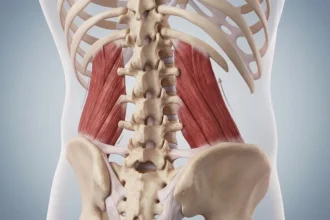


Mid back workouts can help build a stronger, more balanced upper body while improving pulling strength, shoulder control, and everyday movement. The middle back includes several muscles that work together to move and stabilize the shoulder blades and thoracic spine. Training these areas can make movements such as rowing, lifting, carrying, and pulling feel more controlled.
A good mid back workout does not require complicated exercises or extremely heavy weights. Rows, reverse fly variations, resistance-band movements, and controlled pulling exercises can effectively target the rhomboids, middle trapezius, lower trapezius, and nearby back muscles. Proper technique matters because poor form can shift stress toward the shoulders, neck, or lower back.
Whether you train at home or in a gym, the best routine combines controlled form, suitable resistance, progressive overload, and enough recovery. This guide explains the benefits of mid back workouts, which exercises to use, how to perform them correctly, and how to avoid common mistakes while building strength safely.
What Muscles Make Up the Mid Back?
The mid back primarily includes muscles that support and move the shoulder blades, particularly the rhomboids and middle portions of the trapezius. These muscles help pull the shoulder blades toward the spine and contribute to stable upper-body movement. The lower trapezius and parts of the latissimus dorsi also assist during many pulling exercises.
The thoracic erector muscles running along the spine also contribute to mid back strength by helping maintain spinal position. These muscles are active during exercises such as bent-over rows, deadlift variations, and other movements requiring trunk stability. Together, these muscle groups support coordinated movement rather than working completely independently.
Because several muscles contribute to the same pulling patterns, most mid back exercises train more than one area at a time. A row, for example, may involve the rhomboids, trapezius, lats, rear shoulders, and arm muscles. Small adjustments in elbow position, grip, and movement angle can change which muscles receive greater emphasis.
Benefits of Mid Back Workouts
One major benefit of mid back workouts is improved pulling strength. Stronger back muscles make it easier to perform rows, pull-downs, carries, and many other exercises. This strength can also support everyday activities such as lifting objects, carrying bags, pulling doors, and moving items around the home or workplace.
Training the mid back can also support shoulder-blade control. The scapulae need to move and stabilize properly during many upper-body actions, including pressing and pulling. Strengthening the muscles around them can improve coordination and create a stronger base for exercises involving the shoulders, chest, and arms.
Mid back training also contributes to a more balanced fitness program. Many people naturally perform more pressing than pulling because push-ups, bench presses, and shoulder presses are common. Including sufficient rowing and pulling work helps ensure the upper body is trained from multiple directions rather than repeatedly emphasizing only the front.
Bent-Over Rows for Mid Back Strength
Bent-over rows are one of the most effective exercises for developing the middle back. They can be performed with dumbbells, a barbell, kettlebells, or other forms of resistance. The movement involves hinging at the hips, maintaining a stable torso, and pulling the resistance toward the body.
To perform the exercise, keep your spine comfortably neutral and your knees slightly bent. Pull the weight toward the lower ribs or upper abdomen while allowing the shoulder blades to move naturally. Avoid jerking the resistance upward or using excessive momentum from the hips and lower back.
Choose a load that allows you to control both the lifting and lowering phases. If your torso repeatedly rises or your shoulders shrug toward your ears, the weight may be too heavy. Slowing the movement and using a slightly lighter load can increase muscle control without reducing the effectiveness of the exercise.
Seated Rows for Controlled Back Training
Seated rows are another excellent option because they make it easier to focus on pulling technique without maintaining a bent-over position. Cable machines, resistance bands, or rowing machines can all be used. The movement primarily targets the mid back while also involving the lats, rear shoulders, and biceps.
Sit tall and begin with the arms extended without aggressively rounding the shoulders forward. Pull the handle toward your torso while keeping the elbows controlled and the chest relatively steady. Think about moving the elbows backward rather than simply pulling with the hands.
Avoid leaning dramatically backward to create momentum. A small amount of natural movement can occur depending on the variation, but the back muscles should perform most of the work. Controlled repetitions allow you to feel the shoulder blades moving together without turning the exercise into a full-body pulling motion.
Reverse Fly Exercises for the Upper-Mid Back
Reverse fly exercises target the muscles around the shoulder blades and rear shoulders. They can be performed with dumbbells, resistance bands, cables, or a reverse fly machine. These movements generally use lighter resistance than rowing exercises because the arms remain farther away from the body.
During a dumbbell reverse fly, hinge forward with a stable torso and maintain a slight bend in the elbows. Move the arms outward until they are approximately in line with the body, then return them slowly. Avoid forcing the arms excessively far backward because greater range does not always mean better muscle activation.
Use a weight that lets you maintain control without shrugging the shoulders. If the neck becomes tense or the movement turns into a swinging motion, reduce resistance. Reverse flies work especially well after heavier rows because they allow you to train scapular control with a lighter, more focused movement.
Resistance Band Mid Back Workouts at Home
Resistance bands make mid back workouts accessible without large machines or heavy weights. Band rows, pull-aparts, face pulls, and reverse fly variations can all be performed in a relatively small space. Resistance can be adjusted by changing band thickness, grip position, or distance from the anchor point.
For band rows, secure the band to a stable anchor and pull toward your torso with controlled elbows. Keep your shoulders relaxed instead of allowing them to rise toward your ears. Slowly return to the starting position so the back muscles continue working through both parts of the repetition.
Band pull-aparts are particularly simple for home training. Hold the band in front of your body and pull your hands apart while keeping the movement controlled. Rather than performing extremely fast repetitions, focus on smooth shoulder-blade movement and maintaining consistent tension through the band.
Build Better Form With Core and Hip Stability
Mid back exercises often work better when the rest of the body provides a stable base. Strong hips and trunk muscles can help control your torso during bent-over rows and other unsupported pulling exercises. This makes it easier to focus on the back muscles instead of compensating with excessive body movement.
Lower-body and core exercises can therefore complement your back routine. Movements such as the single-leg glute bridge can strengthen the hips while challenging pelvic and trunk control. Building stability throughout the body can support better technique during compound pulling movements.
However, you do not need to tense every muscle as hard as possible during a row. Use enough abdominal and hip tension to keep your position steady while allowing the shoulders to move naturally. Effective form depends on coordination rather than creating unnecessary stiffness throughout the entire body.
Common Mid Back Workout Mistakes
Using too much weight is one of the most common mistakes during mid back training. Heavy resistance may encourage people to swing their torso, shrug their shoulders, or shorten the movement. While heavier loads can be useful for strength development, they should not come at the expense of basic control.
Another mistake is pulling mainly with the arms. The biceps naturally assist during rows, but the back should remain heavily involved. Concentrating on driving the elbows backward and allowing the shoulder blades to move can help create a stronger connection with the intended muscles.
Excessive shoulder-blade squeezing can also become unnecessary. You do not need to force the shoulders as far backward as possible on every repetition. Move through a comfortable range, maintain good control, and avoid turning the movement into an exaggerated posture that causes tension around the neck or shoulders.
How Often Should You Train the Mid Back?
Many people can train the mid back two or three times per week depending on workout intensity and overall program design. Full-body routines may include one or two pulling exercises during each session, while split routines may dedicate more work to the back on specific training days.
Recovery should guide training frequency. If the muscles remain significantly sore or performance is declining, additional rest may be helpful. Strength gains happen through a combination of training and recovery, so performing hard back workouts every day is generally unnecessary for most recreational exercisers.
Your total weekly training volume matters more than simply counting workout days. Several well-controlled sets spread throughout the week may be easier to recover from than one extremely demanding session. Adjust frequency based on experience, goals, other exercises, and how your body responds.
How to Progress Mid Back Exercises
Progressive overload is important if you want your mid back to become stronger over time. You can progress by increasing resistance, adding repetitions, performing additional sets, or improving control through a larger comfortable range. Progress does not always require adding more weight every workout.
For example, you might begin with three sets of eight controlled rows and gradually work toward twelve repetitions. Once those repetitions feel manageable with consistent technique, you can increase resistance slightly and return to a lower repetition range. This creates a simple and sustainable progression method.
Avoid changing too many variables at once. Increasing weight, sets, repetitions, and exercise difficulty simultaneously can create an unnecessary jump in workload. Small progressive changes make it easier to maintain form and understand which adjustments are actually improving your strength.
Mid Back Workout Tips for Beginners
Beginners should start with simple exercises that make it easy to learn pulling mechanics. Seated rows, resistance-band rows, and supported dumbbell rows are good options because they reduce the amount of stabilization required. Once these movements feel comfortable, more demanding unsupported variations can be introduced.
Focus on technique before chasing heavier resistance. Learn how the shoulder blades move, keep your neck relaxed, and control each repetition from start to finish. Recording a few repetitions can sometimes help you notice excessive swinging, shrugging, or changes in torso position that are difficult to feel during the exercise.
Keep the initial routine simple enough to follow consistently. Two or three exercises with a few controlled sets can provide plenty of stimulus for beginners. More exercises are not automatically better, especially when fatigue begins to reduce the quality of later movements.
When to Modify or Stop a Mid Back Exercise
Normal muscle fatigue during training is different from sharp, sudden, or radiating pain. Stop or modify an exercise if you experience a sharp sensation around the spine, shoulder, or ribs. Numbness, tingling, unusual weakness, or pain traveling into the arm should also not be treated as ordinary workout discomfort.
Sometimes changing resistance or exercise position is enough to make the movement comfortable. A chest-supported row may feel better than a bent-over row for someone who finds the unsupported position difficult. Resistance bands may also provide a more manageable starting point than heavy free weights.
Persistent pain deserves professional evaluation, particularly when symptoms interfere with everyday activity or continue worsening. A healthcare professional or qualified rehabilitation specialist can help identify whether the problem is muscular or related to another structure. Training through significant pain usually makes it harder to judge what is actually happening.
Conclusion
Mid back workouts can improve pulling strength, shoulder-blade control, and overall upper-body balance. Exercises such as rows, reverse flies, band pull-aparts, and face pulls can effectively train the rhomboids, trapezius, lats, and nearby muscles when performed with controlled technique.
Good form matters more than simply using heavy resistance. Keep movements smooth, avoid excessive momentum, and choose exercises you can perform through a comfortable range. Gradual progression in resistance, repetitions, or volume can help build strength without unnecessarily sacrificing movement quality.
A simple, consistent routine is usually enough to create progress. Train the mid back regularly, allow appropriate recovery, and combine pulling exercises with balanced strength work for the rest of the body. Over time, stronger mid back muscles can support better performance in both workouts and everyday movement.
FAQs About Mid Back Workouts
What is the best exercise for the mid back?
Rows are among the most effective mid back exercises because they train the rhomboids, trapezius, lats, and rear shoulders together. Dumbbell, cable, barbell, and resistance-band variations can all work well.
Can I train my mid back at home?
Yes. Resistance-band rows, pull-aparts, reverse flies, and supported dumbbell rows can effectively train the mid back at home. You only need enough resistance to make controlled repetitions challenging.
How many times per week should I train my mid back?
Two or three sessions per week can work well for many people. Training frequency should depend on workout intensity, total weekly volume, recovery, experience level, and the rest of your exercise program.
Why do I feel rows mostly in my arms?
Your biceps naturally assist with rows, but excessive arm involvement may occur when you use too much weight or poor technique. Focus on driving the elbows backward and controlling shoulder-blade movement.
Are mid back exercises good for posture?
Mid back exercises can strengthen muscles that support shoulder and upper-body control. However, posture is influenced by many factors, so regular movement and balanced training are generally more useful than relying on one exercise alone.