
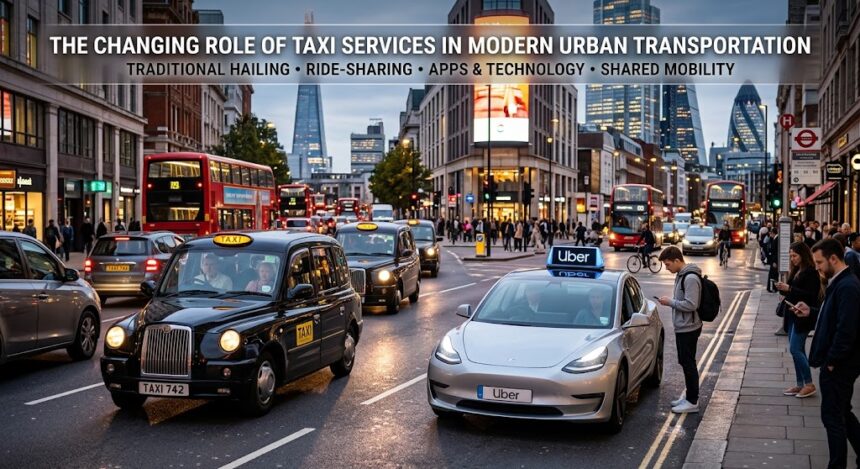
Urban transportation plays an essential role in everyday life, helping people travel between homes, workplaces, shopping centres, airports, and other destinations. As cities continue to grow, the demand for convenient and reliable travel solutions is increasing. Whether commuting to work or planning a journey across the city, people want transportation that saves time and reduces unnecessary stress. If you want to understand how modern taxi services are improving everyday travel, read the article to explore their growing importance in urban mobility.
Modern taxi services have evolved significantly, offering passengers more convenient ways to arrange transportation. Companies such as TheQTaxi are part of this changing transportation landscape, where accessibility, passenger convenience, and reliable journeys are becoming increasingly important. With changing travel expectations, taxi services continue to provide a practical alternative to driving personal vehicles or relying entirely on public transportation.
Why Taxi Services Remain Important in Modern Cities
Despite the availability of buses, trains, and other public transportation options, taxis continue to serve an important purpose. Public transport generally operates along fixed routes and schedules, which may not always suit individual travel requirements. Taxi services provide greater flexibility by allowing passengers to travel directly between selected locations.
This flexibility is particularly useful for people travelling with luggage, families with children, older passengers, and individuals who need transportation outside regular public transport hours. Taxis can also provide convenient connections between residential areas and major transportation hubs.
The Importance of Convenience and Accessibility
Convenience is one of the main reasons people choose taxi services. Instead of finding parking spaces, navigating unfamiliar roads, or waiting for scheduled buses, passengers can arrange a journey according to their requirements.
Modern booking systems have also made transportation more accessible. Depending on the service provider, passengers may be able to arrange journeys online, check estimated fares, and receive information about their bookings before travelling.
These improvements are particularly beneficial for visitors exploring unfamiliar cities. Having access to an organised taxi service can make travelling between hotels, restaurants, tourist attractions, and transport stations considerably easier.
Taxi Services and Airport Transportation
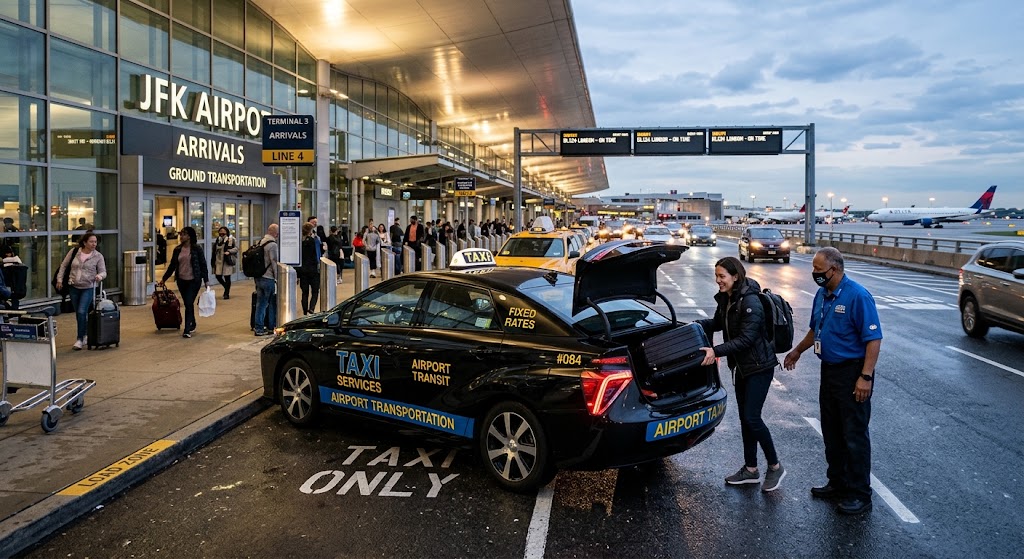
Airport transfers represent another important part of the taxi industry. Travelling to or from an airport often involves managing luggage, following flight schedules, and reaching the terminal on time. Reliable transportation can make this process less stressful.
Pre-arranged taxi journeys allow passengers to organise their transportation before departure or after arrival. This can be particularly helpful for business travellers, international visitors, and families who prefer a direct journey rather than changing between different forms of public transportation.
Professional airport transportation also helps passengers plan their journeys more effectively, especially when travelling during busy periods or at inconvenient hours.
How Technology Is Improving Taxi Travel
Technology has transformed the way people access transportation services. Digital booking platforms, online payment options, GPS navigation, and journey tracking have introduced new levels of convenience to the taxi industry.
Passengers increasingly expect straightforward booking processes and clear communication. Navigation technology also helps drivers identify suitable routes and respond to changing road conditions.
Furthermore, digital platforms can make it easier for customers to compare available transportation options and organise journeys in advance. These developments demonstrate how technology is helping traditional taxi services adapt to modern passenger expectations.
The Role of Taxis in Reducing Urban Transportation Challenges
Traffic congestion remains a major challenge in many growing cities. Although taxis cannot eliminate congestion entirely, organised transportation services can contribute to a more connected urban mobility system.
Shared journeys, efficient route planning, and better coordination between different transportation options can help improve the overall travel experience. Taxis also provide an important connection for passengers who live in areas where public transportation services are limited.
Encouraging people to consider different transportation options can support more flexible and accessible urban travel.
Choosing a Suitable Taxi Service
Selecting a suitable taxi provider requires considering several practical factors. Passengers should look for transparent pricing, convenient booking arrangements, professional service, and appropriate vehicle options.
For longer journeys, it is also useful to check estimated travel times and confirm important booking details in advance. Reading customer feedback and understanding the provider’s service conditions can help travellers make informed decisions.
Planning ahead is especially important during holidays, major events, and busy travel periods when transportation demand may increase.
The Future of Taxi Services and Urban Mobility
The future of urban transportation will likely involve greater integration between traditional taxi services, digital booking platforms, public transportation, and emerging mobility solutions. Electric vehicles, improved navigation systems, and smarter transport infrastructure may also influence how taxi services operate.
As cities become more connected, passengers will continue to look for transportation that is accessible, efficient, and dependable. Taxi services are well positioned to remain an important part of this development by adapting to changing technologies and customer expectations.
Conclusion
Taxi services continue to play a valuable role in modern transportation by providing flexible journeys, convenient airport transfers, and practical connections between different parts of urban areas. As technology and passenger expectations evolve, the industry will continue adapting to meet the demands of modern travel. By choosing suitable transportation options and planning journeys carefully, passengers can enjoy more organised and comfortable travel experiences.