
Fennel Seeds: Benefits, Uses & Why You Should Try Them
Fennel seeds may look small, but their distinctive sweet, slightly licorice-like flavor has made them a familiar ingredient in kitchens and traditional wellness practices around the world. Also known as saunf, fennel seeds come from the fennel plant, Foeniculum vulgare, and are commonly used as a spice, after-meal mouth freshener, herbal tea ingredient, and digestive aid.
Beyond their culinary appeal, fennel seeds contain dietary fiber, minerals, aromatic plant oils, and antioxidant compounds. They have traditionally been used for concerns such as gas, bloating, indigestion, and freshening the breath. Modern research has also investigated compounds found in fennel for their potential antioxidant, digestive, antimicrobial, and hormone-related effects.
Still, fennel seeds should not be viewed as a cure-all. Many traditional uses are supported more strongly than others, and concentrated fennel extracts or supplements can behave differently from the small quantities normally used in food. Understanding what fennel seeds realistically offer helps you enjoy them without falling for exaggerated wellness claims.
Whether you already chew saunf after meals or have only encountered fennel in spice blends, there are plenty of practical ways to use it. Below, we explore fennel seeds benefits, nutrition, digestive uses, fennel tea, possible side effects, and how to include this aromatic seed safely in an everyday diet.
What Are Fennel Seeds?
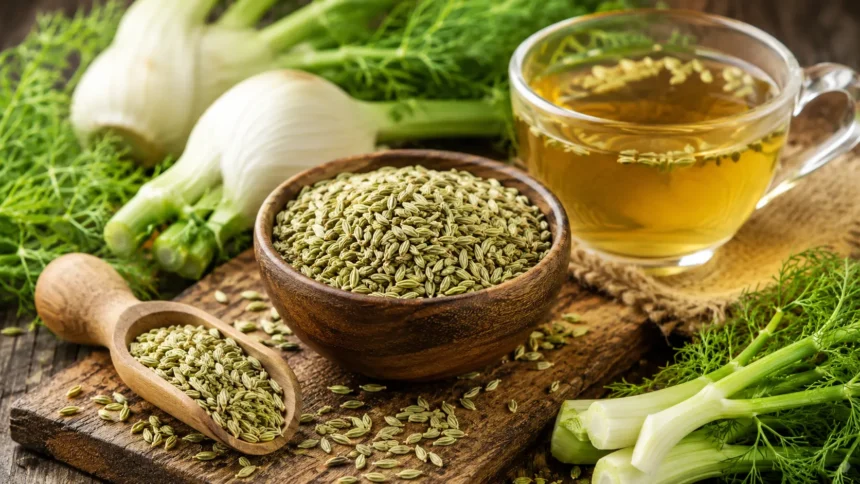
Fennel seeds are the dried fruits of the fennel plant, an aromatic herb belonging to the carrot and parsley family. Although commonly called seeds, the small greenish-brown pieces used as a spice are technically dried fruits. They have a warm, sweet flavor that is sometimes compared with anise or licorice because of their naturally occurring aromatic compounds.
Fennel has been used for centuries across Mediterranean, Middle Eastern, Indian, and Asian cuisines. In South Asia, fennel seeds are widely known as saunf and are often chewed after a meal. They also appear in spice mixes, curries, breads, pickles, sauces, teas, meat dishes, desserts, and traditional digestive preparations.
Their characteristic aroma comes largely from volatile oils, particularly a plant compound called anethole. Fennel also contains smaller amounts of other aromatic compounds that contribute to its flavor and scent. These naturally occurring oils explain why crushing or lightly roasting fennel seeds releases a much stronger fragrance than leaving them completely whole.
Fennel seeds should not be confused with fennel bulbs, although both come from related forms of the same plant. The bulb is eaten as a vegetable and has a crisp texture, while the dried seeds are used primarily as a seasoning. Both offer nutritional value, but their nutrient concentration, culinary applications, and serving sizes are quite different.
Fennel Seeds Nutrition: What Do They Contain?
Fennel seeds contain carbohydrates, dietary fiber, a small amount of protein, and naturally occurring plant oils. Because they are normally eaten in small quantities, such as a teaspoon at a time, they do not contribute large amounts of calories to most diets. Their nutritional value is therefore best viewed as an additional benefit to their culinary use.
Minerals found in fennel seeds include calcium, iron, magnesium, manganese, potassium, and phosphorus. The exact amount you receive depends heavily on portion size, so eating a sprinkle of fennel cannot replace foods that are major sources of these nutrients. Still, regularly using herbs and spices can help increase the nutritional diversity of your overall diet.
Fennel seeds are also a source of dietary fiber. Fiber supports normal digestive function, promotes bowel regularity, and contributes to a healthy eating pattern. A normal culinary serving provides considerably less fiber than foods such as beans, whole grains, vegetables, or fruits, however, so fennel should complement rather than replace those important sources.
Their most interesting nutritional features may be their phytochemicals, including anethole and various phenolic compounds. These plant substances are being studied for antioxidant and other biological effects. While laboratory research is encouraging, the effects of concentrated compounds should not automatically be assumed to occur simply from eating a teaspoon of fennel seeds.
Fennel Seeds May Support Healthy Digestion
Digestion is probably the area most strongly associated with traditional fennel seed use. Many people chew fennel seeds after meals because their aromatic oils have long been used to settle the stomach and make heavy meals feel more comfortable. Fennel tea is similarly popular as a simple home beverage after eating.
Fennel may help relax smooth muscles within the digestive tract, which could partly explain its traditional reputation for reducing digestive discomfort. Some people find warm fennel tea soothing when experiencing mild fullness or indigestion. However, significant or persistent abdominal pain should not simply be treated with herbs without determining the underlying cause.
The fiber in whole fennel seeds can also contribute modestly to digestive health. Dietary fiber supports regular bowel movements and helps maintain a healthy intestinal environment when consumed as part of a varied diet. Drinking enough water and eating vegetables, fruit, legumes, and whole grains remain far more important for meeting daily fiber needs.
If you frequently experience heartburn, severe bloating, vomiting, unexplained weight loss, constipation, diarrhea, or abdominal pain, fennel seeds should not delay medical evaluation. They work best as a flavorful food and possible source of mild digestive comfort rather than as a substitute for diagnosing or treating ongoing gastrointestinal conditions.
Can Fennel Seeds Help With Gas and Bloating?
One of the most common reasons people use fennel seeds for digestion is to manage occasional gas and bloating. Traditional herbal systems have long described fennel as a carminative, meaning an herb used to ease intestinal gas. Its aromatic compounds may influence gastrointestinal muscle activity and help some people feel more comfortable after meals.
Chewing a small quantity of fennel seeds after eating is perhaps the simplest way to try them. Crushing the seeds slightly before chewing can release more of their aromatic oils. Another option is steeping crushed fennel seeds in hot water for several minutes to prepare a warm fennel seed tea.
Bloating, however, has many possible causes. Eating too quickly, consuming large meals, carbonated beverages, constipation, lactose intolerance, certain fermentable carbohydrates, and underlying digestive conditions can all contribute. Fennel may provide temporary comfort for some people, but it cannot correct every reason someone regularly feels bloated after eating.
Pay attention to patterns rather than relying entirely on a digestive spice. If specific foods consistently cause discomfort, a food-and-symptom diary may help identify triggers. Frequent or worsening bloating, especially when accompanied by severe pain, blood in the stool, appetite changes, or unintended weight loss, deserves professional medical assessment.
Fennel Seeds Provide Antioxidant Plant Compounds
Fennel contains several naturally occurring phytochemicals that have demonstrated antioxidant activity in laboratory research. These compounds include phenolic substances and aromatic components such as anethole. Antioxidants help neutralize unstable molecules known as free radicals, which are continuously produced through normal metabolism and exposure to environmental stresses.
Oxidative stress has been studied in relation to aging and numerous chronic diseases, which has made antioxidant-rich foods particularly popular. It is important, however, not to interpret antioxidant activity in laboratory experiments as proof that one specific spice can prevent disease. Human health depends on far more complex dietary and lifestyle interactions.
The better approach is to eat a broad range of plant foods. Vegetables, fruits, beans, whole grains, nuts, seeds, herbs, and spices all contribute different protective compounds. Adding fennel seeds to meals increases this plant diversity while also improving flavor, potentially making nutritious foods more enjoyable without needing excessive salt, sugar, or rich sauces.
Using herbs and spices regularly is therefore a practical strategy rather than a quick health fix. Fennel seeds can become one small part of an antioxidant-rich eating pattern alongside colorful vegetables, berries, citrus fruits, leafy greens, legumes, nuts, and other whole foods that provide much larger quantities of essential nutrients.
Can Fennel Seeds Support Heart Health?
Fennel seeds sometimes appear on lists of foods claimed to lower cholesterol or protect the heart. While fennel contains fiber, potassium, antioxidants, and other potentially beneficial plant compounds, evidence does not support treating ordinary culinary amounts as a standalone solution for high cholesterol, hypertension, or cardiovascular disease.
Dietary fiber is associated with cardiovascular health, but the amount found in a typical teaspoon of fennel seeds is relatively small. To meaningfully increase fiber intake, foods such as oats, beans, lentils, vegetables, fruits, whole grains, nuts, and seeds should make up a substantial portion of the diet.
Likewise, plant-based antioxidants can contribute to a heart-friendly eating pattern. Using fennel as a seasoning may also make meals flavorful without depending excessively on sodium-heavy sauces. This indirect benefit can be useful for people trying to prepare satisfying meals while following an overall balanced approach to cardiovascular nutrition.
Anyone diagnosed with high blood pressure, high cholesterol, heart disease, or another cardiovascular condition should follow medical guidance and prescribed treatment. Fennel seeds can certainly remain part of meals, but they should be thought of as a nutritious spice rather than an alternative to medication, exercise, smoking cessation, sleep, or evidence-based dietary changes.
Do Fennel Seeds Help With Weight Loss?
Searches for fennel seeds for weight loss are common, but fennel seeds do not directly burn body fat. No spice can create meaningful weight loss unless a person’s overall energy intake, physical activity, appetite, sleep, metabolic health, and daily behaviors support changes in body weight over time.
Some people enjoy fennel tea between meals because it is naturally flavorful without needing sugar. Replacing high-calorie sweetened drinks with unsweetened herbal beverages can reduce overall calorie intake, but the benefit comes mainly from what the drink replaces rather than from a special fat-burning property of fennel itself.
Chewing fennel seeds may also leave a pleasant taste in the mouth after a meal, which some people find useful when they want to finish eating without reaching for dessert. This behavioral effect varies from person to person and should not be interpreted as scientific proof that fennel reliably suppresses appetite.
If weight management is your goal, focus primarily on filling whole foods, appropriate portions, protein, fiber, regular physical activity, quality sleep, and habits you can maintain. Fennel can make this eating pattern more flavorful and enjoyable, which is valuable, but sustainable weight management involves far more than any individual herb or spice.
Fennel Seeds and Women’s Health
Fennel has a long history of traditional use for menstrual discomfort, and researchers have investigated whether its plant compounds may influence uterine muscle activity. Some studies have reported improvements in menstrual pain with certain fennel preparations, but products, doses, and study methods vary substantially, making broad conclusions difficult.
The plant also contains compounds that may demonstrate estrogen-like activity under certain experimental conditions. This property is one reason fennel is sometimes promoted online for hormonal balance, breast growth, menopause symptoms, or increasing milk production. Many of these claims go beyond what strong clinical evidence can currently support.
Women with hormone-sensitive health conditions should be particularly cautious with highly concentrated fennel extracts or supplements. Food-sized culinary amounts are different from medicinal doses, but anyone with concerns related to estrogen-sensitive conditions should discuss concentrated herbal products with a healthcare professional before using them routinely.
Pregnancy also deserves additional caution because herbal teas and concentrated herbal preparations are not automatically safe simply because they are natural. Normal amounts of fennel used as a culinary spice are different from high-dose extracts. Pregnant or breastfeeding individuals should obtain professional advice before regularly using concentrated fennel products for therapeutic purposes.
Fennel Seeds Can Naturally Freshen Your Breath
In many South Asian restaurants and homes, fennel seeds are offered immediately after meals as a natural mouth freshener. Their strong aromatic oils leave a sweet, refreshing flavor that can temporarily reduce the unpleasant taste and odor caused by foods containing ingredients such as onions, garlic, or strong spices.
Chewing fennel also stimulates saliva production. Saliva helps wash food particles from the mouth and plays an important role in maintaining a healthy oral environment. This may partly explain why chewing fennel after meals often leaves the mouth feeling cleaner and less dry.
However, fennel seeds for bad breath should be viewed as a temporary freshening strategy rather than a treatment. Persistent bad breath can result from poor dental hygiene, gum disease, dry mouth, tobacco use, dental infections, certain medications, digestive problems, or other medical conditions requiring appropriate attention.
Continue brushing twice daily, cleaning between the teeth, staying hydrated, and receiving regular dental care. If bad breath remains persistent despite good oral hygiene, speak with a dentist rather than masking it continuously with mouth fresheners. Fennel seeds are best used as a pleasant complement to oral care.
Fennel Tea: A Simple Way to Enjoy Fennel Seeds
Fennel tea is one of the easiest ways to experience the aroma and flavor of fennel seeds. To prepare it, lightly crush about one teaspoon of seeds so the aromatic oils can escape more easily. Add them to a cup of hot water and allow the mixture to steep for approximately five to ten minutes.
The drink develops a naturally sweet, warming flavor, so many people find that additional sugar is unnecessary. It can be enjoyed after a meal or simply as a caffeine-free herbal drink during the day. Adding ginger, mint, cinnamon, or lemon can create different flavor combinations without making the preparation complicated.
Stronger tea is not necessarily more beneficial. Using excessive quantities of fennel or consuming highly concentrated preparations every day may expose you to much larger amounts of its active plant compounds than you would obtain through ordinary culinary use. Moderation is a sensible approach when drinking herbal teas regularly.
Fennel tea should also not be treated as a detox beverage. Your liver, kidneys, lungs, skin, and digestive system already perform the body’s normal waste-processing functions. Drinking enough fluids is important, and fennel tea can contribute to fluid intake, but it does not need to “cleanse” toxins from your body to be enjoyable.
Delicious Ways to Use Fennel Seeds in Cooking
Whole fennel seeds work particularly well in savory dishes because their sweetness balances rich, spicy, or acidic flavors. They can be added to curries, lentils, soups, roasted vegetables, sauces, marinades, rice dishes, homemade pickles, and spice blends. A small amount is usually enough because their aroma becomes stronger as they cook.
Lightly toasting fennel seeds in a dry pan can deepen their flavor and create a warmer, nuttier aroma. Keep the heat moderate and remove them once fragrant because spices can quickly become bitter if burned. Toasted seeds can then be used whole or ground immediately before adding them to a recipe.
Fennel is also useful in bread, crackers, biscuits, cakes, and other baked foods. Its naturally sweet aroma works particularly well with citrus, apple, pear, cinnamon, and nuts. Ground fennel can be easier to distribute evenly through dough or batter when you do not want noticeable whole seeds in the finished dish.
You can also create a homemade spice blend by combining fennel with cumin, coriander, black pepper, mustard seeds, or other seasonings. Experimenting with spices can help reduce reliance on highly processed sauces and excessive salt while still creating satisfying meals. Start with small quantities because fennel’s distinctive flavor can easily dominate delicate dishes.
How Much Fennel Seed Should You Eat?
There is no universal daily requirement for fennel seeds because they are considered a spice rather than an essential food group. For culinary use, amounts such as half a teaspoon to a teaspoon can be enough to flavor a meal, prepare tea, or serve as an after-meal mouth freshener.
Eating more does not automatically increase the health benefits. Highly concentrated intakes provide larger amounts of fennel’s aromatic compounds, which may also increase the likelihood of unwanted effects. It is usually more sensible to consume fennel as one of many herbs and spices rather than using large quantities every day.
The appropriate amount can also depend on why you are consuming it. A small sprinkle used in cooking is very different from concentrated fennel oil, extracts, capsules, or herbal products marketed for therapeutic purposes. Supplements may provide doses far beyond those normally obtained from food and deserve additional caution.
If you use fennel simply because you enjoy the flavor, ordinary food quantities are generally the most practical approach. People taking medication, pregnant or breastfeeding individuals, and those with chronic or hormone-sensitive medical conditions should seek professional guidance before regularly using high-dose fennel products or concentrated extracts.
Possible Side Effects and Risks of Fennel Seeds
Most people tolerate fennel well when it is consumed in normal food amounts. However, allergic reactions are possible, particularly among individuals sensitive to related plants in the carrot family. Symptoms might include itching, rash, swelling, or other allergic reactions and should be taken seriously if they occur.
Fennel’s natural compounds may also have biological effects when consumed in concentrated forms. Herbal supplements can sometimes interact with medications or be inappropriate for people with particular health conditions. This is one reason swallowing large quantities or taking concentrated fennel extracts should not automatically be considered safer than conventional products.
Because some fennel compounds may demonstrate estrogen-like activity, people with certain hormone-sensitive conditions should be cautious with medicinal amounts. Pregnancy and breastfeeding are other situations where concentrated herbal products deserve additional consideration. Discuss supplements or intensive herbal use with an appropriately qualified healthcare professional.
Essential fennel oil is especially different from eating whole fennel seeds. Essential oils are highly concentrated and should not be casually swallowed simply because they come from plants. Culinary fennel seeds, modest amounts of fennel tea, and concentrated extracts should therefore be treated as distinctly different products.
How to Buy and Store Fennel Seeds
Good-quality fennel seeds should have a noticeable sweet aroma when rubbed or lightly crushed. Seeds that smell weak, dusty, or stale may have lost much of their aromatic oil during long storage. Depending on the variety and processing method, the color can range from pale green to yellowish-brown.
Whole seeds generally maintain their flavor longer than pre-ground fennel because grinding exposes more surface area to air. If possible, keep whole fennel seeds and grind small quantities as needed. A mortar and pestle, spice grinder, or even gentle crushing with the back of a spoon can release their aroma.
Store fennel seeds in an airtight container away from direct sunlight, heat, steam, and moisture. A cool kitchen cabinet is usually suitable. Keeping spices directly beside a stove may be convenient, but frequent exposure to heat can accelerate the loss of flavor and aroma.
Before using older fennel seeds, crush a few between your fingers and smell them. If the familiar sweet fragrance has largely disappeared, replacing them will produce much better results in cooking. Fresh spices usually provide stronger flavor, meaning you can often use smaller quantities while still getting the aromatic effect you want.
Why Fennel Seeds Are Worth Trying
Fennel seeds offer an appealing combination of flavor, culinary versatility, and useful plant compounds. They contain fiber, minerals, aromatic oils, and antioxidants while adding very few calories when used in normal cooking quantities. Their naturally sweet flavor also provides an interesting alternative to heavily salted or sugary seasonings.
Their traditional connection with digestion is another reason they remain popular. Chewing fennel after meals or drinking fennel tea may provide mild comfort for occasional gas, bloating, or fullness in some people. These uses are most sensible when fennel complements healthy eating rather than replacing appropriate medical care.
The easiest way to experience the benefits of fennel seeds is simply to incorporate them naturally into food. Sprinkle them into curries, toast them for rice dishes, brew an occasional cup of fennel tea, add them to homemade spice mixes, or chew a small amount after a meal.
Most importantly, keep expectations realistic. Fennel seeds will not detox the body, melt belly fat, cure chronic digestive problems, or magically balance hormones. What they can do is add flavor, variety, and beneficial plant compounds to a balanced diet—and that alone gives this traditional spice plenty of reasons to earn a place in your kitchen.
Frequently Asked Questions About Fennel Seeds
Is it good to eat fennel seeds every day?
For most healthy adults, small culinary amounts of fennel seeds can be enjoyed regularly. Larger medicinal quantities or concentrated supplements require more caution, particularly for people with certain medical conditions.
What is the best time to eat fennel seeds?
There is no medically required best time. Many people chew fennel seeds after meals because their aroma freshens the breath and they may help ease mild feelings of fullness or digestive discomfort.
Do fennel seeds reduce belly fat?
Fennel seeds do not directly burn belly fat. Unsweetened fennel tea can be a low-calorie drink, but meaningful fat loss depends on overall diet, activity, sleep, calorie balance, and other lifestyle factors.
Can fennel seeds help with gas and bloating?
Fennel has traditionally been used to ease occasional gas and bloating, and its aromatic compounds may influence digestive muscle activity. Persistent or severe bloating should be medically evaluated rather than repeatedly self-treated.
Can I drink fennel seed water every day?
Moderate fennel tea or fennel-infused water is generally reasonable for many healthy adults. Avoid assuming stronger or larger amounts are better, especially during pregnancy or when taking medications or using fennel for therapeutic purposes.