

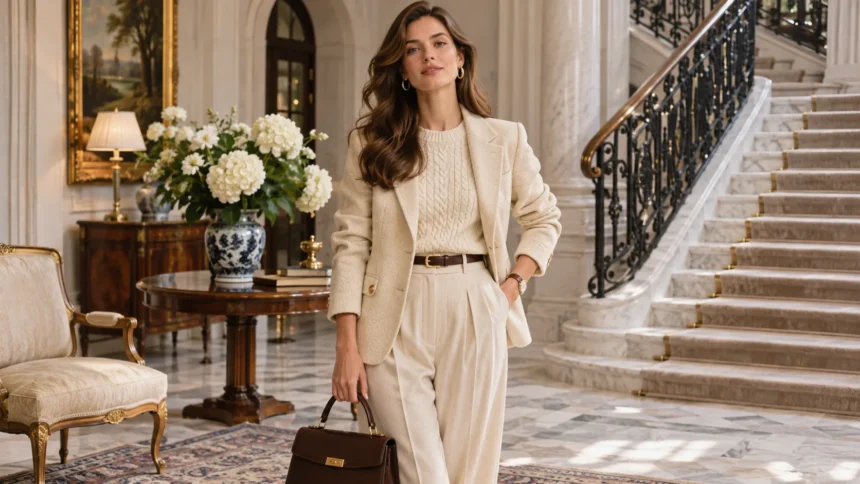
Old money style is a fashion aesthetic that focuses on timeless clothing, classic designs, and understated elegance. Instead of following rapidly changing trends, this approach emphasizes well-fitting garments, coordinated colors, and versatile wardrobe essentials. It takes inspiration from traditional tailoring, heritage fashion, and clothing commonly associated with established wealth.
The old money aesthetic has become popular because it offers a simple approach to creating polished everyday outfits. Neutral colors, structured blazers, tailored trousers, button-down shirts, and classic knitwear are common features. These pieces can work together in different combinations, making the style practical for work, casual outings, and special occasions.
However, dressing in an old money style does not require expensive designer labels or a luxury lifestyle. The goal is to understand how classic clothing, suitable fabrics, and thoughtful styling create a refined appearance. This guide explains the essential features of old money fashion, wardrobe basics, outfit combinations, and practical tips for wearing the aesthetic confidently.
What Is Old Money Style?
Old money style refers to a clothing aesthetic inspired by traditional upper-class fashion, heritage wardrobes, and understated luxury. It emphasizes classic silhouettes, subtle colors, and garments designed to remain wearable beyond seasonal trends. The overall appearance is usually polished without relying on oversized logos, excessive decoration, or attention-grabbing accessories.
This aesthetic draws inspiration from traditional European tailoring, American prep fashion, and classic country-club clothing. Common garments include wool coats, cable-knit sweaters, tailored trousers, loafers, and crisp cotton shirts. These pieces create a recognizable style because they combine simple designs with careful attention to fit and coordination.
Despite its name, old money fashion is not limited to wealthy individuals or inherited wardrobes. Anyone can explore the look by selecting timeless pieces that match their preferences and everyday needs. Understanding the aesthetic makes it easier to recreate its recognizable features without assuming that expensive clothing is automatically better.
The History Behind the Old Money Aesthetic
The old money aesthetic developed from clothing traditions associated with established wealthy families and social institutions. Historically, many privileged communities favored tailored garments, traditional fabrics, and recognizable dress codes. These clothing choices often reflected social expectations, leisure activities, and access to specialized tailoring rather than a single universal fashion style.
During the twentieth century, British country clothing and American Ivy League fashion became important influences. Oxford shirts, knitted sweaters, pleated trousers, and structured jackets appeared in educational, sporting, and social environments. Over time, these garments became widely available and influenced mainstream classic fashion.
Modern interest in old money outfits has expanded through fashion media and social platforms. Contemporary interpretations often combine heritage clothing with minimalist styling and relaxed tailoring. Although the aesthetic references historical privilege, its clothing elements can be adapted without adopting the social assumptions associated with those traditions.
Key Characteristics of Old Money Fashion
The most recognizable feature of old money fashion is its preference for timeless designs. Simple shirts, tailored jackets, structured trousers, and classic outerwear form the foundation of many outfits. Rather than using complicated details, the style relies on familiar silhouettes and thoughtful combinations that remain practical across different occasions.
Neutral and muted colors are another defining characteristic. Navy blue, cream, beige, white, charcoal, brown, and olive commonly appear in traditional wardrobe combinations. These shades complement one another and make it easier to create coordinated looks without purchasing numerous matching garments.
Quality fabrics and restrained accessories also contribute to the aesthetic. Cotton shirts, wool sweaters, linen trousers, and simple leather accessories are common examples. However, expensive materials are not essential, and affordable alternatives can achieve a similar appearance when clothing is comfortable, well maintained, and appropriately fitted.
Old Money Style vs. Quiet Luxury
Old money style and quiet luxury share an interest in understated clothing, classic designs, and subtle branding. Both approaches often feature neutral colors, tailored garments, and carefully selected accessories. However, their influences and styling priorities are not exactly the same.
Old money fashion frequently includes traditional preppy elements such as polo shirts, cable-knit sweaters, loafers, and pleated trousers. Quiet luxury generally places greater emphasis on minimalist designs, refined materials, and contemporary silhouettes. A quiet luxury outfit may appear more modern, while old money styling often references established clothing traditions.
These aesthetics can overlap within the same wardrobe. A simple cashmere-style sweater, tailored trousers, and understated shoes can reflect both approaches. Understanding their differences helps you choose whether you prefer heritage-inspired details, contemporary minimalism, or a practical combination of the two.
Essential Clothing Pieces for an Old Money Wardrobe
Building an old money wardrobe begins with versatile garments that work across different occasions. Button-down shirts, tailored trousers, knitted sweaters, and structured blazers are useful starting points. Choosing pieces in complementary colors allows you to create several outfits without needing a large collection.
Outerwear also plays an important role in classic dressing. Trench coats, wool-style overcoats, simple cardigans, and traditional jackets can complete outfits during cooler weather. The most useful items depend on your local climate and daily activities rather than following a fixed shopping checklist.
Footwear and accessories should complement the clothing without overwhelming the overall look. Loafers, simple flats, understated belts, and structured bags can support a classic wardrobe. Selecting items that are comfortable and durable makes the aesthetic easier to maintain through regular everyday wear.
How to Choose the Right Colors for Old Money Outfits
A coordinated color palette is one of the easiest ways to create old money-inspired outfits. Neutral shades such as white, beige, navy, grey, and brown provide a flexible foundation. These colors can be combined in different ways to produce simple looks that feel intentional and balanced.
For example, navy trousers can work with a white shirt and a cream cardigan. Similarly, beige trousers paired with an olive sweater create a softer combination. Choosing two or three complementary colors often makes an outfit easier to coordinate without requiring every piece to match exactly.
Muted colors can also introduce variety without changing the classic character of the wardrobe. Burgundy, forest green, dusty blue, and soft yellow work well with many traditional neutrals. Experimenting with these shades helps develop personal style while keeping clothing combinations versatile and easy to repeat.
Why Proper Fit Matters in Classic Fashion
Fit plays an important role in creating comfortable and polished old money outfits. Clothing that allows natural movement and sits comfortably on the body generally looks more intentional than garments chosen without considering their proportions. The goal is not to achieve one specific silhouette but to select clothing that suits your preferences.
Tailored trousers should allow comfortable sitting and walking, while shirts should provide enough room for everyday movement. Blazers and coats should also accommodate the layers you intend to wear underneath. Checking these practical details helps ensure that clothing remains useful beyond a single occasion.
Small adjustments can improve how garments function and feel. Hemming trousers, shortening sleeves, or repairing loose buttons can make familiar clothing easier to wear. Professional tailoring is an option, but simple alterations and thoughtful purchasing decisions can also support a well-organized wardrobe.
How to Style Old Money Outfits for Men
Old money fashion for men often includes classic shirts, tailored trousers, polo shirts, and knitted sweaters. These garments can be combined into relaxed or more formal outfits depending on the occasion. The emphasis remains on coordinated colors, familiar silhouettes, and comfortable clothing choices.
For a casual look, try pairing a light-colored Oxford shirt with navy chinos and simple loafers. A crewneck sweater or cardigan can provide an additional layer during cooler weather. This combination works well for casual meetings, daytime activities, and occasions where a neat appearance is appropriate.
A more formal outfit might include tailored trousers, a structured blazer, and a plain button-down shirt. Choosing shoes and accessories that complement the clothing helps create a consistent appearance. Rather than copying every traditional menswear rule, adapt these combinations to your personal comfort and lifestyle.
How to Style Old Money Outfits for Women
Old money fashion for women commonly includes tailored trousers, classic skirts, blouses, cardigans, and structured jackets. These pieces provide a flexible foundation for both relaxed and formal dressing. Simple accessories and coordinated colors help bring the individual garments together into complete outfits.
A classic everyday combination could feature straight-leg trousers, a cotton blouse, and a lightweight cardigan. Loafers or comfortable flats can complete the outfit without adding unnecessary complexity. A structured handbag or simple scarf can provide a finishing detail while keeping the overall look practical.
For dressier occasions, consider a classic midi dress or a coordinated skirt and blouse. A tailored blazer can add structure, while understated accessories keep the combination balanced. Personal comfort remains important, so choose silhouettes and fabrics that allow you to move naturally throughout the day.
Old Money Casual Outfits for Everyday Wear
Casual old money outfits combine familiar wardrobe basics with relaxed styling. Polo shirts, straight-leg jeans, cotton trousers, and knitted sweaters are common choices. These garments offer a simple way to explore the aesthetic without requiring formal clothing for ordinary daily activities.
For example, a cream sweater with dark jeans and loafers creates a classic casual combination. A striped shirt layered beneath a cardigan provides another option. Choosing comfortable materials makes these outfits suitable for errands, visiting friends, or spending time outdoors.
Casual styling also allows more flexibility with footwear and accessories. Clean sneakers, simple canvas bags, and lightweight jackets can work with traditional wardrobe pieces. The most effective approach is choosing clothing that feels appropriate for the activity while maintaining the understated character of the aesthetic.
Old Money Style for Work and Business Settings
Old money-inspired clothing can work well in professional environments because many of its pieces overlap with classic business attire. Tailored trousers, button-down shirts, blazers, and simple knitwear create versatile combinations. However, workplace expectations should guide how formal or relaxed an outfit needs to be.
A business-casual combination might include navy trousers, a light blue shirt, and a neutral cardigan. For more formal settings, a structured jacket and appropriate shoes can complete the look. Coordinating simple colors helps make professional outfits easier to plan throughout the week.
Comfort and practicality should remain priorities during long workdays. Choose fabrics that suit the temperature, shoes appropriate for your activities, and layers that can be adjusted when needed. Old money styling can provide inspiration without requiring an overly formal appearance in every workplace.
Old Money Summer Outfits and Lightweight Fabrics
Summer old money fashion often features breathable fabrics, lighter colors, and relaxed classic silhouettes. Linen, cotton, and other lightweight materials can help clothing feel more comfortable in warm weather. Neutral shirts, simple dresses, and well-fitting trousers are useful options for seasonal wardrobes.
For a casual summer outfit, pair linen trousers with a lightweight button-down shirt and comfortable loafers. Another option is a breathable midi dress with simple sandals and a small structured bag. These combinations maintain a classic appearance while allowing practical adjustments for warmer conditions.
Summer accessories should support comfort as well as personal style. A suitable sun hat, sunglasses, and lightweight bag can complement classic clothing. Choosing breathable fabrics and weather-appropriate layers is more useful than wearing heavy garments simply to follow an aesthetic.
Old Money Winter Outfits and Layering Tips
Winter provides opportunities to explore traditional outerwear, knitwear, and layered clothing combinations. Wool-style coats, cardigans, scarves, and structured trousers are common elements of cold-weather old money outfits. These pieces can create a coordinated look while providing protection from lower temperatures.
A simple winter outfit might combine a knitted sweater with tailored trousers and a long coat. Another option is layering a cardigan over a button-down shirt and adding a scarf. Repeating colors across different garments helps keep layered outfits visually connected.
The best winter combinations depend on climate, comfort, and daily activities. In colder conditions, practical insulating layers and suitable footwear should take priority over appearance alone. Classic styling works best when clothing provides the warmth and flexibility needed for everyday movement.
Shoes That Complement the Old Money Aesthetic
Footwear helps complete old money outfits by connecting different clothing elements. Loafers, ballet flats, simple leather-style shoes, and traditional boots are commonly associated with the aesthetic. Their familiar designs make them easy to combine with trousers, skirts, dresses, and tailored outerwear.
For casual clothing, loafers or understated sneakers can provide comfortable options. Dressier outfits may work with classic flats, low heels, or formal lace-up shoes. The appropriate choice depends on the activity, personal preferences, and the level of formality required.
Comfortable fit and suitable construction matter more than following a particular footwear label. Shoes should support your daily activities and work with the clothing you already own. Maintaining and repairing footwear when practical can also help extend its usefulness and reduce unnecessary purchases.
Accessories That Complete an Old Money Look
Accessories in old money fashion are generally simple and thoughtfully selected. Classic watches, scarves, belts, modest jewelry, and structured handbags frequently appear in traditional styling. These pieces can add personality without becoming the main focus of every outfit.
A leather-style belt may complement tailored trousers, while a silk-style scarf can add color to a neutral blouse. A simple watch or small earrings can provide additional detail. Choosing accessories that coordinate with several garments makes them easier to incorporate into different outfits.
There is no requirement to purchase expensive jewelry or luxury accessories to explore this aesthetic. Well-maintained secondhand pieces and affordable designs can serve the same styling purpose. Focus on items that reflect your preferences and fit naturally into your everyday wardrobe.
How to Create Old Money Outfits on a Budget
Creating an old money wardrobe does not require luxury shopping or expensive designer labels. Secondhand stores, clothing swaps, and affordable basics can provide suitable wardrobe pieces. The most important step is identifying versatile clothing that you genuinely enjoy wearing.
Begin by reviewing your existing wardrobe for plain shirts, neutral trousers, cardigans, and classic jackets. Try combining these pieces in different ways before buying anything new. This approach helps reveal useful gaps while preventing unnecessary purchases that duplicate items you already own.
When shopping, consider fabric comfort, construction, fit, and how often you expect to wear an item. Simple repairs and regular garment care can extend clothing life. A thoughtful budget-friendly wardrobe is built around practical choices rather than trying to imitate expensive shopping habits.
Common Old Money Fashion Mistakes to Avoid
One common mistake is assuming that old money style requires expensive brands or exclusive products. High prices do not guarantee comfortable clothing or useful wardrobe combinations. Affordable garments can reflect the aesthetic when they feature classic designs and suit your everyday needs.
Another mistake is treating the aesthetic as a strict set of rules. Wearing only neutral colors or traditional garments may feel limiting if those choices do not reflect your preferences. Adding a favorite color, modern accessory, or contemporary silhouette can make the style more personal.
Ignoring comfort and climate can also create impractical outfits. Heavy blazers, restrictive shoes, or unsuitable fabrics may look appropriate in photographs but become inconvenient during regular activities. Prioritizing comfortable clothing and adaptable combinations helps make classic fashion sustainable over time.
How to Build a Timeless Personal Style
Developing a timeless wardrobe begins with understanding which garments you regularly enjoy wearing. Classic clothing can provide inspiration, but your personal style should also reflect your activities, preferences, and environment. Identifying useful wardrobe staples makes it easier to create outfits without constant shopping.
Experiment with different combinations of shirts, trousers, knitwear, and accessories. Notice which colors work together and which garments feel comfortable throughout the day. Over time, these observations can help you develop reliable outfit combinations that require less planning.
Personal style can evolve as your needs and interests change. You may prefer traditional tailoring for formal occasions and relaxed clothing for casual activities. The most effective old money-inspired wardrobe balances classic design with flexibility, allowing you to express yourself without depending entirely on trends.
Conclusion
Old money style is a fashion aesthetic built around classic clothing, understated details, and versatile wardrobe combinations. Tailored trousers, button-down shirts, structured jackets, and neutral knitwear are common features. These pieces can create a polished appearance while remaining practical for different activities and occasions.
Learning how to wear old money fashion involves understanding color coordination, comfortable fit, suitable fabrics, and thoughtful accessories. Building a wardrobe gradually allows you to explore the aesthetic without unnecessary spending. Secondhand clothing, affordable basics, and simple alterations can all support this approach.
Ultimately, old money style works best when it reflects your personal preferences rather than a desire to imitate wealth. Traditional garments provide useful inspiration, but comfort and individuality remain important. By combining timeless pieces with practical styling choices, you can create a wardrobe that feels organized, versatile, and authentic.
Frequently Asked Questions
What is old money style in fashion?
Old money style is a fashion aesthetic inspired by traditional upper-class clothing and heritage wardrobes. It commonly features classic tailoring, neutral colors, understated accessories, and garments designed to remain wearable beyond short-lived trends.
How can I dress in old money style on a budget?
Start with neutral shirts, tailored trousers, cardigans, and other clothing you already own. Secondhand shopping, simple alterations, and versatile wardrobe basics can help recreate the aesthetic without expensive designer purchases.
What colors are best for old money outfits?
Navy blue, beige, cream, white, grey, brown, and olive are common old money fashion colors. Muted shades such as burgundy and forest green can also complement classic wardrobe combinations.
What is the difference between old money style and quiet luxury?
Old money style often includes heritage-inspired clothing, traditional tailoring, and preppy details. Quiet luxury generally emphasizes understated contemporary designs, minimalist silhouettes, and refined materials, although the two aesthetics frequently overlap.
Can you wear old money style casually?
Yes, old money fashion can include casual outfits featuring polo shirts, straight-leg jeans, knitted sweaters, and loafers. Comfortable fabrics and simple combinations make the aesthetic suitable for many everyday activities.