
A tight pelvic floor can make everyday activities surprisingly uncomfortable. You may notice pelvic pressure, difficulty relaxing during urination or bowel movements, pain with sitting, discomfort during sex, or a constant feeling that the muscles around the pelvis are tense. Gentle stretching and breathing exercises can sometimes help these muscles release, but the right approach depends on what is causing the tension.
Pelvic floor tightness is often called an overactive or hypertonic pelvic floor. Unlike pelvic floor weakness, the problem is not always a lack of strength; sometimes the muscles simply have trouble letting go. Learning how to relax the pelvic floor, improve hip mobility, and recognize warning signs can help you choose safer strategies for relief.
What Does a Tight Pelvic Floor Mean?
The pelvic floor is a group of muscles that supports the bladder, bowel, reproductive organs, and surrounding structures. These muscles normally tighten and relax throughout the day depending on activities such as lifting, urinating, bowel movements, and movement. A tight pelvic floor occurs when some of these muscles remain overactive or have difficulty returning to a relaxed resting state.
Persistent tension can change how the muscles coordinate with the hips, abdomen, diaphragm, and lower back. Instead of relaxing when needed, the pelvic floor may stay partially contracted, creating pressure or discomfort. Some people describe this feeling as clenching, heaviness, pulling, burning, or a sense that something inside the pelvis will not fully release.
A tight pelvic floor is different from simply having strong pelvic muscles. Muscles need both strength and the ability to relax through an appropriate range of motion. Continuously performing strengthening exercises such as Kegels without knowing whether you actually need them may sometimes increase symptoms when excessive muscle tension is already present.
Common Causes of Pelvic Floor Tightness
Pelvic floor tension can develop for several reasons rather than one single cause. Long periods of sitting, repetitive exercise, chronic stress, frequent muscle clenching, or altered breathing patterns may contribute. The muscles can also become protective after pain, surgery, childbirth, injury, or another experience that causes the nervous system to guard the pelvic area.
Hip, lower back, and abdominal muscle tension may influence the pelvic floor as well. These muscle groups work together during walking, lifting, breathing, and posture, so restriction in one area can change how the others behave. People who frequently hold their stomach in or unconsciously tighten their buttocks may also maintain more pelvic floor tension than they realize.
Pelvic pain conditions, constipation, bladder symptoms, and painful sexual activity can sometimes create a cycle of guarding. Pain makes the body tighten protectively, while continued tension can make normal movement or sensation feel more uncomfortable. Because several factors may be involved, persistent pelvic symptoms are best assessed individually rather than assuming stretching alone will solve everything.
Symptoms of an Overactive Pelvic Floor
Symptoms can vary considerably because the pelvic floor influences bladder, bowel, sexual, and musculoskeletal function. Some people experience pelvic pressure, aching around the sit bones, lower abdominal discomfort, or pain near the tailbone. Others mainly notice tightness in the hips, groin, buttocks, or inner thighs rather than pain directly in the pelvic floor.
Bladder-related symptoms may include urinary urgency, frequent urination, difficulty starting the urine stream, or feeling that the bladder did not completely empty. Bowel symptoms can include straining, incomplete emptying, or discomfort during bowel movements. These problems can have many causes, however, so they should not automatically be assumed to come from tight pelvic muscles.
Sexual symptoms may include pain with penetration, discomfort afterward, or difficulty relaxing the vaginal or pelvic muscles. Men can also develop pelvic floor tension and may experience pain around the perineum, penis, testicles, or rectal area. Persistent pain, urinary problems, or significant changes in bowel function should be discussed with a healthcare professional for proper evaluation.
How Stretching Can Help Relax a Tight Pelvic Floor
Stretching can help by reducing tension around the hips, pelvis, inner thighs, and lower back while encouraging more comfortable movement. The goal is not to stretch the pelvic floor aggressively. Instead, positions that gently open the hips while you breathe slowly can give the pelvic muscles an opportunity to lengthen and release without forcing them.
Breathing is an important part of pelvic floor stretching because the diaphragm and pelvic floor normally move together. As you inhale, the diaphragm descends and the pelvic floor can gently lengthen, while exhaling allows the system to return. Slow abdominal breathing during stretches may therefore be more useful than simply holding a position while staying tense.
A stretch should feel comfortable rather than painful. Mild pulling around the hips or thighs can be normal, but sharp pelvic pain, burning, numbness, or worsening urinary symptoms are reasons to stop. More intensity is not necessarily better, particularly when the muscles are already sensitive or the nervous system has become protective around movement.
Diaphragmatic Breathing for Pelvic Floor Relaxation
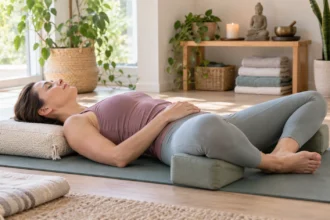
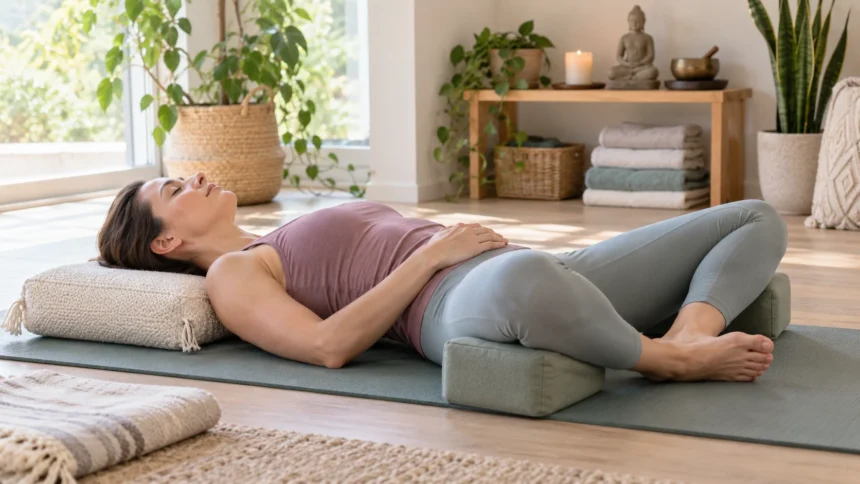
Diaphragmatic breathing is one of the simplest ways to practice pelvic floor relaxation. Lie on your back with your knees bent or rest comfortably on your side, then place one hand over your lower ribs or abdomen. Breathe in slowly through your nose and allow your abdomen and rib cage to expand rather than pulling your stomach inward.
As you inhale, imagine the muscles at the bottom of your pelvis gently softening or widening. You do not need to push downward or bear down, because the goal is relaxation rather than creating pressure. Exhale naturally and allow your abdomen to return without deliberately squeezing your pelvic floor at the end of each breath.
Practice for several minutes while keeping your jaw, shoulders, buttocks, and inner thighs relaxed. Many people unknowingly tense these areas together, so noticing unnecessary clenching can be helpful. Diaphragmatic breathing can be used on its own or combined with gentle pelvic floor stretches to create a calmer and more controlled mobility routine.
Child’s Pose and Happy Baby Stretch
Child’s pose can gently open the hips and lower back while providing a supported position for relaxed breathing. Begin on your hands and knees, move your knees apart to a comfortable width, and slowly sit your hips toward your heels. Rest your arms forward or support your upper body with pillows if the full position feels too intense.
Stay in the position while taking slow breaths into the abdomen, sides of the ribs, and pelvic area. Avoid forcing your hips toward the heels if you feel pressure in the knees, hips, or pelvis. The purpose is to create a sense of release, so a modified position with cushions can be just as useful as a deeper stretch.
Happy baby is another common hip-opening position. Lie on your back, bring your knees toward your chest, and hold behind the thighs or around the feet if comfortable. Keep your lower back relaxed and allow the knees to move gently outward while breathing slowly, stopping if you notice pinching, numbness, or increased pelvic discomfort.
Deep Squat and Hip Flexor Stretches
A supported deep squat can encourage movement through the hips, ankles, and pelvic floor. Stand with your feet comfortably apart, hold a stable surface, and lower yourself only as far as you can without strain. You can place a yoga block or firm cushion beneath your hips if you need support while maintaining a relaxed position.
Once settled, allow your knees to move outward naturally while keeping your breathing slow. Avoid pushing aggressively into the bottom of the squat or holding your breath. Some people find that a supported squat helps them sense pelvic floor lengthening, while others may need a shallower version because of hip, knee, ankle, or pelvic discomfort.
Hip flexor stretching can also be useful because prolonged sitting may leave the front of the hips feeling stiff. From a half-kneeling position, gently shift the pelvis forward while keeping your trunk tall and avoiding excessive arching in the lower back. The stretch should be felt near the front of the hip rather than creating pressure inside the pelvis.
Improve Glute and Hip Mobility Alongside Pelvic Floor Stretches
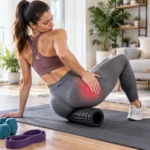
The glutes and deep hip muscles surround the pelvis and can influence how the pelvic floor moves during walking, sitting, and exercise. Gentle glute stretches, hip rotations, and mobility drills may therefore complement pelvic floor relaxation. If your buttocks regularly feel tight or sore, addressing that area may make your overall mobility routine feel more balanced.
A figure-four style stretch can target the outer hip and gluteal area. Lie on your back, cross one ankle over the opposite thigh, and gently bring the legs toward you until a comfortable stretch develops. For additional ideas on managing nearby muscle discomfort, these buttock pain relief tips provide practical guidance for the surrounding region.
Do not assume that every sensation around the buttock or pelvis needs more stretching. Irritated nerves, joint problems, muscle strains, and pelvic floor conditions can produce similar symptoms. If stretching repeatedly increases pain, causes tingling, or sends symptoms down the leg, reduce the intensity and consider getting the source of the discomfort assessed.
Build a Simple Daily Pelvic Floor Relaxation Routine
A simple routine can begin with three to five minutes of diaphragmatic breathing followed by a few comfortable mobility positions. You might choose child’s pose, happy baby, a supported squat, and one gentle hip stretch. Spending a short amount of time on each exercise is usually more practical than forcing yourself through a long routine that becomes difficult to maintain.
Move slowly between positions and notice whether your breathing remains relaxed. If you find yourself holding your breath, clenching the buttocks, or tightening the abdomen, reduce the stretch until you can soften again. The goal is to teach the body that these positions are safe and comfortable rather than repeatedly pushing the muscles into a defensive response.
Consistency often matters more than intensity. A few minutes most days may be easier to tolerate than an aggressive stretching session once a week. Your routine should leave the pelvic and hip region feeling the same or more comfortable afterward, not noticeably more painful, irritated, or tense for several hours.
Common Mistakes When Stretching a Tight Pelvic Floor
One common mistake is assuming that deeper stretching always produces faster relief. Pelvic floor muscles can become more protective when movements feel threatening or painful, so forcing extreme hip-opening positions may have the opposite effect. Stay within a range where you can breathe normally and allow the muscles to soften rather than trying to achieve a particular pose.
Another mistake is continuing Kegel exercises when the main problem is difficulty relaxing. Kegels can be useful for certain types of pelvic floor weakness, but they are not appropriate for every pelvic problem. If you already feel constantly clenched, adding more repeated contractions without guidance may increase tension rather than improving coordination.
People may also focus entirely on the pelvic floor while ignoring stress, sitting habits, constipation, hip mobility, and overall activity levels. Pelvic symptoms are often influenced by several systems working together. A more complete approach may include breathing, gentle movement, bowel and bladder habits, appropriate strengthening, and professional guidance when symptoms are persistent.
When to Worry About Pelvic Floor Tightness
Pelvic floor tightness deserves professional assessment when pain is persistent, worsening, or significantly interfering with daily life. Ongoing pain with sitting, urination, bowel movements, or sexual activity should not simply be accepted as normal. A pelvic floor physical therapist or healthcare provider can assess muscle tone, coordination, mobility, and other possible contributors.
Seek prompt medical care if pelvic symptoms occur with fever, unexplained bleeding, blood in the urine or stool, severe abdominal pain, or sudden difficulty urinating. New weakness, numbness around the groin, or loss of bladder or bowel control also requires urgent attention. These symptoms can indicate problems beyond ordinary muscle tension and should not be managed with stretching alone.
You should also seek evaluation if stretches consistently make symptoms worse or if you are uncertain whether your pelvic floor is tight or weak. Some people have both poor relaxation and reduced strength, which requires a more individualized rehabilitation plan. Proper assessment can help determine whether relaxation, strengthening, coordination training, or another treatment approach is most appropriate.
Conclusion
Tight pelvic floor muscles can contribute to pelvic pressure, painful sitting, urinary symptoms, bowel difficulty, sexual discomfort, and tension around the hips or lower back. Gentle stretching may help when excessive muscle guarding is part of the problem. The most useful approach usually combines comfortable mobility with breathing and awareness rather than aggressive stretching.
Diaphragmatic breathing, child’s pose, happy baby, supported squats, hip flexor stretches, and gentle glute mobility can all be useful options. Choose only movements that feel comfortable and allow you to breathe normally. A successful pelvic floor relaxation routine should gradually make movement feel easier rather than leaving the area more tense or painful afterward.
Persistent pelvic symptoms deserve proper evaluation because many conditions can resemble a tight pelvic floor. Seek professional help when pain interferes with normal activities, bladder or bowel function changes significantly, or neurological warning signs appear. A pelvic floor physical therapist can help identify your specific movement and muscle pattern and create a more individualized plan.
FAQs
What is the best stretch for a tight pelvic floor?
There is no single best stretch for everyone. Child’s pose, happy baby, supported deep squats, and gentle hip-opening positions can be useful when combined with slow diaphragmatic breathing.
How do I know if my pelvic floor is too tight?
Possible signs include pelvic pressure, painful sitting, difficulty relaxing during urination or bowel movements, painful sex, and ongoing hip or pelvic tension. A pelvic floor professional can provide a more accurate assessment.
Should I do Kegels if my pelvic floor is tight?
Not automatically. Kegels strengthen pelvic floor contractions, so repeatedly performing them when the muscles already struggle to relax may worsen symptoms. An assessment can determine whether strengthening is appropriate.
How long does it take to relax a tight pelvic floor?
There is no fixed timeline because recovery depends on the cause, symptom duration, and contributing factors. Some people notice gradual improvement with regular relaxation work, while persistent cases may require pelvic floor physical therapy.
Can stress make pelvic floor muscles tight?
Yes. Stress can contribute to unconscious muscle guarding, altered breathing, and increased tension around the abdomen, hips, and pelvic floor. Relaxation strategies and regular movement may help reduce this pattern.