
What Is Groin Pain and Why Does It Happen?
If you have ever wondered, “Why does my groin hurt?” you are not alone. Groin pain refers to discomfort in the area where your lower abdomen meets your upper inner thigh. It can feel like a dull ache, sharp pain, pulling sensation, or persistent tenderness, depending on the underlying cause and affected tissues.
The groin contains several important structures, including muscles, tendons, ligaments, nerves, blood vessels, and nearby lymph nodes. Pain may develop when these structures become irritated, injured, or affected by an underlying medical condition. Sometimes, discomfort originates from the hip joint, urinary system, or abdominal organs rather than the groin muscles themselves.
Groin pain can begin suddenly after exercise or develop gradually without an obvious injury. Although many cases involve manageable muscle problems, others require medical evaluation or urgent treatment. Understanding common causes, recognizing associated symptoms, and knowing when to seek professional care can help you make informed decisions about your health.
Common Causes of Groin Pain You Should Know
Several conditions can cause groin pain, ranging from muscle strains to problems involving the hip, abdomen, or urinary system. Common causes include adductor injuries, inguinal hernias, hip arthritis, tendon irritation, and swollen lymph nodes. The likely explanation depends on your symptoms, medical history, recent activities, and whether the discomfort occurs on one or both sides.
Musculoskeletal causes often become noticeable during walking, running, twisting, or lifting the leg. Other conditions may produce discomfort alongside swelling, abdominal symptoms, urinary changes, or tenderness around the groin. Because different problems can create similar sensations, pain location alone cannot reliably identify the underlying condition without an appropriate assessment.
Some less common causes require particular attention, including fractures, infections, kidney stones, and certain reproductive or pelvic conditions. Severe or rapidly worsening pain should never be dismissed as ordinary muscle soreness. Identifying additional symptoms can help determine whether simple activity adjustments are reasonable or prompt medical care is necessary.
Groin Muscle Strain and Pulled Groin Injuries
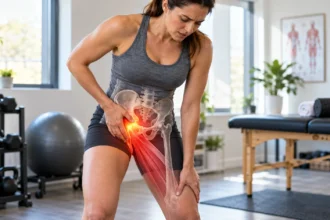
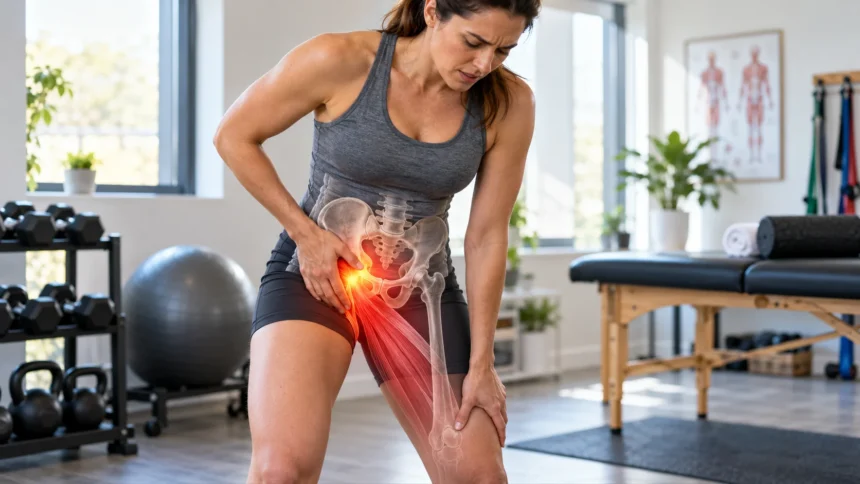
A groin strain occurs when muscles or tendons along the inner thigh become overstretched or injured. The hip adductor muscles are commonly involved because they help bring the legs toward the body’s center. Sudden changes in direction, sprinting, kicking, or forceful movements may place more stress on these tissues than they can tolerate.
Symptoms often include inner thigh tenderness, discomfort when squeezing the legs together, and pain during running or walking. A more significant strain may produce swelling, bruising, or difficulty performing normal movements. The intensity of pain varies according to injury severity, and symptoms sometimes become more noticeable several hours after the initial activity.
Mild groin strains may improve with temporary activity modification and gradual rehabilitation. Avoid aggressive stretching during the early stages because it can irritate injured tissues and delay comfortable movement. If you experience severe pain, substantial bruising, or difficulty walking, seek professional assessment to determine whether a more significant injury has occurred.
Inguinal Hernia and Pain Around the Groin
An inguinal hernia occurs when tissue pushes through a weakened area of the lower abdominal wall near the groin. It may create a visible or noticeable bulge that becomes more prominent when standing, coughing, or straining. Some people experience discomfort or pressure, while others notice a lump without significant pain.
Hernia-related symptoms can include a dragging sensation, aching discomfort, or tenderness during certain physical activities. The bulge may become less noticeable when lying down, depending on the type and severity of the hernia. However, groin discomfort without a visible lump does not automatically exclude a hernia or confirm another diagnosis.
A suspected inguinal hernia should be evaluated by a healthcare professional to determine appropriate management. Sudden severe pain, a tender bulge that cannot be pushed back, vomiting, or changes in skin color over the swelling require emergency medical attention. These symptoms may indicate a complication involving trapped or compromised tissue.
Hip Joint Problems That Cause Groin Discomfort
The hip joint is a common source of pain that may be felt deep within the groin. Conditions such as hip osteoarthritis, femoroacetabular impingement, and labral injuries can produce discomfort near the front of the pelvis. Pain originating from the hip may also extend toward the upper thigh or buttock.
People with hip-related groin pain sometimes notice stiffness, clicking, or difficulty rotating the leg comfortably. Activities such as climbing stairs, squatting, walking, or getting into a car may increase symptoms. Although these patterns can suggest hip involvement, similar discomfort may arise from surrounding muscles or other structures.
Treatment depends on the specific hip condition and how significantly it affects movement. Physical therapy, appropriate strengthening, and activity modifications may help manage certain musculoskeletal problems. Persistent groin pain accompanied by reduced hip mobility should be assessed rather than repeatedly treated with stretching without an established diagnosis.
Why Your Groin May Hurt After Exercise or Sports
Groin discomfort after exercise often develops when muscles and tendons experience unfamiliar or excessive demands. Activities involving sprinting, kicking, jumping, and rapid changes of direction place considerable stress on the hip adductors. Suddenly increasing workout intensity or returning to demanding activity after a break can contribute to overload.
Not all post-exercise groin pain represents an injury. Temporary muscle soreness may appear after unfamiliar physical activity and gradually improve over the following days. However, sharp pain during a particular movement, worsening symptoms, or noticeable weakness may indicate a strain or another condition requiring assessment.
If discomfort begins after exercise, reduce movements that clearly aggravate the affected area. Gentle activity may remain appropriate when walking and everyday movements feel comfortable. Avoid returning immediately to intense training if pain persists, particularly when changing direction, accelerating, or squeezing your legs together reproduces symptoms.
Groin Pain When Walking or Climbing Stairs
Walking requires coordinated movement between the hip joint, pelvis, and surrounding muscles. When one of these structures becomes irritated, groin discomfort may occur with every step or after walking a certain distance. Hip arthritis, adductor strains, tendon problems, and certain bone injuries can produce pain during weight-bearing activities.
Climbing stairs increases the demands placed on the hip and thigh muscles. Some people feel discomfort when lifting the leg, while others notice pain when pushing their body upward. The pattern can provide useful information during a medical assessment, but it cannot establish a diagnosis without considering additional symptoms and examination findings.
For mild discomfort, temporarily shortening walks or choosing easier routes may reduce irritation. However, persistent limping, worsening weight-bearing pain, or an inability to walk normally requires medical evaluation. Sudden severe groin pain following a fall or injury should be assessed urgently because fractures and other serious injuries are possible.
Can Kidney Stones Cause Pain in the Groin?
Kidney stones are hard deposits that can form within the urinary system. When a stone moves into the ureter, it may cause intense pain that travels from the side or back toward the lower abdomen and groin. The discomfort may occur in waves and can become difficult to tolerate.
Additional symptoms may include nausea, vomiting, urinary urgency, or blood in the urine. Some people experience discomfort while urinating, although the exact symptoms depend on the stone’s location. Groin pain caused by kidney stones is different from a muscle strain, but the distinction may not always be obvious initially.
Severe suspected kidney stone pain warrants prompt medical assessment, especially when accompanied by vomiting or difficulty passing urine. Fever or chills alongside urinary pain may indicate infection and require urgent treatment. A healthcare professional can determine whether imaging, medication, or another intervention is appropriate for the situation.
Urinary Tract Infections and Groin Pain
Urinary tract infections occur when bacteria affect parts of the urinary system, including the bladder or kidneys. A lower urinary tract infection may cause discomfort around the lower abdomen or pelvic region that some people describe as groin pain. Burning during urination, frequent bathroom visits, and urgency are common accompanying symptoms.
Symptoms can vary according to the affected urinary structures and individual circumstances. Some people notice cloudy urine, pelvic pressure, or discomfort that continues between bathroom visits. However, not every urinary symptom indicates an infection, and testing may be necessary to distinguish bacterial infections from other urinary or pelvic conditions.
Seek medical advice when groin discomfort occurs alongside painful urination or persistent urinary changes. Fever, chills, back or side pain, and vomiting may suggest a more serious infection requiring urgent evaluation. Treatment should address the underlying cause rather than relying on stretching or exercise to relieve urinary-related discomfort.
Swollen Lymph Nodes and Tenderness in the Groin
Lymph nodes are small structures that help the immune system respond to infections and other health conditions. Groups of lymph nodes are located within the groin and may become enlarged when the body reacts to inflammation or infection. Swelling can sometimes feel like small, tender lumps beneath the skin.
Groin lymph nodes may enlarge in response to infections affecting the legs, feet, skin, or nearby areas. Depending on the cause, tenderness, warmth, or additional symptoms may develop. Not every groin lump is a swollen lymph node, however, because hernias, cysts, and other conditions can produce similar findings.
If a groin lump persists, continues growing, or feels unusually firm, arrange a medical assessment. Associated fever, unexplained weight changes, or significant illness also deserve attention. Avoid repeatedly pressing or massaging the swollen area because doing so can increase tenderness without addressing the underlying condition.
Groin Pain Caused by Nerve Irritation
Several nerves travel through the pelvis and groin, supplying sensation to nearby skin and supporting normal muscular function. Irritation or compression involving these nerves may produce burning discomfort, tingling, numbness, or unusual sensitivity. The exact symptoms depend on which nerve is affected and where the irritation develops.
Nerve-related groin pain may occur after certain injuries, surgical procedures, or conditions affecting the lower back and pelvis. Some individuals notice symptoms when sitting, walking, or wearing clothing that presses against sensitive areas. These sensations can overlap with other groin conditions, making a proper evaluation important.
Treatment depends on identifying the source of nerve irritation and assessing its severity. Physical therapy or other medical treatments may be recommended according to the diagnosis. New or progressive weakness, substantial numbness, or symptoms involving bladder or bowel control require prompt medical attention rather than continued self-treatment.
Why Groin Pain May Occur on One Side
Groin pain affecting only the right or left side can occur for several reasons. A muscle strain, hip joint condition, hernia, swollen lymph node, or urinary problem may create localized discomfort. The side of the pain can help guide an examination, but it rarely identifies the cause by itself.
Right-sided groin discomfort may sometimes occur alongside lower abdominal pain from conditions such as appendicitis. Left-sided symptoms can also originate from abdominal or pelvic structures rather than the hip muscles. The presence of fever, nausea, abdominal tenderness, or other symptoms can provide important clues about potential underlying conditions.
Do not assume that pain affecting only one side is automatically harmless or muscle-related. Sudden severe discomfort, particularly with abdominal symptoms or significant swelling, warrants urgent assessment. Persistent one-sided pain should also be evaluated when it interferes with walking, physical activity, or normal daily routines.
Groin Pain During Pregnancy
Pregnancy can place changing demands on the muscles, joints, and ligaments surrounding the pelvis. Some pregnant individuals experience groin discomfort related to pelvic girdle pain or changes in how the body tolerates movement. Symptoms may become noticeable during walking, climbing stairs, turning in bed, or standing on one leg.
Pregnancy-related discomfort can vary in location and intensity, and not all groin pain originates from the musculoskeletal system. Urinary infections, abdominal conditions, and other pregnancy complications can sometimes produce overlapping symptoms. For this reason, persistent or worsening pain should be discussed with a maternity healthcare professional.
Gentle activity adjustments and pregnancy-informed physiotherapy may help some individuals manage pelvic discomfort. However, sudden severe pain, vaginal bleeding, dizziness, fever, or other concerning symptoms require urgent medical assessment. Avoid attempting deep groin stretches or unfamiliar exercises without guidance when movement consistently worsens symptoms.
Groin Pain in Children and Teenagers
Groin pain in children and teenagers can occur after sports, physical activity, or minor muscle injuries. However, growing bones and developing hip joints can also be affected by conditions that require medical evaluation. Pain may sometimes be felt in the groin, thigh, or knee even when the underlying problem involves the hip.
Certain adolescent hip conditions, including slipped capital femoral epiphysis, can cause groin discomfort and difficulty walking. Symptoms may develop gradually or appear more suddenly, and continuing weight-bearing can worsen some conditions. Younger children may also experience hip inflammation or infections that produce pain and restricted movement.
A child or teenager with persistent groin pain, a limp, or reduced hip movement should be assessed by a healthcare professional. Inability to bear weight, severe pain, or fever with hip symptoms requires urgent evaluation. Early recognition is particularly important because some developing hip conditions need timely treatment to protect joint health.
How Doctors Diagnose the Cause of Groin Pain
Diagnosing groin pain usually begins with reviewing symptoms, medical history, and recent activities. A clinician may ask where the discomfort started, whether it followed an injury, and which movements make it worse. Information about swelling, urinary symptoms, abdominal discomfort, and previous medical conditions can help narrow the possibilities.
A physical examination may involve assessing the hip joint, inner thigh muscles, abdomen, and surrounding structures. The healthcare professional might evaluate walking, range of motion, muscle strength, and areas of tenderness. Examination findings are considered together because individual movement tests cannot reliably identify every possible source of groin discomfort.
Imaging or laboratory investigations may be recommended when the diagnosis remains unclear or concerning symptoms are present. Ultrasound can help assess certain groin lumps or hernias, while X-rays and MRI may evaluate bone, joint, or soft-tissue conditions. Urine tests or blood tests can provide additional information when infection or another medical problem is suspected.
Home Care and Treatment Options for Groin Pain
Treatment for groin pain depends on the underlying cause rather than the location of discomfort alone. Mild muscle-related symptoms may improve when activities that aggravate the area are temporarily reduced. Maintaining comfortable everyday movement can be useful, but painful stretching or intense exercise should be avoided during the early stages of an injury.
A cold pack wrapped in a cloth may provide temporary relief following a minor recent muscle injury. Gentle warmth can feel soothing for some forms of stiffness, provided there is no concerning swelling or inflammation. Medicines for pain relief should be used only when appropriate for your age, medical history, and other medications, with professional guidance when needed.
Persistent or recurring groin pain may require physical therapy, medical treatment, or specialist assessment. Hernias, infections, urinary conditions, and certain hip injuries need management that differs from ordinary muscular rehabilitation. Avoid repeatedly treating unexplained pain with massage or stretching, especially when symptoms worsen or new warning signs appear.
Physical Therapy and Exercises for Groin Pain
Physical therapy is commonly used to manage certain muscle, tendon, and hip-related causes of groin discomfort. A physiotherapist can assess strength, mobility, movement patterns, and activities that reproduce symptoms. The goal is usually to improve comfortable function while gradually rebuilding the area’s ability to tolerate everyday and recreational demands.
Depending on the diagnosis, treatment may include controlled hip strengthening, gradual adductor loading, and balance exercises. Gentle movements can sometimes be introduced early, while more challenging exercises are added as symptoms improve. However, suspected fractures, significant injuries, and unexplained severe pain require medical assessment before beginning a structured exercise program.
Stretching is not always the most appropriate starting point for groin pain. Certain tendon problems and acute muscle strains may become more irritated when stretched aggressively. A personalized rehabilitation plan helps determine which movements are suitable, how quickly to progress, and when returning to sports or strenuous activities is reasonable.
When Should You Worry About Groin Pain?
Many cases of groin discomfort improve with appropriate management, but some symptoms indicate potentially serious conditions. Sudden severe pain, significant swelling, or an inability to bear weight requires urgent medical evaluation. Pain following a major injury should also be assessed promptly rather than assuming it is a simple pulled muscle.
Seek emergency care for severe groin pain with a painful, nonreducible bulge, vomiting, or marked abdominal discomfort. Sudden severe testicular pain or swelling also requires immediate evaluation because testicular torsion is a time-sensitive emergency. Fever accompanied by severe hip pain or rapidly worsening symptoms can indicate an infection requiring urgent treatment.
Groin pain that persists, repeatedly returns, or gradually becomes more limiting deserves medical attention even without emergency symptoms. Unexplained lumps, urinary changes, or discomfort affecting sleep and daily activities should also be evaluated. Timely assessment can identify the cause and help prevent delays in appropriate treatment.
How to Reduce the Risk of Recurring Groin Pain
Not every cause of groin pain can be prevented, particularly when underlying medical conditions are involved. However, maintaining appropriate hip strength and gradually increasing physical activity may reduce avoidable muscular overload. A balanced fitness routine should challenge the inner thigh muscles, glutes, and surrounding lower-body structures through manageable movements.
Athletes can benefit from progressive adductor strengthening and training that reflects the demands of their sport. Sudden increases in sprinting, kicking, or lateral movements may exceed current muscular capacity and contribute to discomfort. Allowing appropriate recovery and adjusting training loads when warning signs appear can support more sustainable physical activity.
For everyday movement, avoid relying on one stretching exercise as a complete prevention strategy. Walking regularly, varying sitting positions, and performing appropriate strengthening exercises can support general hip function. If groin pain repeatedly returns despite sensible adjustments, a professional evaluation can help identify contributing factors requiring more specific management.
Conclusion
Groin pain can develop from several different conditions affecting the muscles, tendons, hip joints, abdomen, or urinary system. Common causes include groin strains, hernias, hip problems, swollen lymph nodes, and nerve irritation. Understanding when the pain began and which symptoms accompany it can help guide the next steps toward appropriate care.
Mild muscle-related discomfort may improve with temporary activity modification and gradual rehabilitation. However, persistent groin pain should not automatically be treated as a pulled muscle, particularly when swelling, urinary symptoms, or restricted movement are present. Accurate diagnosis helps ensure that treatment addresses the actual source of discomfort.
Seek urgent medical attention for severe pain, inability to bear weight, sudden testicular pain, or a painful groin bulge accompanied by vomiting. For less urgent symptoms, a healthcare professional can recommend suitable assessment and treatment. With appropriate care, many causes of groin discomfort can be managed effectively, allowing a comfortable return to everyday activities.
Frequently Asked Questions (FAQs)
1. Why does my groin hurt without an injury?
Groin pain without an obvious injury may result from hip conditions, tendon irritation, hernias, urinary problems, or swollen lymph nodes. Persistent discomfort should be evaluated because several conditions can produce similar symptoms.
2. How do I know if my groin pain is muscular?
Muscular groin pain often becomes noticeable when squeezing your legs together, running, or performing specific movements. However, symptoms overlap with other conditions, so a clinical assessment may be necessary to confirm the cause.
3. Can groin pain come from my hip?
Yes, hip arthritis, labral injuries, and femoroacetabular impingement can cause pain felt deep within the groin. These conditions may also produce stiffness, clicking, or discomfort during hip rotation and walking.
4. How long does a groin strain take to heal?
Mild groin strains may improve within a few weeks, while more significant injuries can require considerably longer rehabilitation. Recovery depends on injury severity, activity demands, and how appropriately exercise is progressed.
5. When is groin pain considered an emergency?
Groin pain requires emergency evaluation when accompanied by sudden severe testicular pain, inability to bear weight, or a painful hernia bulge with vomiting. Severe pain with fever or significant injury also warrants urgent attention.