

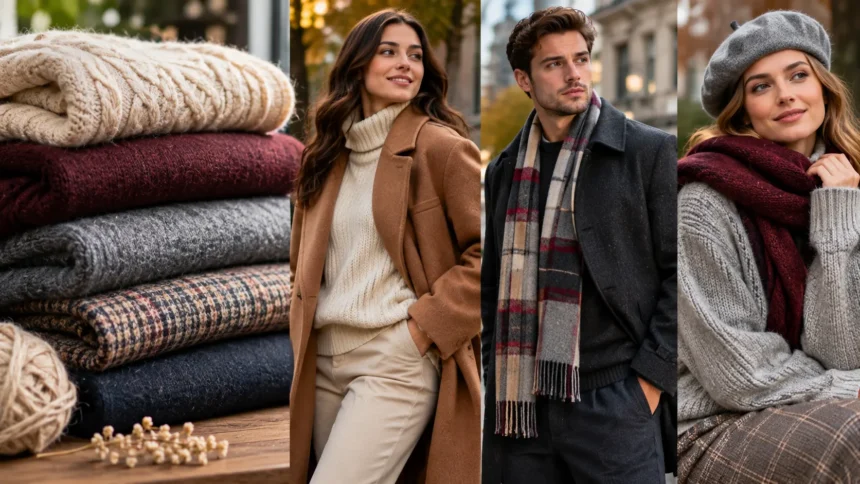
What Is Wool Fabric and Why Is It Popular?
Wool is a natural textile fiber commonly obtained from sheep and used to make clothing, blankets, and home furnishings. It is widely appreciated for its warmth, softness, and ability to manage moisture. This wool fabric guide explains its properties, different varieties, styling possibilities, and practical care methods for everyday use.
Unlike many synthetic materials, wool contains naturally crimped fibers that help trap air and provide insulation. This structure makes wool clothing particularly useful during colder seasons. However, the thickness, weave, and construction of a wool garment also influence how warm or comfortable it feels.
Wool is available in many textures, weights, and finishes, making it suitable for both casual and formal clothing. From lightweight merino sweaters to structured winter coats, wool offers versatile wardrobe options. Understanding its characteristics helps you choose garments that match your lifestyle, comfort preferences, and seasonal needs.
Understanding the Different Types of Wool Fabric
Different types of wool have unique qualities based on fiber diameter, animal source, and manufacturing methods. Merino wool comes from Merino sheep and is often valued for its fine, soft fibers. It is commonly used in sweaters, base layers, socks, and lightweight clothing designed for comfort.
Lambswool comes from the first shearing of young sheep and is typically soft and elastic. Shetland wool is traditionally associated with hardy sheep from Scotland’s Shetland Islands and often has a more textured character. Both varieties are popular for knitwear and practical cold-weather garments.
Other popular wool textiles include tweed, flannel, worsted wool, and boiled wool. These names often describe fabric construction or processing rather than a different animal fiber. Understanding these distinctions can help you select appropriate materials for jackets, trousers, coats, and other wardrobe essentials.
What Makes Wool Different From Other Fabrics?
Wool has several natural characteristics that distinguish it from cotton, linen, and many synthetic fabrics. Its fibers contain a distinctive crimp that creates small air spaces within the material. These spaces help provide insulation while allowing wool garments to function across different temperatures.
Another important feature is wool’s ability to absorb moisture vapor without immediately feeling wet against the skin. This moisture-management property can improve comfort during changing conditions. Wool can also resist certain odors better than some synthetic materials, although regular cleaning and proper garment care remain important.
Wool’s natural elasticity allows many garments to recover from everyday stretching and maintain their shape. However, performance depends on the fiber quality and fabric construction. Excessive heat, friction, or unsuitable washing techniques may still cause shrinking, pilling, or damage to delicate wool clothing.
Why Wool Is a Good Choice for Winter Clothing
Wool is widely used for winter clothing because its structure helps retain warmth in cool environments. Wool sweaters, scarves, and coats create insulating layers that support comfortable temperature management. The actual warmth provided depends on garment thickness, fit, construction, and surrounding weather conditions.
A wool coat can provide useful insulation during everyday winter activities when paired with suitable inner layers. Wool knitwear also works well beneath jackets without necessarily requiring excessive bulk. Choosing the appropriate fabric weight helps balance warmth, comfort, and ease of movement throughout the day.
Wool is not automatically waterproof or windproof, so additional protection may be necessary during severe weather. A tightly woven coat can resist some wind, while specialized outerwear may provide better protection from heavy rain. Understanding these limitations helps you build practical winter outfits instead of relying on fabric alone.
How to Wear Wool Sweaters for Everyday Style
Wool sweaters are versatile wardrobe essentials because they combine practical warmth with different styling possibilities. A classic crewneck sweater works well with straight-leg jeans and comfortable sneakers. This simple combination creates a relaxed outfit suitable for casual meetings, shopping, and everyday activities.
For a more polished appearance, pair a fine-knit wool sweater with tailored trousers. Neutral colors such as gray, navy, beige, and cream create coordinated combinations without requiring complicated accessories. Loafers or ankle boots can complete the outfit while maintaining a comfortable balance between casual and smart clothing.
Chunky wool sweaters offer another styling option for colder days. Their textured appearance pairs naturally with denim, corduroy, and simple trousers. When choosing an oversized design, focus on comfortable proportions and movement rather than following strict fashion rules about how clothing should fit.
Wool Coat Outfit Ideas for a Polished Look
A wool coat can become a reliable outerwear piece because it complements casual and formal outfits. Long wool coats look attractive over sweaters, jeans, and ankle boots. This combination creates a practical winter appearance while allowing the coat’s structured design to remain noticeable.
For office clothing, wear a tailored wool coat over a shirt, fine-knit sweater, and straight trousers. Black, camel, charcoal, and navy coats are particularly versatile because they coordinate with many colors. A simple scarf and structured handbag can add functionality without overwhelming the overall outfit.
Short wool jackets and peacoats provide alternatives for people who prefer lighter or less formal outerwear. These styles work well with denim, chinos, and comfortable everyday shoes. Consider sleeve length, shoulder comfort, lining, and weather conditions when selecting a wool coat for regular use.
How to Style Wool Trousers for Different Occasions
Wool trousers are popular in smart casual and professional wardrobes because they often provide structure and a refined appearance. Straight-leg wool trousers pair easily with fitted shirts, knitted tops, and simple jackets. Their versatility makes them useful for office settings, meetings, and social occasions.
For a relaxed outfit, combine wool trousers with a plain cotton T-shirt and comfortable sneakers. Adding a lightweight cardigan or denim jacket creates an interesting contrast between formal and casual textures. This combination makes tailored trousers more practical for everyday activities outside the workplace.
During colder months, wear wool trousers with a coordinating sweater and ankle boots. Different shades of gray, brown, or navy can create a balanced seasonal outfit. Check the fabric weight and lining before purchasing, since some wool trousers are better suited to mild weather than extreme cold.
Wool Skirt Outfit Ideas That Are Easy to Try
Wool skirts provide several outfit possibilities for autumn and winter wardrobes. A wool midi skirt looks attractive with a simple turtleneck sweater and comfortable boots. This combination offers warmth while allowing different textures and colors to complement one another naturally.
For a casual appearance, pair a short or knee-length wool skirt with a relaxed cardigan. Add suitable tights and flat shoes when the weather requires additional coverage. Choosing comfortable fabrics and practical accessories can make wool skirts suitable for everyday errands or social activities.
Structured wool skirts can also work well in professional environments with appropriate styling. Combine a neutral skirt with a blouse, tailored jacket, or fine-knit sweater. Selecting a comfortable length and appropriate lining helps ensure that the garment remains practical during walking, sitting, and daily movement.
How to Layer Wool Clothing Without Feeling Bulky
Layering wool clothing is an effective way to create adaptable outfits during changing temperatures. Begin with a comfortable base layer and add a wool sweater or cardigan. Finish with a suitable jacket or coat when additional warmth and weather protection are needed.
Fine-knit merino wool is particularly useful for layering because it can provide insulation without excessive thickness. A thin merino sweater fits comfortably beneath many blazers and winter coats. Choosing layers with compatible cuts helps prevent bunching and allows easier movement throughout the day.
When combining several layers, consider both warmth and breathability. Heavy wool garments may feel uncomfortable indoors or during active movement. Removable layers provide flexibility, allowing you to adjust clothing according to the environment rather than wearing the same combination throughout the day.
Best Colors to Pair With Wool Clothing
Wool clothing is available in many colors, making it easy to create outfits for different occasions. Neutral shades such as charcoal, cream, beige, and navy are practical choices for versatile wardrobes. These colors coordinate with denim, cotton shirts, leather accessories, and other common clothing materials.
Earth tones also work beautifully with the natural texture of wool. Olive green, rust, camel, and chocolate brown can create warm seasonal combinations. Pairing these colors with lighter neutrals helps maintain visual balance while keeping the outfit suitable for different settings.
Brighter colors can add personality to wool sweaters, scarves, and coats. Burgundy, cobalt blue, mustard, and forest green provide interesting alternatives to traditional neutrals. If you prefer simple outfits, use one colorful wool piece alongside understated clothing and accessories for an easy coordinated appearance.
Mixing Wool With Denim, Cotton, and Leather
Combining wool with other fabrics creates outfits that feel interesting without becoming overly complicated. Denim offers a casual contrast to the texture of wool knitwear. A wool cardigan worn with straight-leg jeans and comfortable boots is an easy example of this pairing.
Cotton is another useful companion because it provides a lightweight layer beneath wool garments. A cotton shirt under a wool sweater creates a classic smart casual combination. During milder weather, a cotton T-shirt beneath an open wool cardigan provides a more relaxed alternative.
Leather accessories can complement the structured appearance of wool coats and tailored clothing. A leather belt, handbag, or pair of boots may add a different texture to the outfit. When mixing materials, consider comfort, weather suitability, and how easily each item can be maintained.
How to Wear Wool in Spring and Autumn
Wool is often associated with winter, but lighter varieties can also work well during transitional seasons. Fine merino sweaters and lightweight wool cardigans provide useful layers when temperatures change throughout the day. Their flexible styling makes them suitable for spring and autumn wardrobes.
During spring, pair a lightweight wool sweater with cotton trousers or relaxed denim. Soft colors and breathable layers create a comfortable outfit for mild conditions. A thin wool scarf can also provide additional warmth during cooler mornings without requiring a heavy coat.
Autumn outfits can include wool jackets, knitted vests, and textured trousers. Layer these pieces over simple shirts and coordinate them with practical footwear. Choosing lighter wool fabrics allows you to enjoy their texture and appearance without overheating during warmer afternoons.
Choosing the Right Wool Fabric for Sensitive Skin
Some people find certain wool garments itchy or uncomfortable against their skin. This sensation often relates to fiber thickness, garment construction, and individual skin sensitivity. Coarser fibers may feel more irritating than finer varieties, especially when worn directly against the body.
Fine merino wool is often a comfortable option because its thinner fibers can bend more easily against the skin. However, not every person responds to wool in the same way. Trying garments before purchasing can help you determine which textures feel suitable for regular wear.
Wearing a soft cotton layer beneath a textured wool sweater may also improve comfort. Look for smooth seams, suitable linings, and garments that allow easy movement. If wool consistently causes irritation or a skin reaction, discontinue use and seek professional advice when appropriate.
How to Choose Quality Wool Clothing
Choosing good wool clothing involves examining fiber composition, construction, and finishing details. Check the garment label to understand whether it contains pure wool or a blend with other fibers. Wool blends can offer useful benefits, including different textures, durability characteristics, and maintenance requirements.
Inspect the stitching, seams, and overall fabric consistency before purchasing. Well-constructed knitwear should generally feel comfortable and maintain an appropriate shape when handled gently. However, softness alone does not guarantee durability, since fabric performance also depends on yarn quality and construction.
Consider how often you plan to wear the garment and what maintenance it requires. A versatile wool sweater or coat may provide better long-term value than a highly specialized piece. Choosing suitable colors, comfortable fits, and reliable construction makes wool clothing easier to incorporate into everyday routines.
How to Wash Wool Clothes Without Shrinking Them
Washing wool correctly is important because heat, moisture, and agitation can cause certain wool fabrics to shrink or felt. Always check the garment care label before cleaning. Some wool clothing requires professional dry cleaning, while other items are designed for gentle hand or machine washing.
For washable wool, use cool water and a mild detergent suitable for delicate fibers. Avoid aggressive scrubbing, twisting, or prolonged soaking unless the manufacturer’s instructions permit it. Machine-washable wool should be cleaned using the recommended cycle and settings to reduce unnecessary fiber damage.
After washing, gently remove excess moisture without wringing the fabric. Many wool sweaters should be reshaped and dried flat on a suitable surface. Avoid direct heat from radiators or tumble dryers unless the care label specifically allows those methods.
How to Store Wool Clothing Properly
Proper storage helps wool garments maintain their appearance between wears and across different seasons. Clean clothing before long-term storage because perspiration, food residue, and other materials may attract fabric pests. Allow garments to dry completely before placing them in drawers or containers.
Fold heavy wool sweaters instead of hanging them for extended periods, since their weight may stretch the shoulders. Structured wool coats can usually be stored on suitable hangers that support their shape. Keep clothing in a clean, dry location away from excessive moisture and direct sunlight.
For seasonal storage, use breathable garment bags or appropriate sealed containers when necessary. Inspect stored garments occasionally for signs of moth activity or moisture damage. Good storage habits can reduce unnecessary wear and help your wool clothing remain useful for multiple seasons.
Common Wool Fabric Mistakes to Avoid
One common mistake is assuming that every wool garment requires the same care routine. Different fiber blends, weaves, and garment constructions may need specific cleaning methods. Ignoring the care label can lead to shrinkage, distortion, or other avoidable damage.
Another mistake involves selecting wool garments based only on thickness. Heavy fabric does not always provide the best comfort for every climate or activity. Considering garment construction, layering needs, and personal preferences helps you choose clothing that works in different situations.
Improper storage can also affect wool clothing over time. Hanging heavy knitwear, storing damp garments, or leaving clothing exposed to pests may reduce its lifespan. Simple habits such as folding sweaters, cleaning before storage, and checking garments regularly can prevent common problems.
Building a Practical Wardrobe With Wool Essentials
A useful wool wardrobe begins with a few versatile pieces that complement clothing you already own. A neutral sweater, comfortable cardigan, and suitable wool coat can support many seasonal outfits. These items can be combined with denim, cotton shirts, and tailored trousers.
Choose wool garments according to your climate, daily activities, and personal preferences. Someone living in a mild environment may benefit more from lightweight merino clothing than heavy winter knitwear. Similarly, people who spend time outdoors may prioritize durable outerwear and practical layering options.
Building a wardrobe gradually allows you to evaluate which wool pieces you actually enjoy wearing. Focus on quality, comfort, and easy maintenance instead of purchasing unnecessary items. A carefully selected collection can provide useful clothing combinations without requiring complicated styling decisions.
Conclusion
Wool fabric remains a practical clothing material because of its insulation, versatility, and distinctive texture. From soft merino sweaters to structured coats and tailored trousers, wool offers many styling possibilities. Understanding its different types helps you choose suitable garments for your comfort needs and daily activities.
Simple outfit combinations make wool clothing easy to incorporate into everyday wardrobes. Sweaters work well with denim, wool trousers complement casual shirts, and tailored coats enhance seasonal outfits. Choosing suitable colors, layers, and accessories allows you to create practical combinations for different occasions.
Proper cleaning and storage are equally important for maintaining wool garments over time. Following care instructions, selecting comfortable fabrics, and investing in useful wardrobe essentials can improve long-term satisfaction. This wool fabric guide provides a practical foundation for wearing, choosing, and caring for wool clothing confidently.
Frequently Asked Questions
Is wool fabric good for everyday clothing?
Yes, wool can be suitable for everyday clothing because it provides insulation, comfort, and versatile styling options. Lightweight merino sweaters, wool trousers, and cardigans work particularly well for regular wear.
What is the difference between wool and merino wool?
Wool is a broad term for fibers commonly obtained from sheep, while merino wool specifically comes from Merino sheep. Merino fibers are generally finer and often feel softer against the skin.
Can you wear wool fabric in summer?
Yes, lightweight wool fabrics can be comfortable in certain summer conditions. Fine merino clothing and breathable wool weaves may help manage moisture, although comfort depends on garment construction, temperature, and humidity.
How do you prevent wool clothes from shrinking?
Follow the garment care label, avoid excessive heat, and use suitable washing methods. Washable wool often benefits from cool water, gentle cleaning, and flat drying to help preserve its original shape.
What clothing materials go well with wool?
Wool pairs well with denim, cotton, leather, and various knitted fabrics. These combinations create interesting textures and allow wool sweaters, coats, and trousers to work in casual and professional outfits.