
Plums: Benefits, Nutrition & Why You Should Eat Them
Plums may be small, but they pack plenty of flavor and useful nutrients into every juicy bite. Available in shades ranging from deep purple and red to yellow and green, these stone fruits can be enjoyed fresh, cooked, baked, or dried. Their naturally sweet-tart taste makes them an easy addition to a balanced diet without requiring complicated preparation.
Beyond their refreshing flavor, plums provide vitamin C, potassium, dietary fiber, plant compounds, and naturally occurring antioxidants. They are relatively low in calories and have a high water content, making fresh plums particularly appealing when you want something sweet but light. Their combination of water and fiber can also make them a satisfying everyday snack.
The potential health benefits of plums extend beyond basic nutrition. Regular fruit consumption is associated with better overall diet quality, while the polyphenols found in colorful fruits such as plums have attracted attention for their antioxidant properties. Dried plums, better known as prunes, have also been studied extensively for digestive and bone health.
That does not mean plums are a miracle food or that eating them can prevent or cure disease. Their real value comes from fitting naturally into an overall nutritious eating pattern. Understanding plum nutrition, their potential benefits, and the differences between fresh and dried plums can help you decide how this versatile fruit fits into your daily meals.
What Are Plums and What Makes Them Unique?
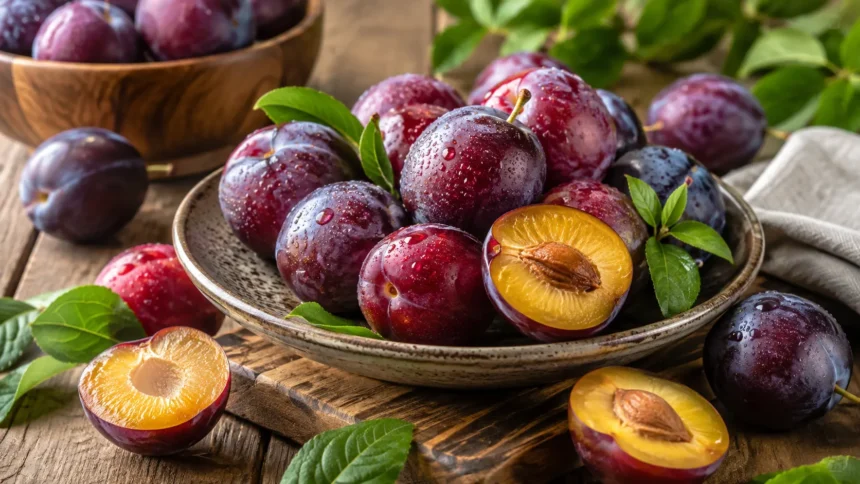
Plums are stone fruits belonging to the Prunus family, which also includes peaches, cherries, nectarines, and apricots. The name “stone fruit” comes from the hard pit located in the center of the fruit. Depending on the variety, plum flesh can be firm or very juicy, while the flavor ranges from pleasantly tart to intensely sweet.
There are numerous plum varieties grown around the world, and they can look surprisingly different from one another. Purple and black plums are widely recognized, but red, green, and golden-yellow varieties are also common. Some have yellow flesh, while others have deep red interiors, and the skin may taste sweeter or more tart than the flesh beneath it.
Fresh plums are particularly popular during their growing season because of their crisp skin and juicy texture. They can be eaten whole after removing the pit, sliced into salads, blended into smoothies, or cooked into sauces and desserts. Because the skin is edible, there is generally no need to peel a plum before eating it.
Plums are also transformed into dried plums, commonly known as prunes. Drying removes much of the fruit’s water, concentrating its natural sugars, calories, fiber, and certain nutrients into a smaller serving. Fresh plums and prunes therefore share the same origins but have different nutritional profiles and are often used for different dietary purposes.
Plum Nutrition: What Do You Get From Eating Plums?
Fresh plums are a relatively low-calorie fruit because much of their weight comes from water. A typical medium plum provides only around 30 calories while supplying carbohydrates, a small amount of dietary fiber, and naturally occurring fruit sugars. It contains very little fat and protein, so its main nutritional contribution comes from carbohydrates, vitamins, minerals, and plant compounds.
Vitamin C is one of the notable vitamins in plums. This essential nutrient contributes to normal immune function, collagen production, wound healing, and antioxidant protection. A single plum will not provide your entire daily requirement, but enjoying plums alongside other vitamin C-rich fruits and vegetables can contribute to meeting your overall nutritional needs.
Plums also provide potassium, a mineral involved in normal muscle function, nerve signaling, and fluid balance. Smaller quantities of nutrients such as vitamin K, vitamin A-related compounds, copper, and several B vitamins can also be present. Exact amounts vary according to plum variety, ripeness, growing conditions, and serving size.
The nutritional benefits of plums become more meaningful when you look at the complete package rather than one individual vitamin. You get water, dietary fiber, micronutrients, natural carbohydrates, and protective plant compounds in one convenient whole food. This combination is one reason whole fruits are generally preferable to relying on fruit-flavored processed foods for nutrition.
Plums Are Packed With Protective Antioxidants
One of the most interesting nutritional characteristics of plums is their variety of naturally occurring plant compounds. Plums contain polyphenols, including phenolic acids and flavonoid-related compounds. These substances help plants protect themselves from environmental stress and can also act as antioxidants when consumed as part of the human diet.
Antioxidants are important because normal metabolism and environmental exposures can produce unstable molecules known as free radicals. The body has its own antioxidant defense systems, while nutrients and phytochemicals from plant foods can complement those systems. Eating a diverse range of fruits and vegetables is more useful than depending on a single so-called antioxidant superfood.
Dark-colored plum varieties can contain pigments known as anthocyanins, which contribute to their red, blue, or purple appearance. These compounds belong to a wider family of plant polyphenols also found in foods such as berries, cherries, grapes, and red cabbage. Eating fruits of different colors can therefore provide a broader range of phytochemicals.
Research into plum antioxidants is promising, but many effects observed in laboratory or animal research should not automatically be interpreted as guaranteed benefits in humans. The practical takeaway is simpler: plums are a colorful whole fruit rich in useful plant compounds, making them a worthwhile addition to a varied, plant-rich eating pattern.
Can Plums Improve Digestion and Gut Health?
Plums can support normal digestion partly because they provide dietary fiber and water. Fiber contributes to stool bulk and helps food move through the digestive system normally, while adequate hydration supports comfortable bowel movements. Fresh plums provide less fiber than dried prunes, but they can still contribute to your total daily fiber intake.
The relationship between prunes and constipation is particularly well known. Dried plums contain fiber along with naturally occurring sorbitol, a sugar alcohol that draws water into the digestive tract. This combination is one reason prunes and prune juice are commonly used as food-based strategies for promoting regular bowel movements.
Fiber also plays a broader role in gut health because some types of dietary fiber can be fermented by intestinal bacteria. A diet containing different fruits, vegetables, legumes, nuts, seeds, and whole grains provides the varied carbohydrates that support a diverse intestinal environment. Plums can contribute to that variety rather than acting as a standalone gut-health solution.
Eating too many plums or prunes at once, however, can have the opposite effect and cause bloating, gas, loose stools, or abdominal discomfort in some people. This is particularly relevant for individuals who are sensitive to sorbitol or certain fermentable carbohydrates. Gradually increasing fruit and fiber intake is often more comfortable than suddenly consuming large quantities.
Plums May Be a Heart-Friendly Fruit
Plums can fit naturally into a heart-conscious eating pattern because fresh varieties are low in saturated fat and sodium while providing potassium, fiber, and polyphenols. Rather than thinking of one fruit as a treatment for heart disease, it is more useful to consider how replacing highly processed snacks with whole fruits can improve the overall nutritional quality of your diet.
Potassium contributes to normal fluid balance and is an important component of healthy dietary patterns. Fruits and vegetables are useful dietary sources of potassium, although the amount varies considerably between foods. Plums provide some potassium while also bringing water, fiber, vitamins, and plant compounds to the meal.
Dietary fiber is another reason fruit consumption is frequently encouraged as part of heart-healthy eating. Soluble and insoluble fibers have different functions, and consuming fiber-rich plant foods can support digestive and metabolic health. Fresh plums provide modest amounts, while dried plums deliver substantially more fiber per weight because the fruit becomes concentrated during drying.
Plum polyphenols are also being studied for possible effects on oxidative stress, inflammation, cholesterol, and other cardiovascular markers. Some research involving plum products has produced encouraging findings, but evidence varies according to the product, amount consumed, population, and study design. Plums should therefore complement proven heart-healthy habits rather than replace them.
Are Plums Good for Blood Sugar?
Although plums taste sweet, their sugar occurs naturally within the structure of the whole fruit alongside water, fiber, vitamins, and plant compounds. This makes eating a fresh plum very different from drinking a sugar-sweetened beverage or eating sweets containing large quantities of added sugar. Portion size still matters, especially for anyone monitoring carbohydrate intake.
Fresh plums generally provide a relatively modest amount of carbohydrate per fruit. Their fiber and intact fruit structure can slow eating and help make the carbohydrate easier to incorporate into a balanced meal. Pairing a plum with yogurt, nuts, seeds, cheese, or another protein-rich food can also create a more filling snack.
People with diabetes do not automatically need to avoid plums or most other whole fruits. Individual carbohydrate requirements, medications, activity levels, and glucose responses vary, so portion sizes should be personalized. Monitoring your own response is particularly useful if you have been advised to carefully manage carbohydrate consumption.
Dried plums require a little more attention because removing water concentrates the fruit’s carbohydrates and natural sugar into a smaller volume. It becomes easier to consume several prunes quickly compared with several whole fresh plums. Prunes can still be nutritious, but serving awareness is useful when blood sugar management or calorie intake is a priority.
Can Eating Plums Support Healthy Weight Management?
Fresh plums can be useful when you want a naturally sweet food without a large number of calories. Their high water content gives them volume, while the fiber contributes some additional fullness. Eating a fresh plum for dessert or as a snack may therefore satisfy a sweet craving while providing more nutrition than many highly processed alternatives.
No individual food directly causes meaningful long-term weight loss on its own. Body weight is influenced by total energy intake, physical activity, sleep, appetite, health conditions, medications, genetics, and numerous behavioral and environmental factors. Plums are useful because they can make a balanced eating pattern enjoyable rather than because they possess special fat-burning properties.
Whole plums may be particularly useful compared with plum juice because chewing whole fruit takes longer and retains the fruit’s natural fiber structure. Liquids are generally easier to consume rapidly, and fruit juice can deliver carbohydrate without the same degree of fullness associated with eating intact fruit. Whole fruit is therefore usually the more satisfying everyday choice.
Prunes are more calorie-dense than fresh plums because their water has been removed. This does not make dried plums unhealthy, but the appropriate portion looks smaller. Whether you prefer fresh or dried plums, paying attention to hunger, portion size, and your overall dietary pattern matters considerably more than focusing on one isolated food.
Plums, Vitamin C and Healthy Skin
Plums provide vitamin C, which your body needs to make collagen. Collagen is an important structural protein found in skin and other connective tissues. Vitamin C also functions as an antioxidant, helping protect cells against oxidative damage, although plums should be viewed as one of many possible dietary sources rather than an unusually concentrated source.
Colorful plums also contain polyphenols and other phytochemicals that contribute to the antioxidant capacity of the fruit. Antioxidant-rich eating patterns typically include many different plant foods, including berries, citrus fruits, leafy vegetables, tomatoes, nuts, seeds, and whole grains. Adding plums simply increases the variety of plant foods available to you.
It is tempting to describe certain foods as capable of producing glowing skin, eliminating wrinkles, or preventing aging, but nutrition does not work that simply. Skin health is influenced by genetics, sun exposure, hydration, sleep, smoking, environmental conditions, skincare practices, and overall nutrition. Eating plums can support nutrient intake without replacing these other factors.
For the greatest nutritional value, eat plums as part of a varied diet containing adequate protein, essential fats, fruits, vegetables, and whole grains. Keeping the edible skin on the plum can also help retain fiber and various plant compounds. Simply wash the fruit thoroughly under clean running water before eating it.
What About Plums and Bone Health?
Fresh plums contribute several micronutrients to the diet, but much of the scientific interest surrounding plums and bone health has focused specifically on dried plums or prunes. Researchers have investigated whether the combination of minerals, vitamin K, phenolic compounds, and other components in prunes could influence processes involved in maintaining bone.
Several studies involving dried plums, particularly in postmenopausal women, have reported encouraging findings related to bone mineral density or markers of bone metabolism. Scientists continue to investigate the mechanisms involved, including possible interactions between antioxidant compounds, inflammation, gut bacteria, and bone remodeling. This field remains an active area of nutrition research.
Those findings do not mean eating prunes guarantees stronger bones or prevents osteoporosis. Bone health depends heavily on adequate calcium, vitamin D, protein, resistance and weight-bearing exercise, hormone status, age, genetics, medication use, and other health factors. Anyone with osteoporosis or a high fracture risk should follow medical treatment recommendations rather than relying on food alone.
Still, dried plums can be one component of a bone-supportive diet because they provide nutrients and plant compounds in a convenient whole-food form. For people who enjoy them, adding a moderate portion to oatmeal, yogurt, salads, or snacks can increase dietary variety while complementing other nutrient-rich foods important for skeletal health.
Fresh Plums vs. Prunes: Which Is Healthier?
Fresh plums and prunes come from the same type of fruit, but removing water changes the nutrition substantially. Fresh plums contain much more water and fewer calories per gram, making them refreshing and relatively light. Prunes are smaller and denser, so calories, carbohydrates, fiber, minerals, and natural sugars become concentrated into a much smaller amount of food.
If hydration, lower calorie density, and a refreshing snack are your priorities, fresh plums may be the more appealing choice. They provide sweetness, water, vitamin C, and plant compounds while requiring little preparation. Their juicy texture also makes them useful during warmer weather or whenever you want an alternative to processed desserts.
Prunes may be preferable when you want more concentrated fiber or are looking for foods that can help support bowel regularity. Their naturally occurring sorbitol is particularly relevant to their digestive effects. Dried plums are also convenient because they last considerably longer than ripe fresh fruit and travel easily without refrigeration.
Neither option needs to be labeled universally healthier. Fresh plums and prunes simply serve different nutritional purposes. You can enjoy fresh plums when they are in season and use modest portions of prunes throughout the year, allowing both versions to contribute different textures, flavors, and nutrients to your overall diet.
How Many Plums Should You Eat a Day?
There is no universal number of plums that every person needs to eat each day. Fruit requirements depend on age, body size, activity level, overall calorie needs, medical conditions, and the rest of your diet. Plums should ideally contribute to fruit variety rather than becoming the only fruit you eat regularly.
For many people, one or two fresh plums can make a practical snack or complement a meal. You might eat one with breakfast and another later in the day or combine sliced plum with yogurt, oats, or nuts. What matters most is how the fruit fits into your total intake rather than reaching a specific daily plum target.
With prunes, smaller portions are sensible because dried fruit is more concentrated. People who are introducing prunes specifically for digestive regularity may also find it more comfortable to start modestly and increase gradually. Eating a large quantity suddenly can cause gas, cramping, or loose stools because of their fiber and sorbitol content.
Your daily fruit choices should ideally include several types and colors throughout the week. Berries, citrus fruits, apples, pears, melons, peaches, plums, and other options provide different combinations of nutrients and phytochemicals. Variety usually offers more nutritional value than concentrating excessively on whichever individual food is currently described as a superfood.
Easy Ways to Add More Plums to Your Diet
The easiest way to eat a plum is also one of the best: wash it, remove the pit, and enjoy it fresh with the skin intact. A ripe plum works well as a portable snack and can be combined with almonds, walnuts, yogurt, cottage cheese, or another source of protein for a more substantial mini-meal.
Sliced fresh plums can add sweetness and acidity to breakfast foods. Try adding them to oatmeal, overnight oats, unsweetened cereal, Greek yogurt, chia pudding, or whole-grain toast. Their naturally juicy texture often means you can reduce the amount of honey, syrup, or other sweeteners you might otherwise add.
Plums also work surprisingly well in savory meals. Their sweet-tart flavor pairs with leafy salads, whole grains, roasted vegetables, herbs, and mild cheeses. They can also be cooked into an unsweetened plum sauce or chutney to accompany savory dishes without depending entirely on refined sugar for flavor.
When fresh plums are unavailable, frozen or dried options can provide convenient alternatives. Choose products with little or no added sugar when possible, particularly if you eat them frequently. Whether fresh, frozen, cooked, or dried, plums can be incorporated into healthy meals without requiring elaborate recipes or expensive specialty ingredients.
How to Choose and Store Fresh Plums
When buying fresh plums, look for fruit with smooth skin and relatively even coloring for the particular variety. Minor natural marks are usually harmless, but avoid fruit with leaking areas, significant bruising, mold, or extensive soft spots. A ripe plum generally gives slightly when pressed gently rather than feeling completely hard or excessively mushy.
If your plums are still firm, leave them at room temperature for a short period to ripen. Once they become pleasantly soft and aromatic, transferring them to the refrigerator can help slow further ripening. Avoid washing plums until close to the time you plan to eat them because excess moisture may encourage spoilage during storage.
Very ripe plums do not need to be wasted. They can be chopped into oatmeal, blended into smoothies, simmered into homemade fruit compote, or frozen for later recipes. Freezing changes the texture, so thawed plums may not feel exactly like fresh fruit, but they remain useful in cooked dishes and blended preparations.
Keeping ripe fruit visible and easy to reach can also make healthy snacking more convenient. Wash a plum shortly before eating, slice around the pit, and enjoy the skin unless you personally dislike its texture. Simple preparation is one of the biggest advantages of adding fresh fruit such as plums to everyday meals.
Are There Any Side Effects of Eating Plums?
Plums are safe for most people when consumed in normal food portions, but eating large quantities may cause digestive discomfort. The combination of fiber and naturally occurring sugar alcohols can lead to gas, bloating, abdominal cramping, or diarrhea in people who are particularly sensitive or who suddenly increase their intake.
Prunes are more likely than fresh plums to produce a noticeable laxative effect because their components are concentrated. This effect can be helpful for someone experiencing occasional constipation but inconvenient when excessive. Starting with a smaller serving allows you to determine how your digestive system responds before increasing the amount.
People with specific gastrointestinal conditions may also tolerate plums differently because the fruit contains fermentable carbohydrates, including sorbitol. Individual sensitivity varies considerably, so symptoms are more useful than generalized rules. If a particular food consistently triggers significant digestive symptoms, discussing your diet with a qualified healthcare professional or registered dietitian may be helpful.
Food allergies to stone fruits can occur as well, although they are not common for everyone. Stop eating the fruit and seek appropriate medical care if you develop concerning symptoms such as swelling, breathing difficulty, widespread hives, or another severe allergic reaction. For most people, however, moderate portions of plums can be enjoyed without problems.
Why Plums Deserve a Place in a Balanced Diet
The benefits of plums come from a practical combination of nutrients rather than one magical ingredient. Fresh plums provide water, natural carbohydrates, dietary fiber, vitamin C, potassium, and various plant compounds while remaining relatively low in calories. Their sweet flavor can also make nutritious eating more enjoyable and sustainable.
Their versatility is another advantage. You can eat plums straight from the fruit bowl, slice them into breakfast, combine them with savory foods, cook them into sauces, freeze them, or enjoy their dried form as prunes. Few changes are required to incorporate them into an existing diet.
Current research is particularly interesting around plum polyphenols, digestive health, cardiovascular markers, and the potential bone-related benefits of dried plums. However, promising research should be kept in perspective. A plum is a nutritious food, not a medicine, and its benefits are strongest when it forms part of an overall healthy lifestyle.
If you enjoy their sweet-tart flavor, there are plenty of reasons to make plums one of the fruits in your regular rotation. Combine them with other colorful fruits, vegetables, whole grains, legumes, protein-rich foods, nuts, and seeds to build a varied diet that supports long-term health without relying on nutritional extremes.
Frequently Asked Questions About Plums
Is it good to eat plums every day?
Yes, most healthy people can include plums regularly as part of a balanced diet. They provide fiber, vitamin C, potassium, water, and antioxidant plant compounds, but fruit variety is still important.
Are plums high in sugar?
Fresh plums contain natural fruit sugar but are not generally considered an unusually high-sugar fruit. Eating the whole fruit also provides water and fiber, unlike many foods and drinks containing large amounts of added sugar.
Are plums good for constipation?
Plums provide fiber, but prunes are more strongly associated with supporting bowel regularity. Dried plums contain concentrated fiber and naturally occurring sorbitol, both of which can promote bowel movements.
Is it better to eat plums with or without the skin?
For most people, eating plums with the skin is a good choice because the skin contributes fiber and plant compounds. Wash the plum thoroughly under running water before eating it.
What is the best time to eat plums?
There is no scientifically required best time to eat plums. They can be enjoyed with breakfast, between meals, as part of lunch or dinner, or as a naturally sweet dessert whenever they fit your appetite and diet.