

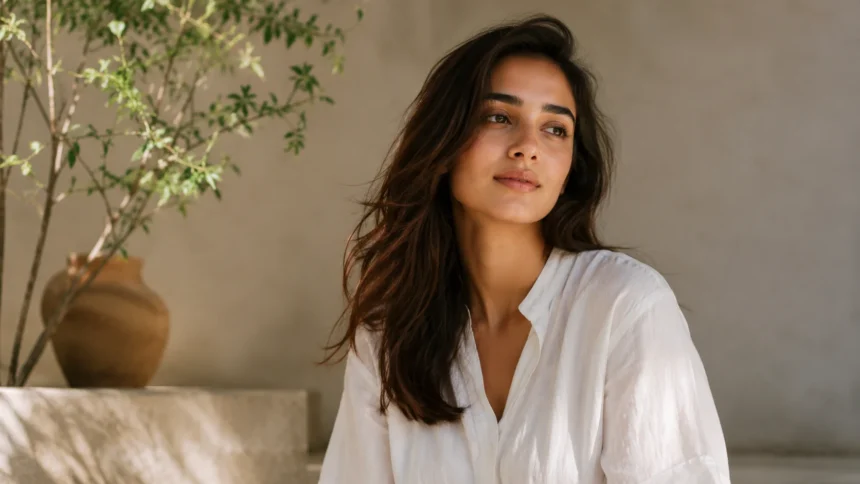
Why Beauty Needs No Ornaments Facts About Beauty Needs To Know
We live in a world filled with beauty products, designer clothing, jewelry, filters, cosmetic trends, and carefully edited images. There is nothing inherently wrong with enjoying these things, but they can sometimes make us forget a simple truth: genuine beauty does not begin with what we add to ourselves. It begins with what already exists.
The idea behind why beauty needs no ornaments is not that jewelry, makeup, fashion, or decoration should disappear. Instead, it reminds us that external additions cannot create genuine beauty where confidence, character, warmth, and individuality are missing. Ornamentation can highlight beauty, but it does not have to become its foundation.
Think about a wildflower growing beside a road, sunlight breaking through clouds, or the quiet expression on someone’s face when they genuinely smile. None of these things require elaborate decoration to attract attention. Their appeal comes naturally, demonstrating how simplicity can sometimes communicate beauty more powerfully than excessive embellishment.
In modern life, this message may be more relevant than ever. Social media constantly presents polished versions of people, homes, lifestyles, and appearances. Remembering that beauty can exist without ornaments helps us appreciate authenticity, natural appearance, simplicity, self-confidence, and the imperfections that make people and things distinctive.
What Does “Beauty Needs No Ornaments” Mean?
The phrase beauty needs no ornaments means that true beauty can stand on its own without depending on decoration. Something genuinely beautiful does not require jewelry, expensive clothing, makeup, or elaborate additions to prove its attractiveness because its appeal comes from its natural qualities.
An ornament is traditionally something added for decoration rather than necessity. Jewelry, decorative objects, elaborate accessories, and embellishments can all function as ornaments. The saying suggests that although these additions may enhance appearance, they should not be mistaken for the actual source of beauty.
The idea can also extend far beyond physical appearance. A person’s kindness, confidence, intelligence, sincerity, humor, and compassion can make them attractive in ways that expensive accessories cannot reproduce. This is why natural beauty often refers to more than facial features or physical appearance alone.
At its heart, the saying encourages us to distinguish between enhancement and value. Something can be decorated beautifully without decoration being responsible for its worth. When beauty already exists, ornaments can become optional expressions of style rather than requirements for feeling attractive or accepted.
Why True Beauty Comes From Authenticity
Authenticity means allowing yourself to exist without constantly performing for other people’s approval. A person who feels comfortable with their identity often carries a natural confidence that attracts attention without requiring excessive effort. Their expressions, conversations, and behavior feel genuine because they are not constantly trying to appear perfect.
This authenticity can make someone memorable even when their appearance is simple. People naturally respond to sincerity because it creates trust and emotional connection. A genuine smile, thoughtful conversation, or compassionate gesture can leave a deeper impression than an expensive outfit that looks impressive for only a moment.
Modern beauty culture sometimes encourages people to compare themselves with highly polished images. When people continually adjust their appearance to match external standards, individuality can become hidden underneath trends. Authentic beauty moves in the opposite direction by allowing personal features and characteristics to remain visible.
Choosing authenticity does not mean rejecting fashion or grooming. You can enjoy makeup, jewelry, hairstyles, and clothing while still being yourself. The difference appears when these things become methods of self-expression rather than requirements you believe you must satisfy before considering yourself beautiful.
Natural Beauty Is Powerful Because It Feels Real
Natural beauty often feels powerful because it appears effortless and believable. Skin texture, individual facial features, natural hair, expressions, posture, and personal mannerisms create combinations that cannot be perfectly duplicated. These differences give people visual character rather than preventing them from meeting some imaginary definition of perfection.
Perfect symmetry or flawless skin is not necessarily what makes a face memorable. Sometimes a distinctive smile, unusual eyes, freckles, facial lines, or another individual characteristic creates much more personality. Features that someone once considered imperfections can eventually become the qualities other people find most recognizable or attractive.
Natural appearance can also reduce the pressure to maintain an impossible standard every day. When people believe they must constantly look flawless, appearance becomes exhausting rather than enjoyable. Accepting natural beauty provides room for ordinary days when people look tired, relaxed, unstyled, or simply different from carefully prepared photographs.
The goal should not be to create another strict beauty rule claiming that natural is always superior to styled. Instead, natural beauty reminds us that attractiveness already exists before enhancement begins. Makeup and accessories should remain choices rather than evidence that someone was somehow incomplete without them.
Simplicity Can Make Beauty More Noticeable
Simplicity removes distractions and allows essential qualities to receive more attention. A simple outfit can emphasize a person’s face, movement, or confidence, just as minimalist interior design can draw attention to beautiful light, materials, proportions, and architectural details instead of overwhelming a room with decoration.
This principle appears throughout nature. A single flower can be more visually striking than an overcrowded arrangement because the eye has space to appreciate its shape and color. A calm ocean horizon can feel beautiful even though the scene contains very few visual elements.
The same idea applies to personal style. Wearing fewer accessories can sometimes make one carefully chosen piece more meaningful. Minimal makeup may allow natural features to remain prominent, while clean clothing silhouettes can make posture and personality more noticeable than complicated styling.
Simplicity should not be confused with dullness. A simple appearance can still be expressive, elegant, bold, or sophisticated. What makes simplicity effective is intentionality—the decision to remove unnecessary elements so that the qualities that genuinely matter become easier to see.
Beauty Is More Than Physical Appearance
Physical appearance is usually the first thing people associate with beauty, but attraction is far more complicated. The way someone communicates, treats other people, carries themselves, listens, laughs, and reacts to difficult situations can dramatically influence how beautiful they appear over time.
You may have experienced this yourself. Someone might initially seem physically attractive but become less appealing after displaying arrogance or cruelty. Another person may become increasingly attractive as you discover their warmth, humor, intelligence, patience, or generosity.
This demonstrates why ornaments have limited power. Jewelry can decorate a person’s body, but it cannot create kindness. Designer clothing can influence first impressions, but it cannot replace emotional intelligence, reliability, compassion, or integrity when relationships become deeper.
True beauty therefore develops across several dimensions. Appearance may play a role, but character gives beauty depth and longevity. When people invest exclusively in how they look while neglecting who they are becoming, they may focus on the most visible but least permanent part of attractiveness.
Inner Beauty Needs No Decoration
Inner beauty describes qualities such as empathy, honesty, kindness, courage, humility, and emotional generosity. These characteristics influence how people feel around you, which often matters more in meaningful relationships than whether your clothing, hairstyle, or accessories perfectly follow current trends.
A compassionate person can make others feel valued simply through attention and understanding. Someone with confidence can create energy in a room without wearing anything extraordinary. A thoughtful individual can become unforgettable because their words and actions continue affecting people long after an interaction ends.
Unlike fashion trends, inner qualities rarely become outdated. Styles change constantly, and objects that once symbolized attractiveness may eventually disappear from popularity. Character develops differently because patience, trustworthiness, warmth, and sincerity remain valuable across cultures, relationships, and generations.
This is another reason beauty needs no ornaments. The strongest forms of beauty cannot be purchased or worn. They develop through experience, self-awareness, choices, relationships, and how we respond to other people when there is nothing personally beneficial to gain.
Confidence Can Be More Attractive Than Ornamentation
Confidence changes how people present themselves. Someone who feels comfortable in their appearance tends to move, speak, and interact differently from someone who constantly worries about being judged. That ease can make even simple clothing and minimal styling appear intentional and attractive.
True confidence does not mean believing you are more beautiful than everyone else. It means understanding that your worth does not disappear whenever another person looks different, dresses better, or receives more attention. Healthy confidence makes comparison less necessary because identity is no longer entirely dependent on outside approval.
Ornaments sometimes become emotional shields when people believe they cannot be attractive without them. Makeup, jewelry, clothing, or cosmetic treatments may then stop feeling enjoyable and begin feeling compulsory. The problem is not the ornament itself but the insecurity giving it excessive power.
When confidence comes first, decoration becomes fun again. You can wear an elaborate outfit one day and something extremely simple the next without feeling that your value has changed. That freedom reflects one of the deepest meanings behind the idea that beauty requires no ornamentation.
Why Modern Beauty Standards Make This Message Important
Modern beauty standards travel faster than ever. Social platforms allow trends involving makeup, hairstyles, body shapes, fashion, skincare, and cosmetic treatments to spread globally within days. People can therefore encounter hundreds of appearance-related messages before they have even finished scrolling through their morning feeds.
Repeated exposure can make unusual levels of perfection appear normal. Carefully selected lighting, professional makeup, filters, editing, cosmetic procedures, and flattering camera angles can all influence the images people compare themselves against. The finished photograph rarely shows every step involved in producing that appearance.
This environment can make natural features feel inadequate even when nothing is wrong with them. Someone may begin criticizing normal skin texture, facial proportions, body shape, hair, or signs of aging simply because online images have established unrealistic expectations of what everyday appearance should resemble.
Remembering that beauty needs no ornaments creates a healthier perspective. It allows people to enjoy beauty culture without surrendering their self-worth to it. Trends become optional sources of inspiration rather than rules deciding whether someone deserves to feel attractive.
Social Media Changed How We Compare Beauty
Historically, people mostly compared themselves with individuals around them or celebrities appearing in magazines and television. Social media expanded the comparison group enormously. Someone can now compare their appearance with influencers, models, celebrities, creators, and strangers from across the world every day.
The challenge is that people often compare their ordinary moments with someone else’s carefully selected highlights. You may look at yourself under everyday bathroom lighting while comparing your appearance with a photograph chosen from dozens of attempts and edited before publication.
Filters have added another layer. Digital tools can smooth skin, reshape facial features, alter lighting, brighten eyes, and create effects that might not exist naturally. When filtered appearances become familiar enough, people can gradually begin viewing normal human features as defects.
Natural beauty provides an alternative standard grounded in reality. Instead of asking whether your appearance matches an online ideal, you can focus on health, individuality, confidence, expression, and personal style. This shift transforms beauty from endless competition into something more personal and sustainable.
Why Imperfections Often Make People More Beautiful
Human faces and bodies are not manufactured objects, so perfect uniformity should never be expected. Slight asymmetry, freckles, birthmarks, scars, wrinkles, textured skin, gray hair, and unique proportions are natural features of being human. They often communicate individuality and personal history.
Many qualities considered imperfections at one stage of life eventually become appreciated. A person who disliked their freckles as a teenager may later see them as distinctive. Someone who worried about smile lines may eventually recognize that those lines developed through years of expression and laughter.
Imperfections can also make beauty feel approachable. When everything is polished beyond recognition, personality can disappear. Natural variation provides visual interest and reminds us that a real person exists behind the appearance rather than an idealized image designed to satisfy every possible beauty standard.
Accepting imperfections does not require pretending you love every detail about yourself every day. It simply means refusing to believe that perfection is a prerequisite for beauty. Genuine self-acceptance leaves room for preferences without turning every preference into evidence of inadequacy.
Nature Shows Us That Beauty Requires No Ornament
Nature offers some of the clearest examples of beauty existing without deliberate decoration. Mountains, rivers, forests, deserts, clouds, flowers, oceans, and night skies attract people precisely because their beauty develops naturally rather than being arranged according to fashion or commercial trends.
A rose does not compare itself with another flower before blooming. A sunset does not require additional colors because another sunset looked more dramatic yesterday. Nature demonstrates endless variation while reminding us that difference and beauty can exist comfortably together.
Even elements that appear imperfect contribute to natural beauty. A twisted tree, weathered rock, uneven coastline, or leaf marked by insects can still appear visually compelling. Their irregularities reveal processes, history, adaptation, and time rather than reducing their value.
People can learn something important from this. Beauty does not always emerge from correction. Sometimes it becomes visible when we stop trying to force everything into identical shapes and begin appreciating the qualities already present.
Ornaments Should Enhance Beauty, Not Define It
Saying beauty needs no ornaments does not mean ornaments have no value. Jewelry can carry cultural meaning, clothing can communicate identity, makeup can encourage creativity, and accessories can transform an ordinary outfit into something expressive and memorable.
The important distinction is between enhancement and dependence. An ornament should add enjoyment to something already valuable rather than convince its owner that beauty only appears after decoration has been applied. Your natural self remains present whether you are fully styled or completely relaxed.
This approach can actually make fashion more enjoyable. Instead of following every trend because you fear becoming unattractive, you can choose colors, jewelry, makeup, and clothing because they reflect your personality. Personal style becomes creative expression instead of constant correction.
The healthiest relationship with ornamentation therefore contains freedom. You should feel free to wear something elaborate because you enjoy it and equally free to wear nothing decorative without feeling diminished. Beauty remains yours in both situations.
Minimalism and the Appeal of Understated Beauty
Minimalism has become influential in fashion, interior design, architecture, branding, and lifestyle because many people are attracted to visual clarity. Instead of filling every available space, minimal design intentionally leaves room for individual elements to breathe and receive attention.
Understated beauty operates similarly. A restrained color palette, simple clothing, natural materials, clean lines, or minimal accessories can create elegance precisely because nothing fights aggressively for attention. The result often feels calm, intentional, and timeless.
This explains why simple fashion can remain attractive long after particular trends disappear. Highly decorative styles sometimes become strongly associated with specific periods, while carefully designed basic pieces can continue looking relevant because their appeal depends on proportion and quality rather than novelty.
Minimalism is not the only path to beauty, but it demonstrates the larger principle effectively. Adding more does not automatically make something better. Sometimes removing unnecessary decoration reveals the qualities that were beautiful from the beginning.
Beauty Without Ornaments Can Support Self-Acceptance
Self-acceptance means recognizing yourself realistically while refusing to make personal worth dependent on perfection. It allows you to acknowledge features you might want to change without treating those features as reasons to dislike your entire appearance or identity.
Understanding natural beauty can support this process because it changes the question. Instead of constantly asking what you need to add, hide, reshape, or correct, you can begin asking what already works and what characteristics make your appearance uniquely yours.
This perspective reduces the endless chase for completion. There will always be another product, trend, treatment, accessory, or aesthetic promising improvement. If beauty is always located in the next purchase or transformation, satisfaction remains permanently one step away.
Self-acceptance interrupts that cycle. You can still improve your appearance, experiment with style, exercise, care for your skin, or enjoy fashion while understanding that these activities are additions to your life rather than conditions that determine whether you deserve confidence.
Simple Beauty Can Be More Timeless
Trends are designed to change. Hairstyles that dominate one decade can look outdated in another, while fashionable colors and accessories continually rotate. Following trends can be enjoyable, but building your entire sense of beauty around them creates an identity that requires constant updating.
Simple beauty tends to age differently because it depends less heavily on temporary fashion. Healthy-looking skin, personal grooming, confident posture, genuine expression, well-fitting clothing, and thoughtful simplicity can remain appealing regardless of which aesthetic happens to dominate online platforms.
Timeless beauty also accepts aging rather than treating it entirely as a problem to defeat. Faces naturally change because people live, smile, worry, laugh, work, and experience time. These changes can add character instead of simply taking attractiveness away.
The idea that beauty needs no ornament therefore offers a longer-lasting foundation for self-image. Trends can come and go on top of it, but personal value remains stable underneath. That stability makes beauty less exhausting and more enjoyable throughout different stages of life.
How to Appreciate Your Natural Beauty
Start by reducing automatic comparison. Notice when scrolling through photographs makes you immediately criticize your appearance. Instead of accepting those thoughts as facts, remind yourself that you are comparing different people, circumstances, lighting conditions, genetics, ages, resources, and carefully selected images.
Pay attention to features you genuinely like rather than focusing exclusively on perceived flaws. Perhaps you appreciate your smile, eyes, hair, hands, skin tone, height, or expressions. Recognizing positive qualities gradually creates a more balanced picture of your appearance.
Develop personal style around what feels authentic. Choose clothes, hairstyles, accessories, and grooming habits because they make you comfortable and expressive rather than because you are attempting to reproduce someone else’s entire appearance. Inspiration works best when individuality remains visible.
Finally, invest in qualities that no mirror can completely measure. Confidence, kindness, curiosity, health, communication, humor, and emotional maturity all affect how people experience your presence. These characteristics create forms of attractiveness that remain meaningful far beyond a first glance.
Does Makeup Contradict the Idea of Natural Beauty?
Makeup does not automatically contradict natural beauty. Cosmetics can function like clothing or jewelry: a creative way to express mood, culture, personality, artistry, or personal preference. The meaning depends largely on the relationship someone has with the product.
Problems arise when makeup becomes a requirement for basic self-acceptance. If someone feels unable to leave home or speak to others without hiding every perceived imperfection, appearance enhancement may have become connected to anxiety rather than enjoyment.
A healthier relationship allows flexibility. You might enjoy dramatic makeup for an event, wear something minimal at work, and use nothing at home without believing you have become three different levels of worthy or attractive.
The principle is simple: makeup can decorate beauty, but it does not manufacture human value. The person underneath remains the same individual with the same personality, relationships, abilities, memories, and worth after every cosmetic product has been removed.
Does Jewelry Make Someone More Beautiful?
Jewelry can certainly influence appearance. A necklace may highlight a neckline, earrings may draw attention toward the face, and a meaningful ring can complete an outfit. Cultural and family jewelry can also carry emotional significance extending far beyond decoration.
However, jewelry works best when it complements the person rather than becoming responsible for their entire sense of attractiveness. A beautiful necklace cannot create confidence, warmth, or character, although it can help someone express those qualities through style.
This is why expensive jewelry does not automatically make one person more beautiful than someone wearing none. Price and beauty are different concepts. Something financially valuable can still feel visually uninteresting, while a simple appearance can be remarkably memorable.
Beauty needs no ornaments because ornaments remain additions. They can tell stories, communicate culture, and provide pleasure, but the person wearing them existed before the decoration and continues to possess value after it is removed.
Why Character Makes Beauty Last Longer
Physical appearance naturally changes throughout life. Hair color changes, skin develops lines, body shape can shift, and fashion preferences evolve. Building identity entirely around youthful appearance therefore creates a standard nobody can preserve forever.
Character develops on a different timeline. People can become more patient, confident, generous, interesting, wise, and emotionally intelligent through experience. These qualities can actually deepen with age rather than automatically declining.
Relationships reveal this form of beauty clearly. After years of knowing someone, you rarely experience them as simply a collection of facial features. Memories, kindness, shared experiences, humor, reliability, and affection become intertwined with how you see their physical appearance.
Lasting beauty therefore involves more than preserving a certain look. It involves becoming someone whose presence has value. Ornaments may attract an initial glance, but character often determines whether people continue appreciating someone after the first impression has passed.
Why Beauty Needs No Ornaments in Everyday Life
The message becomes most useful when translated into ordinary decisions. You do not need to dress elaborately for every situation, purchase every trending beauty product, or hide every natural feature before allowing yourself to appear in photographs or meet people.
You can choose simplicity without assuming that simplicity means neglect. Caring for yourself and accepting yourself are compatible. Good hygiene, comfortable clothing, healthy routines, grooming, and personal style can support confidence without becoming attempts to manufacture an entirely different person.
It also helps to compliment people more broadly. Instead of focusing exclusively on someone’s appearance, notice their energy, kindness, creativity, intelligence, confidence, or thoughtfulness. Broadening how we describe beauty can reduce the pressure placed on appearance alone.
Most importantly, remember that ornamentation is supposed to serve you. You are not supposed to spend your life proving that you deserve the things you wear. Whether dressed simply or elaborately, genuine beauty begins with the person rather than the decoration.
Final Thoughts: Real Beauty Already Has Value
The idea behind why beauty needs no ornaments is ultimately about recognizing value before decoration. True beauty does not wait for jewelry, makeup, fashion, filters, or approval before it begins. Those things may enhance appearance, but they cannot create the deeper qualities that make beauty meaningful.
Natural beauty includes individuality, expression, confidence, imperfections, personality, and character. It allows someone to look like themselves rather than constantly attempting to resemble whichever aesthetic happens to be popular at the moment.
This does not require rejecting beauty products or decorative traditions. Enjoy them freely when they make life more expressive, creative, enjoyable, or culturally meaningful. The goal is simply to remember that they are additions rather than proof of your worth.
Beauty becomes more liberating when it stops being something we constantly chase. Sometimes the most powerful realization is that there was never as much missing as we imagined. Real beauty can be decorated, celebrated, and expressed—but it does not need ornaments in order to exist.
Frequently Asked Questions
What does “beauty needs no ornaments” mean?
It means genuine beauty does not depend on jewelry, makeup, expensive clothing, or decoration. External elements can enhance appearance, but they are not the true source of beauty.
Why is natural beauty considered attractive?
Natural beauty feels authentic because it preserves individuality, expressions, and unique features. Confidence and comfort with one’s natural appearance can also make someone more appealing.
Does beauty needing no ornaments mean jewelry is unnecessary?
No. Jewelry can be beautiful, meaningful, and expressive. The saying simply suggests that jewelry should complement beauty rather than determine whether a person is beautiful.
Can makeup enhance natural beauty?
Yes. Makeup can highlight features and provide creative self-expression. It becomes healthiest when it is something a person chooses to enjoy rather than something they believe they must wear to have value.
Why is inner beauty more important than physical beauty?
Physical appearance can influence first impressions, but qualities such as kindness, confidence, honesty, empathy, and character shape deeper relationships and often determine how people are remembered.