
Best Time to Visit Croatia for Beaches, Weather & Deals
Croatia can feel like several destinations in one country, which is why choosing the right travel dates matters so much. Along the Adriatic coast, summer means turquoise water, busy islands, long sunny evenings, and a lively holiday atmosphere. Inland areas have more pronounced seasonal changes, while destinations such as Split, Dubrovnik, Hvar, Korčula, and Istria follow a distinctly Mediterranean rhythm. For many travelers, the best time to visit Croatia is not necessarily the hottest part of summer. Late spring and early autumn can offer an excellent balance of sunshine, comfortable sightseeing temperatures, swimmable water, and manageable visitor numbers. Your ideal month ultimately depends on whether beaches, sightseeing, nightlife, outdoor adventures, or saving money matters most.
Timing becomes particularly important if your itinerary combines beaches with historic towns and national parks. July and August deliver classic Mediterranean summer conditions, but they are also the busiest months along much of Croatia’s coastline. June provides long days and increasingly warm sea temperatures without quite the same peak-season intensity. September is another standout because the Adriatic retains much of its summer warmth while crowds gradually become lighter. Travelers focused primarily on lower prices may prefer May, October, or even the cooler months outside the traditional beach season. Understanding these seasonal differences makes it much easier to plan a Croatian vacation that matches your expectations rather than simply following the busiest travel calendar.
When Is the Best Time to Visit Croatia?
For the widest range of travelers, June and September are arguably the best months to visit Croatia. Both sit close to peak summer while avoiding some of the intensity associated with July and August. June offers long daylight hours, increasingly warm water, active coastal towns, and excellent conditions for sightseeing and island hopping. September brings another advantage because the Adriatic Sea has spent the entire summer warming, making swimming particularly enjoyable. Hotels and popular attractions can still be busy during these months, especially in famous destinations, but the experience generally feels more relaxed than high season. These shoulder-season periods work especially well for couples, independent travelers, active vacationers, and visitors combining beaches with cultural attractions.
Travelers whose number-one priority is guaranteed summer atmosphere may still prefer July or August. Restaurants, beach clubs, excursion operators, ferries, and seasonal businesses generally operate at their busiest during this period. Croatian islands such as Hvar, Brač, Vis, and Korčula feel particularly energetic, with long evenings and plenty of opportunities for sailing and swimming. The trade-off is that accommodation demand rises significantly, popular beaches become more crowded, and historic centers can feel packed during the busiest hours. Summer heat can also make walking around stone-built old towns uncomfortable in the middle of the afternoon. Nevertheless, anyone wanting Croatia at its liveliest will find peak summer difficult to beat.
May is a particularly attractive option for travelers interested in sightseeing, hiking, road trips, and quieter coastal experiences. Temperatures are usually pleasant enough for exploring historic streets without the exhausting heat that sometimes arrives later in summer. Landscapes tend to look green and vibrant, while national parks can be especially appealing for walking and photography. Swimming conditions are more unpredictable because the sea remains cooler after winter and early spring. Some travelers happily swim during warm May afternoons, while others may find the water too refreshing for extended beach sessions. For visitors who see swimming as a bonus rather than the main purpose of the trip, however, May can provide excellent overall value.
October is another interesting shoulder-season choice, particularly during the first part of the month. The weather can remain beautifully mild on the Dalmatian coast, and the sea may still feel comfortable after absorbing months of summer sunshine. However, conditions become less dependable as autumn progresses, with shorter days and an increasing chance of rain or wind. Some island restaurants, beach facilities, and seasonal tour services also begin reducing their schedules. That makes October more suitable for flexible travelers than visitors expecting a guaranteed beach holiday. If your priorities are peaceful old towns, scenic drives, local food, and fewer tourists, early October can nevertheless be one of Croatia’s most rewarding periods.
There is therefore no single perfect month that applies to every Croatian vacation. Beach lovers generally benefit most from late June through September, while travelers seeking sightseeing-friendly weather should consider May, June, September, and early October. Budget-conscious visitors can often find better value outside July and August, particularly when their dates remain flexible. Families tied to school holidays may still choose peak summer but can reduce crowds by staying outside the most famous destinations. Outdoor enthusiasts will often appreciate spring and autumn because hiking and national-park exploration become considerably more comfortable. Matching your travel dates to your priorities is ultimately more useful than simply choosing whichever month receives the highest average temperatures.
Croatia Weather Through the Seasons
Spring gradually transforms Croatia from a quiet winter destination into a lively Mediterranean escape. March can still feel cool and changeable, particularly inland and during evenings along the coast. April usually brings increasing sunshine and comfortable conditions for city walks, national parks, and countryside exploration. By May, warm afternoons become increasingly common in coastal areas, creating excellent conditions for outdoor dining and sightseeing. Rain remains possible, so travelers should still pack a light waterproof layer rather than expecting uninterrupted sunshine. Spring works especially well for people who enjoy active itineraries because temperatures are generally easier to handle than the hotter conditions experienced during midsummer.
Summer is Croatia’s warmest, sunniest, and most popular travel season, especially along the Adriatic. June starts pleasantly warm and becomes increasingly summery as the month progresses, with beach conditions improving steadily. July and August typically bring hot afternoons, bright sunshine, warm evenings, and excellent sea temperatures for swimming. Coastal breezes can provide relief, although exposed historic centers may still become extremely warm around midday. Summer rainfall is generally less persistent than during cooler seasons, but brief thunderstorms can occasionally interrupt otherwise sunny weather. Anyone traveling during this period should plan strenuous sightseeing early in the morning or later in the afternoon and reserve midday for swimming, lunch, or relaxation.
Autumn begins gently along Croatia’s coastline because the Adriatic releases heat accumulated during the summer. September often feels like an extension of summer, particularly during its first half, making it one of the best months for combining swimming with sightseeing. By October, temperatures become more variable, although warm and sunny stretches can still occur throughout coastal regions. Rain becomes more likely as the season progresses, and evenings begin to feel noticeably cooler. Inland destinations generally transition into autumn faster than islands and southern coastal areas. Travelers choosing this season should therefore bring layers and design itineraries with enough flexibility to move outdoor activities around changing weather conditions.
Winter reveals a very different side of Croatia and can be attractive for travelers interested in cities rather than beaches. Zagreb remains active throughout the season, while historic coastal centers become significantly quieter after the summer crowds disappear. Temperatures along the Adriatic are generally milder than those experienced farther inland, but wind and rain can make conditions feel colder. Swimming is unrealistic for most visitors, and numerous seasonal island businesses reduce their hours or close temporarily. On the positive side, popular landmarks can be explored without summer congestion, and accommodation may cost significantly less. Winter therefore suits slow travel, cultural trips, food-focused breaks, and travelers who value atmosphere over classic Mediterranean beach weather.
Croatia’s geography also means that weather can vary considerably between destinations on the same day. Zagreb and inland regions experience a more continental climate than cities along the Adriatic coastline. Mountain areas can remain noticeably cooler, which is helpful for hiking but requires additional layers during shoulder seasons. Istria in northern Croatia may experience somewhat different conditions from southern Dalmatia around Dubrovnik. Islands can also feel breezier than sheltered mainland destinations, especially when stronger regional winds develop. Instead of packing solely according to national averages, travelers should consider each location on their itinerary and prepare for small but meaningful regional differences.
Best Time to Visit Croatia for Beaches and Swimming
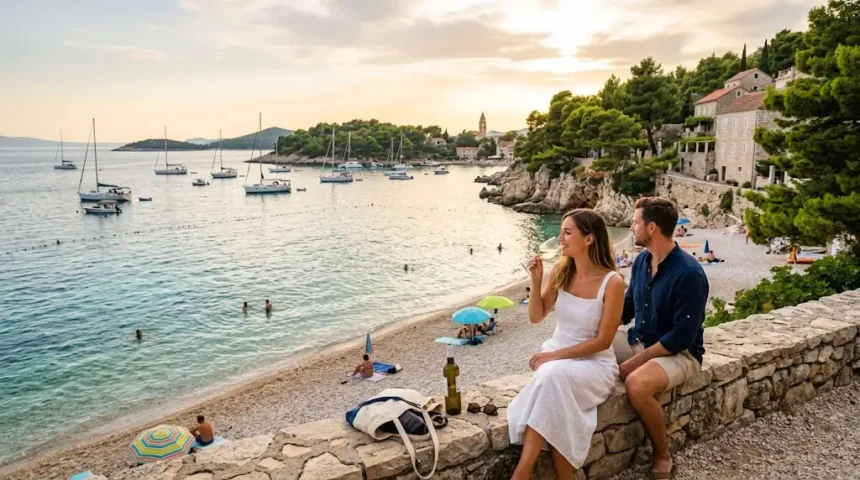
If beaches are the central purpose of your vacation, the strongest travel window usually runs from late June through September. During this period, the Adriatic offers comfortable swimming conditions across popular coastal destinations and islands. July and August provide the most dependable combination of hot sunshine, warm water, and long beach days. They are excellent months for snorkeling, paddleboarding, kayaking, sailing, and spending entire afternoons beside the sea. However, the best-known beaches around major resorts and islands can become extremely busy during peak vacation weeks. Visitors who value space as much as warm water should seriously consider traveling shortly before or after the absolute height of summer.
June is one of the best choices for beach travelers who want strong weather without maximum summer crowds. Early June can occasionally bring cooler swimming conditions, but the sea becomes increasingly pleasant as the month progresses. Days are long, giving travelers plenty of time to combine beaches with old-town sightseeing and evening dining. Ferry networks and coastal excursions are active, making island hopping relatively straightforward. Accommodation demand is already growing, yet booking pressure generally remains more manageable than during late July and August. Late June is particularly appealing because it delivers much of the peak-season experience while still sitting just outside the busiest portion of the summer calendar.
July delivers Croatia’s classic postcard beach experience with hot temperatures and consistently inviting water. The weather encourages swimming from morning until evening, and coastal towns remain lively long after sunset. This is an excellent time for boat excursions between secluded bays, small islands, and picturesque fishing communities. Families also appreciate the reliability of summer conditions when children want to spend most of the vacation outdoors. The challenge is competition for prime accommodation, restaurant reservations, parking, ferry space, and popular stretches of coastline. Travelers choosing July should book important parts of the trip well ahead and explore famous beaches early in the day whenever possible.
August offers similarly excellent swimming conditions and frequently some of the warmest seawater of the year. The entire coastline feels energetic, especially around major islands, resort towns, and nightlife destinations. Beach-oriented travelers will have little difficulty filling their days with swimming, boating, coastal dining, and sunset experiences. However, August is firmly within Croatia’s peak travel season, meaning crowded roads and busy ferry terminals can affect the pace of an itinerary. Popular accommodation can also command premium rates, particularly when reserved close to arrival. August works best for travelers who prioritize warm water and lively summer energy above affordability, quiet surroundings, and spontaneous travel arrangements.
September may provide the best overall beach experience for adults who are not restricted by school-holiday schedules. The sea remains warm after months of summer heating, while daytime conditions are commonly suitable for swimming and sunbathing. As the month progresses, many destinations become noticeably less intense than they were during August. Restaurants and excursion businesses remain active in major coastal areas, so travelers can still enjoy a complete holiday experience. Occasional unsettled weather becomes more possible later in September, although long periods of attractive conditions are common. For couples, solo travelers, and flexible vacationers, September offers an especially appealing mixture of warm swimming, sightseeing comfort, and reduced crowd pressure.
Best Time for Affordable Deals and Fewer Crowds
Traveling outside July and August is one of the simplest ways to make a Croatian vacation more affordable. Peak summer creates intense demand for beachfront hotels, apartments, island properties, rental cars, and popular excursions. In contrast, May, June, September, and October can provide greater flexibility across several travel categories. Savings vary significantly according to destination, accommodation type, booking date, and local events, so there is no universal discount percentage. Dubrovnik, Split, Hvar, and other famous destinations can remain expensive even during shoulder season. Still, travelers willing to avoid the peak summer calendar usually have a better chance of finding appealing rooms without paying the year’s highest rates.
May offers one of the strongest combinations of reasonable pricing and low crowd levels before summer demand accelerates. Travelers can explore Dubrovnik’s historic streets, Split’s waterfront, or Istrian towns without facing the same visitor density commonly experienced in midsummer. Restaurants are easier to enter without long waits, while attractions often feel more relaxed and enjoyable. Road trips are also simpler because major coastal routes and parking areas experience less pressure. The main compromise is beach weather, since swimming conditions may not satisfy visitors dreaming of long days in warm water. For culture-focused travelers who want sunny outdoor experiences at a slower pace, that compromise can be worthwhile.
June is generally more expensive than May but can still represent strong value compared with the heart of summer. The weather feels increasingly dependable, seasonal activities are widely available, and island destinations are fully awakening for summer. Traveling during the first half of June can be particularly useful for people balancing beach ambitions with budget considerations. Crowds grow as the month advances, especially around famous destinations and weekends. Reserving accommodation several months ahead can still help secure better choices in desirable coastal neighborhoods. June therefore functions as a practical middle ground between cheaper spring travel and the full prices, heat, and congestion associated with peak season.
September provides another valuable opportunity because demand often starts easing once Europe’s main school-holiday period ends. Accommodation prices do not immediately collapse everywhere, especially in popular destinations where warm weather continues attracting visitors. Nevertheless, travelers frequently benefit from greater room availability and less competition than during August. The warm sea gives September a major advantage over May for anyone wanting a genuine beach vacation. Sightseeing conditions also become more comfortable as extreme midday heat becomes less persistent. Travelers who can postpone their summer holiday until September may therefore enjoy many of Croatia’s best seasonal qualities without accepting every drawback associated with the busiest months.
October can deliver some of the year’s most attractive coastal accommodation deals, but flexibility becomes increasingly important. Travelers should expect a quieter atmosphere, shorter daylight hours, and a greater possibility of rainy or windy periods. Smaller islands and seasonal resort areas may feel noticeably subdued compared with their summer character. However, larger destinations such as Split, Dubrovnik, Zadar, and towns throughout Istria still provide plenty of cultural interest. Food-focused road trips can be especially enjoyable when beaches are no longer the dominant attraction. Budget travelers who prioritize local atmosphere, historic architecture, restaurants, and scenery rather than guaranteed swimming should consider October carefully.
Croatia Month by Month: What to Expect
January and February represent Croatia’s quietest tourism period and are best approached as cultural rather than coastal months. Zagreb offers museums, cafés, restaurants, and urban attractions without the summer emphasis on beaches and islands. Coastal cities remain interesting, but the atmosphere is calm and some businesses operate reduced winter schedules. Cold winds can occasionally affect the Adriatic, while inland areas experience more traditional winter conditions. Travelers visiting during these months should focus on historic neighborhoods, local cuisine, wellness stays, and uncrowded city breaks. They may find attractive accommodation prices, but anyone expecting lively islands or Mediterranean swimming should select a warmer season instead.
March and April bring the first strong signs of spring, creating increasingly pleasant conditions for active travelers. Temperatures gradually rise, vegetation becomes greener, and outdoor sightseeing becomes much more enjoyable. National parks are appealing during this period because hiking conditions can be comfortable before the summer heat arrives. Coastal towns also begin feeling more animated as businesses prepare for the approaching tourism season. The weather can still shift quickly between sunshine, rain, and cooler evenings, making layered clothing essential. These months are best for visitors who prefer walking, photography, road trips, history, and nature rather than spending most of their holiday at the beach.
May and June mark one of Croatia’s most attractive transitions, moving from spring sightseeing toward full Mediterranean summer. May gives travelers comfortable temperatures, attractive landscapes, and relatively relaxed historic destinations. June adds warmer water, longer beach days, busier islands, and a more energetic holiday atmosphere. Travelers arriving later in June can enjoy conditions similar to peak summer while occasionally benefiting from slightly lower demand. These months are particularly suitable for itineraries combining Dubrovnik, Split, national parks, and several islands. Anyone wanting beaches without committing fully to July or August prices should place late May and June near the top of the planning calendar.
July and August represent Croatia at maximum summer intensity, with the warmest beach conditions and greatest tourism demand. Island ferries carry large numbers of vacationers, waterfront restaurants stay busy, and famous old towns attract visitors throughout the day. Swimming, sailing, nightlife, festivals, and beach activities are available in abundance across the coastline. Travelers need to balance that excitement against heat, higher accommodation costs, crowded attractions, and greater transportation pressure. Early-morning sightseeing can significantly improve the experience in destinations such as Dubrovnik and Split. Those who enjoy energetic Mediterranean vacations will find plenty to love, while travelers seeking serenity may prefer a nearby shoulder month instead.
September through December gradually shifts Croatia from late-summer warmth into a much quieter winter rhythm. September remains excellent for swimming and island travel, particularly during the first several weeks. October favors sightseeing, gastronomy, scenic drives, and less crowded coastal exploration, although weather reliability decreases. November becomes substantially quieter and wetter in many coastal regions, making city-focused itineraries more practical than beach trips. December brings winter events and seasonal atmosphere, especially in urban areas, while islands remain peaceful and many tourist-oriented businesses are closed. This part of the year suits travelers who want to experience everyday Croatian life beyond the traditional summer resort season.
Best Time to Visit Croatia by Destination
Dubrovnik requires particularly careful timing because its compact historic center can feel dramatically different depending on the season. July and August provide beautiful summer weather, but they also bring high visitor numbers and considerable daytime heat. June and September are often better for travelers who want to walk the city walls, explore narrow streets, and still enjoy nearby beaches. May is excellent for sightseeing-focused itineraries because temperatures tend to be more comfortable for extended walking. Early October can also be rewarding if travelers accept a greater possibility of changing weather. Anyone visiting during peak summer should prioritize early mornings, later afternoons, and slower midday schedules.
Split combines an active city atmosphere with easy connections to islands, making its optimal season relatively broad. June through September works exceptionally well for travelers who want beaches, historic sightseeing, sailing, and island-hopping trips. July and August are lively but can produce heavy crowds along central areas and transportation routes. September is particularly attractive because warm sea conditions support swimming while sightseeing usually becomes more comfortable. May works well for visitors focused on Diocletian’s Palace, nearby historic towns, hiking, and regional road trips. Because Split remains a functioning city year-round, it is also easier to visit outside summer than smaller seasonal island resorts.
Hvar is most closely associated with summer, but choosing the shoulder season can completely change the character of a visit. July and August deliver famous nightlife, active harbors, beach clubs, sailing excursions, and warm Mediterranean evenings. They also create stronger demand for accommodation and considerably busier streets around Hvar Town. June provides a lively atmosphere without always reaching the same intensity, making it attractive for first-time visitors. September keeps the sea warm while gradually producing a calmer experience across the island. Travelers interested in landscapes, villages, cycling, and local culture rather than nightlife may find May or early October especially appealing.
Istria works beautifully during a wider range of months because beaches are only one part of its appeal. Coastal towns such as Rovinj and Poreč attract summer vacationers, while inland hill towns offer food, wine, history, and countryside scenery. June and September are excellent months for combining coastal swimming with driving through rural areas. July and August remain attractive for beach holidays but bring stronger visitor demand around popular resorts. Spring works particularly well for walking, cycling, culinary experiences, and exploring small towns without intense heat. Autumn gives the region another distinct personality, making Istria a compelling option for travelers visiting Croatia outside the conventional summer season.
Croatia’s national parks generally reward visitors who avoid the hottest and busiest summer weeks. Plitvice Lakes can be especially pleasant during spring when vegetation and flowing water create dramatic scenery. Early autumn also provides comfortable walking conditions and gradually changing landscapes. Krka and other coastal-area parks can be combined easily with summer itineraries, although midday temperatures may become uncomfortable during July and August. Visitors planning substantial hiking should consider May, June, September, and October rather than choosing travel dates solely for beach weather. A balanced itinerary might pair several coastal days with national-park exploration during shoulder season, allowing travelers to experience Croatia’s natural diversity comfortably.
How to Choose the Right Time for Your Croatia Trip
Start by identifying the experience you would be disappointed to miss, because that priority should determine your dates. Travelers dreaming about daily swimming, sailing, and long afternoons beside the Adriatic should concentrate on late June through September. Visitors mainly interested in historic towns and national parks have much more seasonal flexibility. Nightlife travelers may deliberately choose July or August because coastal resorts and islands are at their liveliest. Couples seeking romantic dinners and quieter streets may prefer June or September instead. Once the main purpose of your trip is clear, choosing between peak season and shoulder season becomes far easier.
Next, consider how comfortable you are with hot weather and crowded destinations. Summer temperatures can make sightseeing demanding, particularly in stone-built old towns with limited shade. If you dislike heat, visiting during May, June, September, or October can substantially improve long walking days. Travelers who enjoy high temperatures may consider that same summer heat an essential part of the Mediterranean experience. Crowd tolerance matters just as much because busy ferry terminals, restaurants, attractions, and beaches can influence the entire pace of a trip. Choosing shoulder season allows many visitors to experience Croatia more spontaneously without constantly organizing every day around peak demand.
Budget should also play an important role when deciding when to travel. Accommodation frequently becomes one of the largest expenses in coastal Croatia, especially during high summer in famous destinations. Flexible travelers can compare several weeks rather than committing immediately to traditional July or August vacation dates. Moving a trip into June or September may provide a more comfortable balance between good weather and manageable costs. Traveling farther into spring or autumn can produce additional savings, although beach conditions become less reliable. Spending less on accommodation can leave more room for boat excursions, local restaurants, national-park visits, and other experiences that may ultimately matter more.
Your itinerary style should influence timing as well, particularly if you plan to visit several islands. Summer provides the broadest choice of tourist-oriented transport and excursions, making complicated island-hopping routes easier to organize. During the shoulder season, major routes remain useful, but some seasonal connections and activities may run less frequently. Travelers visiting smaller islands should therefore check transportation schedules carefully before finalizing spring or late-autumn plans. Road-trip travelers have greater flexibility because mainland destinations and major cities remain accessible throughout the year. A slower itinerary with fewer bases can also reduce the logistical disadvantages associated with traveling just outside the peak tourism period.
For many first-time visitors, a trip between early June and late September provides the safest balance of Croatia’s signature experiences. Within that window, June and September stand out for combining beach opportunities with generally more comfortable exploration. July and August remain ideal when reliable summer heat, nightlife, and warm swimming conditions matter more than crowds or cost. May offers excellent value for active sightseeing, while October appeals to travelers comfortable trading dependable beach weather for quieter destinations. Winter can be rewarding, but it presents Croatia as a cultural and urban destination rather than the classic Adriatic escape. Choosing according to your priorities ensures the season enhances your vacation instead of limiting it.
Final Thoughts on the Best Time to Visit Croatia
The best time to visit Croatia for most travelers is June or September because these months balance warm weather, beach possibilities, active tourism services, and more manageable crowds. Neither month guarantees perfect conditions every day, but both generally provide excellent opportunities for sightseeing and coastal relaxation. June benefits from exceptionally long days and the excitement of an approaching summer season. September benefits from sea temperatures that have been warmed throughout July and August. Both months also make active itineraries more comfortable than the hottest part of summer. For a first Croatian vacation that includes cities, islands, beaches, and nature, they are strong all-around choices.
July and August remain unbeatable for travelers seeking the fullest possible Croatian summer atmosphere. These months provide long sunny days, warm Adriatic swimming, bustling resorts, busy marinas, and vibrant evenings. They are especially appropriate for families traveling during school holidays and visitors who prioritize water activities. The main disadvantages are higher demand, larger crowds, and the possibility of intense afternoon heat. Careful planning can reduce these challenges considerably, particularly when accommodation and transport are booked early. Starting sightseeing before peak daytime hours and spending afternoons near the water can also transform a potentially exhausting summer itinerary into an enjoyable one.
May deserves greater attention from visitors who value scenery, culture, and comfortable exploration over guaranteed swimming. Croatia becomes increasingly green and welcoming during late spring, while famous historic destinations remain relatively manageable. Hiking trails, national parks, coastal roads, and outdoor restaurants all become more appealing as temperatures rise. The Adriatic may still feel cool, particularly earlier in the month, so dedicated beach travelers should consider traveling later. However, sightseeing-focused visitors often benefit from the exact conditions beach lovers consider imperfect. May therefore provides an excellent opportunity to see Croatia before its summer identity becomes dominant.
September is perhaps the strongest option for travelers who want summer without experiencing summer at maximum intensity. Warm seawater means beach days remain realistic, yet the changing calendar gradually removes some of the busiest vacation traffic. Couples and independent travelers can find this period particularly enjoyable because coastal evenings remain pleasant and island travel continues. Rain becomes somewhat more possible as autumn approaches, so flexibility is useful, especially later in the month. Even so, the combination of swimming, sightseeing, dining, and sailing can be exceptional. If your schedule allows you to travel after the main summer holidays, September deserves serious consideration.
Ultimately, Croatia rewards travelers throughout the year, but each season reveals a different version of the country. Summer emphasizes beaches, islands, nightlife, and the brilliant blue Adriatic, while spring and autumn highlight historic cities, landscapes, hiking, and local culture. Winter strips away much of the resort atmosphere and offers a quieter look at Croatian urban life. Choosing the right month therefore depends less on finding universally perfect weather and more on defining your own ideal vacation. For beaches and reliable warmth, aim for summer or early September; for better value and comfortable exploration, target the shoulder seasons. With thoughtful timing, Croatia can deliver an outstanding trip without forcing you to compromise on the experiences that matter most.
Frequently Asked Questions
What is the best month to visit Croatia?
June and September are often the best overall months because they combine warm conditions, beach opportunities, active coastal destinations, and fewer peak-season pressures than July and August. September is especially appealing to swimmers because the Adriatic retains warmth accumulated throughout the summer.
What is the best time to visit Croatia for beaches?
Late June through September is the strongest period for a Croatian beach vacation. July and August provide the most reliable hot weather, while June and September can offer a better combination of swimming conditions and manageable crowds.
What is the cheapest time to visit Croatia?
Late autumn, winter, and early spring generally provide the lowest tourism demand, although they are unsuitable for traditional beach vacations. Travelers wanting pleasant weather and reasonable value should consider May, early June, late September, or October.
Is September a good time to visit Croatia?
September is one of the best times to visit Croatia because the Adriatic remains warm enough for swimming while peak summer crowds gradually decline. It also offers comfortable conditions for sightseeing, sailing, island hopping, and outdoor dining.
Should I visit Croatia in July or August?
Both months are excellent for hot weather, swimming, nightlife, and a lively coastal atmosphere, but they are also among the busiest periods. Choose them if summer conditions are your priority, but consider June or September if you prefer fewer crowds and greater flexibility.