

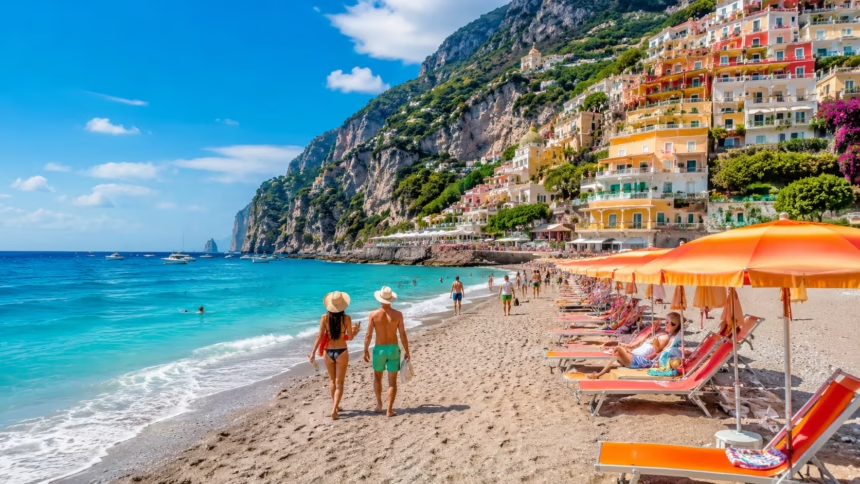
Where to Travel in Summer: Best Destinations for Every Type of Trip
Summer creates exciting possibilities for beach holidays, mountain adventures, wildlife safaris and memorable city breaks. However, choosing the right destination is no longer as simple as selecting the sunniest place. Extreme heat, crowded attractions, rising accommodation prices and changing weather patterns can significantly affect the quality of a trip.
The answer to where to travel in summer depends on what you want from your holiday. Iceland and Scotland suit travellers looking for cooler temperatures, while Indonesia offers beaches during its drier season. The Canadian Rockies, Switzerland and Slovenia are excellent for hiking, whereas South Africa delivers rewarding seasonal wildlife experiences.
Your home country also influences the meaning of summer. June through August is summer across much of the Northern Hemisphere but winter in countries such as South Africa and New Zealand. This seasonal difference can create opportunities to enjoy safaris, snow sports or comfortable sightseeing while other destinations experience their busiest and hottest months.
This guide explores the best summer destinations for different interests, budgets and travel styles. It also explains when to visit, how to avoid crowds and what to consider before booking. The goal is not to identify one universally perfect place but to help you choose a destination that suits your expectations.
Where to Travel in Summer: The Quick Answer
For cool-weather scenery, consider Iceland, Norway, Scotland, Hokkaido or the Canadian Rockies. These destinations offer long daylight hours, dramatic landscapes and rewarding outdoor activities without the consistently intense heat experienced in some southern regions. Summer is also when many mountain roads, trails and seasonal attractions become more accessible.
Travellers wanting a European combination of nature, culture and manageable distances can consider Slovenia, the Azores or northern Spain. These destinations provide lakes, coastlines, historic towns and outdoor recreation. They can feel more relaxed than heavily visited capitals and famous Mediterranean resorts, although popular locations still require early reservations.
For sunny beaches, Indonesia, the Greek islands, Albania and parts of Portugal remain appealing. However, midday heat can be demanding, especially in July and August. Early June and September often provide a better balance of warm water, open businesses, lower prices and fewer visitors in many coastal destinations.
Wildlife enthusiasts can travel to South Africa, Kenya or Tanzania, while hikers can consider Peru, Switzerland and western Canada. Families may prefer well-connected destinations such as Denmark, Austria or Japan. The best choice ultimately depends on climate tolerance, available time, budget and the activities that matter most to you.
Iceland for Cool Weather and Endless Daylight
Iceland is one of the strongest answers for travellers wondering where to go in summer without facing extreme heat. From approximately mid-May to mid-July, the country experiences exceptionally long daylight, with twilight remaining through much of the night. This creates additional time for road trips, hikes and scenic stops.
Summer makes many parts of Iceland easier to explore than during winter. Travellers can visit waterfalls, black-sand beaches, geothermal areas, volcanic landscapes and remote coastal villages. Roads into some higher or more isolated regions may also open as seasonal snow conditions improve, although access can still change with the weather.
A popular first trip may include Reykjavík, the Golden Circle, the South Coast and the Snæfellsnes Peninsula. Travellers with more time can drive the Ring Road, while experienced visitors may explore the Westfjords or Highlands. Even in summer, strong winds, rain and rapid temperature changes remain possible.
Iceland is not usually a low-cost destination, and demand can make accommodation and rental vehicles expensive. Booking early is important, particularly for July and August. Travellers can control costs by using guesthouses, preparing some meals and planning a focused route rather than attempting to cover the entire country quickly.
Norway for Fjords, Mountains and Scenic Roads
Norway is ideal for travellers who want cooler summer weather combined with some of Europe’s most dramatic landscapes. The country’s fjords, waterfalls, mountain roads and coastal communities become especially accessible during the warmer months. Long days allow visitors to fit scenic drives, hikes and ferry journeys into the same itinerary.
Popular experiences include exploring Geirangerfjord, Sognefjord, Bergen and the Lofoten Islands. Travellers may also ride the Flåm Railway, follow national scenic routes or hike to famous viewpoints. Some routes are physically demanding, so fitness, equipment and weather conditions should be considered before setting out.
The northern regions offer especially long daylight during early summer. Lofoten, Tromsø and areas above the Arctic Circle provide opportunities for hiking, kayaking, wildlife watching and photography late into the evening. Coastal weather can remain cool and changeable, making waterproof layers more useful than heavy summer clothing.
Norway can be expensive, particularly when dining out or travelling between multiple regions. A carefully planned rail, ferry or self-drive itinerary can reduce wasted time and unnecessary transport costs. Cabins, apartments and supermarket meals may also make longer trips more manageable for budget-conscious visitors.
Scotland for Islands, Castles and Coastal Walks
Scotland offers long summer days, green landscapes, historic cities and hundreds of islands. It suits travellers who enjoy scenic road trips without requiring consistently hot weather. Edinburgh and Glasgow provide museums, food and cultural events, while the Highlands offer mountains, lochs, castles and quiet rural communities.
The Isle of Skye remains one of the most famous destinations, but it can become congested during peak summer. Alternatives include Arran, Mull, Islay, Jura, Orkney and the Outer Hebrides. Each offers a different combination of beaches, wildlife, archaeological sites, walking routes and local culture.
Summer is also suitable for routes such as the West Highland Way, sections of the John Muir Way and coastal walks throughout the country. Conditions are not guaranteed to be dry, so waterproof clothing and suitable footwear remain essential. Midges can also be troublesome in sheltered rural areas.
August brings major festivals to Edinburgh, creating an exciting atmosphere but also increasing accommodation prices. Travellers seeking quieter conditions may prefer June or early July. Booking ferries and island accommodation early is sensible, particularly when travelling with a car or following a fixed schedule.
The Canadian Rockies for Lakes and Hiking
The Canadian Rockies provide turquoise lakes, glacier-shaped valleys, mountain towns and extensive hiking opportunities. Banff, Jasper, Yoho and Kootenay national parks form the heart of many itineraries. The main hiking period generally becomes more reliable from mid-June, although snow may remain on higher trails.
Lake Louise, Moraine Lake and the Icefields Parkway are major attractions, but their popularity requires careful planning. Some locations use shuttle systems, timed parking arrangements or seasonal road restrictions. Travellers should confirm current access rules before building a tightly scheduled itinerary around one landmark.
Hiking options range from accessible lakeside walks to demanding alpine routes. Visitors who do not hike can still enjoy gondolas, wildlife tours, scenic drives, canoeing and viewpoints close to the road. Layered clothing is necessary because warm daytime sunshine can be followed by cool evenings or sudden mountain storms.
Wildfire smoke can occasionally affect western Canada during summer, while wildlife requires responsible behaviour throughout the parks. Travellers should follow fire restrictions, maintain safe distances from animals and store food correctly. Flexible plans make it easier to adapt if weather, smoke or trail closures affect the original route.
Hokkaido for a Cooler Japanese Summer
Hokkaido offers a refreshing alternative to the hot and humid summer conditions experienced in many other parts of Japan. The northern island is known for open landscapes, national parks, flower fields, fresh food and comfortable road trips. It suits travellers who want Japanese culture combined with outdoor scenery.
Furano and Biei attract visitors with colourful farms and lavender fields, particularly during July. Sapporo provides food markets, museums and convenient transport, while Otaru offers canals and historic warehouses. Eastern Hokkaido adds wetlands, volcanic lakes, wildlife areas and a quieter atmosphere.
Summer is also an excellent time for hiking in destinations such as Daisetsuzan National Park. Trails vary in difficulty, and weather in higher areas can change quickly. Travellers should prepare for cool conditions, insects and limited public transport when exploring less populated parts of the island.
A rental car provides the most flexibility outside major cities, but distances are larger than they may appear on a map. Visitors relying on trains and buses should organise routes carefully. Accommodation near popular flower areas can fill quickly during peak blooming periods, making advance booking important.
Slovenia for Lakes, Mountains and the Coast
Slovenia is a compact destination that combines Alpine scenery, rivers, caves, historic towns and a short Adriatic coastline. Travellers can explore Ljubljana, visit a mountain lake and reach the coast within the same holiday. This variety makes the country suitable for couples, families and active travellers.
Lake Bled is the most recognisable attraction, but nearby Lake Bohinj often provides a more nature-focused experience. Triglav National Park offers hiking, waterfalls and mountain scenery, while the Soča Valley is known for its striking river, outdoor sports and picturesque roads.
Ljubljana provides an easy cultural base with a walkable centre, riverside cafés and access to day trips. Farther south, Postojna and Škocjan showcase Slovenia’s underground landscapes. Piran adds Venetian-style architecture and Adriatic views, creating a pleasant contrast with the mountains.
July and August can still be busy around Lake Bled and the coast, so early starts and advance reservations are helpful. June or September may offer a more comfortable experience. Travellers should also remember that mountain weather can differ significantly from conditions in Ljubljana or Piran.
The Azores for Volcanic Landscapes and Ocean Adventures
The Azores are a Portuguese archipelago in the Atlantic Ocean known for crater lakes, green hills, geothermal activity and marine wildlife. The islands appeal to travellers who want outdoor activities and dramatic scenery without choosing a conventional beach resort. Summer generally provides favourable conditions for exploring.
São Miguel is the easiest island for many first-time visitors. It offers the Sete Cidades lakes, Furnas hot springs, coastal viewpoints and Ponta Delgada. Pico attracts hikers and wine enthusiasts, while Faial, Terceira, São Jorge and Flores provide distinctive landscapes and quieter island experiences.
Whale and dolphin watching is a major attraction across the archipelago. Visitors can also hike, canyon, kayak, dive or relax in geothermal pools. Weather can change rapidly, however, and mist may temporarily hide famous viewpoints even during the warmer months.
Travelling between several islands requires additional flights or ferries, so an ambitious itinerary can become tiring. Choosing one or two islands often creates a better experience for a one-week trip. Rental cars and accommodation should be booked early for July and August.
Switzerland for Alpine Trains and Mountain Villages
Switzerland is a classic summer destination for mountain scenery, efficient public transport and well-maintained walking routes. Snow-covered peaks remain visible above green valleys, while lakes and mountain villages become lively during the warmer months. It suits travellers who value convenience and dramatic scenery.
Popular bases include Interlaken, Lucerne, Zermatt, Grindelwald and the Lauterbrunnen Valley. Scenic trains connect many regions, allowing visitors to experience the landscape without driving. Cable cars and mountain railways also make higher viewpoints accessible to travellers with different fitness levels.
Summer hiking ranges from easy panoramic trails to demanding routes requiring proper experience. Afternoon storms can occur, so starting early is often sensible. Travellers should verify whether lifts and paths are operating, particularly in early June when some high-elevation facilities may still be closed.
The country is expensive, but transport passes, supermarket meals and accommodation outside the most famous resorts can control costs. Travellers should compare individual train tickets with regional or nationwide passes. A slower itinerary using two bases may offer better value than changing hotels every night.
The Dolomites for Dramatic Mountain Scenery
The Dolomites in northern Italy offer distinctive limestone peaks, green meadows, scenic drives and extensive hiking. Summer opens many mountain huts, cable cars and trails that are unavailable during winter. The region works well for hikers, photographers, cyclists and travellers who enjoy active days.
Cortina d’Ampezzo, Val Gardena, Alta Badia and the area around Alpe di Siusi are popular bases. Each provides access to different landscapes and walking routes. Travellers can combine challenging hikes with easier cable-car viewpoints, village visits and relaxed meals in mountain refuges.
July and August bring the largest crowds, especially at famous locations such as Tre Cime di Lavaredo and Lago di Braies. Parking restrictions and traffic can affect spontaneous visits. Beginning early, using local buses and staying several nights in one valley can reduce logistical pressure.
Although the mountains are cooler than major Italian cities, strong sunshine and storms remain possible. Travellers should carry water, sun protection, warm layers and rain gear. June and September may offer fewer visitors, but snow, facility schedules and weather conditions need checking.
Northern Spain for Food, Coast and Milder Weather
Northern Spain can provide a more comfortable alternative to the hottest parts of the country. Galicia, Asturias, Cantabria and the Basque Country combine green landscapes, Atlantic beaches, historic towns and excellent regional food. The weather is generally less predictable but often milder than inland and southern areas.
San Sebastián and Bilbao are strong choices for food, architecture and urban culture. Farther west, Asturias offers mountain scenery and coastal villages, while Galicia provides Santiago de Compostela, rugged headlands and seafood. The Picos de Europa add hiking and dramatic limestone landscapes.
This region suits travellers who want to combine road trips with city stays. Rain remains possible during summer, which helps explain the green scenery. Packing a light waterproof jacket is sensible even when the forecast appears favourable.
Popular coastal towns can become busy with domestic visitors in August. June, early July and September may provide greater flexibility. Travellers following the Camino de Santiago should prepare for heat, sun exposure and crowded accommodation on the most frequently travelled routes.
Indonesia for Beaches During the Drier Season
Indonesia offers tropical islands, beaches, temples, volcanoes and a wide range of accommodation. June through August generally falls within the drier period in many popular destinations, making it a practical time for outdoor activities. Conditions still vary across the country, and occasional rain remains possible.
Bali attracts visitors with beaches, cultural sites, rice terraces, wellness retreats and a large tourism infrastructure. Lombok provides hiking and quieter coastal areas, while the Gili Islands are popular for diving and snorkelling. Java offers temples, volcanoes and densely populated cities with a different travel experience.
Peak-season demand can make Bali’s busiest districts congested and expensive. Travellers seeking calmer surroundings can consider Sidemen, Munduk, Amed or less developed areas outside the major southern resorts. Responsible choices are important because water, waste and traffic pressures affect local communities.
Indonesia is vast, so attempting too many islands wastes time in airports and ports. Choose destinations according to your main interests and allow room for transport delays. Visitors should also check volcanic activity, sea conditions and local health requirements before departure.
South Africa for a Summer Safari Alternative
June through August is winter in South Africa, but this period offers excellent safari conditions in several northern wildlife regions. Drier vegetation makes animals easier to see, while wildlife often gathers near water sources. Days may feel pleasant, although early morning game drives can be very cold.
Kruger National Park and surrounding private reserves are popular choices for first-time safari travellers. Other options include Madikwe, Pilanesberg and reserves in KwaZulu-Natal. The experience differs according to budget, accommodation style, location and whether drives are self-guided or led by professionals.
South Africa also offers cities, mountains, wine regions and coastlines. Cape Town can experience wet and windy winter weather, but museums, restaurants and indoor attractions remain available. Durban and parts of KwaZulu-Natal can provide warmer coastal conditions during the same period.
A trip can combine safari with Johannesburg, the Panorama Route or the coast, but distances should not be underestimated. Travellers should research malaria recommendations for their chosen area, follow wildlife rules and use reputable transport and accommodation providers.
Kenya and Tanzania for Iconic Wildlife
East Africa is a compelling summer choice for travellers focused on wildlife. Dry-season conditions across many safari regions can improve animal viewing, while the movement of wildebeest and other grazing animals creates one of the world’s most recognised natural spectacles.
The Serengeti in Tanzania and Maasai Mara in Kenya are central to many itineraries. However, river crossings cannot be guaranteed on a particular day because wildlife movements depend on rainfall and grazing conditions. A rewarding safari should focus on the wider ecosystem rather than one dramatic event.
Safari costs vary according to parks, accommodation, group size and transportation. Private lodges provide convenience and personalised service, while organised group trips can reduce costs. Travellers should select operators with responsible wildlife practices, transparent fees and experienced guides.
Popular locations become busy between July and September. Booking early is necessary for well-known camps and migration areas. Visitors should also discuss vaccinations, malaria prevention and travel insurance with appropriate professionals before leaving home.
Peru for Dry-Season Hiking and History
Peru’s Andean dry season overlaps with the Northern Hemisphere summer, making June through August popular for hiking and cultural travel. Cusco, the Sacred Valley and Machu Picchu attract the largest number of visitors, while other regions provide archaeology, mountains, food and local traditions.
The Inca Trail requires permits and advance planning, but alternative treks include Salkantay, Lares and routes in the Cordillera Blanca. Not every traveller needs to complete a multi-day hike. Trains and organised transport make Machu Picchu accessible through less physically demanding itineraries.
Altitude is a major consideration. Travellers should allow time to adjust before strenuous activity and should not assume fitness prevents altitude-related illness. Gradual itineraries, hydration, rest and appropriate medical advice are more important than attempting to see everything immediately.
Days can be sunny while nights become very cold, particularly at elevation. Layered clothing is essential. Summer is also peak season, so train tickets, entrance reservations and quality guides should be organised well ahead of the intended travel dates.
Albania and Montenegro for an Affordable Coast
Albania and Montenegro can offer attractive coastlines, mountain landscapes and historic towns at prices that may be lower than established Western European resorts. They appeal to travellers wanting beaches, road trips and regional culture without limiting the holiday to one heavily commercialised destination.
In Albania, travellers may combine Tirana with Berat, Gjirokastër, the Albanian Riviera and the northern Alps. Montenegro offers Kotor Bay, Budva, Durmitor National Park and Lake Skadar. Combining both countries is possible, although border crossings and driving times require realistic planning.
July and August can be hot and busy along the coast. Beach towns that were once described as hidden destinations now attract substantial seasonal demand. June and September may provide warmer seas and active tourism services with fewer visitors than the peak holiday period.
Road conditions, parking and public transport vary significantly by area. Travellers renting cars should understand insurance and border requirements. Booking accommodation with verified parking can reduce stress in historic centres and tightly developed coastal towns.
Denmark for an Easy Family Summer Holiday
Denmark works well for families seeking manageable cities, beaches, cycling and child-friendly attractions. Copenhagen offers parks, museums, canals and efficient transport, while other regions provide coastal towns, castles and quieter countryside. Summer days are long without consistently extreme temperatures.
Families can combine Copenhagen with destinations such as North Zealand, Funen, Aarhus or the Jutland coast. Legoland is a major attraction for children, while public beaches and outdoor playgrounds provide lower-cost activities. Cycling infrastructure can make short urban journeys enjoyable and practical.
The country is not inexpensive, but many outdoor spaces and family facilities are free or reasonably priced. Apartment accommodation can reduce food costs and provide additional space. Advance booking is useful during school holidays, especially near major family attractions.
Weather can change quickly, so indoor alternatives should be included in the itinerary. A flexible mix of museums, parks and day trips works better than a programme dependent entirely on sunshine. Denmark is particularly suitable for travellers who prefer organisation and easy public transport.
New Zealand for Snow and Southern Winter Scenery
Travellers who want snow during June, July or August can consider New Zealand’s South Island. Queenstown and Wānaka provide access to ski areas, mountain scenery, restaurants and adventure activities. The season offers a completely different experience from a Northern Hemisphere beach holiday.
Ski conditions vary through the winter, with July and August generally attracting strong demand. Visitors can also explore lakes, scenic drives, wineries and winter walking routes. Not every activity operates in poor weather, so flexible scheduling remains important.
Road conditions can become icy or snowy, particularly on mountain passes. Travellers unfamiliar with winter driving may prefer organised transfers or vehicles prepared for seasonal conditions. Travel insurance should cover the intended sports and possible disruptions.
New Zealand requires significant travel time for visitors from many regions, making short trips less efficient. A longer itinerary can combine Queenstown, Wānaka and other parts of the South Island. Advance reservations are advisable around school holidays and major winter events.
Best Summer Destinations for Beach Lovers
Beach travellers should choose according to water temperature, humidity, rainfall and crowd tolerance rather than assuming every sunny coast feels the same. Indonesia provides tropical conditions, while Portugal, Albania, Greece and northern Spain offer different versions of a European coastal holiday.
For a quieter atmosphere, consider smaller islands or coastal communities with limited nightlife. The Azores, Menorca, parts of Croatia and Portugal’s Alentejo coast can suit travellers interested in scenery and local culture. However, quieter destinations may offer fewer transport connections and entertainment options.
Travellers seeking warm water and a lively atmosphere may prefer Bali, the Greek islands or well-developed Mediterranean resorts. These areas provide extensive accommodation and dining choices but can become crowded. Choosing a base outside the main party district often improves sleep and creates a more balanced trip.
Sun protection, hydration and swimming safety should remain priorities. Visitors should respect warning flags, currents and local restrictions. A beautiful beach is not automatically safe for swimming, and conditions can change significantly with wind, tides or weather.
Best Summer Destinations for Cool Weather
The strongest cool-weather choices include Iceland, Norway, Scotland, the Faroe Islands, Hokkaido, Alaska and parts of the Canadian Rockies. These destinations allow travellers to spend more time outside without planning every activity around extreme midday heat.
Cool does not always mean dry or predictable. Rain, wind and sudden temperature changes are common in northern and mountain regions. Travellers should pack waterproof outer layers, comfortable footwear and clothing that can be added or removed throughout the day.
Accommodation in cool summer destinations can still be expensive because the travel season is short. Icelandic road trips, Norwegian fjords and Canadian national parks experience strong demand. Booking early provides better choices, but flexible cancellation terms remain valuable.
Long daylight is another advantage, particularly in northern locations. Travellers can visit popular viewpoints early in the morning or late in the evening when tour groups are less active. A sleep mask may be helpful where summer nights remain bright.
Best Affordable Places to Visit in Summer
Affordable summer travel depends on the cost of reaching a destination as well as daily expenses. A low-cost hotel does not create a cheap trip when flights are expensive or local transport is limited. Compare the complete budget before selecting a destination based on accommodation prices alone.
Albania, Bosnia and Herzegovina, parts of Poland, inland Portugal and selected regions of Türkiye may offer good value. Outside Europe, Vietnam, parts of Indonesia and some South African cities can also suit moderate budgets, depending on flight costs and seasonal weather.
Travelling in June or September often reduces accommodation prices compared with late July and August. Staying outside the most famous centre and using public transport may further lower costs. Apartments can be useful for families, while solo travellers may find reputable hostels economical.
Avoid building a budget around unrealistically cheap promotional prices. Include baggage, airport transport, taxes, attraction fees, meals and insurance. A slightly more expensive destination with efficient transport may ultimately cost less than a cheaper location requiring repeated private transfers.
Where to Travel in June
June is one of the most flexible summer travel months. Much of Europe is operating normally, daylight is long and the largest school-holiday crowds may not yet have arrived. Iceland, Scotland, Slovenia, the Canadian Rockies and northern Spain are strong options.
High mountain trails may still contain snow during early June, particularly in the Alps and Rockies. Travellers focused on hiking should verify seasonal openings and select lower routes when necessary. Coastal and city-based itineraries generally offer more dependable access.
The Mediterranean can already be warm enough for beach holidays, while temperatures may remain more comfortable than in late July. Greece, Portugal, Croatia and Albania can therefore be appealing, although water temperatures and services vary by region.
June is also useful for travellers trying to balance weather with cost. Booking is still essential for famous attractions, but accommodation availability may be better than during peak summer. Families tied to school schedules may have less flexibility.
Where to Travel in July
July brings peak conditions for northern road trips, mountain hiking and summer events. Iceland, Norway, Scotland, Switzerland, Hokkaido and western Canada offer extensive outdoor opportunities. It is also one of the busiest and most expensive periods in many destinations.
Travellers should expect high demand around national parks, islands, festivals and famous European landmarks. Transport reservations, attraction tickets and accommodation should be organised early. Flexible travellers can reduce pressure by selecting secondary towns rather than staying only in headline destinations.
Southern Europe may experience intense heat during July. Coastal breezes can help, but inland cities may become uncomfortable in the afternoon. Scheduling museums and rest during the hottest hours creates a safer and more enjoyable itinerary.
Wildlife travel becomes attractive in southern and eastern Africa. South Africa offers dry-season safari conditions in several regions, while Kenya and Tanzania draw travellers interested in migration-season experiences. These trips normally require greater financial and health preparation than a simple city break.
Where to Travel in August
August remains a major holiday month across Europe, creating busy roads, beaches and accommodation. Travellers who dislike crowds may prefer Scotland’s islands, northern Spain, Hokkaido, the Azores or carefully selected mountain towns instead of famous Mediterranean resorts.
Edinburgh becomes particularly lively during its major festivals, making August ideal for culture but challenging for spontaneous bookings. Similar event-driven demand can affect other cities. Travellers should check local calendars before assuming a normally affordable destination will remain inexpensive.
Heat can remain severe in southern Europe, North Africa and parts of Asia. Cooler options include Norway, Iceland, Alaska and the Canadian Rockies. Mountain destinations still require sun protection because altitude and clear skies can increase ultraviolet exposure.
Late August may begin offering slightly better availability as some school holidays end, but this varies by country. Travellers should not depend on last-minute reductions in popular regions. A confirmed, well-located booking often provides better value than a cheap property requiring difficult transport.
How to Avoid Summer Crowds
Travel during early June or September when possible. These periods often preserve warm weather and seasonal services while reducing pressure at major attractions. The difference can be substantial in beach resorts, historic cities and national parks that peak during school holidays.
Stay overnight in places commonly visited only as day trips. Early mornings and evenings can reveal a quieter side of famous destinations after tour buses leave. This strategy works especially well in historic towns, island communities and scenic areas near large cities.
Choose secondary destinations with similar experiences. Lake Bohinj can complement Lake Bled, northern Spain can replace hotter southern routes and less famous Scottish islands can provide alternatives to Skye. The goal is not to find a completely undiscovered place but to distribute the itinerary more thoughtfully.
Reserve attractions with fixed capacity before arrival and avoid placing every famous landmark on the same day. Leaving open time reduces stress when transport is delayed or weather changes. A slower itinerary often produces better memories than rushing through a checklist of crowded locations.
How to Choose the Right Summer Destination
Start by identifying the experience you value most. A beach holiday, safari, hiking trip and city break require different weather and planning. Choosing a destination only because it looks attractive online can lead to disappointment when the actual climate or daily routine does not match your expectations.
Consider your tolerance for heat, humidity, crowds and long transport days. Someone comfortable at 32°C may enjoy a Mediterranean island, while another traveller may prefer Scotland at 18°C. Personal comfort should carry more weight than a generic list of the best summer destinations.
Calculate the complete trip cost, including flights, baggage, local transport, accommodation, meals, activities and insurance. Also consider entry requirements and journey time. A destination with cheaper hotels may not be practical when reaching it requires multiple costly connections.
Finally, review official entry rules, weather information, health guidance and local conditions shortly before booking and departure. Travel situations can change. Building flexibility into accommodation and transport arrangements reduces financial risk when unexpected events affect the itinerary.
Where to Travel in Summer: Final Verdict
The best answer to where to travel in summer depends on the holiday you want to experience. Iceland, Norway, Scotland and Hokkaido offer cooler conditions, while Switzerland, Slovenia and the Canadian Rockies provide rewarding mountain adventures.
For beaches, Indonesia, Albania, Portugal and selected Mediterranean islands remain appealing when heat and crowds are considered carefully. The Azores suit travellers seeking ocean scenery and outdoor activities without choosing a conventional resort environment.
Wildlife travellers can consider South Africa, Kenya or Tanzania, while Peru offers dry-season Andean experiences. Families may appreciate Denmark, Austria or well-connected areas of Japan. New Zealand provides an alternative for anyone seeking winter sports during the Northern Hemisphere summer.
Choose according to climate, budget, travel time and personal interests rather than popularity alone. Book high-demand elements early, allow room for changing conditions and avoid overloading the itinerary. The best summer destination is one that lets you enjoy the season comfortably and responsibly.
Frequently Asked Questions
Where is the best place to travel in summer?
Iceland, Norway and Scotland suit cool-weather travellers, while Indonesia works well for beaches. Switzerland, Slovenia and the Canadian Rockies are excellent choices for hiking and mountain scenery.
Where can I travel in summer to avoid extreme heat?
Consider Iceland, Norway, Scotland, Hokkaido, Alaska or the Canadian Rockies. These destinations are generally cooler, although rain, wind and sudden weather changes remain possible.
What are the best affordable summer destinations?
Albania, Bosnia and Herzegovina, parts of Poland, Vietnam and selected Indonesian islands may offer good value. Total cost still depends on flights, accommodation dates and local transport.
Is Europe too crowded during summer?
Major European cities, beaches and landmarks can become crowded in July and August. Travelling in June or September, staying in secondary towns and booking attractions early can improve the experience.
Should I book a summer holiday early?
Yes, early booking is recommended for national parks, islands, festivals, safaris and popular coastal destinations. Flexible cancellation terms can protect you when weather or personal plans change.