
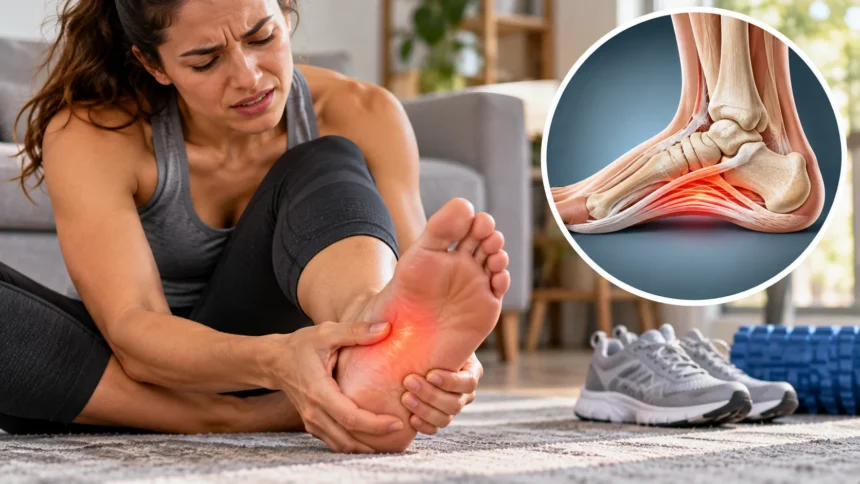
Pain in the foot arch can make simple activities such as standing, walking, exercising, or climbing stairs uncomfortable. The arch contains bones, ligaments, tendons, muscles, and connective tissue that work together to absorb impact and support body weight. When one of these structures becomes irritated or overloaded, soreness may develop along the bottom or inside of the foot.
Arch pain can appear suddenly after exercise or build gradually over several weeks. Some people feel a sharp pulling sensation with their first steps in the morning, while others notice aching after standing for long periods. The location, timing, and activities that trigger discomfort can provide useful clues about what may be causing it.
Many mild cases improve with activity changes, supportive footwear, gentle stretching, and time. However, persistent or severe pain may require professional assessment, particularly when swelling, numbness, injury, or difficulty bearing weight is present. Understanding common causes can help you choose safer and more effective ways to manage discomfort.
What Does Pain in the Foot Arch Mean?
The arch of the foot is designed to support your body while helping distribute pressure during walking and running. It also acts like a spring, storing and releasing energy as your foot moves from heel strike to push-off. Pain can develop when these tissues are strained, inflamed, fatigued, or placed under more stress than they can comfortably tolerate.
Arch pain may occur in the inner longitudinal arch, the center of the sole, or closer to the heel or ball of the foot. Some people describe burning or tightness, while others experience tenderness when pressing the area. These differences can help distinguish between soft-tissue strain, nerve irritation, joint problems, or changes in foot mechanics.
The discomfort does not always mean that something is seriously damaged. Temporary overload from a long walk, new workout, or unsupportive shoes can irritate otherwise healthy tissues. Pain that keeps returning, becomes worse, or changes the way you walk deserves closer attention because compensation can sometimes create problems elsewhere in the foot, ankle, knee, or leg.
Common Causes of Pain in the Foot Arch
Overuse is one of the most common reasons the arch becomes painful. Walking or running farther than usual, standing for long shifts, suddenly increasing exercise intensity, or spending a day on hard surfaces can fatigue the muscles and connective tissues supporting the foot. Symptoms often become more noticeable later in the day or after activity.
Foot structure can also contribute to discomfort. Flat feet may place extra strain on the plantar fascia and supporting tendons, while very high arches can concentrate pressure in smaller areas of the foot. Neither foot type automatically causes pain, but certain movements, footwear choices, and activity levels can make symptoms more likely.
Other causes may include plantar fasciitis, tendon irritation, stress injuries, arthritis, nerve compression, or trauma. Less commonly, pain may be related to swelling or conditions affecting circulation or sensation. Because several structures sit close together in the arch, persistent symptoms sometimes require an examination to identify the exact source.
Plantar Fasciitis and Arch Pain
The plantar fascia is a strong band of connective tissue that runs from the heel toward the toes and helps support the foot’s arch. When it becomes overloaded or irritated, pain can develop under the heel and extend forward into the arch. This condition is commonly called plantar fasciitis.
A classic symptom is pain during the first few steps after getting out of bed or after sitting for a long period. The discomfort may ease as the foot warms up but return after prolonged standing, walking, or exercise. Tight calf muscles, sudden training increases, and inadequate footwear can contribute to greater strain on the plantar fascia.
Recovery often involves reducing activities that aggravate symptoms while maintaining comfortable movement. Calf stretching, gentle plantar fascia stretching, supportive shoes, and gradual activity progression may help. Severe or persistent heel and arch pain should be evaluated because other conditions, including stress injuries or nerve problems, can sometimes produce similar symptoms.
Flat Feet, High Arches, and Foot Mechanics
Flat feet occur when the arch lowers significantly when standing, allowing more of the sole to contact the ground. For some people this causes no problems at all, while others experience fatigue or aching through the inner foot and ankle. Symptoms may become more noticeable during prolonged standing, walking, or running.
High arches create a different mechanical pattern. A rigid, elevated arch may absorb impact less efficiently, placing additional pressure on the heel and forefoot. People with high arches may benefit from cushioned footwear and appropriate support, especially if they spend significant time on hard surfaces or perform high-impact exercise.
Foot shape is only one part of the picture. Hip strength, ankle mobility, walking technique, training volume, body weight, and footwear all influence how load moves through the foot. A podiatrist or physical therapist can assess these factors when pain continues despite basic changes in shoes and activity.
How Footwear Can Cause or Worsen Arch Pain
Shoes that provide insufficient support or cushioning can increase stress on the arch, particularly during long periods of standing or walking. Very worn shoes may lose their ability to absorb impact even if the upper material still looks usable. Switching suddenly from supportive footwear to completely flat or minimal shoes can also irritate sensitive tissues.
Fit matters just as much as support. Shoes that are too narrow can compress the foot, while overly loose footwear may force your muscles to work harder to stabilize each step. The toe box should allow comfortable movement, and the heel should remain reasonably secure without rubbing or creating excessive pressure.
The best shoe is not necessarily the one with the thickest sole or strongest arch support. Comfort, activity type, foot shape, and individual mechanics should guide your choice. If a particular pair consistently triggers arch pain, consider changing footwear rather than assuming that your feet simply need to “get used to it.”
Overuse, Running, and Exercise-Related Arch Pain
Running, hiking, jumping, and court sports place repeated forces through the feet. Problems often arise when training volume increases faster than the tissues can adapt. Adding distance, speed, hills, or additional workout days all at once can overload the plantar fascia, tendons, and small muscles supporting the arch.
Surface changes can also matter. Moving from softer trails to concrete or spending more time barefoot on hard floors may increase symptoms for some people. Athletes may also develop pain when they continue training in worn shoes or when fatigue causes changes in running or landing technique.
Reducing activity temporarily does not necessarily mean stopping all movement. Low-impact activities such as cycling or swimming may allow you to stay active while reducing pressure through the painful foot. Return gradually once normal walking is comfortable, rather than immediately resuming the same training load that originally triggered symptoms.
How to Relieve Foot Arch Pain at Home
Start by reducing activities that clearly make the pain worse. If long walks, running, or extended standing trigger symptoms, temporarily shorten those activities and allow irritated tissues to settle. Complete inactivity is usually unnecessary for mild overuse pain, but repeatedly pushing through significant discomfort can delay recovery.
Cold therapy can provide temporary relief after activity when the arch feels sore or irritated. Some people gently roll the bottom of the foot over a chilled bottle for several minutes, combining cooling with light massage. Avoid pressing aggressively into a painful area because excessive pressure may make sensitive tissues more uncomfortable.
Supportive footwear can also reduce strain during daily activities. Avoid spending long periods barefoot on hard floors if that makes symptoms worse. Over-the-counter arch supports may help some people, but they are not essential for everyone, and persistent pain may require a more individualized assessment.
Stretches and Exercises That May Help
Calf stretching can reduce tension through the ankle and plantar fascia. Stand facing a wall, place one foot behind you, keep the heel down, and gently lean forward until you feel a stretch through the calf. Hold the position comfortably rather than bouncing, then repeat several times on each side.
You can also stretch the plantar fascia directly by sitting and gently pulling the toes back toward the shin. A mild stretch should be felt along the bottom of the foot without sharp pain. This exercise can be particularly helpful before taking your first steps in the morning if stiffness is a major part of your symptoms.
Strengthening the smaller foot muscles can support the arch over time. Simple exercises include controlled heel raises, toe spreading, and gently shortening the foot by drawing the ball of the foot toward the heel without curling the toes. Begin with small amounts of exercise and increase gradually to avoid creating additional soreness.
Sleep, Recovery, and Daily Habits
Recovery involves more than what happens during exercise. Adequate sleep, regular movement, appropriate footwear, and avoiding sudden training increases all give foot tissues time to adapt. If you repeatedly train while exhausted or continue standing for long periods without recovery, minor irritation can become more persistent.
Sleep position itself is not usually a direct cause of foot arch pain, but overall nighttime comfort can influence how rested you feel. If you also experience morning back or neck stiffness, understanding habits such as sleeping on your stomach may help you evaluate whether your sleep position is contributing to discomfort elsewhere.
Daily habits also matter outside the bedroom. Break up long periods of standing when possible, rotate footwear when appropriate, and increase walking or exercise volume gradually. Paying attention to early soreness can allow you to adjust your routine before mild fatigue develops into pain that limits normal activities.
When Should You See a Healthcare Professional?
Consider professional evaluation when foot arch pain lasts several weeks despite basic home care or repeatedly returns whenever you resume normal activity. A clinician can examine where the pain is located, test strength and movement, review footwear, and determine whether imaging or additional treatment may be appropriate.
Seek earlier assessment if pain began after a significant injury, if you cannot comfortably bear weight, or if swelling and bruising are substantial. Stress fractures and ligament injuries may initially feel similar to soft-tissue strain, particularly in people who recently increased running or high-impact exercise.
Numbness, tingling, burning, skin color changes, open wounds, or unexplained swelling also deserve attention. People with diabetes, circulation problems, or reduced foot sensation should be especially careful with new foot pain. These conditions can change how injuries present and may require earlier medical evaluation.
How to Prevent Foot Arch Pain
Increase physical activity gradually so your feet have enough time to adapt. A sudden jump from occasional exercise to daily running or long hikes creates more stress than tissues may be prepared to handle. Progressive training is particularly important when returning to exercise after a long break.
Wear footwear that matches your activity and feels comfortable during movement. Replace shoes when cushioning becomes noticeably compressed or the sole is significantly worn. You do not need to chase a specific brand or shoe type, but repeatedly wearing footwear that causes discomfort is rarely a good long-term strategy.
Include calf mobility and foot-strengthening exercises in your routine, especially if arch soreness has occurred before. Strengthening the lower legs and maintaining comfortable ankle movement can improve how forces are managed during walking and running. Consistent small habits are usually more useful than waiting until pain becomes severe before addressing foot health.
Conclusion
Pain in the foot arch can result from several factors, including overuse, plantar fascia irritation, foot structure, footwear, and sudden increases in physical activity. Symptoms may feel sharp, tight, sore, or burning depending on which tissues are involved. Understanding when and where pain appears can provide important clues.
Mild cases often improve with temporary activity changes, supportive footwear, gentle stretching, and gradual strengthening. Avoid forcing painful exercises or immediately returning to demanding workouts simply because symptoms briefly improve. Giving the foot enough time to adapt can help prevent recurring irritation.
Persistent, severe, or unusual symptoms should be evaluated professionally. Difficulty bearing weight, major swelling, numbness, injury, or pain that continues despite self-care may indicate a problem requiring more specific treatment. Addressing symptoms early can make it easier to return comfortably to walking, work, and exercise.
FAQs
Why does the arch of my foot hurt when I walk?
Arch pain during walking may result from plantar fascia irritation, tired foot muscles, unsupportive footwear, flat feet, high arches, or a sudden increase in activity. Persistent pain should be assessed.
Can plantar fasciitis cause pain in the arch?
Yes. Plantar fasciitis commonly causes heel pain, but discomfort can extend forward into the arch because the plantar fascia runs along the bottom of the foot toward the toes.
Should I massage a painful foot arch?
Gentle massage may temporarily reduce tightness and soreness. Avoid aggressive pressure if the area is sharply painful, swollen, or injured, because excessive massage can sometimes worsen irritated tissues.
Are flat shoes bad for arch pain?
Not necessarily, but completely flat or unsupportive shoes can worsen symptoms for some people. Comfort and individual foot mechanics matter more than simply choosing the flattest or most supportive option available.
How long does foot arch pain take to improve?
Recovery depends on the cause and severity. Mild overuse discomfort may settle within days or weeks, while persistent plantar fascia, tendon, or structural problems can take longer and may need professional treatment.