

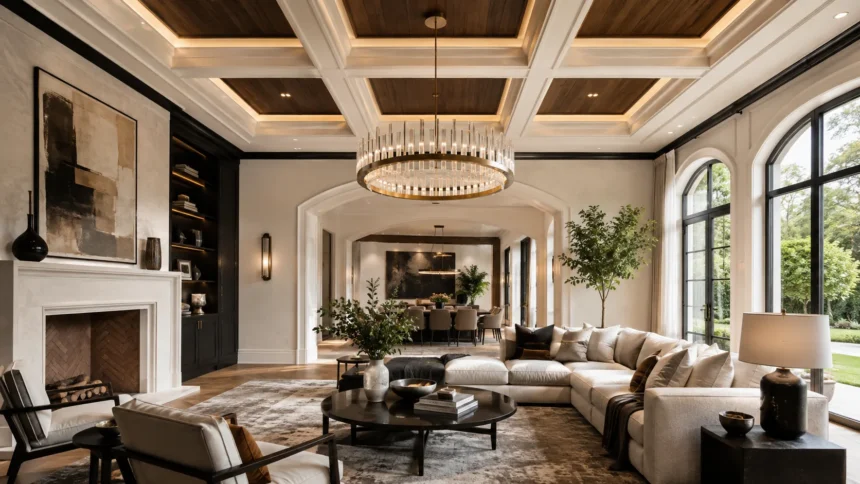
How to Decorate Your Floors for a More Finished and Inviting Home
Floors cover more visual space than almost any other surface in a home, yet they are often treated as a background rather than part of the decorating plan. Thoughtful floor decor ideas can make a room feel warmer, more balanced, and intentionally designed without requiring major renovation. Rugs, runners, plants, baskets, floor lamps, and carefully positioned furniture can all add interest at ground level. The goal is not to cover every visible section of flooring but to create visual anchors where the room needs them most. When floor styling works well, furniture feels more connected and the entire interior appears more complete.
Floor decor should always begin with the way a room is actually used. A busy hallway needs durable materials and clear walking paths, while a bedroom can support softer rugs and more relaxed decorative elements. Living rooms usually benefit from large area rugs that connect seating furniture, whereas kitchens may need washable runners that provide both comfort and visual warmth. Considering function first prevents you from choosing beautiful floor accessories that become inconvenient in everyday life. People-first decorating should improve how the room feels and functions at the same time.
Texture plays a particularly important role because floors naturally contain large areas of smooth, hard material such as wood, tile, concrete, or laminate. Introducing wool, jute, cotton, woven fibers, or soft pile can make the space feel more comfortable. Even a neutral rug can transform the atmosphere when its texture contrasts with the surrounding floor. Natural baskets, fabric poufs, and floor cushions can extend that layered feeling without overwhelming the room. These elements make home floor decor feel warmer even when the color palette remains simple.
Proportion is equally important. A rug that is too small can make furniture look disconnected, while oversized accessories may restrict movement or make a compact room feel crowded. Decorative items placed on the floor should relate to the scale of nearby furniture and architecture. A tall plant may balance a large sectional, while a small woven basket might suit a narrow bedroom corner. Thinking about scale helps every item feel purposeful rather than randomly placed in an empty area.
Your existing flooring should guide the overall direction. Warm wood floors often pair beautifully with cream, beige, green, rust, and natural textures, while light tile can support stronger pattern or darker rugs. Concrete flooring may benefit from softer textiles and warm wood accents, whereas patterned tile often needs simpler decorative layers. The best floor decorating ideas enhance what is already there instead of competing with it. With thoughtful styling, the floor can become an important part of the room’s personality rather than something that disappears beneath the furniture.
Start With the Right Area Rug to Anchor the Room
An area rug is one of the most effective ways to make a room feel finished because it visually connects individual pieces of furniture. Without a rug, sofas, chairs, and tables can sometimes appear to float independently across the floor. A properly sized rug creates a defined zone and gives the furniture a shared foundation. This is particularly helpful in open-plan homes where the rug can distinguish a living area from nearby dining or kitchen spaces. A good area rug placement can dramatically improve the composition without changing any of the major furniture.
Size should be your first consideration. In a living room, the rug should generally be large enough for at least the front legs of the sofa and chairs to sit on it. A larger rug that supports most or all of the seating can make a spacious room feel even more unified. Small rugs positioned only under the coffee table often make the seating arrangement appear fragmented. Measuring before buying is important because rugs frequently look larger in stores or product photos than they do once placed beneath full-size furniture.
Color and pattern can either quietly support the room or become a stronger focal point. Neutral rugs in cream, beige, gray, brown, or muted earth tones are easy to layer with changing furniture and accessories. Patterned rugs can introduce energy and help connect several colors already used in the room. Vintage-inspired designs are especially useful because their varied tones can disguise everyday wear while adding character. The best living room rug ideas relate to your furniture without matching every color exactly.
Texture also changes the mood. Plush wool rugs bring softness and warmth, while flatweave rugs create a cleaner and more casual appearance. Jute and sisal introduce organic texture but may feel rougher underfoot, making them better for some rooms than others. Low-pile options are practical for dining areas where chairs need to move easily. Choosing texture according to use ensures that the rug remains comfortable and practical rather than simply looking attractive when first installed.
Finally, consider maintenance before committing to a material or color. Homes with children, pets, or heavy foot traffic may benefit from washable, stain-resistant, or patterned designs that disguise minor marks. Very pale high-pile rugs can look beautiful but require greater upkeep in busy living spaces. The most successful floor decor fits naturally into real life. A rug should make the room easier to enjoy, not create constant anxiety every time someone walks across it with a drink or muddy shoes.
Use Runners to Add Style to Hallways and Narrow Spaces
Hallways are often overlooked because they contain little furniture, but that makes the floor even more visually important. A runner can add color, pattern, texture, and warmth without occupying valuable walking space. It also creates a visual line that naturally guides the eye through the home. In long corridors, this can make the architecture feel more intentional rather than transitional. Hallway runner ideas are especially effective when walls remain relatively simple and the floor needs greater personality.
Choose a runner that leaves some flooring visible along both sides. This creates a border that visually frames the textile and prevents the hallway from feeling completely covered. The amount of exposed floor depends on the width of the corridor, but balance matters more than following an exact measurement. A runner that nearly touches both walls can look cramped, while one that is much too narrow may appear insignificant. Proportion should feel natural when you view the hallway from its entrance.
Pattern can be particularly useful in high-traffic areas. Small geometric designs, vintage-inspired motifs, stripes, and subtle multicolor patterns can disguise dust and minor wear better than plain pale fabrics. If your hallway connects several rooms with different color schemes, choose a runner containing tones that relate to more than one area. This creates visual continuity without forcing every space to use identical decor. A good runner can become the element that quietly links the home together.
Safety is just as important as style. Runners should sit securely on the floor and should not curl at the edges or slide when walked on. A suitable rug pad can improve stability and provide additional cushioning. Thin doors or nearby thresholds should also be considered so the runner does not interfere with movement. Good narrow hallway decor should make the space more comfortable without introducing a tripping hazard.
Runners can also work in kitchens, bedrooms, and alongside beds. In kitchens, they soften hard flooring and can make long cabinet runs feel warmer. Beside a bed, a runner may provide softness without requiring a large rug beneath the entire furniture arrangement. These flexible proportions make runners one of the easiest floor decor options for areas where traditional rugs feel too large or impractical.
Layer Rugs for More Texture and Visual Depth
Layering rugs can give a room a more relaxed, collected appearance while introducing depth through contrasting textures. A common approach is placing a smaller patterned rug over a larger neutral natural-fiber rug. The base defines the overall furniture zone, while the top rug adds personality and color. This technique works particularly well in living rooms and bedrooms where you want a richer design without committing to one large, expensive statement rug.
The bottom layer should usually be simpler than the top. Jute, sisal, flatwoven wool, or neutral low-pile rugs provide a quiet background that allows a patterned upper rug to stand out. If both layers contain strong patterns, the floor can quickly become visually overwhelming. Keeping one textile restrained creates hierarchy. Successful layered rug ideas depend on contrast but also need enough visual calm to prevent the room from feeling busy.
Size difference matters because the lower rug should remain clearly visible around the upper one. If both pieces are nearly identical in size, the layering may appear accidental. Allowing a generous border of the base rug creates a stronger framed effect. The top rug can then sit centered under a coffee table, slightly off-center for a relaxed look, or positioned to highlight one section of the seating arrangement.
Texture can create even more interest than color. A coarse jute base under a soft wool rug provides a noticeable tactile contrast, even if both pieces are beige or cream. This is particularly effective in neutral interiors where materials provide most of the visual richness. Layering can therefore make minimalist, Scandinavian, organic-modern, and bohemian rooms feel warmer without introducing brighter colors.
Avoid layering rugs where the added thickness creates practical problems. Dining chairs may become difficult to move across uneven edges, and doorways may not have enough clearance. High-traffic hallways can also be less suitable unless both rugs are securely anchored. Layering should enhance comfort and design rather than create frustration. Use it in spaces where the rugs can remain stable and where the additional texture contributes meaningfully to the room.
Decorate Bare Floors With Plants and Oversized Planters
Large plants are one of the easiest ways to decorate a floor without adding another piece of furniture. They introduce height, movement, natural color, and softness, making them especially useful in corners or beside sofas. A tall plant can balance visually heavy furniture while taking up relatively little floor area. Fiddle leaf figs, rubber plants, palms, olive-style trees, and dracaenas are often used because they provide enough vertical presence to become part of the room’s architecture.
Plant placement should be based on light conditions first. A beautifully styled corner will quickly lose its appeal if the plant struggles because it receives insufficient daylight. Observe how sunlight moves through the room and choose a species suited to that environment. Low-light areas may require more tolerant varieties or a convincing artificial plant. Practical plant selection makes floor plant decor easier to maintain over time.
The planter can contribute as much visually as the greenery itself. Large ceramic pots feel substantial and sophisticated, while woven baskets add warmth and relaxed texture. Matte black planters can suit modern interiors, and stone-look containers work well with organic styling. Choose a planter large enough to balance the plant without making it appear top-heavy. Repeating a material already used elsewhere can help the plant feel integrated with the broader room.
You can also group two or three plants at different heights. Place one directly on the floor, another on a low stand, and perhaps a smaller one on a stool. Varying elevation creates visual rhythm and prevents the grouping from looking like several identical pots arranged in a row. Keep enough space between plants for their foliage to remain distinct. This approach works especially well in bright living rooms and sunrooms.
Do not place greenery in every empty corner simply because plants are popular. Too many large plants can make the floor feel crowded and complicate cleaning or movement. One strong plant often has more visual impact than several smaller pieces scattered around the room. Treat greenery as part of your overall interior floor styling and consider its relationship with furniture, lighting, and available negative space.
Use Baskets to Add Texture and Practical Floor Storage
Woven baskets are particularly useful because they combine decoration with storage. A substantial basket can hold blankets, cushions, toys, magazines, pet supplies, or other everyday items while adding natural texture to the floor. This makes baskets excellent for living rooms, bedrooms, nurseries, and entryways. Instead of allowing loose objects to accumulate around furniture, you can give them a designated place that still contributes to the room’s appearance.
Natural fibers such as seagrass, rattan, jute, and water hyacinth can soften rooms dominated by wood, stone, glass, or metal. Their irregular texture creates a relaxed contrast with smoother surfaces. Fabric baskets offer a gentler look in bedrooms or children’s rooms, while structured leather or felt containers can suit contemporary interiors. The best decorative floor baskets should coordinate with the room without looking like purely utilitarian storage bins.
Scale matters when using baskets as decor. A single large basket beside a sofa can feel intentional, while several small baskets scattered around the floor may appear messy. If you need multiple containers, group them in one defined area or choose matching shapes in different sizes. Nesting baskets can also be practical because smaller ones can be stored inside larger ones when not in use. This keeps the room flexible and easier to maintain.
Position baskets where they support existing routines. A basket beside the sofa can store throws, while one near the entrance can hold shoes or reusable bags. A bedroom basket may contain extra pillows or laundry, and a child’s room can use low open baskets for toys. When storage is placed close to where items are used, it is more likely to remain organized. Good decor can encourage better habits without making the room feel overly structured.
Avoid filling every open section beneath furniture with baskets. Some negative space is important because it allows the floor to remain visible and makes furniture feel lighter. Use storage where it solves a genuine problem rather than where an empty gap happens to exist. Thoughtful floor storage ideas make the home feel calmer because practical items have a place without turning every available area into a storage zone.
Add Floor Lamps to Bring Height and Warm Lighting
Floor lamps are valuable because they decorate both the floor and the vertical space above it. A lamp can fill an awkward corner, balance a sofa, illuminate a reading chair, or add ambience to an area that feels dark. Unlike ceiling fixtures, floor lamps bring light closer to eye level, creating warmer and more layered illumination. This makes them one of the most practical floor decor ideas for living rooms and bedrooms.
Choose the lamp according to the scale of nearby furniture. A large sectional can support a substantial arc lamp or broad-shaded fixture, while a compact chair may look better beside a slim upright design. Tripod lamps create stronger visual presence and need more floor room, whereas narrow bases work well in tight corners. The lamp should feel proportionate without interfering with walkways or furniture use.
Material and finish can help connect the lamp to other decorative details. Brass may relate to cabinet hardware or picture frames, while black metal can repeat curtain rods or furniture legs. Wood bases introduce natural warmth, and fabric shades soften the overall appearance. Exact matching is unnecessary, but repeating one finish elsewhere can help the room feel more cohesive.
Light quality matters just as much as the fixture itself. Warm, diffused light usually works well in relaxing spaces, while task lighting should be brighter and more directional. Dimmable lamps provide flexibility, especially in rooms used for different activities throughout the day. A floor lamp beside a reading chair may need focused light during the evening but softer illumination when entertaining guests.
Consider the cord route before finalizing placement. Cables stretched across walkways can create safety issues and undermine an otherwise polished arrangement. Positioning lamps near outlets or using appropriate cord-management solutions keeps the floor visually clean. Functional details often determine whether floor lighting decor feels thoughtfully integrated or simply added after the furniture was arranged.
Style Bedrooms With Soft Rugs and Bedside Floor Decor
A bedroom should feel comfortable from the moment your feet touch the floor, making softness especially valuable around the bed. A large rug beneath the bed can frame the furniture and provide warmth on both sides. If a full-size rug is not practical, runners or smaller rugs beside the bed can offer similar comfort. The choice depends on room size, furniture placement, and how much flooring you want to keep visible.
When using a large bedroom rug, position it so enough material extends beyond the sides and foot of the bed to feel useful. A rug that barely emerges from beneath the furniture can look undersized. It does not necessarily need to extend under the nightstands, particularly when the bed is large. Bedroom rug placement should create a soft zone around the areas where you actually step.
Color can support the calming atmosphere of the room. Cream, taupe, muted blue, soft green, warm gray, and earthy tones are easy to coordinate with bedding. Pattern can work beautifully too, especially if the bedding is relatively simple. Vintage-inspired rugs add depth and disguise wear, while solid plush designs emphasize comfort. The rug should complement textiles above without turning every surface into the same color.
Floor baskets and low decorative objects can also add personality to bedrooms. A woven basket near the bed can hold extra throws, while a soft pouf can provide occasional seating. A tall plant or floor mirror may complete an unused corner without requiring bulky furniture. Keep the arrangement restrained so the room maintains a restful and uncluttered feeling.
Avoid making the bedroom floor difficult to navigate at night. Decorative stools, cushions, baskets, and plants should remain clear of pathways between the bed, bathroom, wardrobe, and door. A cozy room still needs practical circulation. The most successful bedroom floor decor ideas create warmth without forcing you to carefully navigate around accessories every morning and evening.
Use Floor Cushions and Poufs for Relaxed Extra Seating
Floor cushions and poufs can make a room feel more casual while providing flexible seating for guests. They are especially useful in family rooms, bedrooms, reading areas, and informal living spaces where permanent chairs may take up too much room. When not being used, they can sit beside a coffee table, under a console, or in a corner as decorative objects. Their softness also helps balance hard flooring and angular furniture.
Choose fabrics that suit the level of use. Durable woven textiles, washable covers, leather, or performance fabrics are practical in busy households. Velvet and boucle can create a softer, more luxurious appearance in lower-traffic spaces. Colors can either blend with the rug and sofa or introduce a small accent. Decorative poufs are most versatile when their palette relates to several existing pieces rather than one highly specific accessory.
Size should be comfortable enough for sitting but not so large that the pouf becomes an obstacle. In compact rooms, one medium-sized piece may provide all the flexibility you need. Larger living rooms can support two matching or complementary poufs that can move around depending on the occasion. Keeping them lightweight makes it easier to reposition them when extra floor space is required.
Floor cushions can work particularly well around low coffee tables or in family spaces where children frequently sit and play. Several cushions in related colors or patterns can create a relaxed gathering area. However, they should have a clear storage location when not in use. Otherwise, casual seating can quickly become permanent clutter spread across the room.
Treat poufs and cushions as flexible furniture rather than purely decorative accessories. They should provide genuine comfort and be used often enough to justify the floor space they occupy. When chosen carefully, they make cozy floor decor feel welcoming and practical rather than simply styled for appearance.
Make Entryways Feel Finished With Durable Floor Decor
The entryway is one of the first areas people experience when entering a home, and the floor often carries a large share of the visual impression. A well-chosen runner or rug can introduce color while protecting flooring from dirt and moisture. Because this area receives frequent foot traffic, durability should be a priority. Attractive floor decor is most successful when it can handle everyday use without looking worn immediately.
Choose rugs that are easy to clean and low enough to allow doors to open freely. Flatweave, washable, or indoor-outdoor materials may be particularly practical depending on the climate and household. Pattern can help conceal minor marks between cleanings, while darker mid-tone colors may require less maintenance than very pale options. The rug should feel welcoming without becoming precious.
A boot tray or attractive shoe mat can also become part of the entryway floor decor when chosen thoughtfully. Instead of letting shoes spread across the entrance, define one practical area for them. In larger foyers, a bench with baskets beneath it can help organize footwear while adding texture. The storage should remain convenient enough that family members actually use it.
Plants and floor baskets can soften an entryway when enough room is available. One tall plant near a console can create height, while a woven basket can hold umbrellas or reusable bags. Avoid placing accessories too close to doors or narrow walkways. Entrance decor should support movement because this area often needs to handle several people at once.
Keep the floor arrangement simple enough to clean easily. Entryways collect more dust and debris than many other spaces, so numerous small objects can quickly become inconvenient. A rug, one storage element, and perhaps a plant may be enough. Good foyer floor decorating ideas create a strong first impression without making daily maintenance difficult.
Add Kitchen Runners for Comfort and Visual Warmth
Kitchens contain many hard surfaces, from cabinets and countertops to tile or wood flooring. A runner can soften this environment and make standing at the sink or preparation area more comfortable. It also provides an opportunity to introduce pattern into a space that may otherwise rely heavily on solid colors. Narrow runners work particularly well between parallel cabinet runs or along long islands.
Washability should be a major consideration because kitchens are prone to spills, crumbs, and splashes. Low-pile and washable designs are generally easier to maintain than thick shag rugs. Avoid materials that become dangerously slippery when wet. A secure rug pad can help prevent movement while also adding comfort underfoot. Kitchen runner ideas should prioritize safety as much as appearance.
Pattern can hide everyday marks and add personality. Vintage motifs work well in traditional and transitional kitchens, while geometric designs can complement modern cabinetry. Neutral stripes and subtle textures suit Scandinavian or minimalist spaces. Choose colors that relate to cabinetry, flooring, or nearby dining furniture so the runner feels integrated instead of randomly introduced.
Length should fit the cabinet run without extending awkwardly into doorways or appliances. Leaving a small border of visible flooring around the runner creates a cleaner appearance. In very long kitchens, one substantial runner often looks more intentional than several unrelated small mats. Measure the available space before shopping so you can choose proportions confidently.
If your kitchen already has decorative tile or heavily patterned flooring, a runner may not be necessary. In that case, let the existing floor become the visual feature and keep additional textiles simple. Decorating should enhance what is already successful. Sometimes the best kitchen floor decor is intentionally minimal because the architecture already provides enough interest.
Use Patterned Tile and Floor Finishes as Built-In Decor
Floor decor does not always have to be removable. Patterned tile, parquet, terrazzo, checkerboard layouts, and decorative wood patterns can turn the flooring itself into a major design feature. These options require more commitment than rugs but can provide long-lasting visual character. When the floor already has strong pattern, you may need fewer decorative accessories elsewhere in the room.
Checkerboard floors can range from classic black and white to softer combinations such as beige and cream. The pattern works in kitchens, entryways, bathrooms, and even living spaces depending on material choice. Larger checks create a stronger graphic effect, while subtle tonal variations feel more understated. The surrounding furniture should usually remain somewhat calmer so the flooring has room to stand out.
Herringbone and chevron wood layouts provide movement without introducing additional color. They can make traditional wood flooring feel more architectural and work across modern, classic, and transitional interiors. Because the pattern comes from direction rather than print, it remains relatively versatile. Decorative flooring ideas like these can add character even when rugs are kept minimal.
Terrazzo and patterned tile can bring personality to smaller areas such as bathrooms, laundry rooms, and entrance halls. These materials often contain several colors, giving you multiple options for coordinating walls and furniture. However, avoid trying to repeat every floor color elsewhere. Selecting one or two tones creates cohesion without making the room appear overly coordinated.
When the flooring itself is visually strong, resist covering too much of it. A small rug may be useful for comfort, but leave enough of the pattern visible to justify the design. Built-in floor decoration should function as part of the room’s visual foundation. Letting it remain visible can make the interior feel richer while reducing the need for additional accessories.
Match Floor Decor to Your Interior Style
Minimalist interiors usually benefit from fewer, larger floor elements. A substantial neutral rug, one tall plant, and a sculptural floor lamp may be enough to make the space feel complete. Choose simple shapes and allow plenty of flooring to remain visible. Texture can replace pattern, with wool, linen, natural fibers, and matte finishes creating depth without visual clutter.
Organic-modern interiors work beautifully with jute rugs, warm wool, woven baskets, wood accents, large plants, and stone or ceramic planters. Earthy colors and imperfect natural textures help create a relaxed atmosphere. Layering should remain controlled so the room feels calm rather than bohemian. Modern floor decor ideas often achieve sophistication through material quality and proportion instead of numerous accessories.
Traditional rooms can support richer rugs, classic patterns, upholstered ottomans, dark wood, and decorative floor lamps. Persian-inspired and vintage-style rugs are especially effective because they introduce color and history. A large rug can anchor formal seating while smaller runners add continuity through connecting spaces. Traditional floor styling feels most timeless when decorative pieces look collected rather than purchased as a matching set.
Bohemian interiors can handle greater layering through patterned rugs, poufs, floor cushions, woven baskets, and abundant greenery. Even so, the room should retain clear walking paths and a sense of hierarchy. Combining several textures works best when some colors repeat throughout the arrangement. This prevents layered floor decor from feeling random.
Scandinavian interiors usually favor light flooring, soft neutral rugs, simple runners, pale wood, and functional accessories. One textured wool rug can add warmth without hiding too much of an attractive timber floor. Woven baskets and slim floor lamps support the relaxed practical style. Whatever your preferred aesthetic, floor decor should reinforce the room’s personality rather than introduce a separate theme at ground level.
Common Floor Decorating Mistakes to Avoid
One of the most common mistakes is choosing rugs that are too small. A tiny rug under a coffee table can make the surrounding furniture look disconnected and may visually shrink the seating area. Larger rugs often make rooms appear more generous because they create a stronger unified zone. Measure furniture and floor space before choosing a size rather than relying only on the rug’s appearance online.
Another mistake is covering too much attractive flooring. Beautiful hardwood, terrazzo, stone, or patterned tile can contribute significantly to the room’s character. Layering several rugs over it may hide the very feature that makes the space interesting. Use textiles where they add comfort or define zones while preserving enough visible flooring to maintain balance.
Too many objects placed directly on the floor can also create clutter. Plants, baskets, lamps, poufs, stools, and cushions may all look attractive individually, but together they can restrict movement. Decide which items serve the strongest functional or decorative purpose. A few substantial elements generally look more intentional than numerous small accessories scattered around the room.
Ignoring safety can create practical problems. Rugs without proper grip can slide, curled edges can cause trips, and lamp cords can become hazards when stretched across walkways. Decorative pieces should not interfere with doors, furniture movement, or frequently used routes. Good floor styling improves comfort rather than creating obstacles that family members have to work around.
Finally, avoid treating the floor as completely separate from the rest of the room. Rugs, baskets, plants, and other accessories should connect with colors, textures, and materials used at eye level. Repeating a wood tone, textile color, or natural material can create subtle continuity. The room feels complete when floor decor supports the broader design instead of functioning as an unrelated decorative layer.
Conclusion: Use Floor Decor to Bring the Whole Room Together
The floor forms the visual foundation of every room, making it one of the most powerful areas to decorate thoughtfully. Rugs, runners, plants, baskets, floor lamps, cushions, and even decorative flooring patterns can help furniture feel more connected and spaces more comfortable. You do not need to fill every open section. The goal is to add the right elements in the places where they provide genuine visual or practical value.
Start with scale because it determines whether floor decor feels integrated. Large seating arrangements generally need larger rugs, while compact rooms benefit from fewer and slimmer accessories. Leave enough open flooring to preserve comfortable movement. Good proportions can make affordable pieces look more intentional and sophisticated.
Texture is one of the easiest ways to make a home feel warmer. Wool, jute, woven baskets, fabric poufs, wood, and greenery can soften hard surfaces and make rooms feel more inviting. These materials are especially useful in neutral interiors where visual depth comes from tactile differences rather than strong color. You can create richness without making the room feel busy.
Practicality should remain part of every decision. Choose washable runners for busy kitchens, secure rugs in hallways, and place baskets where they support daily routines. Keep floor lamps close to outlets and avoid decorative items that block walking routes. A beautiful home should remain easy to use, clean, and live in.
Ultimately, the best floor decor ideas to make your home feel complete combine comfort, proportion, texture, and personal style. Whether you add one oversized rug, a woven basket, a tall plant, or several thoughtfully layered elements, allow the floor to support the rest of the room. When every level of an interior feels connected, the entire home appears warmer, more balanced, and intentionally designed.
Frequently Asked Questions
What can I use to decorate the floor in my home?
Area rugs, runners, plants, floor lamps, woven baskets, poufs, floor cushions, and decorative planters can all add interest. Choose pieces that improve both the style and function of the room.
How do I make a bare floor look more stylish?
Start with a properly sized rug or runner, then add one or two floor-level accessories such as a plant or basket. Keeping some flooring visible creates balance and prevents the room from feeling cluttered.
How do I choose the right rug size for a living room?
Choose a rug large enough to visually connect the main seating furniture. Ideally, the front legs of sofas and chairs should sit on the rug rather than leaving it isolated beneath only the coffee table.
Can you decorate a room without using rugs?
Yes. Attractive wood, tile, concrete, or patterned flooring can remain exposed while plants, floor lamps, baskets, and furniture provide visual interest. Rugs are helpful but are not essential in every room.
How can I make my floors look more expensive?
Use fewer, better-scaled accessories, choose rich textures, keep floors clean and uncluttered, and select rugs that suit the size of the room. Thoughtful proportion often creates a more luxurious look than expensive decor alone.