

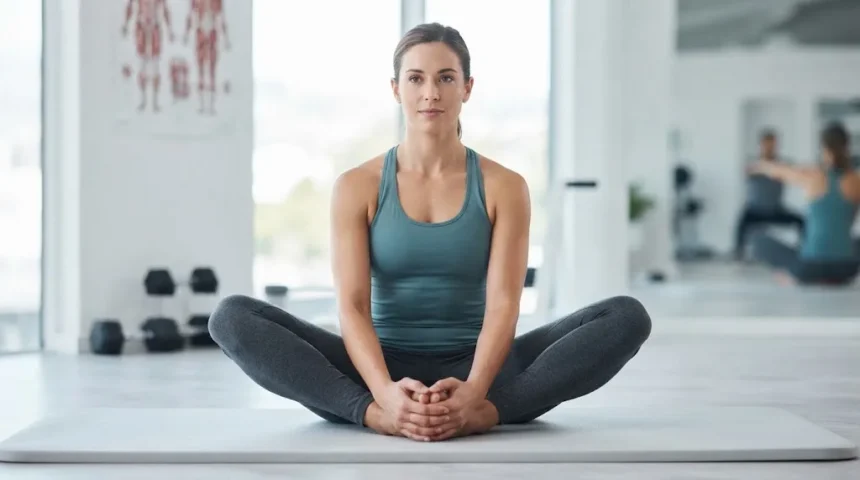
Tightness through the groin and inner thighs can make walking, squatting, running, and changing direction feel less comfortable than usual. Groin stretches are designed to gently lengthen the muscles around the inner thigh and hip, particularly the adductor muscle group. When performed correctly, they can support comfortable movement, flexibility, and better hip mobility.
The groin muscles work during everyday activities as well as sports that involve running, kicking, jumping, or quick changes of direction. Long periods of sitting, intense exercise, or limited mobility may leave the area feeling stiff or restricted. A simple stretching routine can help you explore a comfortable range of motion without forcing sensitive tissues.
Stretching should create gentle tension rather than sharp pain. People recovering from a recent groin strain, hip injury, or unexplained persistent pain may need professional guidance before beginning deeper stretches. Understanding proper technique, useful stretch variations, and common mistakes can make a groin stretching routine safer and more effective.
What Are Groin Stretches?
Groin stretches are movements that gently lengthen the muscles along the inside of the thigh and around the hip. These muscles are commonly called the hip adductors because they help move the leg toward the center of the body. They also contribute to hip stability during walking, running, balancing, and changes of direction.
The adductor group includes several muscles, such as the adductor longus, adductor brevis, adductor magnus, gracilis, and pectineus. These muscles vary in size and function, but they work together during many lower-body movements. Tightness in this region can sometimes make wide stances, lateral movement, squatting, or hip rotation feel restricted.
Different stretches target the groin from slightly different positions. Some are performed while sitting, while others involve kneeling, standing, or moving through a wider stance. The goal is not to force maximum flexibility but to gradually improve comfortable range of motion while maintaining control through the hips and surrounding muscles.
What Causes Tight Groin Muscles?
Groin tightness can develop after intense physical activity, particularly sports involving sprinting, kicking, skating, or rapid directional changes. Strength training exercises such as squats, lunges, and lateral movements may also leave the inner thigh muscles temporarily sore or stiff. This can be especially noticeable when training volume or exercise intensity increases suddenly.
Prolonged sitting may also contribute to a feeling of stiffness around the hips and inner thighs. Remaining in one position for several hours reduces movement variety and may make the entire hip region feel less mobile. The sensation does not always mean that a muscle is permanently shortened, but gentle movement may help restore comfort.
Past injuries can also influence how the groin feels during movement. People sometimes reduce activity or avoid certain positions after a strain, which can gradually affect confidence and mobility. Persistent tightness accompanied by sharp pain, weakness, swelling, or difficulty walking may indicate something more than ordinary muscle stiffness and should be evaluated appropriately.
Key Benefits of Groin Stretches
One of the main benefits of groin stretching is improved flexibility through the inner thighs and surrounding hip region. Greater comfortable mobility can make activities such as squatting, lunging, stepping sideways, and sitting in wider positions feel easier. The change usually develops gradually, so consistent practice is more useful than forcing deeper stretches occasionally.
Groin stretches may also help reduce temporary feelings of stiffness after long periods of sitting or demanding exercise. Gentle stretching encourages movement through ranges that may not be used frequently during a normal day. Many people find that controlled mobility work leaves the hips and inner thighs feeling more comfortable before or after physical activity.
Stretching can also support body awareness by helping you notice differences in mobility between sides. However, flexibility exercises should not be treated as a guaranteed way to prevent groin injuries. Strength, workload management, coordination, recovery, and sport-specific preparation also contribute to how well the adductor muscles tolerate demanding movement.
How to Stretch Your Groin Safely
Start each groin stretch gradually instead of moving immediately into the deepest position you can reach. Ease into the movement until you feel mild to moderate tension through the inner thigh, then maintain a comfortable position. Sharp pain, pinching, numbness, or sudden pulling sensations are signs that you should reduce the stretch or stop.
Breathing normally can make stretching feel more relaxed and controlled. Avoid holding your breath or aggressively bouncing in an attempt to increase flexibility quickly. Slow movements allow you to notice how the muscles respond and make it easier to adjust the position before excessive tension develops around the groin or hip.
Your current mobility should determine how far you move rather than how flexible someone else appears. People naturally differ in hip anatomy, training history, and comfortable range of motion. Improving flexibility gradually over several weeks is usually more sensible than trying to achieve a dramatic change during a single stretching session.
Butterfly Stretch for the Groin
The butterfly stretch is one of the simplest seated exercises for targeting the inner thighs. Sit upright on the floor, bring the soles of your feet together, and allow your knees to move outward comfortably. Hold your feet or ankles while keeping your back in a relaxed position rather than aggressively forcing your knees downward.
Move your heels closer to or farther away from your body to find a comfortable level of tension. You should generally feel the stretch through the inner thighs and groin rather than sharp discomfort inside the hip joint. Leaning slightly forward from the hips may increase the stretch, but avoid rounding forcefully or bouncing.
Hold the position while breathing slowly, then release gradually. Beginners may find a shorter, gentler hold more comfortable, while experienced individuals may tolerate longer periods without difficulty. Placing cushions beneath the knees can provide additional support if letting the legs fall outward creates too much tension or discomfort.
Side Lunge Groin Stretch
A side lunge stretch can target the inner thigh while also involving controlled hip and knee movement. Begin with your feet wider than shoulder-width apart, then slowly shift your body toward one side by bending that knee. Keep the opposite leg more extended while maintaining a stable foot position and controlled posture.
As you shift sideways, you should feel gentle tension along the inner thigh of the straighter leg. Keep the movement within a comfortable range and avoid forcing the hips too low. The knee of the bending leg should move naturally with the foot instead of collapsing sharply inward during the stretch.
Return to the center slowly before repeating on the other side. This movement can be performed as a held stretch or as a controlled dynamic mobility exercise before activity. When using it during a warm-up, keep the motion smooth and moderate rather than trying to reach your deepest possible stretch immediately.
Half-Kneeling Adductor Stretch
The half-kneeling adductor stretch can provide a controlled way to work on inner-thigh mobility. Begin on your hands and knees, then extend one leg out to the side with the foot supported comfortably. Keep your hands on the floor or another stable surface so you can control how much weight moves toward the extended leg.
Slowly shift your hips backward until you notice a gentle stretch along the inner thigh. Keep your spine relatively comfortable and avoid rotating the pelvis aggressively to chase a deeper position. Small adjustments to the angle of the extended foot can change where you feel tension, so choose the position that feels most natural.
Move forward again to release the stretch, then repeat slowly or hold the comfortable end position. This exercise can be particularly useful for people who find seated groin stretches awkward. Use padding beneath the supporting knee when necessary, especially if kneeling directly on the floor creates pressure or discomfort.
Standing Groin Stretch
A standing groin stretch can be convenient because it requires no floor position and can be performed almost anywhere. Stand with your feet wider than hip-width apart and gradually shift your weight toward one side. Bend that knee slightly while keeping the opposite leg relatively straight until you feel tension through the inner thigh.
Use a wall, chair, or stable surface for balance if needed. Keeping the movement controlled is more important than reaching a deep position, particularly when flexibility is limited. Avoid twisting the knee or foot into an uncomfortable angle simply to increase the sensation in the groin.
Hold the position briefly before returning to the center and changing sides. This stretch can fit easily into movement breaks during the day or a general mobility routine. People with balance difficulties should prioritize stability and may prefer seated or supported alternatives until the movement feels secure.
Frog Stretch for Deeper Groin Mobility
The frog stretch is a more intense groin mobility exercise and may not be suitable for everyone. Begin on your hands and knees, then slowly widen your knees while keeping them supported on a comfortable surface. Your lower legs can remain bent while you control the position using your hands and hips.
Gradually move your hips backward only until you feel a manageable stretch through the inner thighs. The position should never create sharp groin pain or a strong pinching sensation inside the hip. Because this stretch can produce considerable tension, there is no need to force the knees wider than your natural range.
Using a yoga mat, folded towel, or other padding beneath the knees can improve comfort. Beginners may benefit from limiting the range and holding the stretch only briefly before returning forward. Anyone recovering from a groin injury should avoid aggressive frog stretching unless a qualified professional has confirmed that deeper mobility work is appropriate.
Dynamic Groin Stretches Before Exercise
Dynamic stretches involve controlled movement rather than holding one position for an extended period. Side lunges, gentle leg swings, walking lateral movements, and controlled hip circles can gradually prepare the groin for activity. These movements can be especially useful before sports involving running, cutting, kicking, or rapid changes in direction.
Begin with a smaller movement range and gradually increase it as the muscles feel warmer. Dynamic mobility should feel smooth rather than forceful, and each repetition should remain controlled. Moving aggressively into a large range while the body is still cold may create unnecessary stress rather than helping you prepare for exercise.
A complete warm-up should include more than groin stretching alone. Gradually increasing heart rate, practicing relevant movement patterns, and preparing the muscles for the demands of the upcoming activity are also important. Athletes may benefit from combining dynamic adductor mobility with progressive running, jumping, or sport-specific drills.
How Often Should You Stretch Your Groin?
The ideal frequency depends on your mobility goals, current activity level, and how your body responds to stretching. Many people can include gentle groin mobility several times each week without difficulty. Short, consistent sessions are often easier to maintain than occasional intense stretching sessions that leave the muscles unusually sore.
You do not need to push deeper during every session to make progress. Repeating comfortable stretches regularly can gradually improve familiarity with wider ranges of motion. If your groin feels irritated after exercise, using gentler movement or allowing additional recovery may be more appropriate than immediately performing intense static stretches.
Flexibility can vary from day to day based on training, fatigue, activity, and previous movement. Treat the routine as adaptable rather than following a rigid depth or duration target. If stretching repeatedly causes pain or your mobility suddenly becomes much more restricted, consider whether an injury or another underlying issue may require assessment.
Common Groin Stretching Mistakes
One common mistake is assuming that more discomfort means a more effective stretch. Strong pain can cause you to tense surrounding muscles and may irritate sensitive tissues rather than improving mobility. Aim for controlled tension that allows you to breathe normally and maintain the position without feeling that you need to escape it.
Bouncing aggressively is another unnecessary habit during most static stretches. Rapid movements can make it harder to control the amount of force being placed through the inner thigh. Instead, enter and leave each stretch gradually, allowing your body to adapt to the position rather than repeatedly forcing it beyond a comfortable range.
Another mistake is using stretching as the only strategy for recurring groin problems. Weakness, rapid training progression, poor workload management, or an unresolved injury may also contribute to symptoms. Combining mobility with appropriate strengthening and gradual exposure to demanding movements can provide a more complete approach to lower-body function.
When to Avoid Groin Stretching and Seek Help
Avoid aggressive stretching immediately after a significant groin injury, especially if you experienced sudden sharp pain during running, kicking, or changing direction. Stretching injured muscle fibers forcefully may increase discomfort. Early management depends on the severity of the problem, so significant strains are better assessed before beginning an intensive flexibility routine.
Professional evaluation is also appropriate when groin pain persists, repeatedly returns, or interferes with walking and normal activities. Swelling, bruising, weakness, a noticeable lump, or pain that does not behave like ordinary muscle soreness may require further assessment. Groin discomfort can originate from muscles, tendons, joints, or other structures in the region.
Seek urgent medical care for severe unexplained groin pain, major trauma, inability to bear weight, or other concerning symptoms. Stretching should not be used to diagnose or treat every type of groin discomfort. When the cause is uncertain, determining what is producing the pain is more important than trying increasingly intense stretches.
Conclusion
Groin stretches can be a useful part of a mobility routine for people who feel tightness through the inner thighs and hips. Exercises such as the butterfly stretch, side lunge, half-kneeling adductor stretch, and supported standing stretch provide different ways to explore comfortable movement. Consistency and control matter more than reaching an extreme range.
For the best results, combine flexibility work with appropriate strengthening, regular movement, and sensible progression during exercise. Dynamic stretches can help prepare the groin before demanding activity, while comfortable static stretches may fit better into general mobility sessions. Listen to how your body responds instead of forcing a position simply because it looks deeper.
Groin stretching should feel like gentle tension rather than sharp pain. Persistent discomfort, significant weakness, bruising, or pain following a sudden injury may require professional assessment before you continue stretching. Knowing when to progress and when to stop can help you build mobility without unnecessarily irritating the inner thigh muscles.
FAQs
What is the best stretch for tight groin muscles?
There is no single best stretch for everyone. Butterfly stretches, side lunges, and half-kneeling adductor stretches are useful options, and the best choice is one that creates comfortable inner-thigh tension without pain.
How long should you hold a groin stretch?
Many people comfortably hold a static groin stretch for around 20–30 seconds, although individual needs vary. Focus on relaxed, controlled tension rather than forcing yourself to maintain an uncomfortable position.
Can I do groin stretches every day?
Gentle groin mobility can often be performed daily if it does not cause pain or excessive soreness. More intense stretching may require additional recovery, particularly after heavy lower-body training or demanding sports.
Do groin stretches help with hip mobility?
Yes, groin stretches can improve comfortable movement through the inner thigh and adductor muscles, which contribute to hip mobility. Overall hip function also depends on strength, joint structure, coordination, and mobility in other directions.
Should I stretch a pulled groin muscle?
Avoid forceful stretching during the early stages of a suspected groin strain because it may aggravate injured tissue. Significant pain, bruising, weakness, or difficulty walking should be professionally assessed before beginning deeper stretching.