

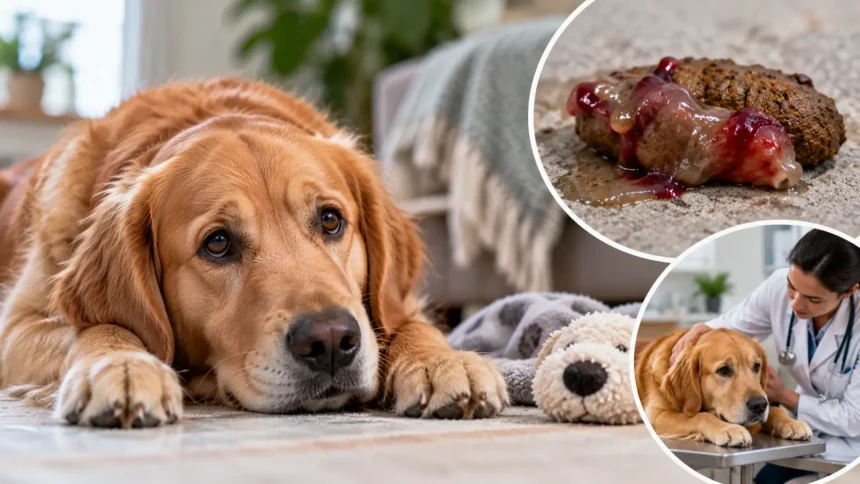
Jelly-Like Blood in Dog Stool: Causes & Emergency Signs
Seeing jelly-like blood in your dog’s stool can be alarming, especially when the bowel movement contains bright-red blood mixed with thick mucus. This appearance often suggests irritation or inflammation in the large intestine, where mucus is naturally produced to help stool move through the colon. Mild cases can sometimes occur after dietary changes, stress, or temporary intestinal upset, but bloody mucus can also appear with parasites, infections, inflammatory bowel disease, foreign objects, poisoning, or more serious gastrointestinal conditions. One important emergency condition is acute hemorrhagic diarrhea syndrome, or AHDS, which can cause sudden, profuse bloody diarrhea and rapid fluid loss. Because the same general appearance can result from problems ranging from mild to life-threatening, your dog’s overall condition matters just as much as the stool itself.
A small streak of fresh blood in an otherwise normal, energetic dog may not carry the same urgency as repeated jelly-like bloody diarrhea accompanied by vomiting, weakness, abdominal pain, or collapse. Bright-red blood usually comes from the lower digestive tract and is known as hematochezia, whereas black, tarry stool can indicate digested blood coming from farther up the gastrointestinal tract. Mucus may make the stool appear slimy, gelatinous, or similar to red jelly. Veterinarians evaluate the amount of blood, frequency of diarrhea, hydration status, age, vaccination history, diet, medications, toxin exposure, and other symptoms to determine how serious the problem may be. This guide explains what jelly-like blood in dog stool can mean, the most common causes, emergency warning signs, diagnostic tests, treatment options, home-care limitations, and when you should contact a veterinarian.
What Does Jelly-Like Blood in Dog Stool Mean?
Jelly-like material in a dog’s stool is commonly mucus produced by the lining of the colon. The large intestine normally makes mucus, but inflammation can cause much greater quantities to appear in a bowel movement. When small blood vessels in the irritated colon also bleed, the mucus may become pink, red, or streaked with bright blood. The result can look like red jelly, slime, or a coating around soft stool. This appearance is commonly associated with large-bowel diarrhea or colitis. However, appearance alone cannot determine exactly what caused the inflammation.
Bright-red blood is generally referred to as hematochezia. It usually indicates that the blood has not spent enough time in the digestive tract to become dark and digested. The rectum, colon, and anal area are common sources, although bleeding from farther up the intestinal tract can sometimes move quickly enough to remain red. Small streaks may occur when repeated straining irritates the lower bowel. Larger amounts of blood, especially when diarrhea is frequent, require more caution. The amount of visible blood does not always perfectly reflect the severity of the underlying problem.
Black, sticky, tar-like stool is different from fresh red blood. This appearance is called melena and usually means blood has been digested while traveling through the stomach or small intestine. Conditions such as gastrointestinal ulcers, certain medications, bleeding disorders, or other internal problems can produce melena. Very dark stool should not simply be assumed to be caused by food without considering the dog’s health and recent history. A veterinarian can sometimes distinguish digested blood from ordinary dark stool using testing. Both melena and substantial hematochezia deserve medical attention.
Mucus by itself can occur with relatively mild colon irritation. Stress, sudden dietary changes, scavenging, and mild digestive upset can temporarily increase mucus production. When mucus is repeatedly mixed with blood, however, it becomes more important to understand why the intestinal lining is inflamed. Parasites, bacterial imbalance, food intolerance, chronic inflammatory disease, and acute gastrointestinal syndromes are among the possibilities. Puppies and older dogs may also have different risk profiles than healthy young adults. Persistent recurrence is a reason to investigate rather than repeatedly treating symptoms at home.
One particularly dramatic pattern is sudden profuse bloody diarrhea resembling raspberry jam. Veterinarians may consider acute hemorrhagic diarrhea syndrome when this develops rapidly, especially when vomiting, lethargy, decreased appetite, or abdominal discomfort is also present. AHDS can cause substantial fluid movement into the intestines and dehydration may become severe very quickly. Prompt fluid therapy is the mainstay of treatment in affected dogs. A dog producing large amounts of bloody liquid stool should therefore be evaluated promptly even when the condition began only a few hours earlier.
Common Causes of Blood and Mucus in Dog Stool
Colitis is one of the most common reasons dogs develop mucus and fresh blood in their stool. Colitis simply means inflammation of the colon and describes a pattern rather than one single disease. A dog with colitis may pass small frequent stools, strain repeatedly, produce mucus, or have bright-red blood near the end of a bowel movement. Some dogs remain relatively energetic despite these symptoms, while others appear uncomfortable. Stress, diet, parasites, infections, and inflammatory conditions can all trigger colitis. Determining the underlying cause becomes particularly important when symptoms continue or repeatedly return.
Dietary indiscretion is another frequent cause of sudden digestive upset. Dogs may eat garbage, table scraps, spoiled food, fatty foods, unfamiliar treats, animal waste, or objects found outdoors. These materials can irritate the digestive tract and disturb normal intestinal bacteria. Rapid diet changes can also produce diarrhea even when the new food itself is nutritionally appropriate. Mild irritation may resolve relatively quickly, but severe vomiting, bloody diarrhea, or abdominal pain raises concern for something more significant. Foreign materials eaten with food can add additional risk.
Intestinal parasites can cause bloody or mucus-filled stool, especially in puppies or dogs with uncertain preventive care. Giardia, hookworms, whipworms, and other parasites can interfere with intestinal function and produce diarrhea. Hookworms can contribute to blood loss, while whipworms commonly affect the large intestine and can cause mucus and fresh blood. Some parasites are not visible to the naked eye, so normal-looking stool between episodes does not rule them out. Veterinarians may recommend fecal testing even when owners have never seen worms. Young dogs with diarrhea deserve particular attention because they can become dehydrated quickly.
Bacterial or viral gastrointestinal infections are additional possibilities. Certain bacteria can contribute to intestinal inflammation, although finding bacteria in stool does not always prove they are the cause because many organisms can be present normally. Viral diseases such as canine parvovirus can cause severe vomiting and bloody diarrhea, particularly in susceptible puppies and incompletely vaccinated dogs. Parvovirus can become life-threatening through dehydration, intestinal damage, and systemic complications. Severe bloody diarrhea accompanied by weakness, vomiting, fever, or poor appetite should therefore be evaluated quickly. A vaccination history helps veterinarians assess risk.
Chronic conditions can also produce recurring blood and mucus. Food-responsive intestinal disease, chronic enteropathy, inflammatory bowel disorders, polyps, tumors, or other colon diseases may cause repeated episodes rather than one isolated event. Weight loss, changes in appetite, vomiting, or gradual deterioration make chronic disease more concerning. Older dogs with newly recurring blood in the stool may need a broader diagnostic evaluation. A single symptom cannot distinguish inflammatory disease from cancer or another structural problem. Pattern, duration, age, and diagnostic testing provide the necessary context.
Acute Hemorrhagic Diarrhea Syndrome in Dogs
Acute hemorrhagic diarrhea syndrome is an important cause of sudden dramatic bloody diarrhea in dogs. It was historically called hemorrhagic gastroenteritis, although the newer name better reflects the intestinal changes involved. Dogs may appear normal one day and then develop vomiting followed by extremely bloody diarrhea over a short period. The stool is sometimes described as having a raspberry-jam-like appearance because of the mixture of blood and intestinal fluid. Small and toy breeds are represented relatively often, although dogs of other sizes can also develop the syndrome.
The exact cause of AHDS is not fully understood. Research has identified an association with certain Clostridium perfringens toxins and intestinal bacterial changes, but the disease cannot always be explained by one specific infection. Damage to the intestinal barrier allows substantial amounts of fluid, plasma proteins, and red blood cells to leak into the bowel. This creates the dramatic bloody diarrhea owners see. The rapid fluid shift can produce dehydration and poor circulation faster than might be expected from the short duration of symptoms. A dog can therefore become seriously ill within hours.
Vomiting commonly accompanies AHDS and may occur before the bloody diarrhea begins. Affected dogs may stop eating, become lethargic, develop abdominal pain, or appear weak. Severe fluid loss can progress to hypovolemic shock, in which circulating blood volume becomes too low to support normal organ function. This is one reason owners should not judge severity only by how long diarrhea has been present. A dog that becomes weak, collapses, or has difficulty standing needs emergency veterinary evaluation. VCA also lists severe bloody diarrhea with vomiting and weakness or collapse as an emergency situation requiring immediate attention.
Veterinarians may suspect AHDS based on the sudden clinical presentation and bloodwork showing marked concentration of red blood cells from fluid loss. Other diseases must still be considered because parvovirus, intestinal obstruction, pancreatitis, gastrointestinal ulceration, poisoning, and other conditions can produce overlapping signs. Diagnostic testing is therefore based on the dog’s age, symptoms, examination findings, and medical history. A fecal sample, blood tests, imaging, or parvovirus testing may be recommended. AHDS is a diagnosis made in context rather than simply from the appearance of the stool.
Prompt intravenous fluid therapy is the most important treatment when AHDS causes substantial dehydration or poor circulation. Anti-nausea medication and other supportive measures may also be provided. Antibiotics are not automatically required for every mild or moderate AHDS case and may be reserved for dogs showing evidence of severe systemic illness or concern for sepsis. Most dogs receiving appropriate veterinary care can recover, but delaying treatment in a rapidly deteriorating dog increases risk. The dramatic bloody appearance should therefore never be dismissed as ordinary diarrhea.
Stress Colitis and Jelly-Like Stool
Stress can affect the gastrointestinal tract in dogs just as it can in people. Boarding, travel, moving house, visitors, thunderstorms, separation, competition with other pets, or changes in routine may trigger colon inflammation in susceptible dogs. This is commonly called stress colitis. The dog may begin passing frequent small amounts of soft stool, sometimes with obvious mucus and streaks of fresh blood. Straining can occur even after the colon is relatively empty. Despite the unpleasant appearance, some dogs remain bright, alert, and interested in food.
Stress colitis develops because emotional and physiological stress can influence intestinal movement, immune signaling, and the gut microbiome. Faster movement through the colon reduces the time available for water absorption and can produce loose stool. The inflamed colon also releases more mucus. Fragile blood vessels near the surface may bleed during repeated straining. This helps explain why a relatively small amount of intestinal irritation can produce visible blood. However, stress should only be assumed after more serious causes have been considered when symptoms are substantial.
A recent stressful event can provide an important clue, but it does not prove stress is the cause. A dog returning from boarding could also have eaten unfamiliar food, acquired a parasite, been exposed to an infection, or swallowed something inappropriate. Owners should therefore consider the entire history. Frequency of diarrhea, vomiting, appetite, energy, hydration, and amount of blood all influence whether home monitoring is reasonable. Multiple episodes of bloody stool warrant veterinary advice even when stress seems like an obvious trigger. VCA recommends veterinary assessment when blood is present in a pet’s stool.
Veterinary treatment for uncomplicated colitis may include dietary adjustments, hydration support, probiotics, or medications depending on the circumstances. Antibiotics are not automatically necessary for every episode. If stress repeatedly triggers symptoms, preventing future episodes may involve gradual acclimation to boarding, predictable routines, environmental enrichment, or behavioral support. Some dogs benefit from bringing familiar bedding or food when traveling. The prevention strategy depends on which situations consistently trigger gastrointestinal upset. Recurrent bloody colitis still deserves a veterinary discussion rather than being considered normal.
Stress colitis typically improves as the underlying irritation settles, but worsening symptoms suggest another process may be occurring. Repeated vomiting, marked lethargy, refusal to drink, abdominal pain, or increasing quantities of blood are not features to simply watch indefinitely. Dogs can have both stress and a medical illness at the same time. A history of stress should therefore not lower concern when the dog appears systemically unwell. Clinical condition always matters more than the presumed trigger.
Parasites That Can Cause Bloody Dog Stool
Intestinal parasites are an important cause of diarrhea in dogs, particularly puppies, recently adopted dogs, dogs with uncertain deworming histories, and animals exposed to contaminated environments. Some parasites irritate the intestinal lining, while others attach to the intestine and feed on blood. Symptoms can range from mild intermittent soft stool to significant diarrhea, weight loss, anemia, and weakness. Mucus is particularly common when the colon becomes inflamed. Visible blood may appear fresh and red or, in some circumstances, darker depending on where bleeding occurs.
Hookworms are especially important because they attach to the intestinal lining and consume blood. Puppies with heavy infections can become anemic and seriously ill. Signs may include pale gums, weakness, dark stool, poor growth, or diarrhea. Adult dogs can also develop infection, particularly when parasite prevention is inconsistent. Hookworm eggs are microscopic and cannot be identified simply by looking at a stool. Fecal testing helps detect infection and guides treatment. Appropriate deworming is much safer than choosing a product without knowing which parasite is present.
Whipworms primarily inhabit the large intestine and can cause chronic or intermittent diarrhea containing mucus and fresh blood. Some infected dogs appear relatively healthy between episodes, which can make the condition easy to overlook. Whipworm eggs may not be shed continuously, so more than one fecal test may occasionally be needed when suspicion remains high. Modern parasite-prevention plans can reduce risk. Veterinarians choose treatment based on confirmed infection, regional parasite exposure, and preventive history. Recurrent colitis is one situation where whipworms may be considered.
Giardia more commonly causes soft, poorly formed, or greasy diarrhea than dramatic bleeding, but intestinal irritation can contribute to mucus and variable stool. Dogs may acquire Giardia from contaminated water, environments, or contact with infected feces. Puppies and dogs living in crowded settings can be more susceptible to noticeable symptoms. Diagnosis may require antigen testing or microscopic evaluation. Environmental hygiene is important because reinfection can occur. Owners should also wash hands after cleaning diarrhea because some intestinal organisms have potential human health implications.
Regular parasite prevention and fecal screening help reduce the likelihood that parasites become a chronic cause of gastrointestinal symptoms. Picking up feces promptly, limiting access to contaminated water, and following veterinary deworming recommendations are useful preventive measures. Dogs should not be given random dewormers based solely on bloody stool because different parasites require different treatment strategies. Some products also have age or weight restrictions. When jelly-like blood persists or returns, bringing a fresh stool sample to the veterinary appointment can provide useful diagnostic information.
Dietary Causes and Food-Related Intestinal Upset
Sudden food changes are a common reason dogs develop diarrhea. The intestinal microbiome and digestive system adapt to the foods regularly eaten, so abruptly switching brands, protein sources, or nutrient composition can cause temporary disruption. Mild cases may produce soft stool and mucus without significant systemic illness. Inflammation from repeated diarrhea can sometimes lead to streaks of fresh blood. Transitioning gradually between foods helps reduce this risk. However, a food change should not automatically be blamed when large amounts of blood or severe illness are present.
Eating rich or fatty human foods can also trigger gastrointestinal upset. Holiday leftovers, greasy meat, sauces, dairy products, and large amounts of unfamiliar food are frequent examples. Fatty meals may contribute to pancreatitis in susceptible dogs, which can cause vomiting, abdominal pain, and poor appetite. Diarrhea may occur as well, although bloody mucus is not specific to pancreatitis. A veterinarian may need blood testing or imaging when abdominal pain is substantial. Feeding a bland meal does not replace assessment when the dog is clearly unwell.
Garbage ingestion can expose dogs to spoiled food, mold, foreign objects, bones, packaging, and potentially toxic substances all at once. This makes “garbage gut” difficult to predict. One dog may experience only short-lived diarrhea, while another could develop obstruction or poisoning. Bloody mucus may result from intestinal irritation, but the history of scavenging increases concern about hidden complications. Owners should tell the veterinarian exactly what may have been eaten. Even embarrassing or incomplete information can help guide appropriate testing.
Food intolerance or food-responsive intestinal disease can cause more chronic patterns. A dog may repeatedly experience diarrhea, mucus, gas, or other gastrointestinal symptoms associated with particular ingredients or dietary compositions. Diagnosis often requires a structured veterinary-guided food trial rather than randomly changing brands every few days. Constantly switching diets can make it harder to recognize patterns. True adverse food reactions are only one possible cause of chronic diarrhea. Parasites, chronic enteropathy, pancreatic disease, and other conditions may need consideration as well.
Bones and sharp food fragments create additional concerns because they can scrape or puncture the digestive tract. Cooked bones can splinter, while large pieces may contribute to constipation or obstruction. Blood around firm stool after eating bones could reflect lower intestinal irritation, but severe abdominal pain, vomiting, or inability to pass stool requires urgent evaluation. Do not intentionally induce vomiting after ingestion of a potentially sharp object unless a veterinarian specifically instructs you to do so. Bringing information about the object, amount, and time of ingestion can help the clinic determine next steps.
Could a Foreign Body Cause Bloody Stool?
Dogs explore the world with their mouths and sometimes swallow objects that cannot be digested. Socks, toys, fabric, corn cobs, bones, stones, plastic, and pieces of household items are common examples. Some objects pass through the gastrointestinal tract without incident, while others become lodged in the stomach or intestine. An obstruction can cause vomiting, abdominal discomfort, appetite loss, lethargy, and changes in stool production. Bloody diarrhea can occur when intestinal tissue becomes irritated or damaged. A history of chewing or missing objects increases suspicion.
A partial obstruction can be particularly confusing because the dog may continue passing some stool or diarrhea. Owners sometimes assume that producing any bowel movement proves there is no blockage. In reality, liquid intestinal contents may move around a partially obstructing object. Symptoms can also come and go as the object shifts position. Repeated vomiting after eating or drinking is especially concerning. Imaging such as abdominal X-rays or ultrasound may be needed to investigate.
Sharp objects create the additional risk of perforating the gastrointestinal wall. Perforation allows intestinal contents and bacteria to escape into the abdominal cavity and can lead to life-threatening infection. Severe abdominal pain, weakness, fever, collapse, or a rigid abdomen can be warning signs. Emergency surgery may be required. Never pull string, ribbon, or another linear object from a dog’s mouth or anus without veterinary advice because internal portions can be anchored and pulling may damage the intestine. Professional assessment is safer.
Puppies and young dogs are particularly prone to swallowing inappropriate objects because of chewing behavior and curiosity. Dogs with a history of previous foreign-body surgery may also repeat the behavior. Prevention includes keeping socks, children’s toys, food packaging, and other swallowable items out of reach. Choose dog toys large and durable enough for the individual animal. Supervise chewing when a toy begins breaking into pieces. Prevention is far easier than treating an intestinal obstruction.
Bloody stool alone does not prove a foreign body is present, but the possibility becomes more important when accompanied by vomiting, abdominal pain, reduced appetite, or known ingestion. VCA notes that persistent vomiting or diarrhea, with or without blood, can be associated with serious problems including intestinal obstruction. If obstruction is possible, do not repeatedly offer large meals or administer human laxatives in an attempt to push the object through. Contact a veterinarian for guidance instead.
Other Serious Causes of Bloody Stool in Dogs
Canine parvovirus is one of the most important infectious causes of severe gastrointestinal disease, especially in young or incompletely vaccinated dogs. The virus attacks rapidly dividing cells, including those lining the intestine. Dogs may develop profound lethargy, vomiting, poor appetite, fever, dehydration, and foul-smelling diarrhea that can become bloody. Parvovirus can be life-threatening without intensive supportive treatment. VCA identifies parvovirus as one possible serious cause when dogs develop severe bloody diarrhea and generalized illness. Puppies with these symptoms should be evaluated immediately.
Poisoning can also cause gastrointestinal bleeding. Certain rodenticides interfere with blood clotting and may lead to internal hemorrhage, while other toxins can directly damage the gastrointestinal tract or other organs. Symptoms vary widely depending on the substance and may include weakness, pale gums, bruising, coughing, breathing difficulty, vomiting, or bloody stool. If toxin exposure is possible, contact a veterinarian or animal poison service promptly. Bring the package or product name when safe to do so. Do not induce vomiting unless specifically instructed.
Blood-clotting disorders can cause bleeding into the gastrointestinal tract even when the intestine itself is not the original problem. Severe liver disease, immune-mediated platelet destruction, inherited clotting problems, and certain toxins are examples. A dog may also develop nosebleeds, bruising, pinpoint red spots on the skin or gums, or bleeding from other locations. Blood tests can assess platelet numbers and clotting function. Significant spontaneous bleeding requires prompt veterinary care. Treating diarrhea alone would not correct the underlying coagulation problem.
Gastrointestinal tumors can cause intermittent or persistent bleeding, especially in middle-aged or older dogs. Other signs may include weight loss, reduced appetite, vomiting, altered stool shape, abdominal discomfort, or gradual weakness. Cancer is not the most common explanation for one episode of bloody mucus, so owners should not immediately assume the worst. However, recurring blood without a simple explanation deserves investigation. Imaging, bloodwork, endoscopy, or biopsy may be considered depending on the suspected location. Earlier diagnosis can expand treatment options.
Severe chronic intestinal inflammation can also damage the intestinal lining and cause blood loss. Chronic enteropathies may produce diarrhea lasting weeks or longer, sometimes accompanied by vomiting, poor appetite, weight loss, or low blood protein levels. Diagnosis often requires excluding parasites, dietary causes, infections, and other diseases. Treatment can involve specialized diets, medications, vitamin supplementation, or other therapies depending on the individual dog. Persistent symptoms should not be managed indefinitely through repeated fasting or home remedies. Chronic gastrointestinal disease requires a structured veterinary plan.
Emergency Signs That Need Immediate Veterinary Care
The amount and frequency of bloody diarrhea matter. A single small streak after straining is different from repeated bowel movements containing large amounts of red blood and mucus. Profuse hemorrhagic diarrhea can cause rapid fluid loss and circulatory problems. When stool begins looking almost entirely like blood or red jelly, urgent veterinary assessment is appropriate. This is particularly important if the dog is small because fluid losses represent a greater percentage of body weight. Severe bloody diarrhea should not be monitored for an entire day while waiting for spontaneous improvement.
Weakness, collapse, difficulty standing, or unusually reduced responsiveness are emergency warning signs. These symptoms can indicate severe dehydration, shock, blood loss, toxin exposure, or systemic illness. VCA specifically recommends emergency care when a pet appears severely ill or has difficulty standing or walking. Check the gums if it can be done safely; very pale or white gums can indicate poor circulation, anemia, or blood loss. A dog showing these signs needs immediate veterinary attention rather than home treatment.
Repeated vomiting significantly increases the urgency of bloody diarrhea. When a dog cannot keep water down, dehydration can develop rapidly. Vomiting combined with abdominal pain may also indicate obstruction, pancreatitis, toxin exposure, AHDS, parvovirus, or another significant condition. VCA advises veterinary attention when vomiting or diarrhea persists and notes that dehydration is a major concern, particularly in small dogs. Do not force large amounts of food or water into a dog that is repeatedly vomiting.
A painful or swollen abdomen is another important warning sign. Dogs with abdominal pain may stand in an unusual posture, repeatedly stretch, appear restless, protect the belly, or cry when touched. Severe distension accompanied by unsuccessful attempts to vomit is particularly dangerous and can indicate gastric dilatation-volvulus, commonly called bloat. This requires immediate emergency treatment. Bloody stool may or may not be present. Any combination of significant abdominal pain, collapse, repeated retching, and gastrointestinal bleeding warrants urgent assessment.
Puppies, elderly dogs, and animals with underlying diseases deserve a lower threshold for emergency evaluation. Puppies can become dehydrated quickly and are more vulnerable to infections such as parvovirus when not fully vaccinated. Older dogs may have tumors, organ disease, or medication-related complications contributing to bleeding. Dogs receiving anti-inflammatory medications, steroids, or blood-thinning medicines may have different risks. A dog with bloody diarrhea should be assessed as an individual rather than according to one universal waiting period. When in doubt and the dog appears ill, contacting a veterinarian promptly is safest.
How Veterinarians Diagnose Jelly-Like Bloody Stool
Diagnosis begins with a detailed history because many gastrointestinal diseases look similar at first. The veterinarian will usually ask when diarrhea started, how frequently the dog is defecating, whether the blood is bright red or black, and whether vomiting is also occurring. Diet changes, scavenging, medications, travel, boarding, parasite prevention, vaccinations, and possible toxin exposure can all provide important clues. A photograph of the stool may be helpful if a sample cannot be brought. VCA notes that stool color, consistency, smell, frequency, and the presence of blood are useful parts of evaluating canine diarrhea.
A physical examination helps determine how sick the dog actually is. The veterinarian may assess body temperature, hydration, gum color, heart rate, abdominal discomfort, and overall responsiveness. The abdomen can be gently palpated for pain, distension, abnormal masses, or possible intestinal obstruction. The rectal area may also be examined if bleeding could be coming from an anal or rectal source. These findings help determine whether outpatient treatment might be reasonable or hospitalization is safer. Stool appearance alone cannot provide this information.
Fecal testing may be recommended to look for intestinal parasites or certain infectious organisms. Because some parasites are shed intermittently, one negative test does not always rule out infection. Specialized tests can detect Giardia or other organisms that may be difficult to identify through routine microscopy. Puppies with severe diarrhea may undergo rapid testing for canine parvovirus. A fresh stool sample is often useful, and VCA recommends bringing one when possible during evaluation for diarrhea.
Blood tests can provide information about hydration, red and white blood cells, platelets, electrolytes, organ function, and protein levels. In AHDS, veterinarians commonly see marked hemoconcentration because large amounts of fluid have left the bloodstream and entered the intestines. Bloodwork can also reveal anemia, infection-related changes, kidney effects from dehydration, or abnormalities suggesting another disease. Additional clotting tests may be needed when a bleeding disorder or toxin is suspected. Results are interpreted together with the examination rather than independently.
Imaging becomes particularly important when obstruction, foreign material, pancreatitis, a mass, or another structural problem is possible. Abdominal radiographs can identify certain foreign objects, unusual gas patterns, or organ changes. Ultrasound provides a more detailed view of intestinal walls and surrounding abdominal structures. Some cases require endoscopy, surgery, or tissue biopsy for a final diagnosis. Most dogs with one mild episode will not need every possible test. The diagnostic plan is adjusted according to severity, duration, age, and examination findings.
Treatment Options for Bloody Diarrhea in Dogs
Treatment depends on the cause and the dog’s overall condition. Mild colitis in a bright, hydrated adult dog may require a very different approach from severe AHDS in a weak, dehydrated animal. Veterinarians therefore treat the patient rather than simply treating the visible blood. Hydration is often one of the first priorities because diarrhea and vomiting cause substantial fluid losses. Mild dehydration may sometimes be managed with less intensive support, while severe cases require intravenous fluids. Dogs in shock need rapid stabilization.
Intravenous fluid therapy is particularly important in AHDS because dogs can lose circulating fluid very quickly. Fluid administration is adjusted according to dehydration, perfusion, and ongoing losses. Anti-nausea medication may be given when vomiting is present, and pain management may be needed in selected cases. Antibiotics are not automatically necessary for uncomplicated diarrhea or every AHDS case. Current veterinary guidance generally reserves them for situations where severe systemic illness, sepsis, or certain blood abnormalities increase concern.
Parasite-related diarrhea requires targeted antiparasitic treatment. The drug and schedule depend on the organism identified or strongly suspected. Reinfection prevention may involve cleaning the environment, removing feces promptly, and maintaining appropriate monthly parasite prevention. Giardia and certain other organisms may require additional hygiene measures. Treating every dog in the household is not always necessary and depends on veterinary recommendations. A structured treatment plan is more effective than repeatedly using over-the-counter dewormers at random.
Dietary treatment may be part of recovery once vomiting is controlled and feeding is appropriate. Veterinarians may recommend a highly digestible gastrointestinal diet or another specific nutritional plan. Modern management generally does not require prolonged fasting for every case of diarrhea, particularly when the dog can safely tolerate food. Chronic or food-responsive conditions may need a longer therapeutic diet trial. Rapidly switching among several diets can complicate evaluation. Any dietary strategy should be matched to the cause and stage of illness.
Foreign bodies, tumors, perforations, and some other structural conditions may require surgery or specialized treatment. Bleeding disorders require correction of the underlying clotting problem and may sometimes need blood products. Parvovirus treatment often involves intensive supportive care, isolation, fluids, anti-nausea medication, nutritional management, and treatment of secondary complications. This variety shows why there is no single medication that treats jelly-like blood in every dog. The correct treatment follows from identifying the most likely underlying problem.
What You Can and Cannot Do at Home
If your dog has only a very small amount of bright blood or mucus, remains energetic, eats normally, drinks normally, and has no vomiting or abdominal pain, contacting your regular veterinarian for advice may be appropriate. Keep track of stool frequency and appearance and watch closely for any deterioration. A photo can document how much blood is present and whether it changes. Make sure clean water remains available unless a veterinarian instructs otherwise. Even mild cases should be reassessed if they continue or repeatedly return.
Do not automatically give human anti-diarrheal medicines. Products containing loperamide, bismuth compounds, pain relievers, or other ingredients can be inappropriate for certain dogs or can interact with medications and underlying diseases. Some drugs are especially risky in particular breeds or when obstruction, toxin exposure, or infection is possible. VCA advises against giving human medications unless a veterinarian has recommended them. A medication that suppresses diarrhea may also mask an important symptom without addressing its cause.
Avoid assuming that rice, pumpkin, chicken, or another home remedy will treat severe bloody diarrhea. Bland foods can sometimes be used as part of a veterinary-approved plan for mild digestive upset, but they do not treat AHDS, parvovirus, obstruction, poisoning, or substantial blood loss. Repeated vomiting may also make feeding inappropriate until the dog has been assessed. Nutrition advice should reflect the individual situation. If your dog is clearly ill, the priority is diagnosis and stabilization rather than testing multiple home diets.
Never try to force large amounts of water into a weak or vomiting dog. Small amounts may be tolerated in some mild cases, but repeated vomiting means oral hydration may not be sufficient. Forcing fluid can also increase the risk of aspiration in a severely weak animal. Intravenous fluids may be needed when dehydration becomes significant. Signs such as tacky gums, sunken eyes, marked weakness, or reduced urination can accompany dehydration. Veterinary care is safer when fluid loss is rapid.
Keep other useful information ready for the veterinary visit. Bring a fresh stool sample if possible, record recent foods and treats, list all medications and supplements, and note any possible access to garbage, chemicals, toys, or rodenticides. Bring vaccination and deworming information for puppies. If your dog may have swallowed an object or toxin, tell the clinic before arriving if possible. Accurate information helps the veterinarian choose appropriate testing more quickly. In an emergency, do not delay departure simply to collect every detail.
How to Help Prevent Bloody Diarrhea
Consistent diet is one of the simplest preventive measures for dogs prone to gastrointestinal upset. Introduce new foods gradually rather than switching abruptly whenever possible. Keep garbage containers secure and discourage scavenging during walks. Avoid feeding large amounts of fatty table scraps, especially to dogs with previous digestive or pancreatic problems. Treats should make up only a small part of the overall diet. A predictable feeding routine can make unusual stool changes easier to identify quickly.
Parasite prevention is equally important. Follow a veterinarian-recommended preventive program that reflects your dog’s age, lifestyle, and geographic region. Regular fecal examinations may still be appropriate because no preventive strategy eliminates every possible parasite. Pick up feces promptly from yards and avoid allowing dogs to drink from obviously contaminated standing water. Puppies should receive appropriate deworming schedules. Maintaining parasite control protects both digestive health and, in some cases, human household members.
Vaccination helps prevent serious infectious diseases that can cause gastrointestinal symptoms. Canine parvovirus vaccination is particularly important for puppies and susceptible dogs. Puppies require a properly timed series because maternal antibodies can interfere with early vaccine responses. Until the vaccination series is complete, exposure to high-risk environments should be managed carefully according to veterinary guidance. Vaccination does not prevent every cause of diarrhea, but it dramatically changes the risk of certain dangerous infections. Keep veterinary records current.
Preventing foreign-body ingestion can eliminate another major gastrointestinal emergency. Store socks, underwear, children’s toys, food wrappers, bones, and other swallowable objects securely. Choose toys appropriate to the dog’s size and chewing strength. Replace damaged toys before pieces break off. Dogs that repeatedly eat nonfood objects may need behavioral management or veterinary investigation for underlying contributors. Supervised enrichment is safer than leaving destructive chewers alone with easily swallowed materials.
Finally, learn your dog’s normal bowel habits. Knowing typical stool consistency, frequency, appetite, and energy makes abnormalities easier to recognize. Occasional minor digestive changes are common, but repeated bloody mucus should not become accepted as normal. Keep track of triggers if episodes occur after boarding, certain foods, medications, or stressful events. Patterns can provide valuable diagnostic clues. Early communication with a veterinarian often prevents a manageable gastrointestinal problem from progressing into a more complicated emergency.
When to Contact a Veterinarian
Contact your veterinarian whenever you see a significant amount of blood in your dog’s stool. Even when the dog appears relatively comfortable, veterinary advice can help determine whether monitoring, an appointment, or emergency treatment is appropriate. VCA lists visible blood in stool as a reason to seek urgent veterinary assessment, particularly when diarrhea is recurring or accompanied by other symptoms. The amount of blood, dog’s age, and medical history influence urgency. When describing the stool, mention whether the blood is bright red, dark, or black.
A dog with repeated bloody diarrhea should generally be evaluated rather than monitored for a prolonged period. Each episode causes additional fluid and electrolyte loss. Small dogs and puppies can deteriorate particularly quickly. AHDS is a notable example because dramatic fluid losses may occur before dehydration looks obvious externally. If bloody bowel movements are becoming more frequent or more liquid, the threshold for urgent care should be lower. Waiting for the dog to collapse is unnecessary and dangerous.
Vomiting, appetite loss, lethargy, or abdominal pain alongside blood in the stool significantly increases concern. These symptoms can occur with AHDS, parvovirus, pancreatitis, obstruction, severe infection, and other conditions requiring medical care. VCA notes that severe bloody diarrhea accompanied by generalized signs such as weakness, vomiting, abdominal pain, dehydration, or appetite loss can represent serious disease. Dogs showing several of these symptoms should be assessed promptly. A normal-looking bowel movement earlier in the day does not rule out a rapidly developing illness.
Emergency treatment is appropriate if the dog collapses, struggles to stand, has very pale gums, develops breathing difficulty, repeatedly vomits, or appears severely ill. Large amounts of bloody liquid stool or rapidly increasing hemorrhage also warrant urgent care. Suspected poisoning, swallowed foreign objects, or severe abdominal distension are additional reasons not to wait. Call the emergency clinic while traveling when practical so staff can prepare. Bring suspected toxin packaging or relevant medication information if available.
Persistent or recurrent mucus and blood should also be investigated even when no emergency signs occur. Chronic parasite infection, food-responsive disease, inflammatory enteropathy, polyps, or other colon disorders may require diagnostic testing and long-term management. Repeatedly treating symptoms without identifying the cause can allow an underlying condition to continue. Most causes are more manageable when properly diagnosed. The key is matching the urgency of care to both the stool appearance and the dog’s overall health.
Frequently Asked Questions
Why does my dog’s poop look like bloody jelly?
The jelly-like material is often mucus produced by an inflamed colon, mixed with fresh blood from irritated intestinal tissue. Causes can range from temporary colitis and parasites to infections or acute hemorrhagic diarrhea syndrome.
Is jelly-like blood in dog stool an emergency?
It can be, particularly when there is a large amount of blood or the dog also has vomiting, weakness, abdominal pain, pale gums, dehydration, or collapse. Profuse red jelly-like diarrhea can occur with AHDS, which may require rapid intravenous fluid treatment.
Can stress cause blood and mucus in a dog’s stool?
Yes, stress can trigger colitis in some dogs and produce frequent soft stools containing mucus and small amounts of fresh blood. However, significant or recurring bleeding should not automatically be blamed on stress because infections, parasites, and other diseases can look similar.
What should I feed my dog if there is blood in its stool?
Diet depends on the cause and whether vomiting or other serious symptoms are present. Do not rely on a bland diet to treat substantial bloody diarrhea; contact a veterinarian for advice, especially when the dog seems unwell or bleeding is repeated.
When should I take my dog to the vet for bloody diarrhea?
Seek veterinary care promptly if bloody diarrhea is repeated, profuse, or accompanied by vomiting, weakness, loss of appetite, abdominal pain, pale gums, or dehydration. Collapse, difficulty standing, suspected poisoning, or severe illness requires emergency veterinary care.