
Why Do My Knees Crack?
Knee cracking, popping, clicking, or grinding sounds are extremely common and are often described collectively as crepitus. These noises can happen when you bend, straighten, squat, climb stairs, or stand up from a chair. In many cases, the sound occurs without pain or swelling and does not mean that the knee is being damaged.
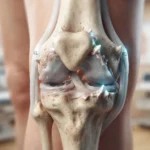
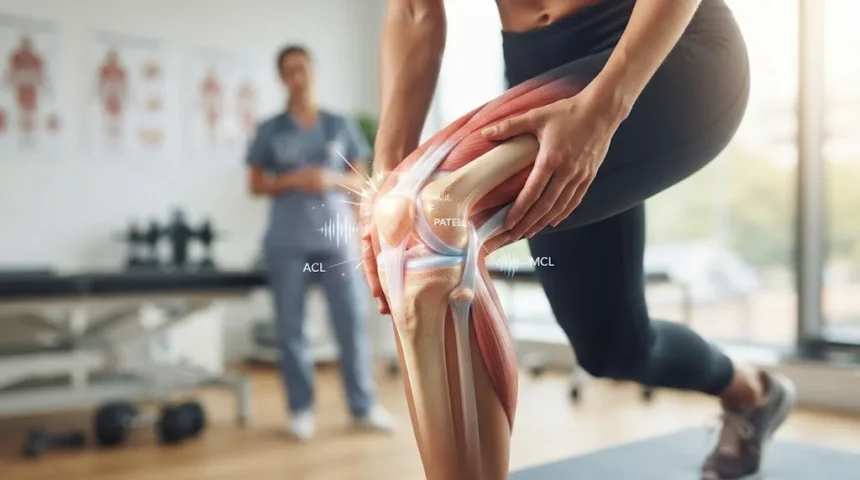
Several structures inside and around the knee can create noise during movement. Gas bubbles within joint fluid, tendons moving over nearby tissues, changes in kneecap movement, or rougher joint surfaces can all produce sounds. The exact cause can vary from person to person and may even change depending on activity, fatigue, or joint position.
The most important question is usually not whether your knee makes noise but whether other symptoms accompany it. Painless cracking is generally less concerning than popping associated with pain, swelling, locking, instability, or a recent injury. Paying attention to these additional signs can help determine whether the sound is harmless or deserves professional evaluation.
Gas Bubbles Inside the Knee Joint
One harmless reason for knee cracking is the movement of gas within the fluid that lubricates the joint. Synovial fluid contains dissolved gases, and changes in joint pressure during movement can cause small bubbles to form or shift. This process can create a pop or crack similar to sounds that occur in other joints.
These noises often happen suddenly and may not repeat immediately. They usually do not cause pain, swelling, or weakness and are not considered evidence that the knee cartilage is wearing away. If your knee feels normal before and after the sound, gas movement is one possible explanation.
Trying to deliberately force the knee to crack is generally unnecessary. Natural popping that occurs during comfortable movement is different from repeatedly twisting or pressing the joint to create a sound. Focus on how the knee feels and functions rather than assuming every crack needs to be stopped or corrected.
Tendons and Ligaments Moving During Motion
Tendons and ligaments can sometimes move over nearby bones or tissues as the knee bends and straightens. When they shift position, you may feel or hear a small snap or click. This is often more noticeable after sitting for a long time or when the muscles around the joint feel tight.
The sound can be completely painless and may occur only during certain angles of knee movement. Athletes and active people sometimes notice clicking when warming up before exercise, particularly if they have been sitting beforehand. As the surrounding tissues warm and movement becomes smoother, the sound may become less noticeable.
A tendon-related click becomes more important if it is consistently painful or occurs with swelling. Persistent tenderness may suggest irritation rather than normal tissue movement. In that situation, reducing aggravating activity temporarily and having the movement assessed can help determine whether a tendon or another structure is involved.
Kneecap Movement and Patellofemoral Crepitus
The kneecap, or patella, slides within a groove in the thigh bone whenever the knee bends and straightens. Small changes in pressure and joint surfaces can create clicking, grinding, or crackling sounds around the front of the knee. This is commonly noticed during squats, stairs, lunges, or standing from a seated position.
Painless kneecap noise is common and does not automatically mean cartilage damage is present. However, if the sound occurs with aching around or behind the kneecap, patellofemoral pain may be contributing. Sudden increases in running, squatting, stair use, or other knee-loading activities can make the area more sensitive.
Strengthening the quadriceps, hips, and glutes can improve the knee’s ability to tolerate load. Exercise should be progressed gradually rather than avoided simply because the joint makes noise. If cracking is painless and movement remains normal, the sound itself is usually less important than overall function and comfort.
Knee Cracking During Squats
Many people notice their knees cracking more during squats because the exercise takes the joint through a relatively large range of motion. Pressure changes inside the joint, kneecap movement, and surrounding soft tissues can all create sounds as you lower and stand. Painless noise during squatting is extremely common.
Your squat stance, ankle mobility, hip position, and depth can influence when the sound appears. One person may hear a click near the top of the movement, while another notices grinding in deeper flexion. These differences do not automatically indicate that one person has healthier knees than the other.
If cracking occurs with sharp pain, reduce the load or depth and observe whether symptoms improve. A box squat, supported squat, or shallower range may feel more comfortable temporarily. Persistent painful cracking should be assessed rather than repeatedly tested with heavier weights or deeper ranges.
Knee Cracking and Osteoarthritis
Osteoarthritis can cause grinding, crackling, or clicking because joint surfaces change over time. People may also experience stiffness, swelling, aching, or reduced range of motion. Symptoms are often more noticeable after prolonged inactivity or during activities such as walking, stairs, and repeated knee bending.
However, knee noise alone does not prove that osteoarthritis is present. Many people without significant joint disease have noisy knees, and some people with arthritis have relatively little crepitus. Age, previous injury, muscle strength, and individual joint structure can all influence both sound and symptoms.
If you experience persistent pain and stiffness alongside cracking, a clinician can assess whether osteoarthritis may be involved. Regular strength training, walking, cycling, and other tolerable activities can often support joint function. Exercise should be adapted to symptoms rather than abandoned because an X-ray or sound suggests age-related change.
Meniscus Problems and Clicking
The menisci are cartilage structures inside the knee that help distribute pressure and improve joint stability. A meniscus can become irritated through repeated bending or injured during twisting movements when the foot is planted. Some meniscus problems produce clicking, catching, or a sensation that something is moving inside the joint.
Pain from the meniscus is often felt along the inner or outer joint line rather than directly around the kneecap. Swelling may develop after activity, particularly with a more significant injury. A torn meniscus can sometimes create mechanical symptoms that are more noticeable when squatting, turning, or fully straightening the knee.
Painless clicking does not automatically mean the meniscus is torn. More concerning signs include repeated catching, swelling, and true locking where the knee becomes physically stuck. These symptoms deserve medical assessment rather than repeated attempts to force the knee through the blocked movement.
Muscle Weakness and Movement Control
Weakness around the hips and thighs can affect how the knee moves during everyday and athletic activities. The quadriceps, glutes, and hip stabilizers help control the position of the knee during stairs, squats, walking, and running. When these muscles fatigue, movement may become less coordinated and joint sounds can sometimes become more noticeable.
Strengthening does not necessarily make every click disappear, nor does it need to. The goal is to improve function, comfort, and load tolerance rather than create a perfectly silent joint. Sit-to-stands, step-ups, bridges, controlled squats, and side-step exercises can build lower-body strength gradually.
Whole-body tension and movement patterns can also influence how comfortable the hips and knees feel. People working on lower-body relaxation may find resources on tight pelvic floor stretches useful when pelvic muscle tension is also present. That connection is most relevant when pelvic symptoms accompany broader hip or lower-body discomfort.
How to Reduce Knee Cracking and Discomfort
If knee cracking is painless, you usually do not need to eliminate the sound. If mild discomfort is present, temporarily reduce activities that clearly aggravate symptoms while maintaining comfortable movement. Shorter walks, lighter squats, or fewer stairs may allow irritated tissues to settle without creating unnecessary weakness from complete rest.
A warm-up before exercise can make movement feel smoother. Begin with several minutes of easy walking or cycling, then use controlled knee bends and lower-body movements before heavier training. Gradually increasing the load gives the joint and surrounding muscles time to prepare for more demanding activity.
Cold packs may provide temporary comfort if the knee becomes sore or swollen after activity, while warmth can help some people when stiffness is more noticeable. These strategies address symptoms rather than the underlying cause. Long-term improvement usually depends more on strength, activity management, and gradually improving movement tolerance.
Exercises That May Help Noisy Knees
Sit-to-stands are a practical starting exercise for the quadriceps and glutes. Use a chair that allows you to stand comfortably, then lower yourself slowly without dropping onto the seat. As the movement becomes easier, use a lower chair or add light resistance while maintaining control.
Step-ups and controlled step-downs can improve strength needed for stairs and everyday movement. Start with a low step and use a railing if balance is difficult. Keep the movement slow enough that you can control the knee rather than letting it collapse inward or dropping quickly onto the opposite foot.
Bridges, side steps, and calf raises can complement knee-focused strengthening. These exercises build support through the hips, lower legs, and pelvis while reducing reliance on one muscle group. Progress gradually and judge success by improved strength and reduced discomfort rather than whether every clicking sound disappears.
When Knee Cracking Is Usually Harmless
Cracking is generally less concerning when it happens without pain, swelling, weakness, or loss of motion. Many people have knees that pop during stairs, squats, or standing even though they can exercise and complete daily activities normally. Joint noise tends to become more common with age but is not necessarily a sign of disease.
Occasional popping after sitting for a long time can also be normal. The joint and surrounding tissues may simply shift as you begin moving again. If the knee feels comfortable and stable afterward, there is usually little reason to worry about one isolated sound.
You also do not need to stop exercise just because your knees make noise. Strength training can support knee function when performed at an appropriate level. Monitor symptoms instead of sound alone, and modify activity if cracking begins to occur with increasing pain or swelling.
When Knee Cracking Needs Medical Attention
Seek professional evaluation if cracking begins after a significant injury and is accompanied by pain, swelling, or instability. A loud pop during a twisting movement followed by difficulty bearing weight may involve a ligament, meniscus, or another internal structure. These symptoms should not be treated as ordinary joint noise.
Locking is another important sign. If the knee becomes physically stuck and cannot fully bend or straighten, a mechanical problem may be interfering with movement. Repeated giving way, rapidly increasing swelling, or progressive loss of motion also deserves assessment.
A hot, red, swollen knee accompanied by fever requires prompt medical care. Sudden calf swelling, chest pain, or shortness of breath also needs urgent evaluation. Persistent painful cracking that continues for several weeks despite reasonable activity changes should be reviewed by a healthcare professional.
Conclusion
Knee cracking can come from gas bubbles, tendons moving over nearby tissues, kneecap movement, meniscus problems, or age-related joint changes. In many cases, the sound is painless and harmless. The presence of pain, swelling, weakness, instability, or locking matters far more than the noise itself.
If your knees crack without discomfort, you generally do not need to stop squatting, walking, or exercising. Strengthening the quadriceps, hips, glutes, and calves can improve movement control and joint capacity. Warm-ups and gradual training progression can also help the knees tolerate activity more comfortably.
Seek medical evaluation if cracking occurs after significant trauma or comes with severe pain, swelling, locking, or repeated giving way. A hot red knee with fever also needs prompt attention. When serious causes are excluded, noisy knees can often remain active, strong, and fully functional despite occasional clicks and pops.
FAQs
Is it normal for knees to crack?
Yes. Painless knee cracking is very common and can occur because of gas movement, tendons shifting, or kneecap motion. It is usually less concerning when there is no swelling or loss of function.
Does knee cracking mean arthritis?
Not necessarily. Arthritis can cause crepitus, but many people with cracking knees do not have significant arthritis. Pain, stiffness, swelling, age, and other symptoms provide more useful information than sound alone.
Why do my knees crack when I squat?
Squats move the knee through a large range, causing pressure changes and movement of the kneecap and surrounding tissues. Painless cracking during squats is common and does not automatically indicate damage.
Can exercises stop my knees from cracking?
Strengthening may improve knee control and comfort, but it may not eliminate every sound. The goal should be stronger, pain-free movement rather than trying to make the joint completely silent.
When should I worry about knee cracking?
Seek medical advice if cracking comes with severe pain, major swelling, locking, instability, or symptoms after significant trauma. Persistent painful cracking that does not improve also deserves professional assessment.