
What Is a Bone Spur in the Knee?
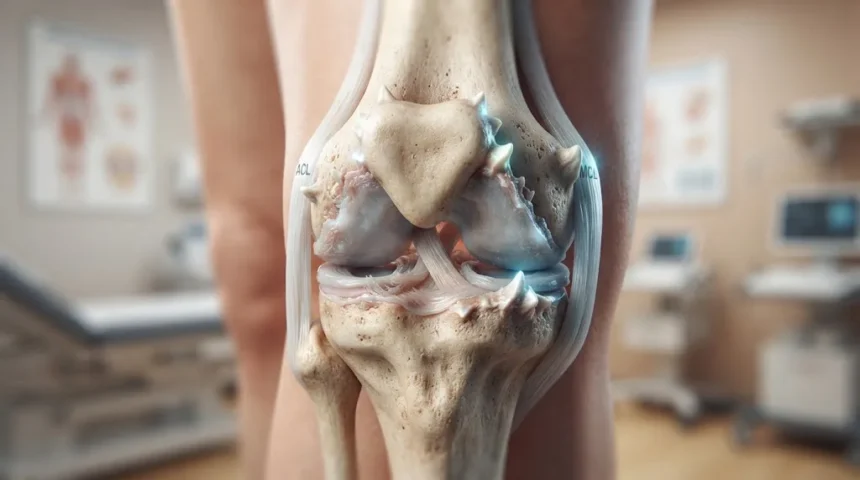
A bone spur in the knee is a small bony growth that develops along the edges of the joint. These growths are also called osteophytes and are commonly associated with osteoarthritis. They form as the body responds to changes in cartilage, joint stress, or long-term wear around the knee.
Bone spurs themselves do not always cause symptoms. Some people have visible osteophytes on an X-ray but experience little or no pain, while others notice stiffness, aching, or reduced movement. Symptoms depend on where the spur forms, how large it becomes, and whether surrounding tissues are also irritated.
A bone spur can develop around the kneecap, along the thigh bone, or near the top of the shinbone. It may contribute to discomfort during walking, stairs, squatting, or prolonged standing. However, knee pain should not automatically be blamed on the spur because several other joint structures can also create similar symptoms.
What Causes Bone Spurs in the Knee?
Knee osteoarthritis is one of the most common causes of bone spurs. As cartilage changes over time, the joint may experience greater stress along its edges. The body can respond by producing additional bone in an attempt to stabilize the area, leading to osteophyte formation.
Previous injuries may also increase the chance of developing bone spurs later. Meniscus tears, ligament damage, fractures, or repeated joint trauma can change how force is distributed through the knee. These changes may accelerate wear in certain areas and contribute to bony growth over time.
Age, genetics, body weight, and long-term physical demands may also influence risk. Bone spurs are more common as people get older, but aging alone does not determine symptoms. Strong muscles, regular movement, and sensible load management can still support knee function even when structural joint changes are present.
Common Symptoms of a Knee Bone Spur
The most common symptoms include aching, stiffness, and reduced range of motion. Pain may be more noticeable after prolonged activity or after sitting for a long period. Some people feel discomfort when bending the knee deeply, standing from a chair, or walking down stairs.
Grinding, clicking, or cracking sounds may also occur because joint surfaces and the kneecap move differently when osteoarthritis is present. If you are trying to understand these sounds, this guide on why knees crack explains common reasons for clicking and popping. Noise alone does not necessarily mean the spur is causing damage.
Swelling can also develop when the joint becomes irritated. In more advanced cases, the knee may feel less flexible or appear slightly enlarged around the joint line. Persistent stiffness or difficulty fully straightening the leg can affect walking and other everyday activities.
Bone Spur Knee and Osteoarthritis
Bone spurs are strongly associated with osteoarthritis because they often develop as part of the joint’s response to long-term structural changes. Cartilage may become thinner, the space between bones can narrow, and surrounding tissues may become more sensitive. Osteophytes commonly appear alongside these changes on imaging.
The presence of a bone spur does not necessarily tell you how severe your pain should be. Some people with large osteophytes remain active with manageable symptoms, while others with smaller changes experience more discomfort. Pain is influenced by swelling, muscle weakness, joint sensitivity, sleep, activity, and other factors.
Treatment therefore focuses on improving function rather than removing every structural change visible on an X-ray. Exercise, strength training, weight management when relevant, and activity modification can help many people remain active. Imaging is useful, but it should be interpreted alongside symptoms and physical function.
How Bone Spurs Affect Knee Movement
Bone spurs can sometimes limit movement by physically reducing space around the joint or irritating surrounding tissues. Deep bending may feel restricted, particularly when osteophytes are located around the kneecap or joint edges. Some people also notice difficulty fully straightening the knee.
Reduced movement can create secondary problems if it causes you to avoid activity. Muscles around the thigh and hip may become weaker, making stairs, walking, and standing more difficult. This can create a cycle where stiffness leads to less movement and less movement leads to even more stiffness.
Maintaining comfortable range of motion is therefore important. Gentle knee bends, walking, cycling, and controlled strengthening can help preserve function. The goal is not to force the joint beyond its comfortable limit but to keep it moving regularly so surrounding muscles remain strong and supportive.
Exercises That May Help
Quadriceps strengthening is especially useful because these muscles help support the knee during walking, stairs, and standing. Sit-to-stands, wall sits, and controlled knee extensions can all build strength. Start with a range that feels manageable and gradually increase repetitions or resistance.
Hip and glute exercises can also improve lower-body control. Bridges, side steps, and step-ups help strengthen muscles that support the pelvis and thigh during weight-bearing movement. Better hip strength can reduce unnecessary strain through the knee, particularly during stairs and single-leg activities.
Low-impact cardio can help maintain movement without placing excessive stress on a painful knee. Cycling, swimming, water exercise, and comfortable walking are practical options for many people. Choose activities that feel tolerable and increase duration gradually rather than pushing through steadily worsening pain.
How to Relieve Bone Spur Knee Pain
Activity modification is often the first step when symptoms flare. You may need shorter walks, fewer stairs, or reduced squat depth for a period of time. This does not mean avoiding movement completely, because prolonged inactivity can increase stiffness and reduce the strength needed to support the joint.
Cold packs may help after activity when the knee feels swollen or sore, while warmth can feel better when stiffness is the main problem. Use either for short periods and protect the skin. These methods can reduce symptoms temporarily but do not remove the bone spur itself.
Pain medication may also be considered, but individual health conditions and other medications affect what is appropriate. A pharmacist or healthcare professional can provide guidance. Long-term relief usually depends more on strength, activity balance, and overall joint management than on relying only on pain medication.
Can Bone Spurs Go Away on Their Own?
Bone spurs generally do not disappear on their own because they are actual bony growths rather than temporary swelling. However, symptoms can improve even when the osteophytes remain. Pain depends on more than the presence of the spur itself, so symptom improvement is still possible without removing it.
Exercise and rehabilitation can reduce sensitivity, improve strength, and make movement easier. Some people notice significant improvement in daily function despite no major change on imaging. This is one reason treatment decisions should focus on symptoms and quality of life rather than simply the existence of an osteophyte.
Surgery may be considered in selected cases when bone spurs contribute to severe pain, major movement restriction, or advanced osteoarthritis. Even then, treatment is based on the overall condition of the joint rather than one spur alone. Many people manage symptoms successfully without surgical removal.
Medical Treatments for Knee Bone Spurs
Physical therapy is commonly used to improve strength, mobility, and movement tolerance. A therapist can adjust exercises based on the location and severity of your symptoms. They may also help with gait, stair technique, and activity progression so the knee handles everyday demands more comfortably.
Injections may be considered when pain remains difficult to manage. Different options are used in clinical practice, and their benefits vary depending on the person and condition. These treatments should be discussed with a healthcare professional who can explain the expected effect and possible limitations.
Surgery becomes more relevant when advanced joint changes cause severe pain and major functional loss despite conservative treatment. Procedures may range from targeted treatment to knee replacement depending on the condition of the joint. An orthopedic specialist can help determine whether surgery is appropriate based on symptoms, imaging, and daily limitations.
When a Bone Spur Is More Concerning
Seek medical care if knee pain suddenly becomes severe, especially after trauma. Rapid swelling, inability to bear weight, or a major loss of movement can indicate an injury beyond chronic osteoarthritis. These symptoms should not be assumed to come from an existing bone spur without assessment.
A hot, red, swollen knee accompanied by fever or feeling seriously unwell requires prompt medical attention. These symptoms can suggest infection or another inflammatory condition. Sudden calf swelling, chest pain, or shortness of breath also needs urgent evaluation.
Persistent pain that continues worsening over several weeks also deserves review. If the knee regularly interrupts sleep, makes stairs difficult, or limits walking distance, a clinician can reassess the diagnosis and treatment plan. The goal is to determine whether the spur, arthritis, or another structure is driving symptoms.
Tips for Living With a Knee Bone Spur
Stay active within a range your knee can tolerate. Regular movement helps maintain strength, flexibility, and confidence even when structural joint changes are present. Short, frequent activity is often easier to manage than occasional long sessions that leave the knee significantly more painful afterward.
Supportive footwear may improve comfort during walking, especially if worn shoes are contributing to fatigue. Some people also benefit from a knee brace or walking aid during painful periods, although these should be chosen based on individual needs. A physical therapist can help determine whether additional support is useful.
Pay attention to gradual progression. Avoid suddenly increasing walking distance, exercise volume, or heavy lower-body training after a period of inactivity. Building activity slowly gives muscles and joints time to adapt and may reduce the likelihood of repeated flare-ups.
Conclusion
A knee bone spur is a bony growth that commonly develops alongside osteoarthritis and long-term joint changes. It may contribute to pain, stiffness, swelling, or reduced range of motion, but not every spur causes symptoms. The severity of discomfort depends on several factors beyond what appears on an X-ray.
Treatment usually focuses on reducing symptoms and improving function rather than trying to remove the spur itself. Strengthening the quadriceps and hips, maintaining regular movement, and adjusting painful activities can help many people stay active. Physical therapy, medication, injections, or other medical treatments may be considered when symptoms remain significant.
Seek medical care for severe pain, rapid swelling, major trauma, fever, or a progressive loss of mobility. Persistent symptoms should also be evaluated so the underlying cause is clear. With appropriate management, many people with knee bone spurs can maintain good function and continue everyday activities.
FAQs
What does a bone spur in the knee feel like?
A knee bone spur may cause aching, stiffness, swelling, grinding, or reduced movement. Some people have no symptoms at all, even when osteophytes are clearly visible on imaging.
Can knee bone spurs be treated without surgery?
Yes. Many people manage symptoms with exercise, physical therapy, activity modification, weight management when relevant, and appropriate pain treatment. Surgery is usually considered only when symptoms remain severe.
Do knee bone spurs keep growing?
Bone spurs can become more noticeable as osteoarthritis progresses, but growth varies between individuals. The size of the spur does not always match the amount of pain someone experiences.
Is walking good for knee bone spurs?
Walking can be beneficial when the distance and pace are comfortable. Shorter, regular walks often work better than long sessions that lead to significant pain or swelling afterward.
When should I see a doctor for a knee bone spur?
Seek medical evaluation for severe pain, major swelling, inability to bear weight, fever, or rapidly worsening symptoms. Persistent pain that limits walking or daily activities also deserves professional assessment.