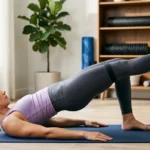


What Is a Quad Stretch?
A quad stretch is a flexibility exercise that targets the quadriceps muscles at the front of the thigh. These muscles play a major role in straightening the knee, supporting walking and running, and helping you rise from a chair or climb stairs. Stretching them can help improve comfort and mobility when they feel tight after activity or prolonged sitting.
The quadriceps group includes four muscles: the rectus femoris, vastus lateralis, vastus medialis, and vastus intermedius. Together, they help extend the knee, while the rectus femoris also crosses the hip and contributes to hip flexion. Because of this anatomy, some quad stretches also involve the front of the hip, especially when performed with the hip extended.
A good quad stretch should create a gentle pulling sensation along the front of the thigh without sharp pain. You do not need to force your heel tightly toward your buttocks to make the stretch effective. Controlled positioning, relaxed breathing, and gradual progress are more important than trying to achieve the deepest possible stretch.
Why Stretching the Quadriceps Matters
The quadriceps work throughout the day during walking, standing, stair climbing, squatting, and many forms of exercise. Repetitive activity can leave them feeling stiff or fatigued, particularly after running, cycling, or lower-body strength training. Gentle stretching can help restore a comfortable sense of movement and reduce the feeling of tightness after demanding activity.
People who sit for long periods may also notice stiffness through the front of the thighs and hips. Keeping the knees bent and hips flexed for hours can make certain positions feel restricted when you finally stand and move. A short quad mobility routine can provide useful movement variety during a mostly sedentary day.
Stretching is most effective when combined with strength and regular movement rather than used as the only solution for stiffness. Muscles often need both mobility and the ability to produce force through useful ranges. A balanced routine that includes strength, walking, and controlled stretching usually supports lower-body function better than frequent passive stretching alone.
How to Do a Standing Quad Stretch
Stand upright beside a wall, chair, or stable surface if you need help with balance. Bend one knee and bring your heel toward your buttocks, then hold your ankle or the top of your foot with the same-side hand. Keep both knees relatively close together instead of allowing the stretching leg to drift far outward.
Gently tuck the pelvis so you do not excessively arch your lower back. Keep the torso tall and move the thigh slightly backward until you feel a comfortable stretch through the front of the thigh. Avoid pulling aggressively on the ankle because a strong tug is not necessary for the quadriceps to lengthen.
Hold the stretch for around 20 to 30 seconds while breathing normally, then switch sides. Repeat two or three times if the position feels comfortable. If reaching your ankle is difficult, use a strap around the foot or choose a lying variation that requires less balance and shoulder mobility.
How to Do a Side-Lying Quad Stretch
Lie on one side with your head supported comfortably and your legs stacked. Bend the top knee and reach back to hold the ankle or foot. Keep your hips aligned instead of rolling your upper hip backward, because rotating the pelvis can reduce the stretch through the quadriceps.
Gently draw the heel toward the buttocks while moving the top thigh slightly behind your body. You should feel the stretch along the front of the thigh and possibly the front of the hip. Keep your lower back relaxed and avoid using your arm to force the knee into an uncomfortable range.
This version works well for people who find standing difficult or want a more supported position. Hold for 20 to 30 seconds and repeat on the opposite side. A towel or strap can be looped around the ankle if reaching the foot directly places too much strain on the shoulder or upper body.
How to Perform a Prone Quad Stretch
Lie face down with your legs extended behind you. Bend one knee and reach back to hold the ankle or use a strap around the foot. Keep your hips in contact with the floor and avoid lifting the pelvis or twisting your body in an effort to reach farther.
Slowly bring the heel toward the buttocks until you feel a moderate stretch through the front of the thigh. If the lower back begins arching strongly, reduce the range or place a small cushion under your abdomen for additional comfort. The goal is to lengthen the quadriceps without creating unnecessary pressure elsewhere.
The prone quad stretch can be helpful after lower-body workouts because it removes the balance challenge of standing. Hold the position while taking slow breaths and release gradually rather than letting the leg drop suddenly. Stop if the movement produces knee pain, pinching, or any sharp sensation around the front of the hip.
How to Do a Kneeling Quad Stretch
Begin in a half-kneeling position with one knee on the floor and the opposite foot planted in front of you. Keep your torso upright and gently tuck your pelvis. You may already feel a stretch through the front of the hip and thigh of the kneeling leg without needing to move very far.
For a stronger variation, bend the back knee and bring the foot toward the buttocks while holding it with your hand or using a strap. This position places the rectus femoris on stretch at both the hip and knee. Because it can be intense, progress slowly and avoid forcing the movement beyond a comfortable level.
Use padding under the kneeling knee if the floor feels uncomfortable. Keep the front knee stable and avoid collapsing forward or excessively arching your lower back. This stretch is more demanding than basic standing or side-lying versions, so it is better suited to people who already have reasonable mobility and control.
Key Benefits of a Quad Stretch
One major benefit of quad stretching is improved flexibility through the front of the thigh. Better flexibility can make movements involving knee bending and hip extension feel more comfortable. This may be especially useful for people who regularly run, cycle, squat, lunge, or participate in sports that place repeated demands on the quadriceps.
Quad stretching can also help reduce the sensation of stiffness after sitting or training. A short stretch may make the legs feel easier to move, particularly when the muscles are warm. While stretching does not permanently “lengthen” a tight muscle after one session, consistent mobility work can improve tolerance to larger ranges over time.
Another benefit is improved body awareness. A controlled stretch helps you notice differences between sides and recognize where movement feels restricted. This information can help guide a balanced exercise program that includes both flexibility and strength rather than focusing only on one area of the lower body.
When Is the Best Time to Stretch Your Quads?
Static quad stretching usually works well after exercise or during a separate mobility session. At these times, the muscles are often warmer and you are not about to perform explosive movements. Holding a comfortable stretch after training can be a simple way to cool down and restore a relaxed feeling through the thighs.
Before exercise, dynamic movements are usually more appropriate than long static holds. Walking lunges, leg swings, gentle squats, and controlled knee bends can prepare the quadriceps without keeping them in one stretched position for too long. The goal before training is to increase movement readiness rather than maximize flexibility.
You can also stretch during breaks from prolonged sitting if your thighs and hips feel stiff. A brief standing quad stretch on each side may help restore movement variety. Keep the intensity light because stretching should make you feel more comfortable, not sore or fatigued before returning to normal activities.
How Long Should You Hold a Quad Stretch?
Holding a quad stretch for around 20 to 30 seconds is enough for many people working on general flexibility. You can repeat the stretch two or three times per side depending on how it feels. Longer holds are not automatically more effective if they cause tension, pain, or difficulty maintaining good body position.
During the hold, breathe normally and allow the muscles to relax gradually. You may notice that the stretch feels slightly easier after several breaths. Rather than pulling harder immediately, stay in the same range and let your body adapt to the position before deciding whether a small increase feels comfortable.
Consistency usually matters more than one very long session. Stretching the quads several times per week can be more useful than pushing into extreme positions occasionally. The safest progress is gradual, especially if you are naturally stiff or returning to flexibility work after a long break.
Quad Stretching and Lower-Body Strength
Stretching and strengthening should complement each other rather than compete. The quadriceps need enough flexibility to move comfortably, but they also need strength to control the knee during walking, running, squatting, and climbing. A complete lower-body program therefore includes both mobility and resistance exercises appropriate to your ability.
The hips and glutes also influence how the lower body moves. Including glute exercises alongside quad mobility can help create a more balanced routine because the glutes contribute to hip extension and pelvic control. This combination is particularly useful for people who spend a lot of time sitting or training the front of the thighs heavily.
Exercises such as squats, step-ups, lunges, bridges, and controlled hip movements can strengthen the surrounding muscles while maintaining useful ranges. You do not need to choose between strength and flexibility. Training both qualities helps the legs become capable of producing force while moving comfortably through everyday and exercise-related positions.
Common Quad Stretch Mistakes
One of the most common mistakes is arching the lower back while pulling the foot upward. This can make the stretch look deeper without actually improving quadriceps length. Gently tucking the pelvis and keeping the ribs controlled helps shift more of the stretch toward the front of the thigh.
Another mistake is allowing the stretching knee to move far out to the side. This changes the position of the hip and can reduce the intended stretch. Keep the knees relatively close together and let the thigh move slightly backward rather than opening the leg outward.
Pulling too hard on the ankle is also unnecessary. A quad stretch should feel moderate and controlled, not painful. If you experience sharp knee pain, hip pinching, or numbness, reduce the intensity or stop and choose a different variation that allows you to maintain better alignment.
Can Quad Stretching Help After Exercise?
After exercise, the quadriceps can feel tight, heavy, or fatigued, particularly following squats, running, cycling, or stair workouts. Gentle stretching may help the muscles feel more relaxed as you transition out of training. It can also be a useful part of a cool-down routine when combined with slow walking and normal breathing.
Stretching does not instantly repair muscle tissue or eliminate all post-workout soreness. Delayed soreness is a normal response to unfamiliar or demanding exercise and usually improves with recovery. Hydration, sleep, light movement, and sensible training progression are also important for helping your body adapt.
If the thighs are extremely sore, avoid forcing a deep stretch because sensitive muscles may not tolerate strong tension well. Use a gentle range and stop before discomfort increases. Severe pain, swelling, bruising, or difficulty walking may suggest an injury rather than ordinary exercise soreness and should be assessed appropriately.
When Should You Avoid a Quad Stretch?
Avoid strong quad stretching immediately after a suspected quadriceps strain or knee injury. Sudden pain, bruising, swelling, or weakness can indicate that tissue needs time to heal. Pulling aggressively on an injured muscle may increase irritation rather than helping flexibility.
Be cautious if bending the knee deeply causes sharp pain or significant pressure around the kneecap. Some knee conditions may not tolerate traditional standing or kneeling quad stretches well. A physiotherapist can recommend a modified position if you still need mobility work without aggravating the painful area.
Seek professional advice if pain persists, worsens, or is accompanied by major weakness, numbness, or loss of movement. Stretching is useful for ordinary stiffness, but it is not a treatment for every cause of thigh or knee pain. Understanding the source of symptoms is more important than repeatedly stretching through discomfort.
Conclusion
A quad stretch targets the muscles at the front of the thigh and can help improve flexibility, movement comfort, and body awareness. Standing, side-lying, prone, and kneeling variations all work when performed with control. The best version is the one that allows you to feel a gentle stretch without creating pain elsewhere.
Focus on good positioning rather than pulling the foot as far as possible. Keep the pelvis controlled, breathe normally, and hold the stretch for around 20 to 30 seconds. Consistent, moderate stretching is generally more useful than occasional aggressive sessions that leave the muscles irritated.
Quad mobility works best as part of a balanced lower-body routine that also includes strength, walking, and regular movement. Combine flexibility work with exercises for the quadriceps, glutes, hamstrings, and hips. If stretching causes sharp pain or symptoms persist, professional assessment is more appropriate than forcing deeper stretches.
FAQs
What is the easiest quad stretch for beginners?
The standing quad stretch is usually the easiest option. Hold a wall or chair for balance, bend one knee, and gently bring the heel toward the buttocks while keeping the pelvis controlled.
How long should I hold a quad stretch?
Hold a comfortable quad stretch for about 20 to 30 seconds. Repeat two or three times per side if desired, while keeping the sensation gentle and avoiding sharp pain.
Can I stretch my quads every day?
Yes, gentle daily quad stretching can be appropriate if it does not cause pain or persistent soreness. Keep the intensity moderate and combine flexibility work with regular strengthening and movement.
Why do my quads feel tight after sitting?
Long periods with the hips and knees bent can make the front of the thighs feel stiff. Standing, walking, and gentle quad mobility may help restore comfortable movement after prolonged sitting.
Should a quad stretch hurt?
No. You should feel a mild to moderate pulling sensation, not sharp pain. Stop or modify the stretch if you experience knee pain, hip pinching, numbness, or worsening discomfort.