
What Does Pain in the Butt Cheek Mean?
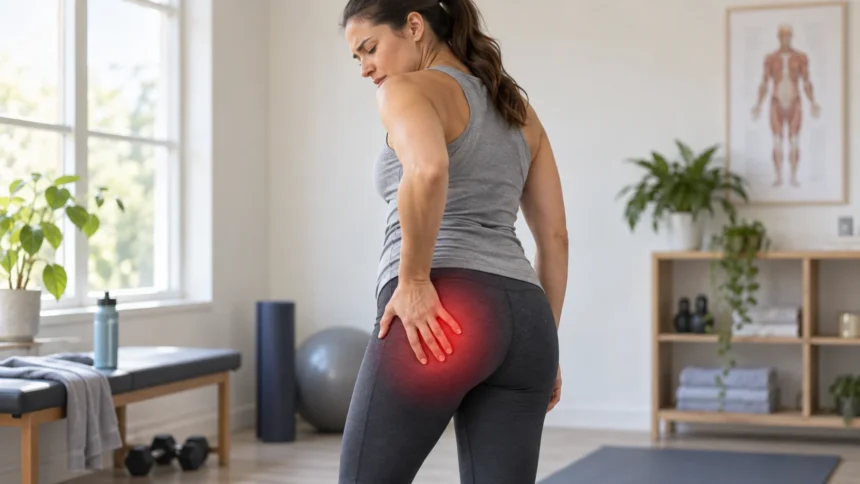
Pain in the butt cheek can come from muscles, joints, nerves, tendons, or even structures in the lower back. Some people describe it as a dull ache, while others experience burning, sharp pain, tightness, or tenderness. The discomfort may stay in one spot or spread into the hip, thigh, or lower leg depending on what is causing it.
The gluteal region contains several important muscles, including the gluteus maximus, gluteus medius, and gluteus minimus. These muscles help you walk, climb stairs, stand from a chair, and stabilize your pelvis. Because they work during so many daily movements, irritation or overuse can easily create soreness in one or both butt cheeks.
Not every case of buttock pain is serious, and many mild problems improve with rest, gentle movement, and gradual strengthening. However, persistent pain can sometimes be linked to nerve irritation, joint problems, or injuries that deserve medical attention. Understanding where the discomfort starts and what makes it better or worse can help narrow down possible causes.
Glute Muscle Strain
A glute muscle strain occurs when muscle fibers are overstretched or partially torn. This may happen during sprinting, lifting, climbing, sudden twisting, or performing an unfamiliar workout. Pain is usually felt directly within the buttock and may become more noticeable when walking uphill, standing from a chair, or contracting the affected muscle.
Mild strains often cause soreness, tenderness, and stiffness without severely limiting movement. More significant strains may produce sharper pain, swelling, or difficulty bearing weight comfortably on the affected side. You may also notice discomfort when stretching the buttock muscles or pressing on the injured area, especially during the first several days.
Initial relief usually involves reducing activities that repeatedly aggravate the muscle while staying gently active within your comfort level. As symptoms settle, controlled exercises and gradual strengthening can help restore function. Returning to intense running, jumping, or heavy lifting too quickly may irritate the tissue again and delay recovery.
Piriformis Muscle Irritation
The piriformis is a small muscle located deep within the buttock that helps control movement at the hip. Tightness, overuse, or irritation in this area can produce a deep ache around the center of one butt cheek. Symptoms may become more noticeable after prolonged sitting, climbing stairs, running, or performing repetitive lower-body movements.
Because the sciatic nerve passes close to the piriformis, irritation in this region can sometimes be associated with pain that travels down the back of the thigh. People may also describe tingling, burning, or tightness. However, radiating leg pain can have several different causes, so it should not automatically be assumed that the piriformis is responsible.
Gentle hip mobility, walking, and gradual glute strengthening may help when muscular irritation is contributing to symptoms. Avoid forcing aggressive stretches into painful positions, particularly if the discomfort travels down your leg. Persistent radiating symptoms, numbness, or weakness are reasons to seek professional assessment rather than relying solely on self-treatment.
Sciatica and Nerve-Related Buttock Pain
Sciatica describes symptoms caused by irritation or compression affecting the sciatic nerve or nerve roots that form it. Pain often begins around the lower back or buttock and may travel down the back or side of the leg. The sensation can feel sharp, electric, burning, or aching and may sometimes be accompanied by numbness or tingling.
Certain movements, prolonged sitting, coughing, or bending may worsen nerve-related pain depending on the underlying cause. A herniated disc, spinal narrowing, or other lower-back conditions can sometimes contribute to sciatic symptoms. The intensity of pain does not always tell you how serious the problem is, which is why the overall symptom pattern matters.
Gentle movement is often better than complete bed rest for uncomplicated nerve-related pain, although activities should be adjusted according to symptoms. Walking and changing positions frequently may help some people stay comfortable. Progressive weakness, bladder or bowel changes, or numbness around the groin area require urgent medical evaluation.
Sacroiliac Joint Pain
The sacroiliac joints connect the lower part of your spine to your pelvis and sit close to the upper buttock area. Irritation around one of these joints may produce pain on one side of the lower back or butt cheek. Symptoms can sometimes worsen during walking, climbing stairs, rolling in bed, standing on one leg, or changing positions.
Sacroiliac discomfort can sometimes feel similar to muscle pain because the aching may remain localized near the buttock. However, some people feel pain spreading into the hip or upper thigh. Pregnancy, changes in activity, trauma, repetitive loading, and movement patterns may all influence symptoms around this part of the pelvis.
Treatment depends on the cause and may include activity modification, mobility work, strengthening, and exercises that improve pelvic stability. The glutes and core are often important parts of rehabilitation because they help control movement around the pelvis. Persistent or severe pain should be assessed because several other lower-back and hip conditions can produce similar symptoms.
Gluteal Tendinopathy
Gluteal tendinopathy affects the tendons that connect some of the glute muscles to the outside of the hip. Although pain is often felt around the side of the hip, it can spread toward the upper or outer butt cheek. Symptoms commonly become worse when lying on the affected side, climbing stairs, walking long distances, or standing on one leg.
This problem usually develops gradually rather than appearing after one obvious injury. Sudden increases in running, walking, hiking, or repetitive lower-body exercise may increase stress on the tendons. Pain may also become more noticeable after long periods of inactivity when you first begin moving again, especially if the area has been irritated for some time.
Tendon problems generally respond better to carefully managed loading than to complete rest. Strengthening the hip abductors and glute muscles can help improve their ability to tolerate activity. Repeatedly stretching deeply into painful positions may not always be helpful, so exercises should be chosen according to how the area responds.
Ischial Bursitis and Sitting Pain
A bursa is a small fluid-filled sac that helps reduce friction between tissues. Ischial bursitis can develop near the sitting bone at the lower part of the buttock and may cause pain when sitting on hard surfaces. The discomfort is often felt deep in the lower butt cheek and may become more noticeable with prolonged sitting.
Activities involving repeated hip movement may also aggravate the area, particularly if there is already irritation around the hamstring attachment or sitting bone. Some people feel tenderness when pressing the lower buttock. Because several muscles and tendons attach nearby, accurately identifying the source of pain can sometimes be difficult without an examination.
Reducing prolonged pressure on the painful area may provide some relief. A cushioned seat, frequent standing breaks, and gradual return to activity can be useful while symptoms settle. If pain persists for several weeks or becomes increasingly limiting, professional assessment may help determine whether the bursa, hamstring tendon, or another nearby structure is involved.
Tight Hips and Buttock Discomfort
Hip stiffness can affect how the pelvis and surrounding muscles move during walking, exercise, and sitting. When hip movement becomes limited or uncomfortable, your glute muscles and lower back may compensate. This does not mean tight hip flexors directly cause every case of buttock pain, but mobility restrictions can sometimes contribute to uncomfortable movement patterns.
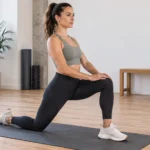
People who sit for long periods may notice stiffness at the front of the hips when standing or walking afterward. Gentle mobility work can help expose the hips to positions they do not regularly reach while sitting. A controlled kneeling hip flexor stretch may be a useful addition when front-of-hip tightness is part of your overall movement restriction.
Stretching should always feel controlled rather than painful. If a stretch causes sharp pain in the buttock, groin, lower back, or leg, stop and try a different movement. Combining mobility work with glute and core strengthening generally creates a more balanced approach than repeatedly stretching one muscle group without addressing strength and movement control.
Lower Back Problems That Cause Butt Cheek Pain
Sometimes pain felt in the butt cheek actually originates from the lumbar spine. Joints, discs, muscles, and nerves in the lower back can refer discomfort into the buttock even when back pain itself is mild. Symptoms may change when you bend forward, extend your back, sit for long periods, or move between sitting and standing.
Referred pain does not always travel along the full length of a nerve. Some people experience a deep ache in one buttock without significant leg symptoms. Others may develop a combination of back pain, buttock discomfort, tingling, or altered sensation depending on which structures are irritated and how sensitive the surrounding tissues have become.
Maintaining gentle activity is often encouraged for uncomplicated lower-back pain, but exercises should match your symptoms. Walking, changing positions, and gradual strengthening may be helpful for many people. If pain becomes severe, repeatedly wakes you at night, follows major trauma, or is accompanied by neurological symptoms, seek medical evaluation.
Simple Ways to Relieve Pain in the Butt Cheek
Start by identifying activities that clearly aggravate the pain and temporarily reduce their intensity. You do not necessarily need to stop moving completely, since too much inactivity can sometimes increase stiffness and sensitivity. Short walks, comfortable changes of position, and gentle movements may help keep the area active while avoiding repeated stress.
Heat may feel soothing when muscular tightness or stiffness is the main problem, while some people prefer a cold pack after a recent strain or flare-up. Use either method for short periods and protect your skin with a layer of fabric. Neither heat nor cold fixes the underlying problem, but they may provide temporary comfort while you recover.
As symptoms improve, gradually reintroduce strengthening exercises for the glutes, hips, and core. Bridges, side-lying leg raises, bird dogs, and controlled sit-to-stand movements are common examples, although the best choice depends on your symptoms. Exercises should generally feel manageable during and after the session rather than causing a significant increase in pain.
How to Prevent Buttock Pain From Returning
Regular movement can reduce the amount of time your hips and back spend in one position. If you work at a desk, stand up periodically, walk briefly, or change your sitting position throughout the day. There is no single perfect posture you must maintain constantly, and frequent movement is often more realistic than attempting to sit perfectly for hours.
Strength training can improve your ability to tolerate everyday physical demands. Exercises that target the glutes, hamstrings, core, and back can support the pelvis and hip during walking, lifting, climbing, and exercise. Start with manageable resistance and increase difficulty gradually rather than suddenly doubling your training volume or intensity.
Recovery habits also matter when you exercise frequently. Allow muscles and tendons enough time to adapt between challenging sessions, especially when beginning a new running or strength program. Gradual progression, appropriate footwear for your activities, regular movement, and attention to persistent symptoms can all reduce the likelihood of repeated flare-ups.
When Should You See a Doctor for Buttock Pain?
Consider seeking medical advice if your pain continues for several weeks without improvement or repeatedly returns despite modifying your activities. You should also get evaluated if pain significantly affects walking, sleeping, work, or normal daily activities. Persistent symptoms may require a more specific diagnosis before an effective treatment plan can be developed.
Seek prompt medical care if the pain follows a serious fall, accident, or other significant injury. Increasing swelling, unexplained fever, redness, severe night pain, or feeling generally unwell also deserves medical attention. These symptoms are less typical of a simple muscle strain and may indicate another problem requiring professional evaluation.
Urgent evaluation is especially important if buttock or back pain occurs with new bladder or bowel control problems, numbness around the groin or inner thighs, or rapidly worsening leg weakness. These symptoms can indicate significant nerve involvement. Do not attempt to manage them solely with stretching, massage, or home exercise.
Conclusion
Pain in the butt cheek can have several causes, ranging from a simple glute muscle strain to nerve irritation, sacroiliac joint problems, tendon issues, or referred pain from the lower back. The location and type of discomfort can provide useful clues, but symptoms from different conditions often overlap. That is why persistent pain sometimes requires professional assessment.
For mild muscular discomfort, staying gently active, adjusting irritating activities, and gradually rebuilding hip and glute strength may help. Stretching can also be useful when stiffness is present, but it should never be forced into painful positions. A balanced approach that combines mobility, strengthening, and regular movement generally works better than relying on one exercise alone.
Pay attention to how your symptoms change over time rather than focusing only on how painful they feel at one moment. Most minor aches improve gradually, but severe, persistent, or neurological symptoms deserve medical attention. Early assessment is particularly important when buttock pain is accompanied by weakness, numbness, significant trauma, or bladder and bowel changes.
FAQs
Why does only one side of my butt cheek hurt?
One-sided pain may result from a muscle strain, piriformis irritation, sacroiliac joint discomfort, tendon problems, or nerve irritation. The exact cause depends on your symptoms, activities, and where the pain is located.
Can sitting too long cause pain in the butt cheek?
Yes. Prolonged sitting can increase pressure on tissues around the buttocks and may contribute to stiffness or irritation. Regular standing and walking breaks can help reduce continuous pressure and keep your hips moving.
Is butt cheek pain a sign of sciatica?
It can be, especially when pain travels down the leg or is accompanied by tingling or numbness. However, many muscular and joint-related conditions can also cause buttock pain without involving the sciatic nerve.
Should I stretch when my butt cheek hurts?
Gentle stretching may help when muscle tightness contributes to discomfort, but it should not worsen your symptoms. Avoid aggressive stretching if you experience sharp pain, numbness, tingling, or pain traveling down your leg.
How long does buttock muscle pain take to improve?
Mild muscle soreness or strains may begin improving within days, while more significant injuries can take several weeks. Seek professional advice if symptoms do not improve, become worse, or repeatedly interfere with normal activities.