
Muscle knots are a common source of tightness, tenderness, and aching in areas such as the neck, shoulders, back, hips, and legs. People often describe them as small hard spots inside a muscle that feel sore when pressed. Although the term “muscle knot” is widely used, these areas are generally associated with localized muscle tension and sensitive points rather than an actual knot forming in the tissue.
They may develop after long periods of sitting, repetitive activity, strenuous exercise, poor movement habits, or stress. Sometimes the discomfort stays in one area, while in other cases pressing the tender spot may cause pain to spread nearby. The intensity can range from mild stiffness to discomfort that makes everyday movement difficult.
Most muscle knots improve with time, movement, stretching, and changes in the activity that triggered them. However, persistent or severe pain can sometimes have another cause and should not automatically be blamed on muscle tension. Understanding what muscle knots are, why they happen, and how to manage them can help you choose safer and more effective relief strategies.
What Are Muscle Knots?
A muscle knot is a common term used to describe a small area of muscle that feels unusually tight, tender, or firm. These sensitive spots are sometimes associated with myofascial trigger points, although the exact mechanisms behind trigger-point pain remain debated. The important point is that the muscle may feel locally irritated and uncomfortable during pressure or movement.
People often notice a knot as a small lump-like sensation under the skin, but the feeling does not necessarily mean the muscle fibers are physically tied together. The area may simply be tense, sensitive, or surrounded by tight tissue. Pressing it can sometimes reproduce the pain you have been feeling during normal activity.
Muscle knots can develop in almost any skeletal muscle, but they are especially common in areas that carry postural or repetitive loads. The upper trapezius, shoulder blades, lower back, hips, calves, and gluteal muscles are frequent locations. Their presence may also coincide with stiffness, reduced mobility, or fatigue in the surrounding muscles.
What Causes Muscle Knots?
Muscle knots can develop when muscles are repeatedly loaded, held in one position, or used beyond what they are accustomed to handling. Long hours at a computer, repetitive lifting, unfamiliar exercise, or physically demanding work can all contribute. The affected muscles may become fatigued and increasingly sensitive when they do not get enough variation or recovery.
Stress may also play a role because people often unconsciously tense their shoulders, jaw, neck, or back during demanding situations. Holding this tension for long periods can make muscles feel sore and tight. Stress can also reduce sleep quality, which may make pain and muscle sensitivity feel more noticeable.
Poor movement habits, insufficient recovery, sudden changes in training volume, and previous injuries may contribute as well. No single cause explains every muscle knot, and several factors can occur together. Identifying the activity, posture, or routine that repeatedly aggravates the area is often more useful than focusing only on the painful spot itself.
Can Sitting Too Long Create Muscle Knots?
Prolonged sitting can contribute to muscle tightness, particularly when the body remains in the same position for hours. Muscles around the neck, shoulders, lower back, and hips may become fatigued from maintaining posture. This can make certain areas feel stiff, tender, or knotted by the end of the workday.
The problem is not necessarily one specific “bad” posture. Staying in any position for too long can become uncomfortable, even if the posture initially feels ideal. Regularly changing position, standing briefly, or walking for a few minutes can reduce the amount of continuous stress placed on the same muscles.
A more practical goal is movement variety rather than trying to sit perfectly upright all day. Adjust your chair, screen, keyboard, and desk so you can work comfortably, then change positions often. Frequent low-intensity movement can sometimes be more helpful than waiting until severe stiffness appears before stretching.
Can Exercise Cause Muscle Knots?
Exercise can sometimes leave muscles feeling tight or tender, especially after a new workout or an increase in training intensity. Muscles need time to adapt to unfamiliar loading, and temporary soreness can develop as part of that process. This does not always mean a muscle knot or injury is present.
Problems are more likely when training volume rises too quickly, technique breaks down, or recovery is inadequate. Repeatedly stressing the same muscles without enough variation can make certain areas feel chronically tight. Balancing strength training with appropriate recovery can reduce the chance that temporary soreness turns into persistent discomfort.
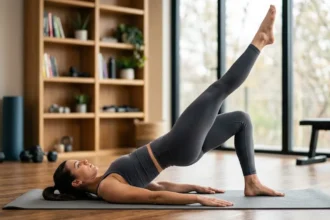
Strengthening weaker or underused muscles can also improve how force is shared across the body. For example, targeted gluteus medius exercises may help strengthen the outer hip muscles when appropriate. Exercises should remain comfortable, and persistent pain should be assessed rather than pushed through repeatedly.
What Do Muscle Knots Feel Like?
Muscle knots are commonly described as tight, sore, aching, or tender spots within a muscle. Some people feel a small firm area under the skin, while others notice only localized discomfort. Pressing the area may reproduce the familiar pain or create a dull ache that spreads into nearby tissues.
The discomfort can become more noticeable during certain movements or after remaining still for a long time. A knot in the upper back, for example, may feel worse after desk work, while a knot in the calf may become more noticeable after walking or exercise. Symptoms often vary depending on the muscle involved.
Muscle knots usually feel different from sharp nerve pain, severe joint pain, or pain caused by a recent significant injury. However, symptoms can overlap, which is why persistent discomfort should not be diagnosed based only on how it feels. Weakness, numbness, swelling, or severe pain may suggest that another issue needs evaluation.
Can Muscle Knots Cause Referred Pain?
Some tender muscle areas can produce pain that seems to spread beyond the exact spot being pressed. This is commonly called referred pain. For example, tension in certain neck or shoulder muscles may be felt higher toward the head or farther across the upper back.
Referred pain does not necessarily follow the same pattern as nerve pain. Nerve-related symptoms may include burning, electric sensations, tingling, numbness, or weakness, while muscular referred pain is often described as aching or pressure. Still, these descriptions are not enough to identify the cause with certainty.
If pain consistently travels into an arm or leg, especially with numbness or weakness, it deserves closer evaluation. Not every spreading pain comes from a muscle knot. A healthcare professional can assess whether the symptoms are more consistent with muscle tension, nerve irritation, joint problems, or another cause.
How to Relieve Muscle Knots at Home
Gentle movement is often a good first step for mild muscle tightness. Walking, shoulder rolls, easy range-of-motion exercises, or light stretching can help reduce the feeling of stiffness. Avoid forcing the muscle into painful positions because aggressive stretching may increase irritation rather than provide relief.
Heat can feel soothing when the area is tight or stiff. A warm shower, heating pad, or warm compress may help the surrounding muscles relax temporarily. Use heat for short periods and avoid excessive temperatures, particularly if sensation in the area is reduced.
Self-massage can also be helpful for some people. Gentle pressure with your fingers, a massage ball, or a foam roller may reduce discomfort temporarily, but harder pressure is not automatically better. Stop if massage creates sharp pain, numbness, bruising, or symptoms that continue worsening afterward.
Does Stretching Help Muscle Knots?
Stretching may help when a muscle feels shortened or stiff, especially after prolonged sitting or repetitive activity. Gentle stretching can improve comfort and temporarily increase range of motion. The stretch should create mild tension rather than sharp or intense pain.
Hold stretches comfortably and avoid bouncing or forcing the joint to its maximum range. Breathing slowly and relaxing during the movement can make stretching more comfortable. Short sessions performed regularly may be more useful than one very aggressive stretching session when the muscles are already irritated.
Stretching alone may not solve the underlying problem if the same activity continues to overload the muscle. Improving strength, changing work habits, and adjusting training volume may also be necessary. Think of stretching as one part of a broader approach rather than the only treatment for every muscle knot.
Can Massage Help Get Rid of Muscle Knots?
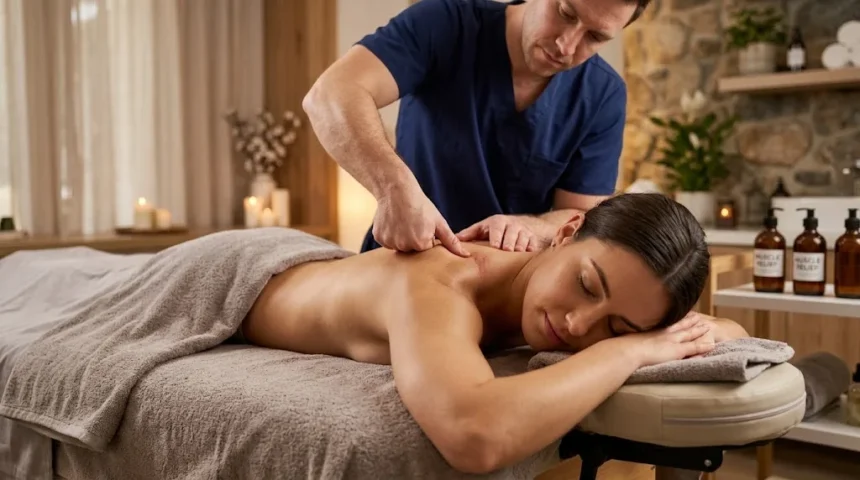
Massage may temporarily reduce muscle tension and make a tender area feel more comfortable. Manual pressure can also increase awareness of how tight the surrounding tissues feel. Some people notice improved movement afterward, although the effects may vary considerably from one person to another.
You do not need extremely deep pressure for massage to be useful. Excessive force can cause bruising, soreness, or irritation, particularly when the tissue is already sensitive. Gentle to moderate pressure that feels tolerable is usually a more sensible starting point.
If the same painful spot keeps returning, repeated massage may only provide short-term relief. Look for factors such as prolonged sitting, repetitive activity, stress, inadequate recovery, or weakness that might be contributing. Addressing these factors can be more useful than repeatedly pressing the same tender point.
Does Hydration Help With Muscle Knots?
Hydration supports normal muscle function, circulation, and overall physical performance. Being dehydrated can contribute to fatigue, headaches, and reduced exercise tolerance, which may make muscle discomfort feel worse. However, drinking extra water is not a guaranteed way to eliminate a muscle knot.
Fluid requirements vary depending on body size, activity, weather, medications, and health conditions. Drinking regularly throughout the day and increasing fluids during heavy sweating is a practical approach for most healthy adults. Food also contributes to hydration, particularly fruits, vegetables, soups, and other water-rich options.
If muscle tightness occurs alongside heavy sweating, vomiting, diarrhea, or prolonged exercise, fluid and electrolyte balance may deserve attention. People with kidney, heart, or other conditions may have specific fluid recommendations. In those situations, follow professional guidance rather than automatically increasing water intake.
How to Prevent Muscle Knots From Coming Back
Prevention often starts with reducing repetitive stress on the same muscles. Change positions frequently, take movement breaks, and vary your activities throughout the day. If your work or exercise repeatedly loads one area, gradually building strength and endurance may help the muscle tolerate that demand more comfortably.
Adequate sleep and recovery are also important. Muscles need time to recover after demanding activity, especially when training intensity increases. Consistently exercising hard without enough rest may contribute to lingering soreness and sensitivity.
Stress management can also reduce habitual muscle tension. Breathing exercises, walking, relaxation techniques, hobbies, and regular physical activity may help some people feel less tense overall. The most useful strategy is one you can practice consistently rather than a complicated routine that is difficult to maintain.
When Should You See a Doctor for a Muscle Knot?
Most mild muscle knots improve with movement, activity changes, and basic self-care. Medical evaluation becomes more important when pain is severe, continues for several weeks, or repeatedly returns despite reasonable changes. Persistent symptoms may indicate that the discomfort is coming from something other than simple muscle tension.
Seek professional advice if the area is swollen, red, unusually warm, or associated with significant weakness. Pain following a major injury, fall, collision, or sudden tearing sensation also deserves assessment. These signs can point toward injuries or other conditions that should not be treated as an ordinary muscle knot.
Prompt care is especially important for symptoms such as chest pain, breathing difficulty, unexplained fever, progressive weakness, or numbness. These are not typical features of an uncomplicated muscle knot. When symptoms feel unusual or significantly affect normal daily activities, getting a proper evaluation is safer than relying only on home treatment.
Conclusion
Muscle knots are commonly described as tight, tender areas within a muscle that may develop after repetitive activity, prolonged sitting, exercise, stress, or inadequate recovery. They can feel firm or sore and may sometimes create discomfort that spreads into nearby tissues. In most cases, they are manageable with conservative self-care.
Gentle movement, stretching, heat, massage, recovery, and changes in daily habits can all provide relief for some people. Strengthening appropriate muscles and varying posture can also help reduce repeated strain. The goal is to address the factors contributing to the problem rather than simply applying more pressure to the painful spot.
Persistent, severe, or unusual symptoms should not automatically be labeled as muscle knots. Pain accompanied by weakness, numbness, swelling, fever, or significant injury deserves medical attention. A proper assessment can help distinguish ordinary muscle tension from conditions that require different treatment.
Frequently Asked Questions
What causes muscle knots?
Muscle knots may develop after repetitive activity, prolonged sitting, exercise, stress, or inadequate recovery. Several factors often contribute together, particularly when the same muscle is repeatedly overloaded.
How long do muscle knots usually last?
Mild muscle tightness may improve within days, while more persistent discomfort can last longer. If symptoms continue for several weeks or keep returning, professional evaluation may help identify contributing factors.
Can you massage a muscle knot away?
Massage may temporarily reduce tension and discomfort, but it may not remove the underlying cause. Repeated knots often require changes in activity, strength, posture, recovery, or other habits.
Is heat or ice better for muscle knots?
Heat often feels helpful for tight or stiff muscles, while cold may be preferred after a recent strain or irritated area. Use whichever feels comfortable and avoid extreme temperatures.
Are muscle knots dangerous?
Most muscle knots are not dangerous, but severe or persistent pain should be evaluated. Seek medical care if symptoms include weakness, numbness, significant swelling, fever, or pain after a major injury.